
Temnothorax tergestinus
- Sci. Name
- Temnothorax tergestinus
- Tribe
- Crematogastrini
- Subfamily
- Myrmicinae
- Author
- Finzi, 1928
- Distribution
- Found in 6 countries
Introduction
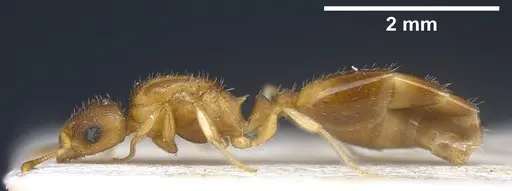
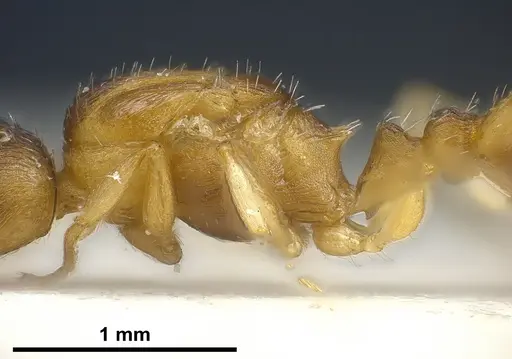
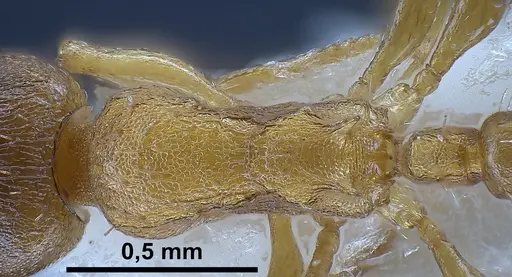
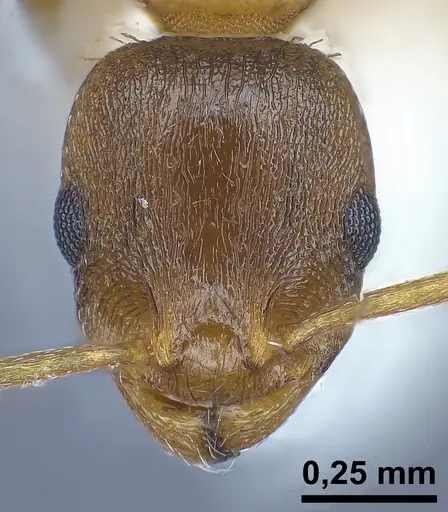
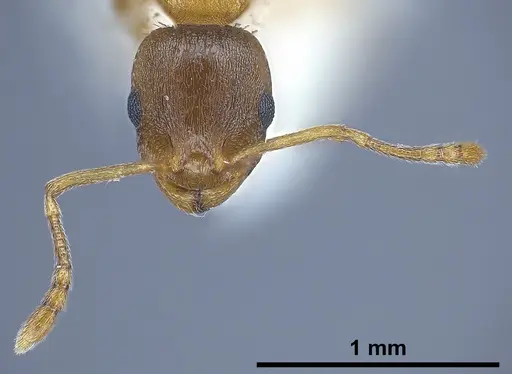
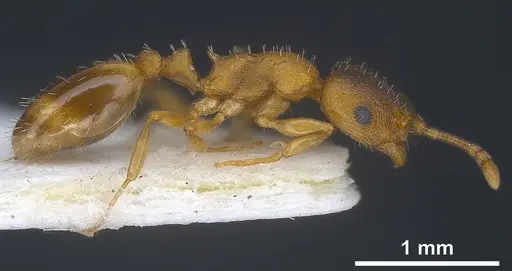
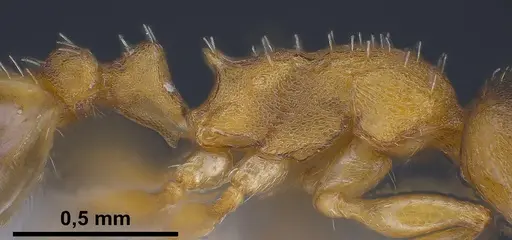
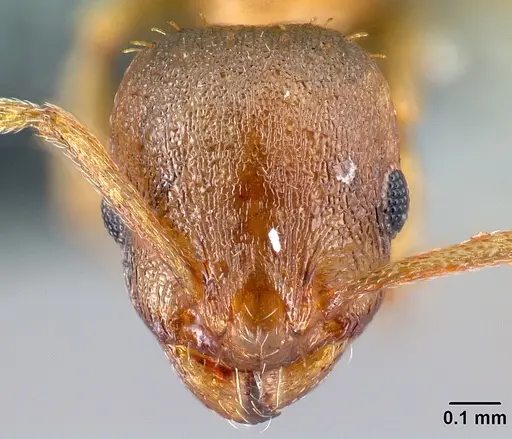
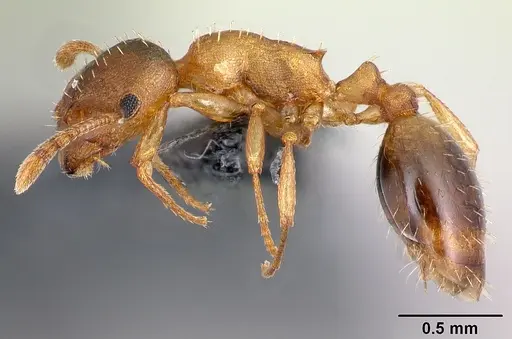
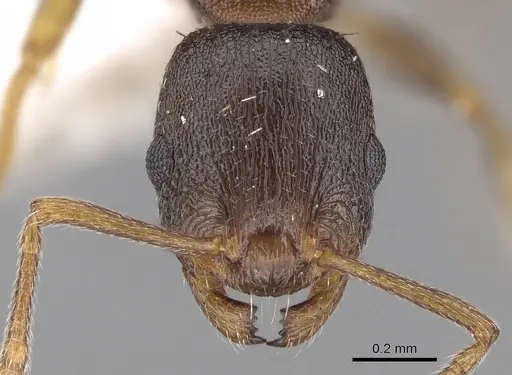
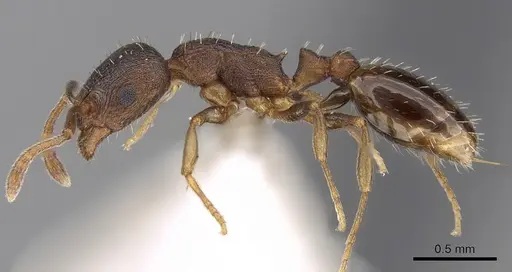
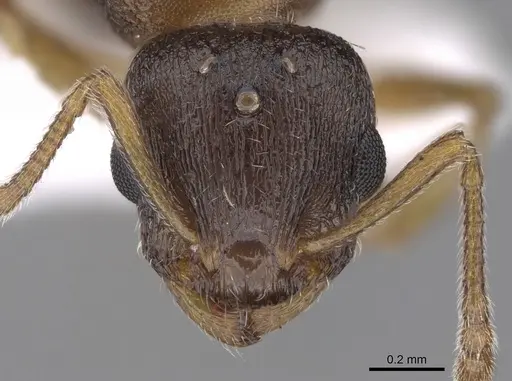
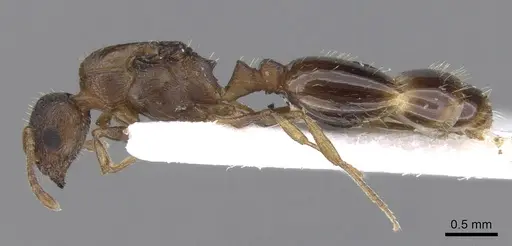
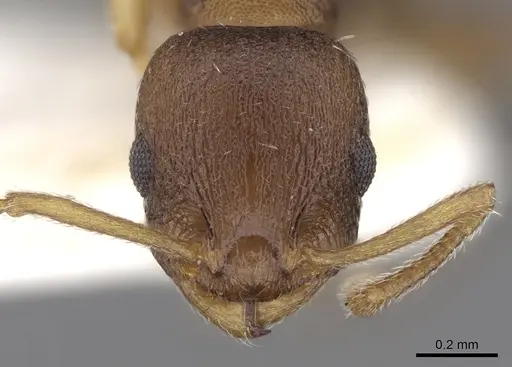
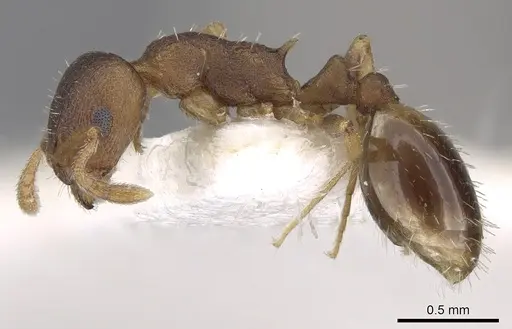
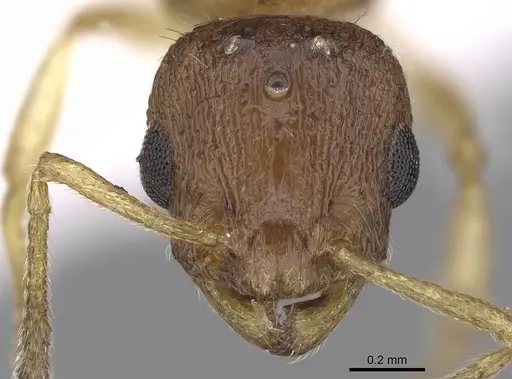
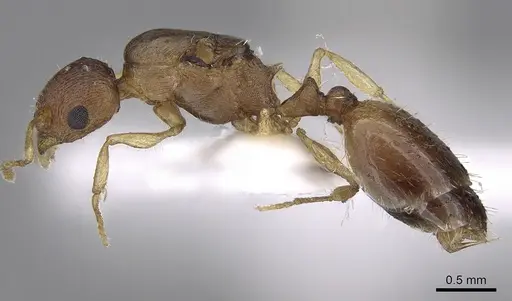
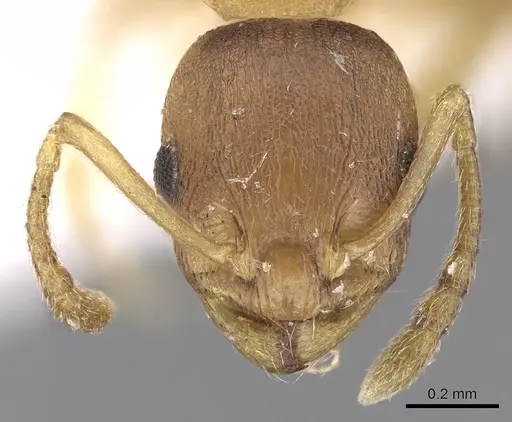
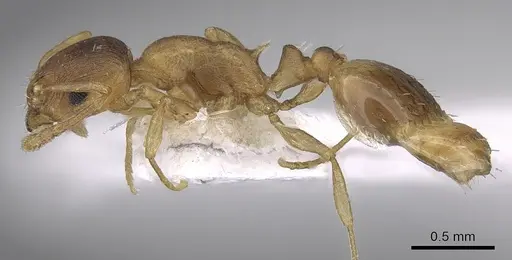
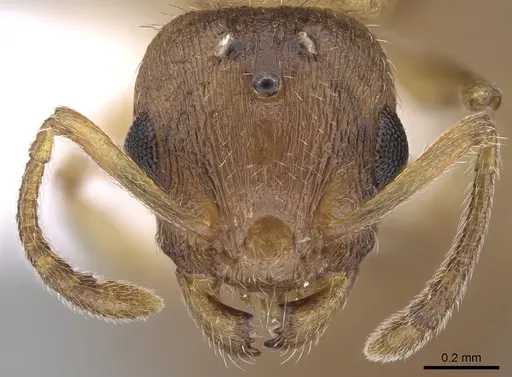
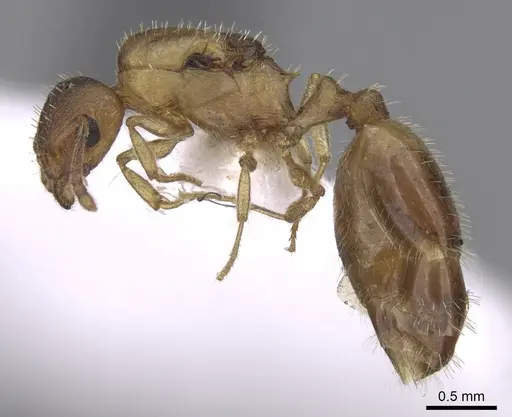
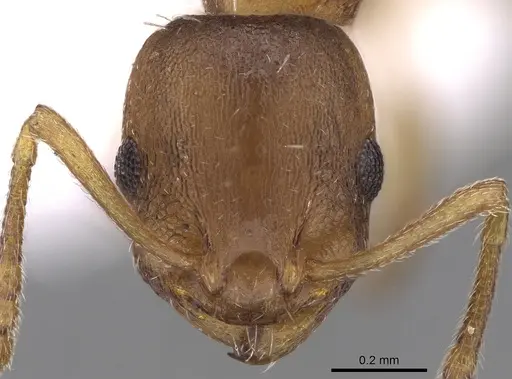
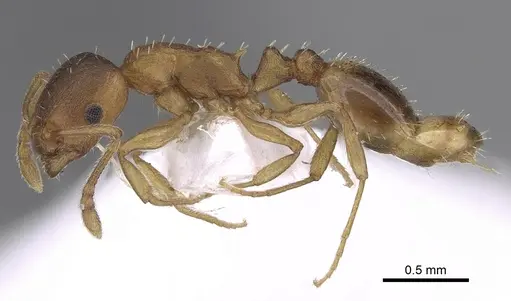
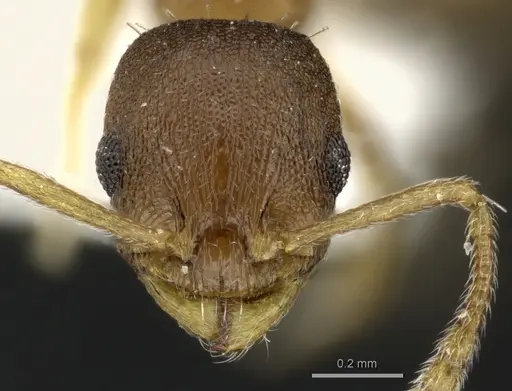
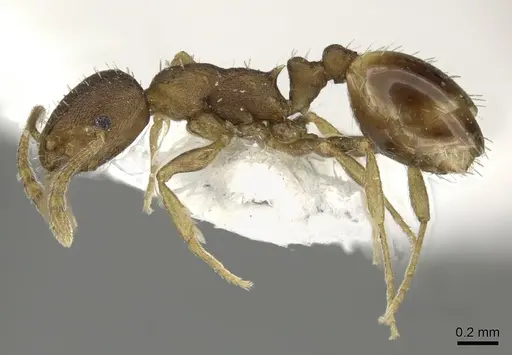
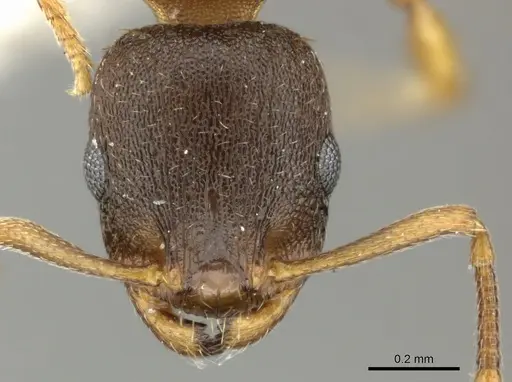
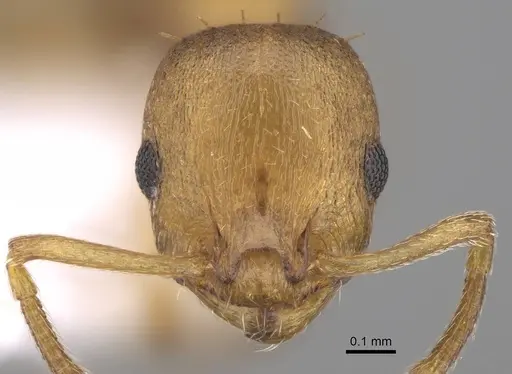
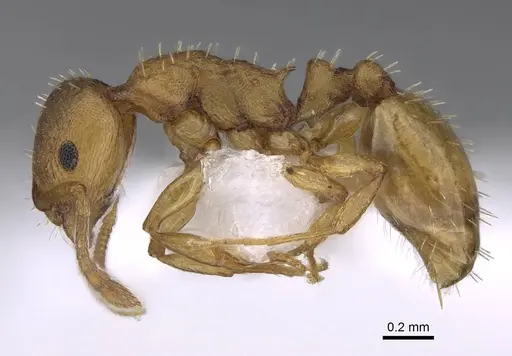
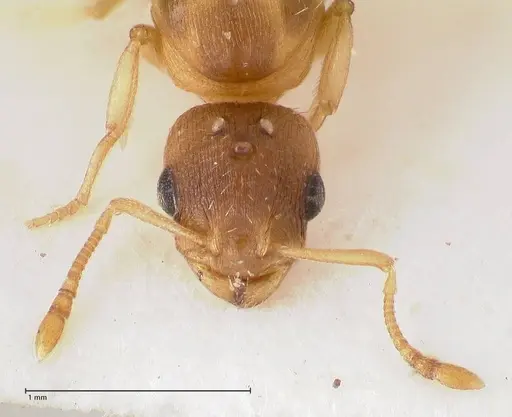
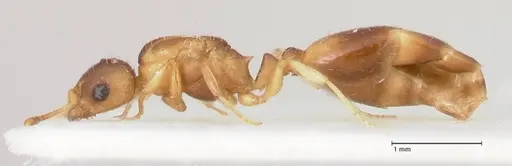
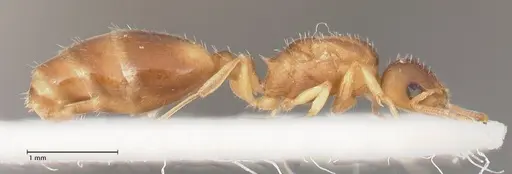
Temnothorax tergestinus is a tiny ant species native to the Mediterranean and Central Europe, found across countries including Bulgaria, Croatia, Czechia, France, Germany, Greece, Italy, Montenegro, Poland, and Slovenia . Workers are small (estimated 3-4 mm from related species), with a brown body and a dark band on the rear gaster . They belong to the nylanderi species group and nest in shadowy forest habitats like rock crevices, under stones, and in dry branches . Color varies: Greek populations are often dark brown, while Central European specimens are more bicolored. Completely yellow individuals have been documented in Greece due to parasitic infection by tapeworm larvae (cysticercoids), not a separate species .
Quick Summary
- Difficulty: Easy
- Origin & Habitat: Mediterranean and Central Europe: Bulgaria, Croatia, Czechia, France, Germany, Greece, Italy, Montenegro, Poland, Slovenia. Inhabits mountain and submountain localities, nesting in rock crevices, stones, and dry branches in forested areas [1][2][3].
- Colony Type: Not confirmed specifically, based on genus patterns, likely single-queen (monogyne). No evidence of polygyny.
- Size & Growth:
- Queen: Estimated 5-6 mm (based on related Temnothorax species)
- Worker: Estimated 3-4 mm (based on related Temnothorax species)
- Colony: Unknown, likely under a few hundred workers at maximum, based on related species
- Growth: Moderate
- Development: Not documented, likely several weeks to months (estimated from related species) (Development depends on temperature, keep stable conditions.)
- Antkeeping:
- Temperature: Moderate, human room temperature (18-24°C). They inhabit mountain/submountain areas, so avoid extreme heat [1][2].
- Humidity: Moderate. They naturally live in shadowy forest floor habitats [3]. Keep the nest substrate slightly moist but not waterlogged, with some drier areas for choice.
- Diapause: Yes, likely required as a temperate species. Reduce temperature to 8-12°C for 3-4 months during winter. Skipping may harm colony health.
- Nesting: Small, tight spaces: test tubes for founding, Y-tong (AAC) nests with narrow chambers for mature colonies [3]. They prefer dark, confined spaces similar to natural rock crevices.
- Behavior: Peaceful and non-aggressive. They possess a modified stinger used to smear venom rather than pierce (subfamily trait), but pose no real threat to keepers. Due to their tiny size (workers ~3-4 mm), escape prevention is critical, use fine mesh, fluon barriers, and seal all gaps.
- Common Issues: escape prevention is critical due to tiny worker size, use fine mesh and tight-fitting barriers, wild-caught colonies may carry parasites causing yellow coloration or health issues [2], test tube water reservoirs must be small (pack cotton firmly) to prevent flooding of tiny colonies, overheating is more dangerous than slight underheating, avoid direct heat sources, colonies grow slowly, patience is needed
Housing and Nest Setup
Because Temnothorax tergestinus is tiny, your housing must be scaled accordingly. Test tubes are perfect for founding, use a standard setup with a small water reservoir (pack the cotton tightly to prevent flooding). For larger colonies, Y-tong (AAC) nests with narrow chambers work well, as they mimic the tight rock crevices and twig cavities these ants naturally inhabit [3]. Avoid large, open spaces in the nest, they prefer dark, confined areas. The outworld should also be small, a plastic container with fluon on the walls works for colonies under ~100 workers. Escape prevention is absolutely critical. Use fine mesh (0.5 mm or smaller) on ventilation holes and seal any gaps, these ants can squeeze through incredibly tiny openings. A white surface in the outworld helps spot escapees.
Feeding and Diet
T. tergestinus is omnivorous, with a preference for protein [3]. Offer small live prey such as fruit flies, pinhead crickets, or small mealworms. Provide sugar sources (a drop of sugar water or honey) 2-3 times per week. Remove uneaten food after 24 hours to prevent mold. For founding colonies, a tiny drop of sugar solution and occasional small prey suffice. As the colony grows, increase quantities accordingly. Always ensure a clean water source is available.
Temperature and Seasonal Care
Maintain a stable room temperature (18-24°C) [1][2]. These ants come from mountain and submountain regions, so they don’t tolerate extreme heat. During the active season, room temperature is adequate. For winter, they need a diapause (hibernation) period, lower the temperature to 8-12°C for 3-4 months. You can do this by moving the colony to an unheated garage or basement. Do not skip hibernation, it’s essential for long-term health and reproduction. Keep the colony away from heat sources and direct sunlight, as overheating can be fatal.
Colony Development and Growth
Colony development is moderate compared to faster-growing genera. From egg to first worker (nanitic), the timeline has not been documented for this species, but based on related Temnothorax it likely takes several weeks to a couple of months. The first workers are smaller than mature ones. Be patient and avoid overfeeding or stressing the colony. Queens are estimated to be 5-6 mm, workers 3-4 mm. Colony lifespan can be several years with proper care.
Behavior and Observation
Workers are active but not aggressive. Their primary defense is a modified stinger used to smear venom (a trait of the subfamily Myrmicinae), but they rarely use it against keepers. They are fascinating to watch, they forage for tiny prey and tend to communicate via chemical trails and tandem running. Color variation is notable: dark brown in Greece, lighter bicolored in Central Europe, and occasional yellow specimens that indicate parasitic infection (tapeworm larvae) [2]. If you see yellow ants, it’s a health issue, not a natural color morph. Always use a magnifying lens or macro photography to appreciate their fine morphology.
Handling and Transfer
Due to their small size, handle them carefully. Use a soft brush or pipette to move individuals. When transferring a colony from a test tube to a formicarium, connect the tube to the new nest and let the ants move on their own, forcing them can cause stress or queen injury. Work over a white surface to spot escapees, and have a fluon barrier ready. Always ensure the new nest has proper humidity and temperature before connecting.
Frequently Asked Questions
Can I keep Temnothorax tergestinus in a test tube?
Yes, test tubes are excellent for this species, especially for founding. Use a standard setup with a small water reservoir and pack the cotton firmly. Test tubes can house colonies for months or even years if maintained well.
How long does it take for Temnothorax tergestinus to raise their first workers?
The exact time is undocumented, but based on related Temnothorax species, it likely takes several weeks to a couple of months at room temperature. The first workers (nanitics) will be smaller than mature workers. Patience is key.
Do Temnothorax tergestinus ants sting?
They have a modified stinger that smears venom rather than piercing, so they do not sting in the usual sense. They are harmless to humans and rarely defensive unless the colony is directly threatened.
What do Temnothorax tergestinus eat?
They are omnivorous. Offer small protein sources like fruit flies, pinhead crickets, or small mealworms 2-3 times per week, along with sugar water or honey. Remove uneaten food after 24 hours [3].
Do Temnothorax tergestinus need hibernation?
Yes, as a temperate European species, they require a winter diapause. Reduce the temperature to 8-12°C for 3-4 months during winter. Skipping hibernation can damage colony health.
Are Temnothorax tergestinus good for beginners?
Yes, they have easy care requirements and a peaceful temperament. However, their tiny size demands careful escape prevention, beginners must use fine mesh and fluon. Their slow growth may require patience.
How big do Temnothorax tergestinus colonies get?
The natural maximum is unknown, but based on related species they likely reach a few hundred workers at most. They are a manageable species for those who prefer smaller colonies.
Why is my Temnothorax tergestinus turning yellow?
Yellow coloration in this species is caused by tapeworm larvae (cysticercoids) infecting the gaster [2]. It is a parasitic infection, not a normal color variation. If you see yellow specimens, consult experienced keepers or isolate affected ants.
When should I move my colony to a formicarium?
Move when the test tube becomes crowded, typically around 50-100 workers. Use a Y-tong or plaster nest with narrow chambers. Connect the test tube to the new nest and let the ants move voluntarily.
Can I keep multiple queens together?
This species is likely monogyne (single queen). Combining unrelated queens is not recommended as they may fight. Keep a founding queen alone until her colony is established.
Report an Issue
The current care sheet is based fully on literature. See inconsistencies, or something that's incorrect? Please , it will be resolved after review from an admin. Contributing to the blogs tab also helps providing information, to make us be able to further improve the caresheets. Thank you for your support!
References

This caresheet is licensed under CC BY-SA 4.0 .
Community Blogs
ANTWEB1041300
View on AntWeb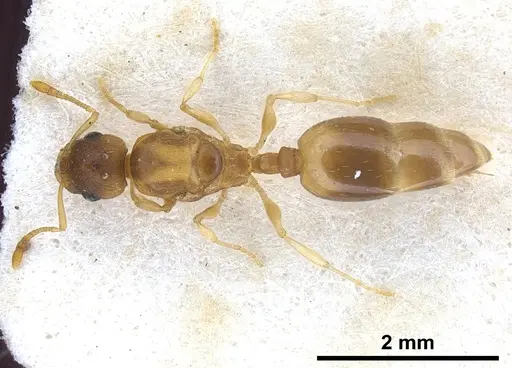
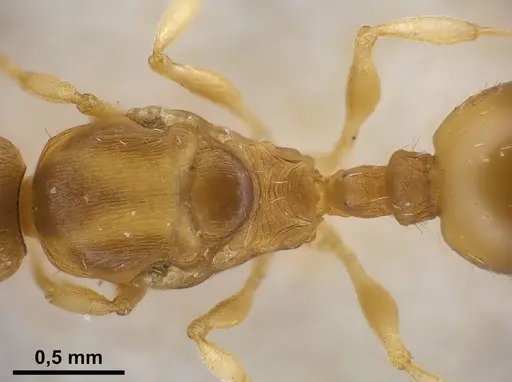
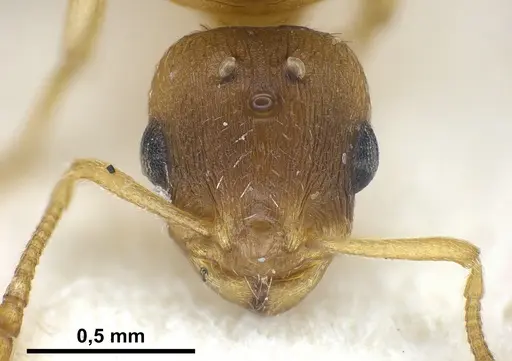
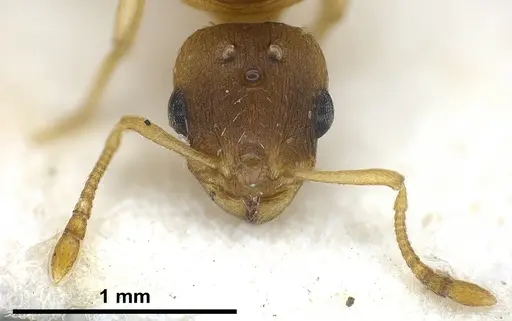
ANTWEB1041378
View on AntWeb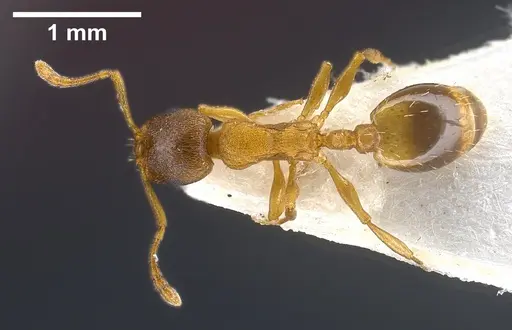
CASENT0179902
View on AntWeb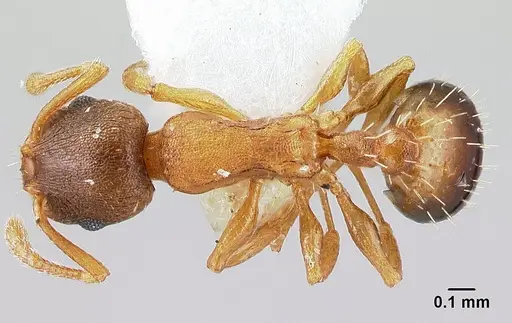
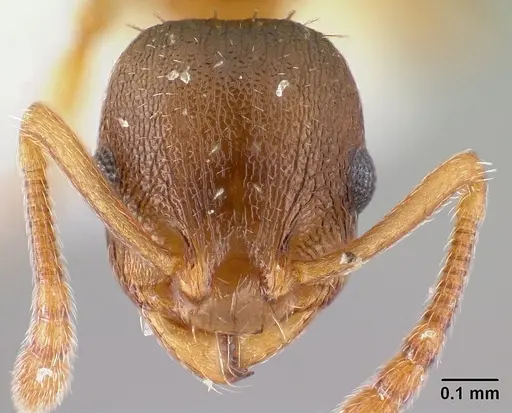
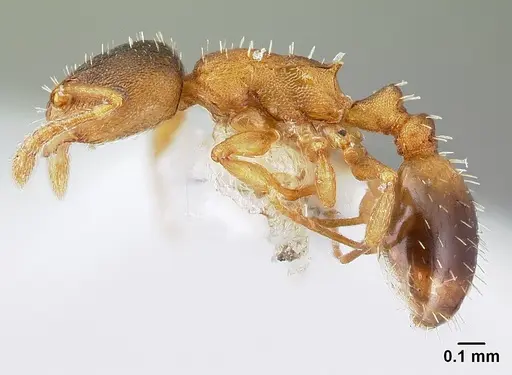
CASENT0179928
View on AntWeb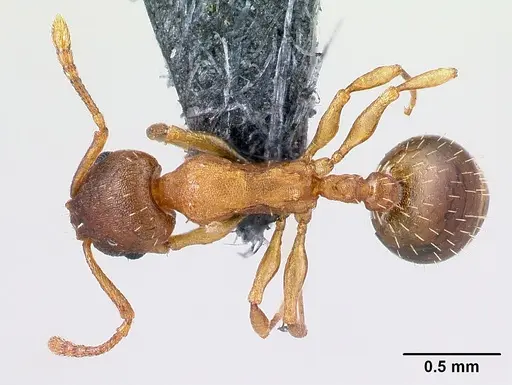
CASENT0906025
View on AntWeb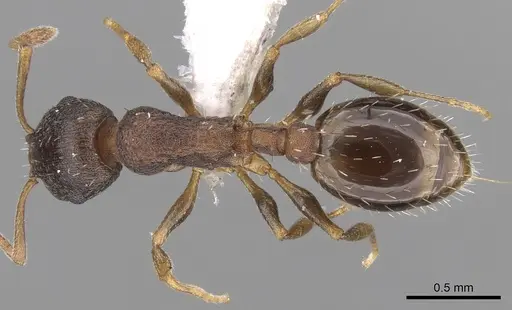
CASENT0906026
View on AntWeb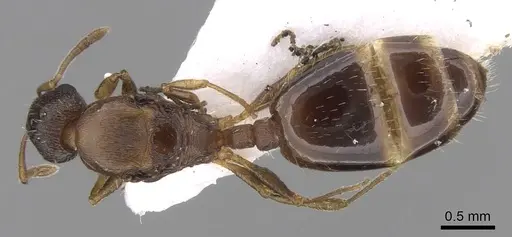
CASENT0906027
View on AntWeb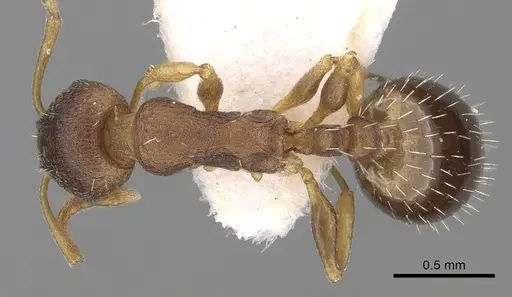
CASENT0906031
View on AntWeb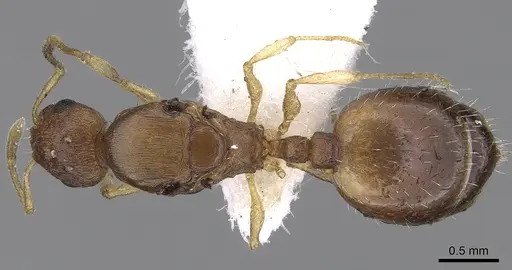
CASENT0906032
View on AntWeb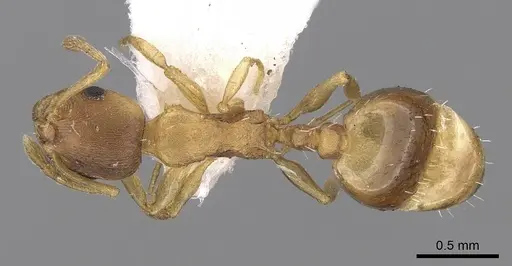
CASENT0906033
View on AntWeb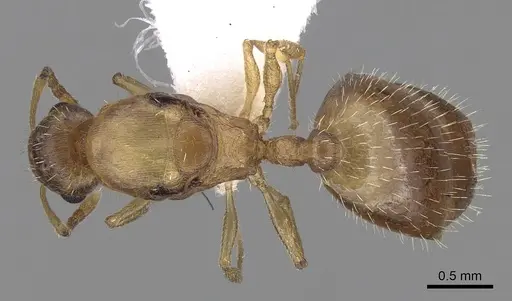
CASENT0906034
View on AntWeb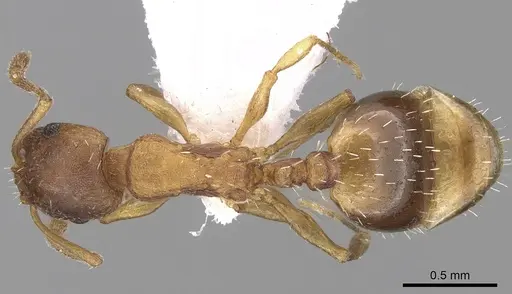
CASENT0906694
View on AntWeb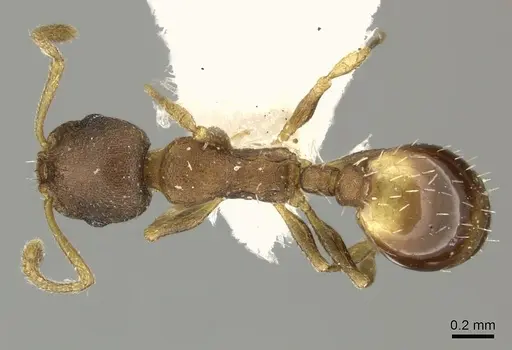
CASENT0906708
View on AntWeb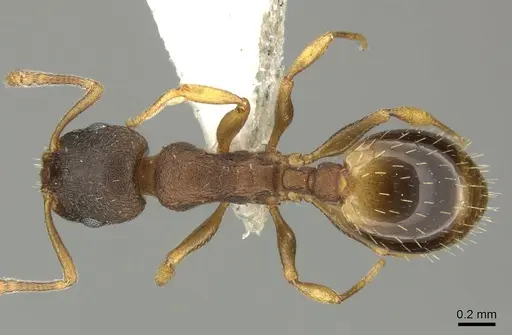
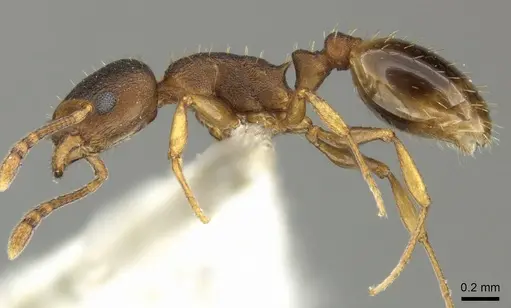
CASENT0906709
View on AntWeb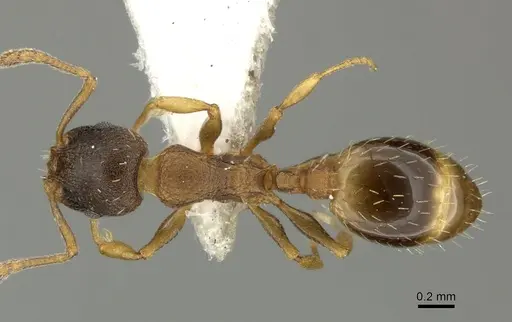
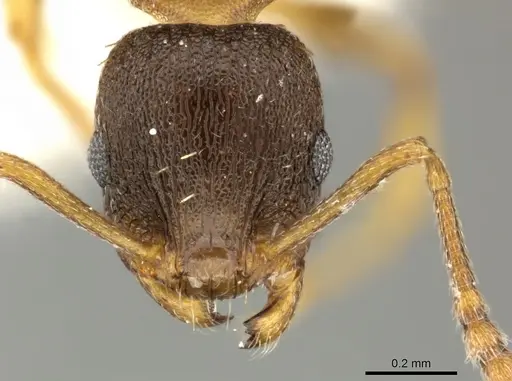
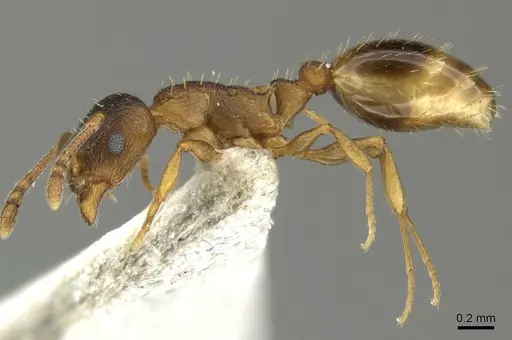
CASENT0922701
View on AntWeb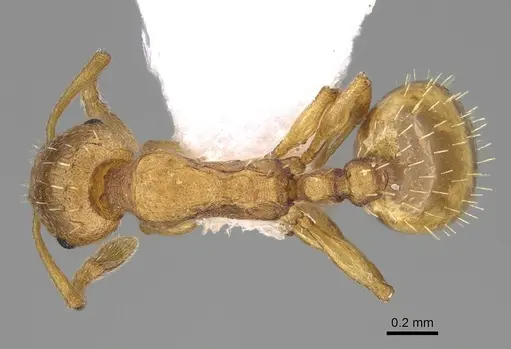
FOCOL0741
View on AntWeb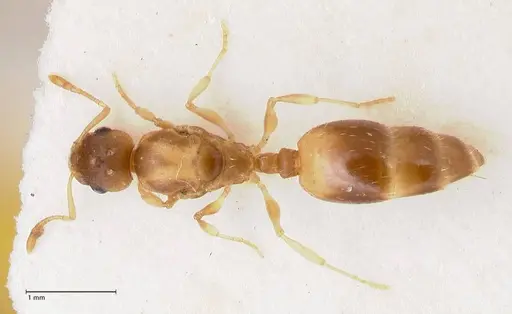
Literature
Loading distribution map...Loading products...