
Temnothorax striatulus
- Sci. Name
- Temnothorax striatulus
- Tribe
- Crematogastrini
- Subfamily
- Myrmicinae
- Author
- Stitz, 1937
- Distribution
- Found in 3 countries
Introduction
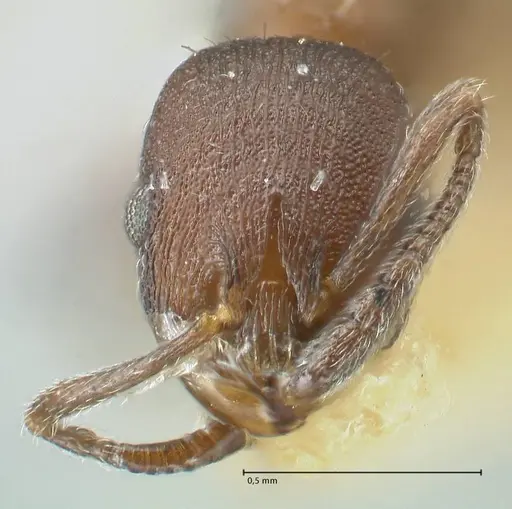
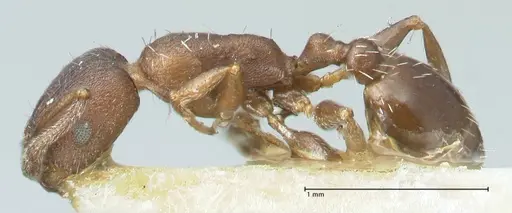
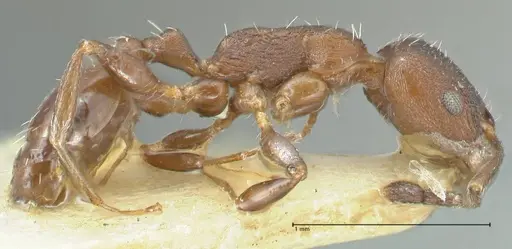
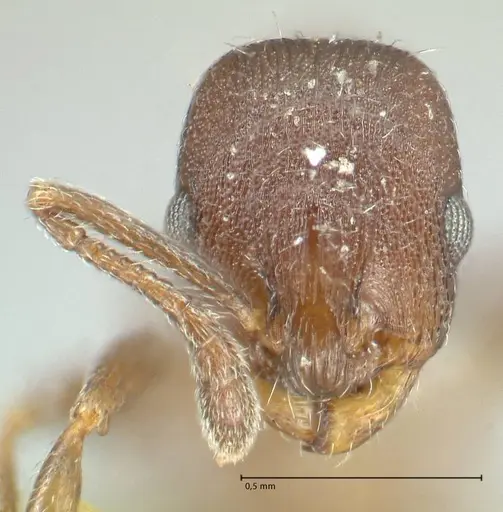
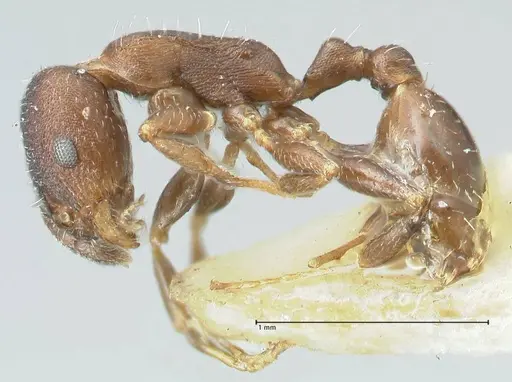
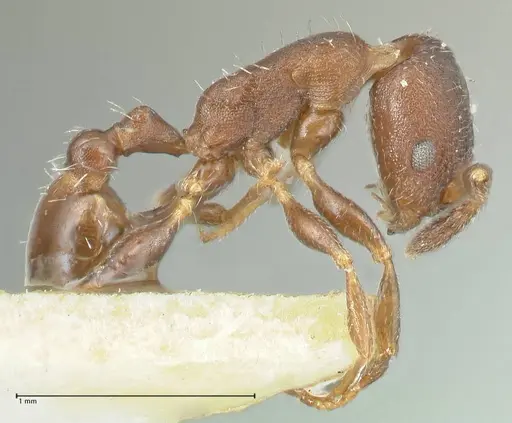
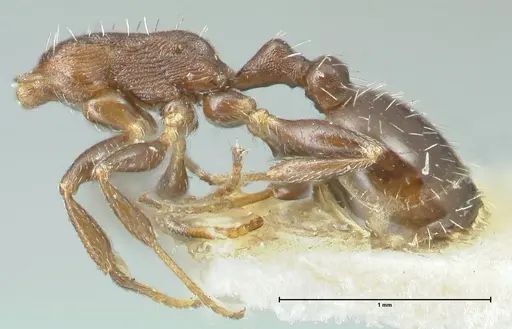
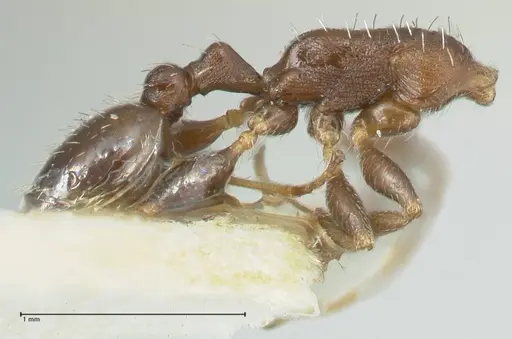
Temnothorax striatulus is a tiny, yellowish-brown ant from the Myrmicinae subfamily. Workers are about 2-3mm (inferred from the Temnothorax genus) and have a distinctly rounded propodeum (the rear section of the thorax) with no spines or angles, plus a low, rounded petiolar node. It is native to cloud forests in southern Mexico and Honduras, specifically the Sierra Madre del Sur region in Guerrero and Oaxaca states . The species was originally described from Mexico in 1937 and is known only from historical type specimens that may now be lost . This ant lives in mesophilic (moderately moist) forests in the Neotropics. It likely nests in small cavities such as hollow twigs, under loose bark, or in similar protected microhabitats, which is typical for acorn ants . As a member of the sallei-clade within Temnothorax, it represents the group's expansion into Central American cloud forests during the middle Miocene . It belongs to the Myrmicinae tribe Crematogastrini, and like other members of that tribe, its primary defense is a modified flattened stinger that smears venom onto enemies rather than piercing them.
Quick Summary
- Difficulty: Medium
- Origin & Habitat: Cloud forests of southern Mexico (Guerrero, Oaxaca) through the Sierra Madre del Sur to Honduras. Found in mesophilic forests at higher elevations in the Neotropics [1][2][4].
- Colony Type: Likely single-queen (monogyne) based on typical Temnothorax patterns. Colony size is probably small, likely under 200 workers, as typical for small cavity-nesting species [2].
- Size & Growth:
- Queen: ~3-4mm, inferred from Temnothorax genus patterns
- Worker: ~2-3mm, inferred from Temnothorax genus patterns
- Colony: Likely under 200 workers based on typical genus patterns
- Growth: Moderate
- Development: Estimated 6-8 weeks at optimal temperature based on related species (Development time inferred from typical Temnothorax genus patterns. Warmer temperatures within acceptable range may speed development slightly.)
- Antkeeping:
- Temperature: Keep at 20-24°C. As a cloud forest species from southern Mexico, they prefer cooler, stable conditions rather than warmth. Avoid temperatures above 26°C. Room temperature is often suitable [2].
- Humidity: Moderate to high humidity (60-80%). These forest-floor ants need damp substrate but not waterlogging. Provide a moisture gradient so ants can self-regulate [2].
- Diapause: Unknown, no specific data on overwintering requirements. As a Neotropical species from higher elevations, they may reduce activity during cooler months, but true hibernation is unlikely [2].
- Nesting: Small cavity-nesting species. Y-tong (AAC) nests with narrow chambers or test tube setups work well. Provide small, snug chambers scaled to their tiny size. They prefer dark, enclosed spaces [3].
- Behavior: Typical Temnothorax behavior, relatively peaceful, not aggressive, but may smear venom if threatened. Workers are active foragers that search for small prey and honeydew. Escape prevention is critical due to their very small size, use fine mesh barriers and tight-fitting lids. They are not strong climbers but can squeeze through tiny gaps [3].
- Common Issues: very small size means escapes are likely without fine mesh barriers (0.5mm or smaller), limited documentation means care is largely inferred from genus patterns, which may cause unexpected colony loss, high humidity needs can lead to mold if ventilation is inadequate, difficulty finding wild colonies due to rarity and limited distribution, overheating above 26°C can quickly kill the colony
Temperature and Care
Temnothorax striatulus comes from the cool, humid cloud forests of southern Mexico and Honduras, so they prefer moderate temperatures around 20-24°C. This is notably cooler than many ant species kept in captivity, and you should avoid overheating them, keep them away from direct sunlight and heat sources. Room temperature is often ideal [2].
As a mesophilic forest species, they do best with stable temperatures rather than fluctuations. A simple setup in a room-temperature area works well. If you need to create a slight temperature gradient, you can put a heating cable on one side of the outworld (not directly on the nest), but it's usually unnecessary. Sudden temperature changes stress these small ants [2].
Humidity and Water
These cloud forest ants need moderate to high humidity, roughly 60-80%. The substrate should feel damp but never waterlogged, think of a forest floor after rain, not a flooded swamp. Provide a water test tube as their primary water source, and check that the nest material stays moist but doesn't develop standing water or condensation [2].
Because they're so small, proper humidity control is important. A moisture gradient works well, keep one area of the nest slightly damper than another, letting workers choose their preferred spot. Mist the outworld occasionally, but let it dry between mistings rather than keeping it constantly wet [2].
Feeding and Diet
Temnothorax striatulus is likely an omnivorous forager like most Temnothorax species. They probably eat small insects, aphids, and other tiny arthropods in the wild, along with honeydew from tending aphids and scale insects. In captivity, offer small protein sources like fruit flies, pinhead crickets, and small mealworms [3].
For sugar, offer diluted honey water or sugar water occasionally, though these tiny ants may not show strong interest in sweets. Live prey is more important for their protein needs. Feed small prey items 2-3 times per week, adjusting based on colony size and appetite. Remove uneaten prey after 24 hours to prevent mold [3].
Nesting Preferences
In the wild, Temnothorax striatulus likely nests in small cavities, think hollow twigs, under loose bark, in rotting wood, or similar protected microhabitats. This is typical acorn ant behavior. In captivity, they do well in Y-tong (AAC) nests with small, tight chambers scaled to their tiny size [3].
Test tube setups also work well for founding colonies. The key is providing dark, enclosed spaces that mimic their natural cavities. Avoid large, open spaces in the nest, these small ants feel safer in snug chambers. A naturalistic setup with small rocks or twigs can also work if you provide proper humidity control [3].
Behavior and Temperament
Temnothorax striatulus is a peaceful species that won't bother you or other ants. Workers are active foragers, searching the outworld for food and carrying resources back to the nest. They're not aggressive, at most, they might smear venom if directly threatened (using a modified flattened stinger, which is typical for Crematogastrini). The main behavioral concern is escape prevention. Their very small size means they can squeeze through gaps you'd never expect. Use fine mesh (at least 0.5mm) on any ventilation holes, and check that lid seams are tight. Despite their small size, they're reasonably active and fun to watch as workers patrol the outworld [3].
Colony Development
As a likely claustral founder, the queen would seal herself in a small chamber and raise the first workers alone, living off stored fat reserves. First workers (nanitics) will be smaller than normal workers but should appear within an estimated 6-8 weeks under good conditions. The colony will grow gradually, expect months to reach 50 workers, possibly over a year to reach colony maturity [3].
This species is poorly documented in scientific literature, so exact development timelines aren't available. Based on related Temnothorax species, growth is moderate but slow compared to faster-growing ants. Patience is key, don't overfeed or disturb the founding queen, and let the colony develop at its natural pace [2][3].
Frequently Asked Questions
How long does it take for Temnothorax striatulus to get first workers?
Based on typical Temnothorax patterns, expect first workers (nanitics) in about 6-8 weeks after the queen lays eggs. This timeline assumes stable temperatures around 20-24°C. The exact timing is not documented for this specific species, so it may vary [3].
What do Temnothorax striatulus ants eat?
They likely eat small insects and arthropods like fruit flies, tiny crickets, and springtails, plus honeydew from aphids. In captivity, offer small live prey for protein and occasional honey water for sugar. Remove uneaten prey after 24 hours [3].
Do Temnothorax striatulus ants sting?
They do not have a piercing stinger. Their primary defense is smearing venom using a modified flattened stinger (common to the tribe Crematogastrini). This is harmless to humans but may deter small predators. At most, they might give a minor bite if directly threatened [3].
What temperature do Temnothorax striatulus ants need?
Keep them at 20-24°C, room temperature is often ideal. As a cloud forest species from southern Mexico, they prefer cooler conditions than many ant species. Avoid temperatures above 26°C [2].
Are Temnothorax striatulus good for beginners?
They are moderate difficulty, not the easiest but not challenging once you understand their needs. The main requirements are small nest spaces, good escape prevention, moderate humidity, and cool stable temperatures. Their small size and escape risk are the biggest challenges [3].
How big do Temnothorax striatulus colonies get?
Based on typical genus patterns, colonies likely reach up to 200 workers at maturity. This is a small colony size compared to many ants, so they won't need large enclosures [2].
Do Temnothorax striatulus need hibernation?
Unknown for this specific species. As a Neotropical cloud forest species, they probably don't need true hibernation but may reduce activity during cooler months. Monitor your colony, if they become less active in winter, reduce feeding and keep them slightly cooler [2].
What size nest do Temnothorax striatulus need?
Small, tight chambers work best. Y-tong nests with narrow passages or simple test tube setups are ideal. The chambers should be sized appropriately for their tiny 2-3mm workers, avoid large, open nest spaces [3].
Can I keep multiple Temnothorax striatulus queens together?
Not recommended. This species is likely monogyne (single-queen) based on typical genus behavior. Combining unrelated queens has not been documented and would likely result in fighting [3].
Why are my Temnothorax striatulus escaping?
Their tiny size lets them squeeze through impossibly small gaps. Use fine mesh (0.5mm or smaller) on all ventilation, check lid seams carefully, and consider using fluon or other barriers. Escape prevention must be excellent for this species [3].
Report an Issue
The current care sheet is based fully on literature. See inconsistencies, or something that's incorrect? Please , it will be resolved after review from an admin. Contributing to the blogs tab also helps providing information, to make us be able to further improve the caresheets. Thank you for your support!
References

This caresheet is licensed under CC BY-SA 4.0 .
Community Blogs
CASENT0246051
View on AntWeb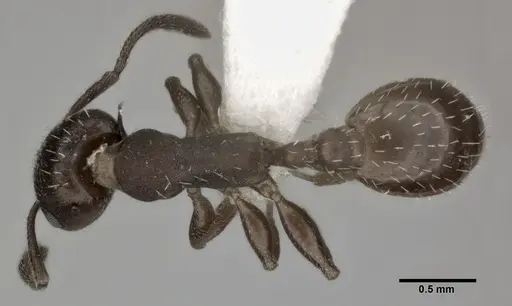
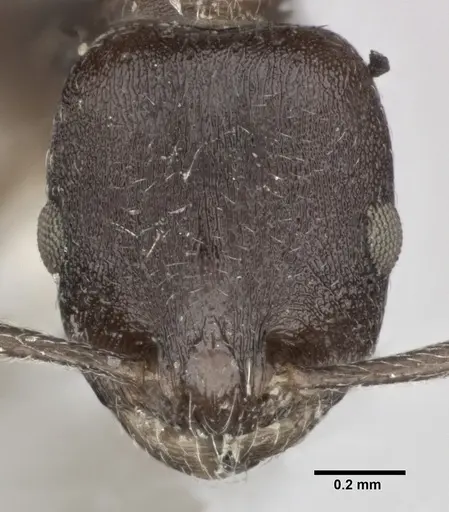
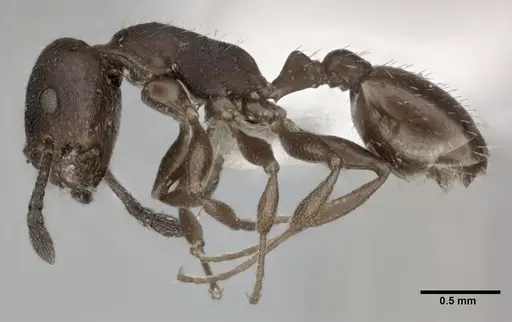
FOCOL2037
View on AntWeb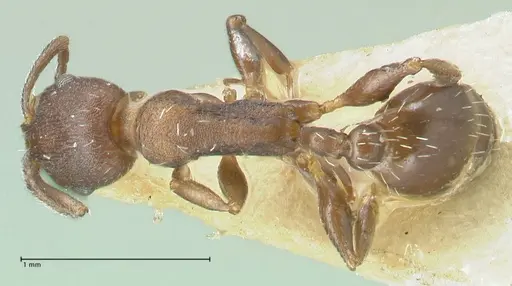
FOCOL2038
View on AntWeb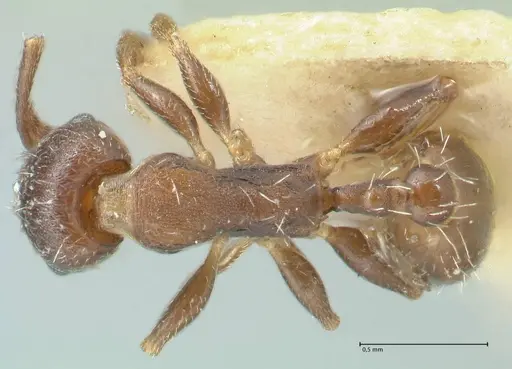
FOCOL2039
View on AntWeb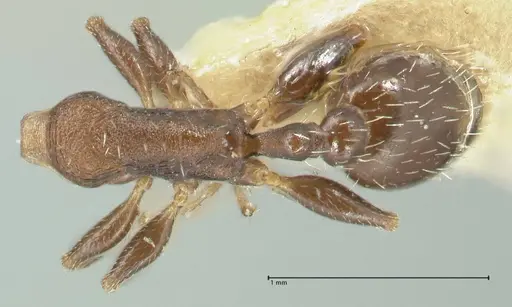
Literature
Loading distribution map...Loading products...