
Temnothorax stollii
- Sci. Name
- Temnothorax stollii
- Tribe
- Crematogastrini
- Subfamily
- Myrmicinae
- Author
- Forel, 1885
- Distribution
- Found in 0 countries
Introduction
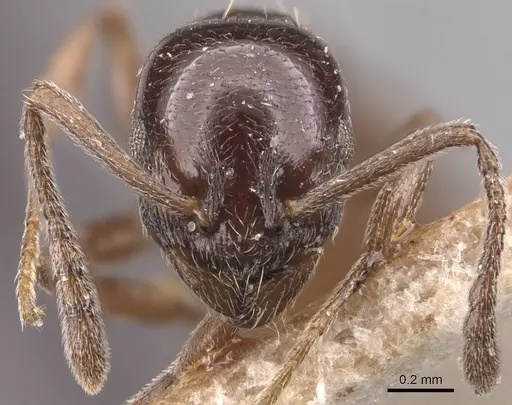
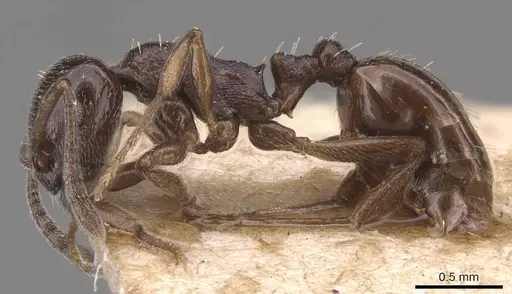
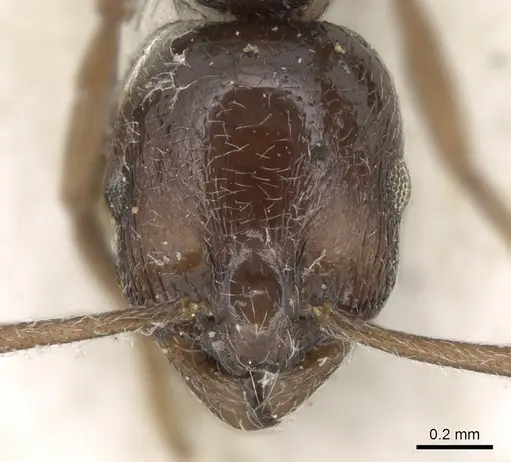
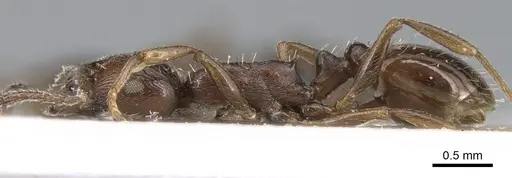
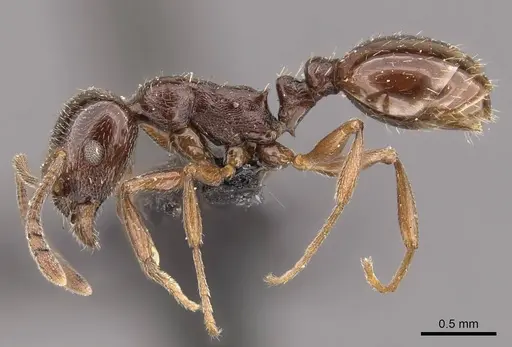
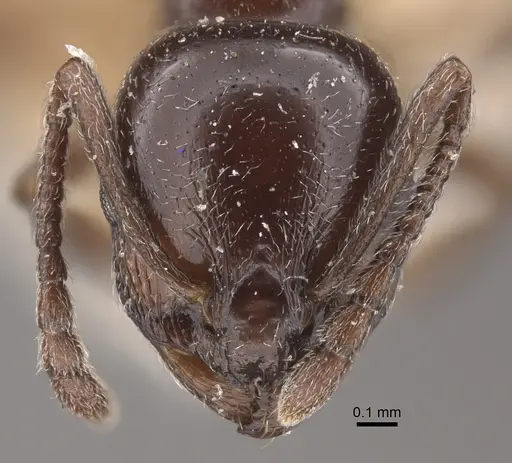
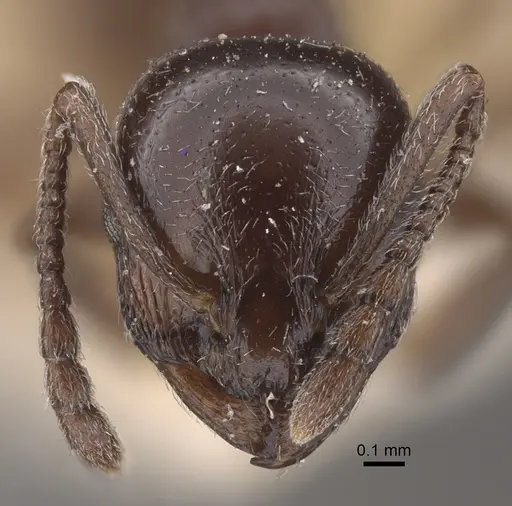
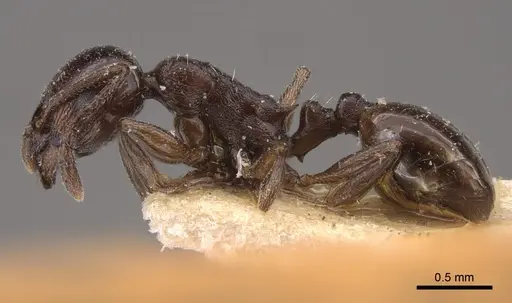
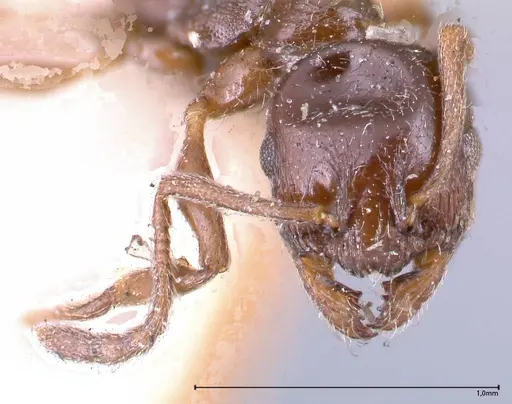
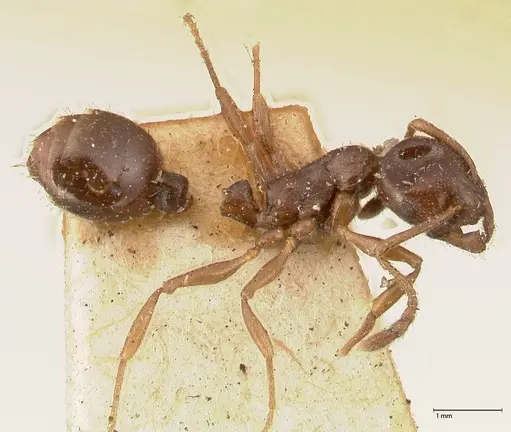
Temnothorax stollii is a tiny ant from high-altitude Guatemala, found on the summit of Volcán de Agua at 14,000 feet . Workers are 3.0-3.5 mm with black bodies and brownish legs, mandibles, and antennae. They have 12-segmented antennae with a 3-segmented club, and two small spines on the metanotum . Queens are 3.8 mm with 13-segmented antennae and a 4-segmented club . These ants are solitary foragers and nest in plant cavities like hollow twigs and stems . Their high-altitude origin means they prefer cool conditions, unlike most tropical ants.
Quick Summary
- Difficulty: Medium
- Origin & Habitat: Guatemala, Central America, found at high elevations including Volcán de Agua at 14,000 feet elevation [1]. Nests in plant cavities such as hollow twigs and stems [2].
- Colony Type: Colony structure is unconfirmed for this species. Most Temnothorax are single-queen colonies, but specific data for T. stollii is lacking.
- Size & Growth:
- Queen: 3.8 mm [1]
- Worker: 3.0-3.5 mm [1]
- Colony: Unknown for this species, typical Temnothorax colonies reach a few hundred workers
- Growth: Moderate, based on typical genus patterns
- Development: Estimated 6-10 weeks at optimal temperature, based on related species (No specific data exists for this species. Related Temnothorax species develop in 6-10 weeks at around 20-22°C.)
- Antkeeping:
- Temperature: Cool conditions preferred, aim for 18-22°C. Being from high-altitude Guatemala, they do not tolerate heat well. Room temperature or slightly below is ideal
- Humidity: Moderate humidity, keep nest substrate slightly moist but not wet. Provide a humidity gradient. Allow the nest to dry slightly between waterings
- Diapause: Unknown, no data on diapause for this species. High-altitude tropical species may have reduced activity during cool/dry periods but not a typical winter diapause. Observe colony behavior and adjust.
- Nesting: Plant cavity specialists, in captivity they do well in Y-tong nests with small chambers or naturalistic setups with small twigs/branches. Avoid large, open spaces [2]
- Behavior: Peaceful and inconspicuous foragers. They are not aggressive and typically avoid conflict. Workers are small and may be overlooked in the outworld. They forage individually rather than in trails. Escape risk is moderate due to their tiny size, use fine mesh barriers. They use a smear defense, applying venom by wiping rather than stinging.
- Common Issues: tiny size makes escape prevention critical, use fine mesh and tight seals, high-altitude origin means heat is a serious risk, keep away from direct sunlight and heating elements, overheating is the most common cause of death, watch for workers clustering away from heat, slow growth can frustrate beginners, colonies develop slowly over months, wild-caught colonies may have parasites or health issues specific to their native range
Housing and Nest Preferences
Temnothorax stollii are plant cavity nesters, meaning they naturally live in hollow twigs, stems, and similar small spaces [2]. In captivity, Y-tong (AAC) nests work well because the chambers can be made appropriately small. Naturalistic setups with small bamboo sections or artificial twig systems also work. Avoid large, open formicarium spaces, these tiny ants feel safer in tight, enclosed chambers. Use test tubes for founding colonies, but be aware that their small size means you may need cotton with smaller pores to prevent escapes.
Temperature Requirements
This is critical for keeping T. stollii successfully. They are native to high-altitude Guatemala (14,000 feet) and adapted to cool conditions, they do NOT tolerate heat well [1]. Keep the nest area at 18-22°C, which is often room temperature. Avoid placing the nest near windows with direct sunlight, heating cables, or any heat source. Signs of overheating include workers clustering away from the heat source, brood dying, or queens leaving the nest. This species thrives in cool, stable conditions.
Feeding and Diet
Like most Temnothorax species, T. stollii accepts a varied diet including small insects, honeydew, and sugar sources. Offer small prey like fruit flies, pinhead crickets, and small mealworms, sized for their tiny workers. Provide sugar water or honey occasionally, though acceptance varies. Feed small amounts 2-3 times per week, removing uneaten prey after 24 hours. Because they are solitary foragers, they do not form large food caches, so offer food more frequently than for larger colonies.
Winter Care and Diapause
Diapause requirements are unconfirmed for this species. Their origin in high-altitude tropical Guatemala suggests they may experience cooler, drier periods but not a classic temperate winter. If you notice reduced activity in your colony during cooler months, you can try cooling them gradually to 12-15°C for 6-8 weeks, but this is experimental. Ensure water is available during any cooling period. It is safer to maintain stable cool conditions year-round rather than risk heat stress.
Handling and Colony Maintenance
Due to their tiny size and peaceful nature, T. stollii requires careful handling. Avoid shaking or sudden movements that could injure the small workers. Escape prevention is critical, use fluon on container rims and fine mesh (at least 0.5 mm) on any ventilation. These ants can squeeze through surprisingly small gaps. Colony growth is slow, expect first workers (nanitics) to be smaller than normal workers. Do not disturb the queen during founding. Monitor for mold in test tube setups and provide fresh water sources as needed.
Frequently Asked Questions
How long does it take for Temnothorax stollii to have first workers?
Based on related species, expect 6-10 weeks from founding to first workers emerging. This is slower than many common ant species. Do not disturb the queen during this time.
What temperature do Temnothorax stollii need?
Keep them cool at 18-22°C. They are from high-altitude Guatemala and do not tolerate heat. Room temperature is often ideal. Never expose them to direct sunlight or heating elements.
Do Temnothorax stollii need hibernation?
This is unknown for this species. High-altitude tropical ants may not require a true winter diapause. Observe colony activity, if they slow down in cooler months, you can try a gentle cooling period, but it's not proven necessary.
What do Temnothorax stollii eat?
Small insects like fruit flies and tiny prey items, plus occasional sugar sources. Prey must be appropriately sized for their tiny workers. Feed 2-3 times per week with small amounts.
Are Temnothorax stollii good for beginners?
They are moderate difficulty, not the easiest but not expert-level. The main challenges are escape prevention due to tiny size and providing proper cool temperatures. Experienced antkeepers will have more success.
Can I keep multiple Temnothorax stollii queens together?
Colony structure is unconfirmed for this species. Most Temnothorax are single-queen colonies. It is not recommended to combine unrelated foundress queens as aggression is likely.
What size colony do Temnothorax stollii reach?
Colony size is unconfirmed for this specific species, but typical Temnothorax colonies reach a few hundred workers. Growth is slow, expect several months to reach 50+ workers.
Do Temnothorax stollii ants sting?
Due to their tiny size, any sting would be negligible. Temnothorax are not known for painful stings and are generally peaceful toward humans. They use a smear defense with venom applied by wiping.
What nest type is best for Temnothorax stollii?
Y-tong (AAC) nests with small chambers or naturalistic setups with small twig sections work best. They are plant cavity specialists and prefer tight, enclosed spaces. Avoid large open formicaria.
Why are my Temnothorax stollii dying?
Common causes include overheating (keep below 22°C), escape through tiny gaps, mold from excessive moisture, or stress from disturbance during founding. Check temperature first, heat is the most common killer of this species.
Report an Issue
The current care sheet is based fully on literature. See inconsistencies, or something that's incorrect? Please , it will be resolved after review from an admin. Contributing to the blogs tab also helps providing information, to make us be able to further improve the caresheets. Thank you for your support!
References

This caresheet is licensed under CC BY-SA 4.0 .
Community Blogs
CASENT0905775
View on AntWeb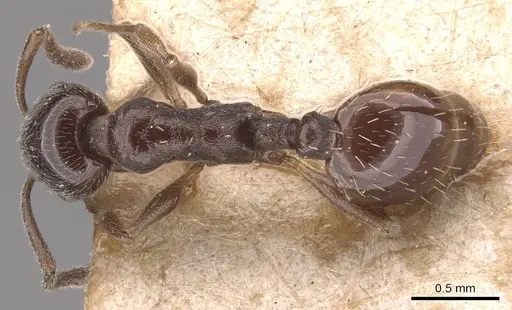
CASENT0906182
View on AntWeb
CASENT0909058
View on AntWeb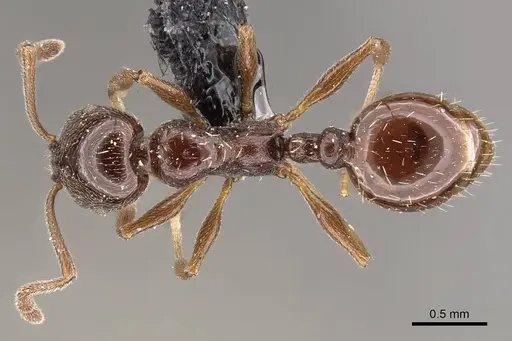
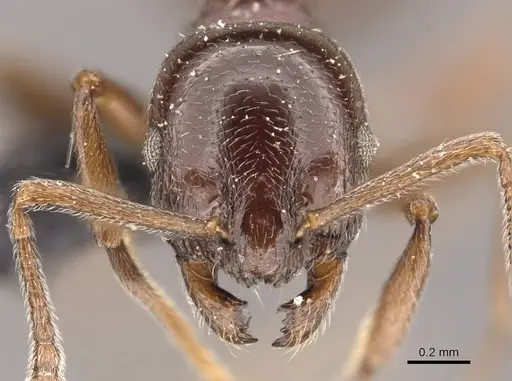
CASENT0917828
View on AntWeb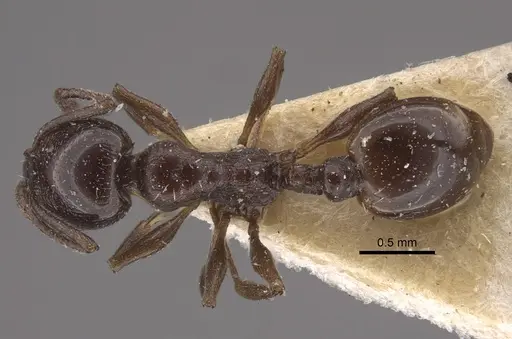
FOCOL0610
View on AntWeb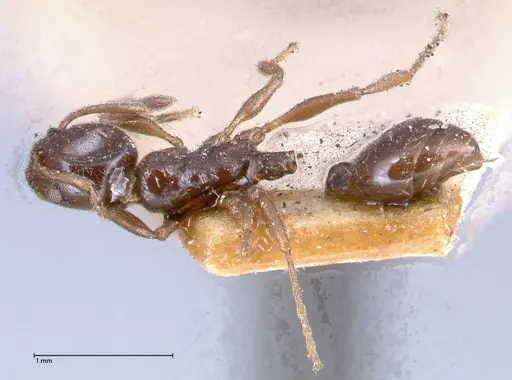
Literature
Loading distribution map...Loading products...