
Temnothorax stenotyle
- Sci. Name
- Temnothorax stenotyle
- Tribe
- Crematogastrini
- Subfamily
- Myrmicinae
- Author
- Cole, 1956
- Distribution
- Found in 1 countries
Introduction
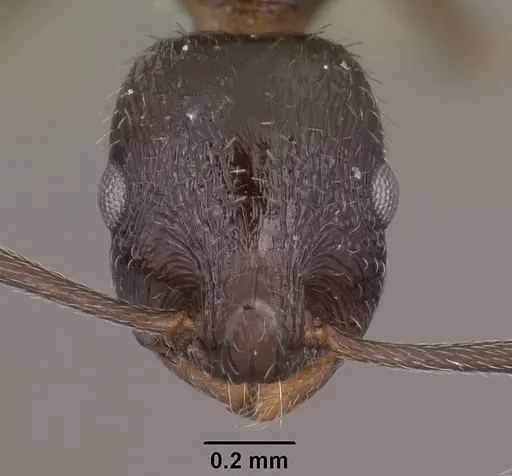
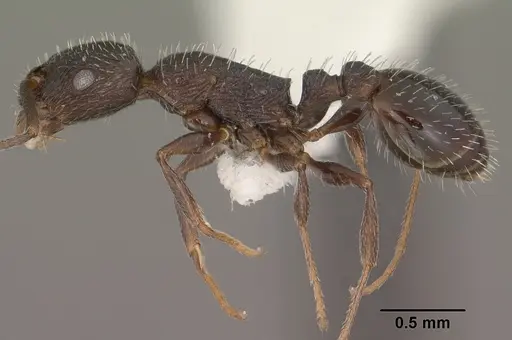
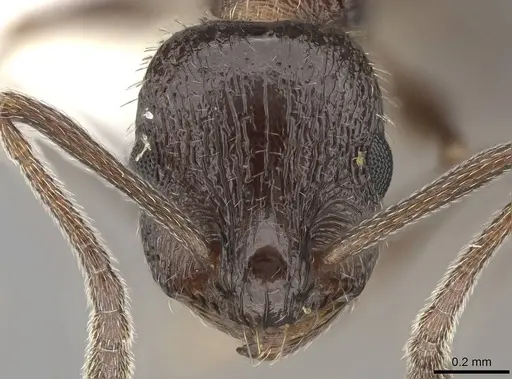
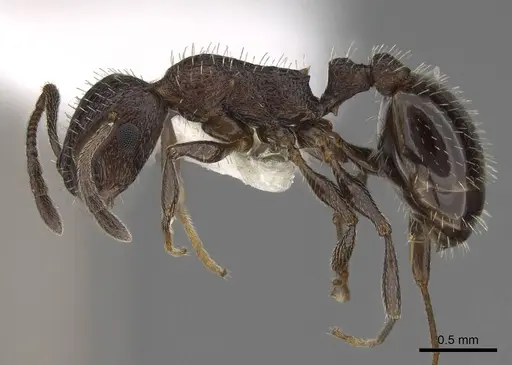
Temnothorax stenotyle is a small, dark ant native to the high-elevation forests of southeastern Arizona, specifically the Chiricahua Mountains. Workers are about 3.55 mm and queens about 4.95 mm, with a deep brownish-black body, coarse sculptural ridges on the head and thorax, and 12-segmented antennae. Their propodeal spines are underdeveloped, appearing as short angles. This species belongs to the tricarinatus-group and tricarinatus-texanus complex . Found under stones on moist, shaded slopes in pine-spruce forests, colonies are small - the type colony had 53 workers, a second nest 53 workers plus two alate females (August) . Due to specific habitat needs it is rarely collected, and like other tribe Crematogastrini members, it defends by smearing venom rather than stinging.
Quick Summary
- Difficulty: Medium
- Origin & Habitat: Southeastern Arizona, Cochise County, Chiricahua Mountains. Nests under stones on moist slopes covered with pine and spruce [3].
- Colony Type: Single-queen colonies (monogyne) based on type colony. Ergatoid replacement reproductives unknown [3].
- Size & Growth:
- Antkeeping:
- Temperature: Given high-elevation mountain habitat, likely prefer moderate temperatures around 20-25°C. Avoid prolonged heat above 28°C [3].
- Humidity: Keep nest substrate consistently moist but not waterlogged. Their natural habitat is moist slopes, so maintain dampness without standing water [3].
- Diapause: Likely required due to temperate origin. Simulate 3-4 months at 10-15°C during winter [3].
- Nesting: Y-tong (AAC) nests with narrow chambers suit their small size, naturalistic setups with flat stones over moist soil also mimic wild conditions.
- Behavior: Calm and docile. Workers are not aggressive and use a smearing venom defense typical of the Crematogastrini tribe. Their tiny size makes escape prevention essential, use fine mesh and seal all gaps. They forage for small prey and likely tend honeydew-producing insects.
- Common Issues: escape prevention is critical due to tiny size, sensitive to drying out, maintain consistent moisture, colony growth is very slow, don't expect rapid expansion, wild colonies are rarely found, so captive breeding may be challenging, overheating can be fatal, keep away from direct heat sources
Housing and Nest Setup
Because Temnothorax stenotyle is tiny, choose a nest with narrow chambers. Y-tong (AAC) formicariums work well, the tight spaces mimic their natural under-stone cavities. A naturalistic setup with a flat stone over moist soil is also appropriate. Start with a test tube for founding, then move to a formicarium once the colony outgrows it, no specific worker number is known, but watch for crowding. Ensure all connections are escape-proof with fine mesh [3].
Feeding and Diet
Like most Temnothorax, T. stenotyle is omnivorous with a preference for protein. Offer small live prey such as fruit flies, pinhead crickets, or small mealworms. They will also accept sugar water or honey water occasionally. Feed small amounts of protein two to three times per week, removing uneaten prey after 24 hours. Remove sugar sources if not consumed within a day to prevent mold [3].
Temperature and Seasonal Care
Maintain temperatures around 20-25°C, reflecting their mountain habitat. Avoid prolonged heat above 28°C. During winter, simulate seasonal cooling by gradually reducing to 10-15°C for three to four months. This cold period likely supports healthy colony cycles and may stimulate reproduction the following spring [3].
Humidity Requirements
Their natural habitat is described as moist slopes, so provide high, consistent humidity. Keep the nest substrate damp to the touch, but avoid standing water. A water tube connected to the formicarium helps maintain humidity. Mist occasionally if the substrate dries, and ensure good ventilation to prevent mold [3].
Colony Growth and Development
Natural colonies are small, the type colony contained 53 workers, and a second nest had 53 workers plus two alate females [3]. Expect similarly slow growth in captivity, do not anticipate rapid expansion. Development timelines are unstudied, but based on related Temnothorax species, brood development may take several weeks. Provide steady conditions to support the small colony size.
Behavior and Temperament
T. stenotyle is a calm, non-aggressive species. Their defense mechanism, common to the Crematogastrini tribe, involves smearing venom onto enemies rather than stinging. Workers are not known to inflict a painful sting. Their small size (around 3.5 mm) makes excellent escape prevention mandatory: use fine mesh and check all seals regularly. They forage for tiny prey and likely tend honeydew-producing insects in the wild. [3]
Frequently Asked Questions
How long does it take for Temnothorax stenotyle to raise their first workers?
This is unknown for this species specifically. Based on related Temnothorax ants at 20-24°C, development might take several weeks, but no research data is available for T. stenotyle.
What do Temnothorax stenotyle ants eat?
They are omnivorous but prefer protein. Feed live prey like fruit flies, pinhead crickets, or small mealworms. Offer sugar water or honey water occasionally. Remove uneaten food quickly to prevent mold [3].
Do Temnothorax stenotyle ants sting?
They belong to the Crematogastrini tribe, which uses a smearing defense, venom is wiped onto the enemy rather than injected via a sting. As a result, their sting is not considered painful to humans.
How big do Temnothorax stenotyle colonies get?
Natural colonies contain up to about 55 workers [3]. In captivity, the maximum is uncertain, but expect similarly small colonies.
Can I keep multiple Temnothorax stenotyle queens together?
This species appears to be monogyne, only one queen per colony. Combining unrelated queens is likely to cause fighting [3].
Do Temnothorax stenotyle ants need hibernation?
Yes, they likely require a winter dormancy period. Reduce temperatures to 10-15°C for 3-4 months to simulate their natural seasonal cycle in the Chiricahua Mountains [3].
What is the best nest type for Temnothorax stenotyle?
Y-tong (AAC) nests with narrow chambers are ideal. A naturalistic setup with a flat stone over moist soil also works well, mimicking their under-stone habitat.
Are Temnothorax stenotyle ants good for beginners?
They are rated Medium difficulty. Their tiny size, specific moisture needs, and slow colony growth make them better suited for keepers with some experience with small ant species.
Why are my Temnothorax stenotyle ants dying?
Common causes include overheating (keep below 28°C), low humidity (maintain damp substrate), escape through tiny gaps, or lack of protein. Wild-caught colonies may also carry parasites.
When should I move my colony to a formicarium?
No specific worker number is established. Move them when the test tube becomes crowded, likely after the first workers appear. Y-tong nests are recommended.
What temperature do Temnothorax stenotyle ants need?
Aim for 20-25°C. Avoid prolonged temperatures above 28°C. They come from cool mountain forests and do not tolerate heat well [3].
Where is Temnothorax stenotyle found in the wild?
It is endemic to the Chiricahua Mountains in Cochise County, southeastern Arizona. Nests occur under stones on moist, shaded slopes with pine and spruce [3].
Report an Issue
The current care sheet is based fully on literature. See inconsistencies, or something that's incorrect? Please , it will be resolved after review from an admin. Contributing to the blogs tab also helps providing information, to make us be able to further improve the caresheets. Thank you for your support!
References

This caresheet is licensed under CC BY-SA 4.0 .
Community Blogs
CASENT0102844
View on AntWeb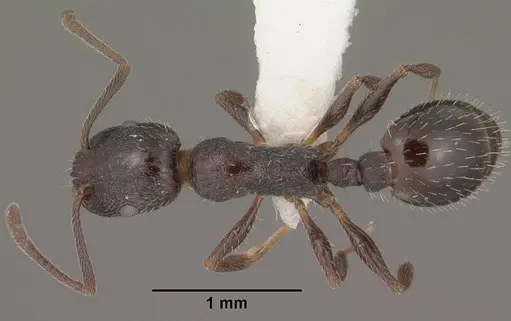
CASENT0922576
View on AntWeb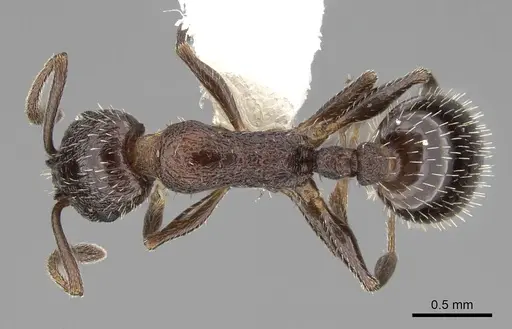
Literature
Loading distribution map...Loading products...