
Temnothorax spinosus
- Sci. Name
- Temnothorax spinosus
- Tribe
- Crematogastrini
- Subfamily
- Myrmicinae
- Author
- Forel, 1909
- Distribution
- Found in 2 countries
Introduction
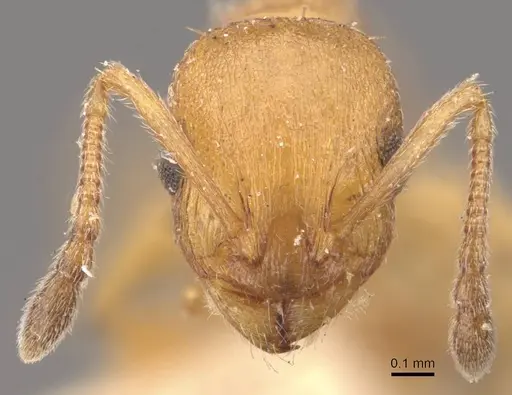
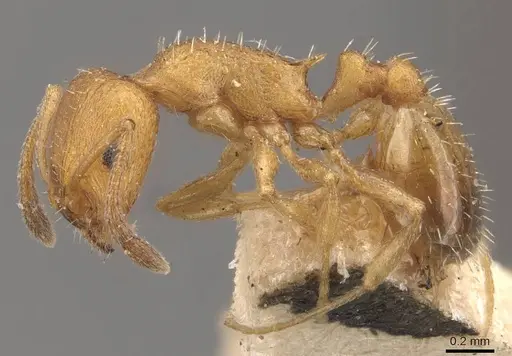
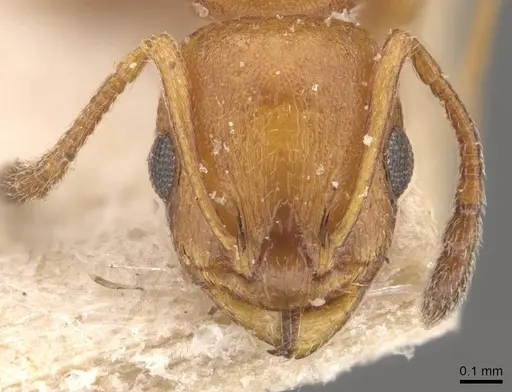
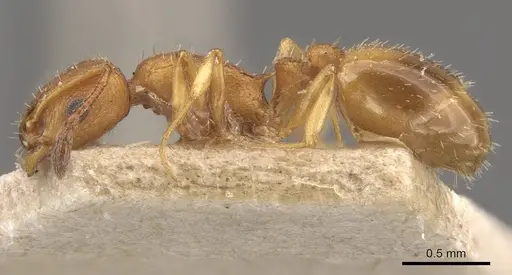
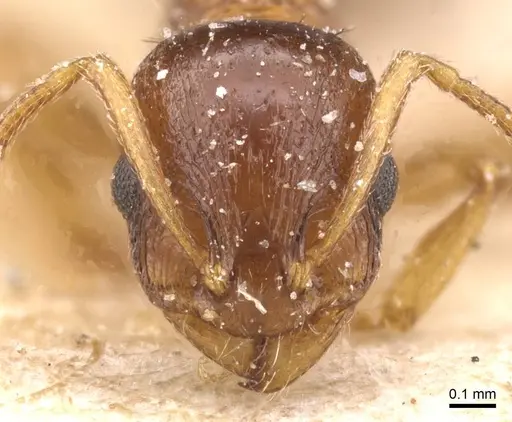
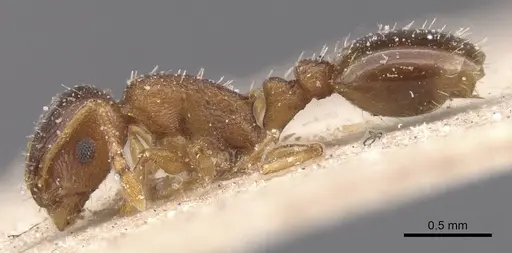
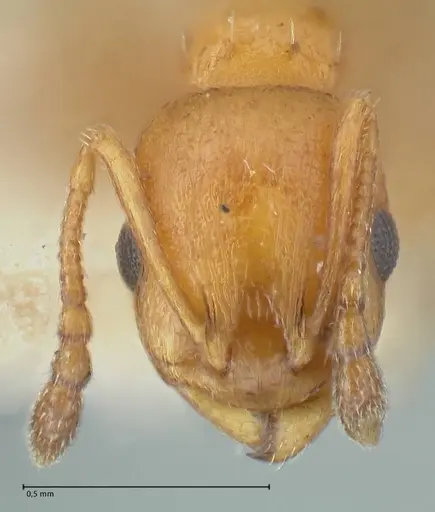
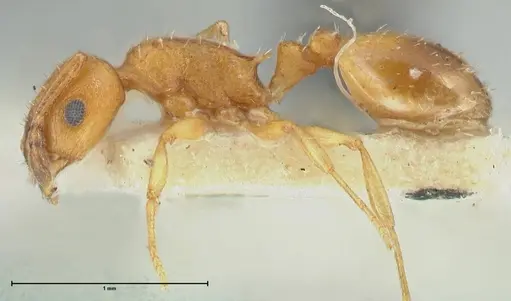
Temnothorax spinosus is a small myrmicine ant native to the Maghreb region of North Africa, found in Algeria and Morocco . It belongs to the 'tuberum' group and is common in oak forests and cedar forests (Cédraies) around Azrou and Ifrane, where it was one of the most abundant species in surveys . Workers are small, dark brown to black, with lighter legs and antennae. The species was originally described by Forel in 1909 and has had a complex taxonomic history, once placed in the genus Chalepoxenus . Like other members of the tribe Crematogastrini, it uses a smear defense mechanism, applying venom with a modified spatulate stinger rather than piercing.
Quick Summary
- Difficulty: Easy
- Origin & Habitat: Maghreb endemic (Algeria and Morocco), found in forest habitats including oak forests and Cédraies (cedar forests) in the Middle and High Atlas mountains [2][4]. It has also been recorded in the Maâmora forest and at El Jadida on the Atlantic coast, and in the Rif mountains [2].
- Colony Type: Unconfirmed, based on typical Temnothorax patterns, likely monogyne (single queen). No ergatoid replacement reproductives are known.
- Size & Growth:
- Queen: ~4-5mm, inferred from Temnothorax genus range
- Worker: ~2-4mm, inferred from Temnothorax genus range
- Colony: Unknown, typical Temnothorax colonies seldom exceed a few hundred workers
- Growth: Moderate (estimated)
- Development: Estimated 6-8 weeks at typical keeping temperatures (based on small Myrmicinae patterns) (Development time is estimated, as species-specific data is not available. Temperature and feeding will affect speed.)
- Antkeeping:
- Temperature: Prefer moderate temperatures, around 18-24°C. Avoid overheating, this is a temperate-adapted mountain species [2].
- Humidity: Moderate humidity, keep the nest substrate slightly moist but not waterlogged. A gradient with a drier area is recommended.
- Diapause: Likely required, inferred from temperate Maghreb origin. Reduce to 10-15°C for 2-3 months (November-February) if colony health declines without it.
- Nesting: Y-tong (AAC) nests or test tube setups with small chambers work best. Naturalistic setups with bark, stones, or rotting wood mimic their natural microhabitat. Avoid large open spaces.
- Behavior: Peaceful and non-aggressive. Workers are small but active foragers, they may use tandem running to recruit nestmates. Due to their tiny size, escape prevention is critical. They are not known to sting and pose no danger to keepers. Smear defense with venom application is the primary defensive mechanism.
- Common Issues: escape prevention is critical due to their very small size, they can slip through gaps as small as 0.5mm, colonies are small and growth is slow, patience is needed, especially for beginners, overheating is a common mistake, they prefer cooler temperatures than many room-tropical species, wild-caught colonies may carry parasites or be stressed, quarantine new colonies, test tube flooding can drown small colonies, check water levels regularly
Housing and Nest Setup
Temnothorax spinosus is small and does best in compact nests with tight chambers. A test tube setup works well for founding colonies, use a test tube one-third filled with water, sealed with cotton, and place the queen inside. For established colonies, Y-tong (AAC) nests or small 3D-printed nests with chambers ~3-5mm high are ideal. Avoid large acrylic nests with cavernous spaces, these tiny ants prefer snug, dark crevices. Naturalistic setups with flat stones over moist soil can replicate their forest-floor nesting sites. Due to their small size (2-4mm), escape prevention is essential. Use fine mesh (under 0.5mm openings) or petroleum jelly barriers around the outworld. Cotton plugs must be tight and without gaps. [1]
Feeding and Diet
Temnothorax spinosus is omnivorous. Offer small protein sources like fruit flies, small crickets, or tiny mealworms. Sugar water or honey water (on a small piece of foil) provides needed carbohydrates. In the wild, they likely forage for small arthropods and tend aphids for honeydew. Feed founding colonies a single small prey item every 2-3 days, established colonies can be fed 2-3 times per week. Remove uneaten prey after 48 hours to prevent mold. A varied diet is best for colony health.
Temperature and Seasonal Care
This species comes from the Maghreb mountains, where summers are warm and winters cool. Keep the nest at a stable 18-24°C, with 20-22°C ideal for brood development. Avoid heat, they are not tropical and can die if overheated. During winter, a diapause period (2-3 months at 10-15°C) may be beneficial, though not confirmed for this species. If the colony slows down or stops brood production in late autumn, reduce temperature gradually. Stop feeding during deep hibernation. Bring them back to room temperature slowly in spring to trigger activity [2].
Colony Growth and Development
Colony growth is moderate, taking 1-2 years to reach a stable working population. The queen lays eggs after founding, and the first workers (nanitics) will be smaller than mature workers. Growth depends on consistent feeding and stable conditions. Expect egg-to-worker development around 6-8 weeks at 20-22°C (estimated from typical small Myrmicinae). A healthy colony will maintain brood year-round if kept warm, but may pause in winter if given a diapause period. The queen can live for several years, but worker lifespans are relatively short (months).
Behavior and Temperament
Temnothorax spinosus is a peaceful, non-aggressive ant. Workers are active foragers and may use tandem running to lead nestmates to food. They are not known to sting, if threatened, they flee rather than fight. Their small size makes them vulnerable in mixed-species setups, so keep them separate from larger, aggressive ants. They are diurnal and will be most active during daylight hours. The smear defense mechanism (applying venom topically) is effective against other insects but harmless to humans.
Frequently Asked Questions
Can I keep Temnothorax spinosus in a test tube?
Yes, test tubes work perfectly for founding colonies. Use a small test tube with a water reservoir separated by cotton. The queen will initially be stressed but should settle in the dark tube. Move to a Y-tong or small acrylic nest when the colony reaches about 20 workers.
How long does it take for the first workers to emerge?
Estimates suggest 6-8 weeks from egg to first worker at optimal temperature (around 20-22°C). This is based on typical Temnothorax patterns, as species-specific data is not available. The first workers will be smaller than mature ones.
Do Temnothorax spinosus ants sting?
No, they do not sting humans. They belong to the Crematogastrini tribe, which uses a smear defense, venom is applied topically, not injected. They are completely harmless to keepers.
What temperature do they need?
Keep at 18-24°C, with 20-22°C ideal. Avoid high temperatures, this species is native to mountain forests in North Africa and prefers cool conditions [2].
Do they need hibernation?
Likely yes, as their natural habitat has cool winters. If the colony slows down in winter, reduce temperature to 10-15°C for 2-3 months. This is inferred from their origin, not confirmed by research.
Are they good for beginners?
Yes, due to their peaceful nature and simple needs. However, their small size and slow growth require patience. Escape prevention is the main challenge.
How big do colonies get?
Colony size is not documented in research. Based on typical Temnothorax, they likely reach no more than a few hundred workers. They are not a large-colony species.
What do they eat?
Omnivorous, offer small insects (fruit flies, small crickets) for protein and sugar water or honey water for carbohydrates. A varied diet is best.
When should I move them to a formicarium?
Move from a test tube to a proper nest when the colony has around 20 workers. Choose a small nest with chambers scaled to their size.
Why are my ants escaping?
Their tiny size lets them slip through very small gaps. Seal all openings with fine mesh (under 0.5mm), use tight cotton plugs, and apply fluon or petroleum jelly barriers around the outworld rim.
Report an Issue
The current care sheet is based fully on literature. See inconsistencies, or something that's incorrect? Please , it will be resolved after review from an admin. Contributing to the blogs tab also helps providing information, to make us be able to further improve the caresheets. Thank you for your support!
References

This caresheet is licensed under CC BY-SA 4.0 .
Community Blogs
CASENT0906173
View on AntWeb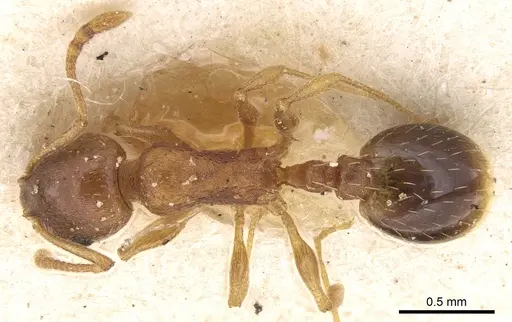
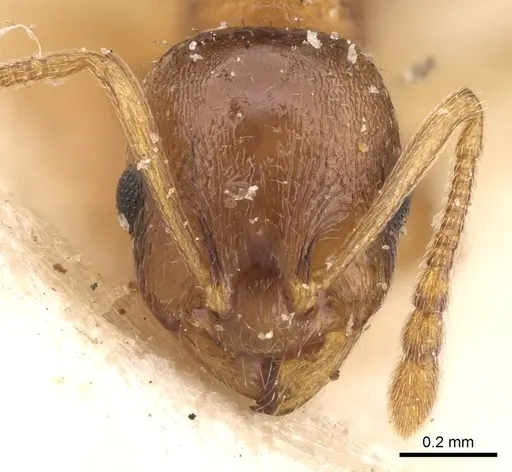
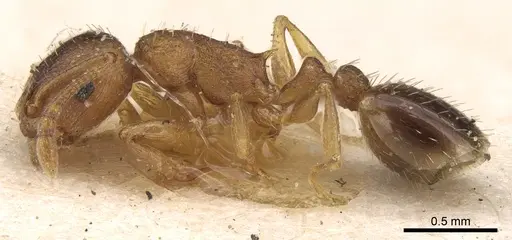
CASENT0909045
View on AntWeb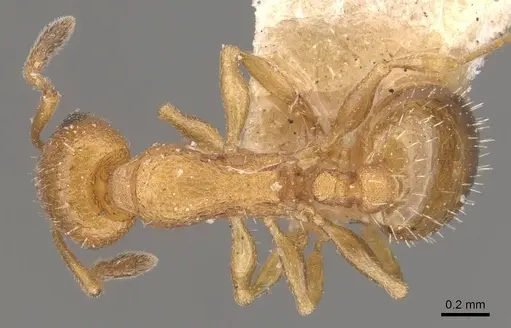
CASENT0909046
View on AntWeb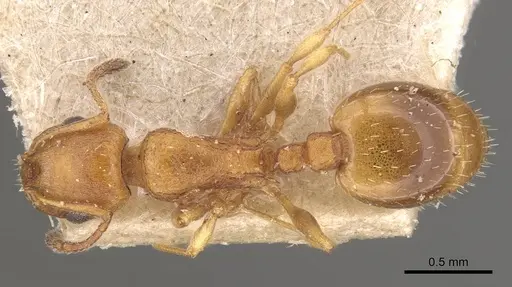
CASENT0912963
View on AntWeb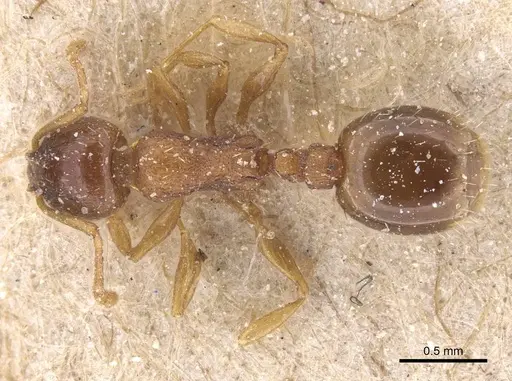
FOCOL2004
View on AntWeb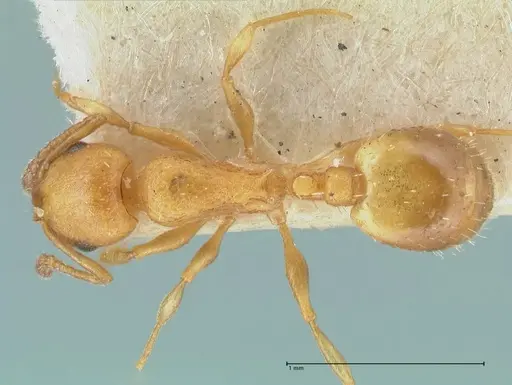
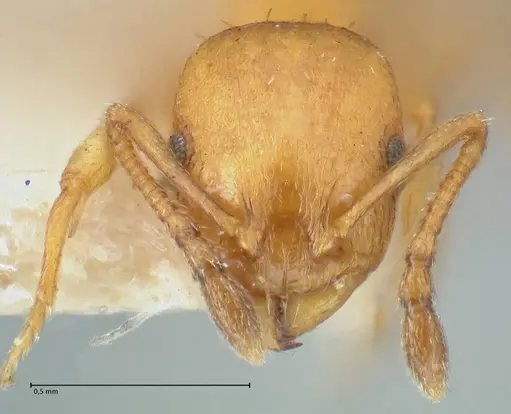
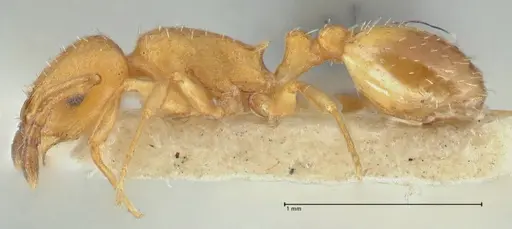
FOCOL2005
View on AntWeb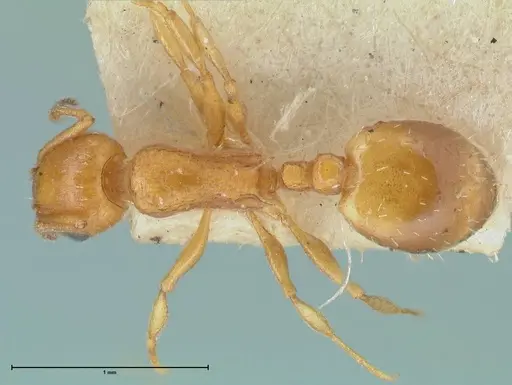
Literature
Loading distribution map...Loading products...