
Temnothorax spinosior
- Sci. Name
- Temnothorax spinosior
- Tribe
- Crematogastrini
- Subfamily
- Myrmicinae
- Author
- Forel, 1901
- Distribution
- Found in 2 countries
Introduction
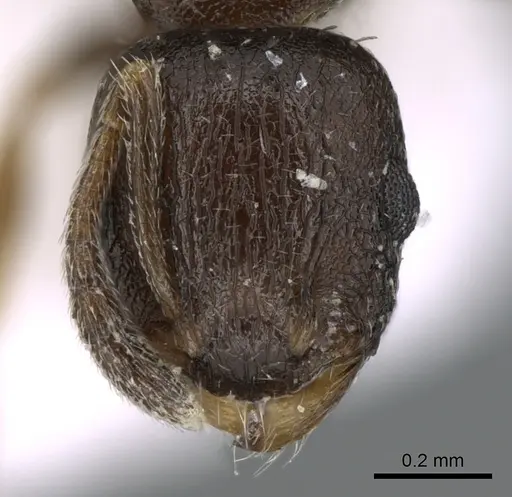
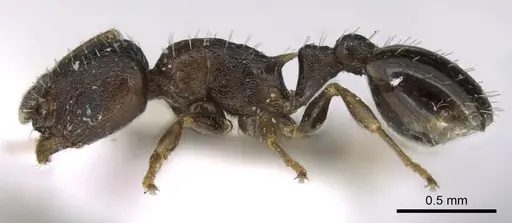
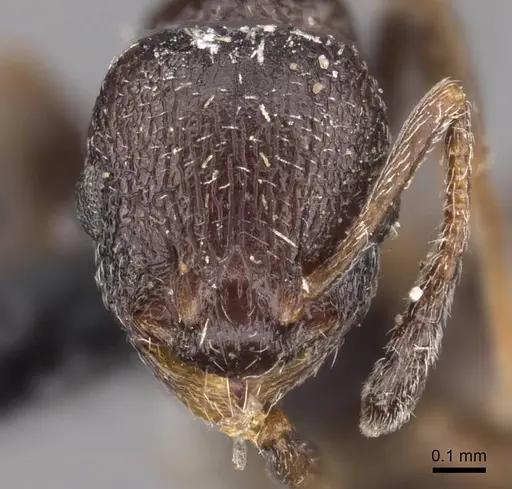
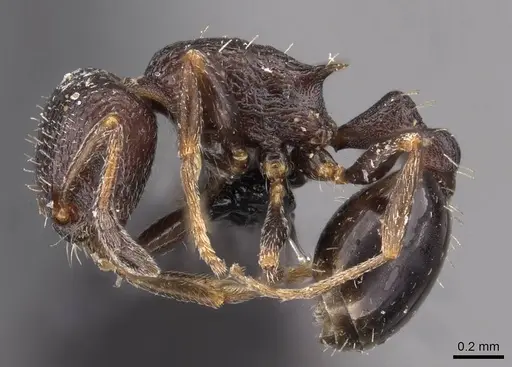
Temnothorax spinosior is a tiny ant native to East Asia, found across Japan, Korea, and northern China . Workers are around 2mm long and dark brown to black, with long, sharp propodeal spines that curve downward . They prefer dry open habitats like grasslands and bare ground areas, where they nest directly in soil . This species is notable for its queen size dimorphism: larger queens are typically found in single-queen colonies, while smaller queens are found in multi-queen colonies . Research has shown that these ants navigate primarily by light intensity rather than color, making them color blind in the tested sense .
Quick Summary
- Difficulty: Easy
- Origin & Habitat: Native to East Asia – Japan, Korean Peninsula, and northern China. Found in dry open areas like grasslands and bare places, nesting in soil [1][3].
- Colony Type: Facultatively polygynous – colonies can have either a single queen (monogyne) or multiple queens (polygyne). Queen size correlates with colony structure: larger queens are typically found in single-queen colonies while smaller queens are found in multi-queen colonies [3].
- Size & Growth:
- Queen: Estimated ~5-6mm based on genus patterns and documented queen size dimorphism [3]
- Worker: Around 2mm [3]
- Colony: Up to several hundred workers (typical for Temnothorax)
- Growth: Moderate
- Development: 6-10 weeks (estimated, based on typical Temnothorax development) (Temperature-dependent – warmer conditions within acceptable range may speed development.)
- Antkeeping:
- Temperature: Keep at 22-26°C – they prefer warm, stable conditions typical of their dry grassland habitat. Provide a gentle gradient for self-regulation [1].
- Humidity: Moderate to low – they prefer drier conditions. Keep nest substrate lightly moist but allow it to partially dry between waterings. Avoid waterlogging [1].
- Diapause: Yes – likely requires winter dormancy of 2-3 months at reduced temperatures (around 10-15°C), consistent with their temperate East Asian distribution [1][3].
- Nesting: Naturalistic setups with soil or plaster work well since they nest in soil in the wild. Y-tong (AAC) nests with small chambers also work. Avoid large open spaces – they prefer snug chambers scaled to their tiny size [1].
- Behavior: Generally calm and non-aggressive. Workers forage on the ground and rarely climb vegetation. They do not establish permanent foraging trails – each journey uses new paths [4]. They navigate using light direction and intensity rather than color or scent trails. Escape prevention is critical due to their 2mm size.
- Common Issues: escape prevention is critical due to their tiny 2mm size – they can squeeze through standard gaps easily, colonies may fail if kept too damp – they prefer drier conditions than many Myrmicinae, slow initial growth during founding can lead to overfeeding or disturbance – be patient, winter dormancy is likely required – colonies kept active year-round may decline, wild-caught colonies may carry parasites that can devastate captive colonies
Housing and Nest Setup
Temnothorax spinosior does well in naturalistic setups with soil or in Y-tong (AAC) nests. In the wild, they nest directly in soil in dry, open areas, so a dirt formicarium or a plaster nest with moderate moisture works well [1]. Because workers are only about 2mm, ensure any gaps are very small – these ants can escape through surprisingly tight spaces. A test tube setup works for founding, but transfer to a more spacious formicarium once the colony grows to several workers. They do not need tall nests – they are ground-dwelling and prefer horizontal chambers.
Feeding and Diet
Like most Temnothorax, these ants are omnivorous. Offer sugar sources like honey water or sugar water regularly, along with small protein sources such as fruit flies, small mealworms, or tiny crickets. They forage on the ground in the wild, so place food on the foraging area rather than deep in the nest. Feed small amounts that can be consumed within a day or two to avoid mold.
Temperature and Seasonal Care
Maintain temperatures between 22-26°C for optimal colony development. They come from temperate regions of East Asia and will benefit from a winter rest period. During winter (roughly November through February), reduce temperatures gradually to around 10-15°C over 1-2 weeks to simulate natural seasonal cycles. This dormancy period is important for colony health and may trigger reproductive behavior in spring. Avoid temperatures below 5°C or above 30°C [1][3].
Behavior and Observation
This species is known for its unique navigation behavior – research shows they navigate primarily by light intensity and direction rather than by color or scent trails [4][5]. They do not establish permanent foraging paths. When returning home, they rely heavily on the brightest light source. This makes them fascinating to observe but means they can become confused if lighting conditions change abruptly during foraging. Workers are docile and rarely aggressive toward keepers. They are ground-dwelling and seldom climb on vegetation in the wild.
Colony Structure and Queen Care
Temnothorax spinosior exhibits queen size dimorphism – larger queens are typically found in single-queen colonies while smaller queens are found in multi-queen colonies [3]. This means your colony may have one queen or several depending on the founding queen's size. If you have a large queen, expect a single-queen colony. If you have multiple queens, they may coexist, though careful observation is recommended as the founding process is not well documented for this species.
Frequently Asked Questions
How long does it take for Temnothorax spinosior to produce first workers?
Expect first workers (nanitics) to emerge in 6-10 weeks under optimal conditions (around 24-26°C). This is typical for Temnothorax species. The exact timing depends on temperature – warmer conditions within their range speed development, while cooler temperatures slow it down.
Do Temnothorax spinosior ants need hibernation?
Yes, they likely require a winter dormancy period of 2-3 months. Since they originate from temperate East Asia (Japan, Korea, northern China), they are adapted to seasonal temperature changes. Reduce temperatures gradually to around 10-15°C during winter months (roughly November-February) to maintain colony health [1][3].
Can I keep multiple queens together in one colony?
This species is facultatively polygynous, meaning it can form both single-queen and multi-queen colonies. The queen size determines colony structure – larger queens tend to establish single-queen colonies while smaller queens are found in multi-queen colonies. If combining unrelated foundresses, monitor for aggression as they may fight initially [3].
What do Temnothorax spinosior ants eat?
They are omnivorous. Offer sugar water or honey regularly as an energy source, and provide small protein sources like fruit flies, small mealworms, or tiny crickets. Place food on the foraging area since they forage on the ground. Remove uneaten food after 24-48 hours to prevent mold.
Are Temnothorax spinosior ants good for beginners?
Yes, they are considered an easy species to keep. They are small, docile, and have straightforward care requirements. The main challenges are escape prevention (due to their tiny 2mm size) and providing appropriate winter dormancy. They are forgiving of minor temperature fluctuations and do not require complex setups.
How big do Temnothorax spinosior colonies get?
Based on typical Temnothorax patterns, colonies likely reach several hundred workers at maturity. Growth is moderate – expect 6-10 weeks to first workers, then several months to reach 50+ workers, and potentially a year or more to reach full colony size.
Do Temnothorax spinosior ants sting?
As members of Myrmicinae (tribe Crematogastrini), they have a modified stinger used for smearing venom rather than piercing. They are very docile and unlikely to bother keepers. Their tiny 2mm size means any sting would be minimal. They are not considered dangerous.
When do Temnothorax spinosior nuptial flights occur?
Nuptial flights occur in July according to documented observations in Japan [3]. This is typical for temperate East Asian Temnothorax species. If you are breeding colonies, timing mating flights to late June through early July aligns with their natural reproductive season.
Why are my Temnothorax spinosior ants dying?
Common causes include: too much moisture (they prefer drier conditions), escape through small gaps due to their tiny size, lack of winter dormancy, or parasites from wild-caught colonies. Check that humidity is moderate, not high. Ensure all seams and gaps are sealed. If the colony was wild-caught, isolate and monitor for signs of parasitic infection.
What is the best nest type for Temnothorax spinosior?
Naturalistic setups with soil or plaster work best since they nest in soil in the wild. Y-tong (AAC) nests with small chambers also work well. Avoid large, open spaces – they prefer tight, snug chambers scaled to their tiny 2mm size. Ensure the nest can hold slight moisture without becoming waterlogged [1].
Report an Issue
The current care sheet is based fully on literature. See inconsistencies, or something that's incorrect? Please , it will be resolved after review from an admin. Contributing to the blogs tab also helps providing information, to make us be able to further improve the caresheets. Thank you for your support!
References

This caresheet is licensed under CC BY-SA 4.0 .
Community Blogs
CASENT0906180
View on AntWeb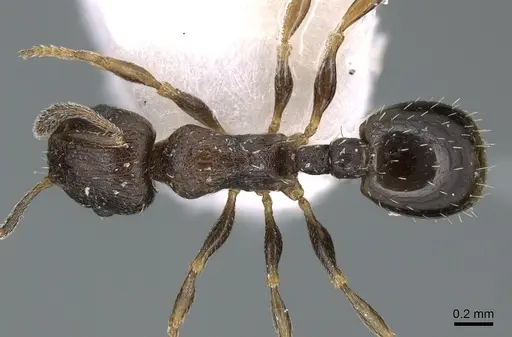
CASENT0909021
View on AntWeb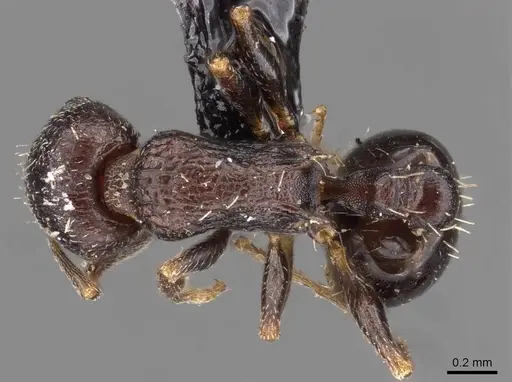
Literature
Loading distribution map...Loading products...