
Temnothorax salvini
- Sci. Name
- Temnothorax salvini
- Tribe
- Crematogastrini
- Subfamily
- Myrmicinae
- Author
- Forel, 1899
- Distribution
- Found in 6 countries
Introduction
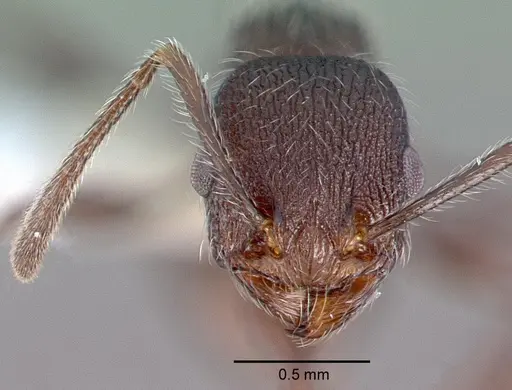
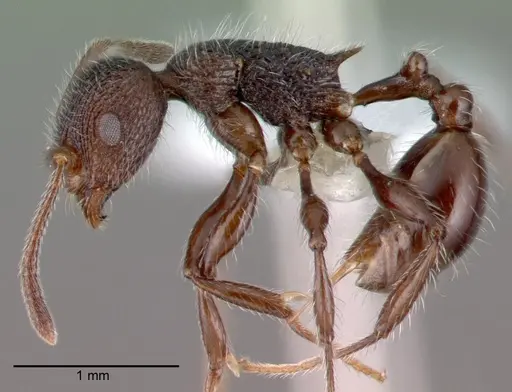
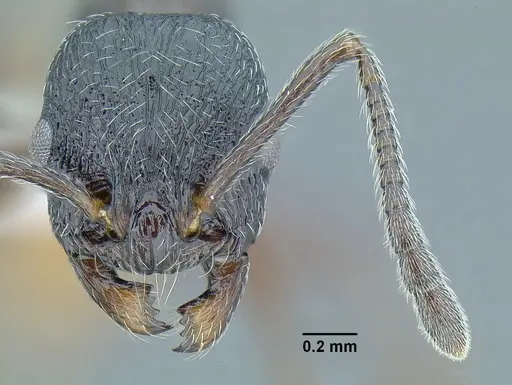
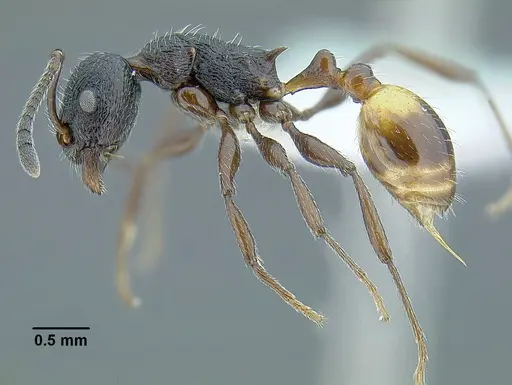
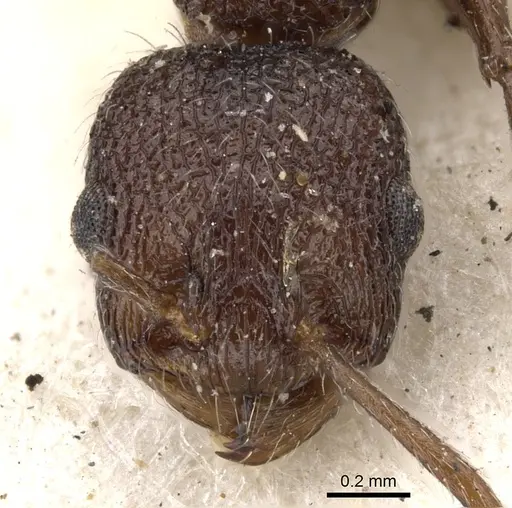
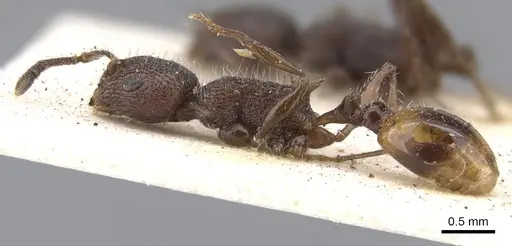
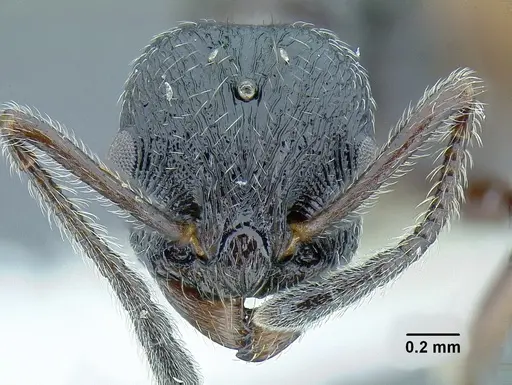
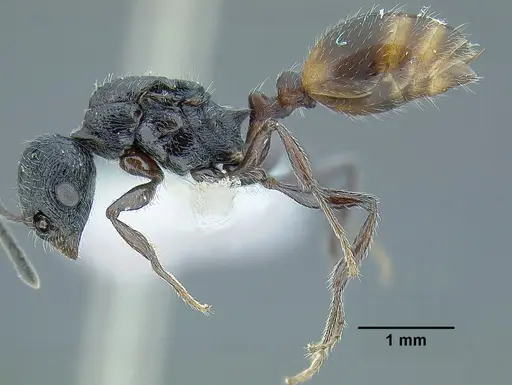
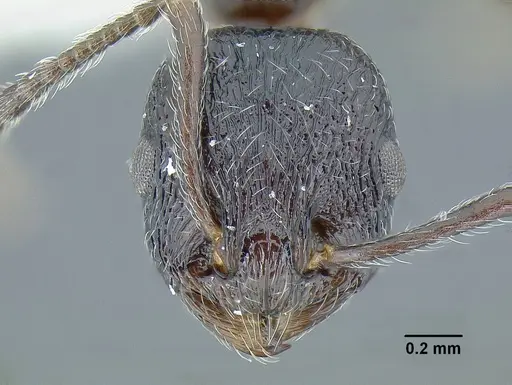
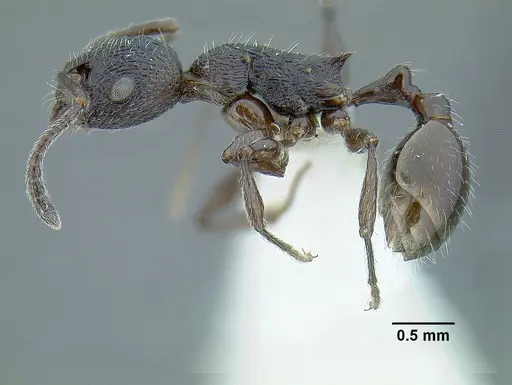
Temnothorax salvini is a small, dark-colored ant from the cloud forests of Central America. Their head and body are nearly black, while antennae, legs, and waist segments are lighter testaceous . They are found from Costa Rica to Panama, primarily in mid-to-high elevation cloud forests above 1,500 meters, and are believed to be arboreal nesters . All documented nest collections contained a single queen, indicating strict monogyny . This species is part of the salvini clade, a Mesoamerican radiation within the genus Temnothorax that diversified starting in the early Oligocene .
Quick Summary
- Difficulty: Medium
- Origin & Habitat: Native to Central America (Costa Rica, Guatemala, Honduras, Mexico, Panama). Inhabits mid-to-high elevation cloud forests, typically above 1,500 m. Believed to be an arboreal nester, nesting in dead twigs, hollow vines, or under epiphyte roots [1][2].
- Colony Type: Strictly monogyne, each colony has a single queen, as confirmed by all nest collections [2].
- Size & Growth:
- Queen: size data unavailable
- Worker: size data unavailable
- Colony: unknown, not documented in research
- Growth: moderate, inferred from related Temnothorax species
- Development: estimated 6-8 weeks based on typical Temnothorax development (No specific data for T. salvini, timeline inferred from genus.)
- Antkeeping:
- Temperature: Maintain warm, stable temperatures reflecting cloud forest habitat. Probably around 22-26°C, but no exact data. Avoid prolonged temperatures below 20°C or above 30°C.
- Humidity: High humidity required, aim for moist substrate and good ventilation. Cloud forests are perpetually damp. Keep nest substrate consistently moist but not waterlogged.
- Diapause: No, tropical species, no evidence of diapause. Keep warm year-round.
- Nesting: Arboreal nester [1]. Provide small cavities: dead twigs, hollow vines, or Y-tong/formicarium with narrow chambers scaled to their tiny size. Avoid large open spaces.
- Behavior: Peaceful and non‑aggressive. Forages actively in vegetation. Their small size makes escape prevention critical, use fine mesh (
- Common Issues: escape prevention is critical due to very small size, they can squeeze through tiny gaps., high humidity needs can lead to mold if ventilation is poor, balance moisture and airflow., wild‑caught colonies may harbor parasites., temperatures below 20°C may cause decline, keep warm and stable.
Housing and Nest Setup
Temnothorax salvini is an arboreal nesting species, so your setup should reflect their natural preference for small cavities. In the wild, they nest in dead twigs, hollow vines, and under the roots of epiphytes in cloud forests [1][2]. For captivity, a Y-tong (AAC) nest or plaster formicarium with narrow chambers works best. The chambers should be scaled to their tiny worker size, tight spaces help them feel secure. A test tube setup can work for founding colonies, but monitor humidity carefully as test tubes can flood or dry out. If using a naturalistic setup, provide small dead twigs or cork bark pieces as nesting material. Always use excellent escape prevention, these tiny ants can slip through gaps that larger species cannot. Apply fluon to any edges or use fine mesh (at least 0.5mm) on any ventilation holes.
Temperature and Humidity
Being from Central American cloud forests, T. salvini needs warm and humid conditions. Keep temperatures in the range of 22-26°C, this mimics the stable, warm climate of their natural habitat at higher elevations. Avoid temperatures below 20°C, as prolonged cold can weaken or kill colonies. For humidity, aim for moist conditions: cloud forests are perpetually damp, so these ants have not adapted to dry conditions. Keep the nest substrate consistently moist but not waterlogged. You can achieve this by using a water reservoir connected to the nest or by misting regularly and monitoring with a hygrometer. Good ventilation is still necessary to prevent mold, but avoid excessive airflow that dries the nest out. [2]
Feeding and Diet
Like other Temnothorax species, T. salvini is likely omnivorous with a preference for protein. Offer small protein sources such as fruit flies, small crickets, mealworms, or other appropriately-sized insects. They will also accept sugar sources like honey water or sugar water, especially when the colony grows larger. In their natural cloud forest habitat, they likely forage for honeydew from aphids and scale insects, so sugar sources are important for energy. Feed small amounts every 2-3 days and remove any uneaten food to prevent mold. A constant supply of sugar water is recommended for established colonies.
Colony Development
Temnothorax salvini colonies are strictly monogyne, meaning each colony has a single queen [2]. This was confirmed in all documented nest collections from the wild. The founding behavior (e.g., claustral or semi‑claustral) is unconfirmed because no direct observations have been published. First workers (nanitics) will be smaller than mature workers. Based on typical Temnothorax development, expect the first workers to emerge 6-8 weeks after the queen lays eggs, assuming optimal temperatures around 26°C. Colony growth is moderate, these ants do not produce massive colonies like some Myrmicinae, and maximum size is unknown. Be patient during the founding phase as the colony is most vulnerable at this stage.
Seasonal Care
As a tropical species from Central American cloud forests, T. salvini does not require diapause or winter hibernation. Maintain consistent temperatures year-round without seasonal drops. The cloud forest environment they come from is relatively stable climatically, so they have not evolved adaptations for cold periods. Do not attempt to cool the colony for winter, this can be fatal. Simply maintain the same care routine throughout the year. If your room temperature naturally fluctuates with seasons, use a heating mat or thermostat to keep conditions stable.
Frequently Asked Questions
How long does it take for Temnothorax salvini to produce first workers?
No specific data exists for T. salvini. Based on related Temnothorax, first workers may emerge roughly 6-8 weeks after egg-laying at warm temperatures (around 26°C).
What size colony does Temnothorax salvini reach?
Unknown, colony size has not been documented in research. Related Temnothorax species often have colonies of a few hundred workers at most.
Can I keep multiple Temnothorax salvini queens together?
No, T. salvini is strictly monogyne, meaning each colony has only one queen. All documented wild colonies had a single dealate queen [2]. Combining unrelated queens is not recommended and would likely result in fighting.
Do Temnothorax salvini ants sting?
Temnothorax ants have a functional stinger, though their small size means the sting is mild. No specific records exist for T. salvini, but they are not aggressive and will only sting if directly threatened.
What temperature is best for Temnothorax salvini?
Aim for warm, stable conditions around 22-26°C. This tropical species from Central American cloud forests needs warmth year-round. Avoid temperatures below 20°C.
Are Temnothorax salvini good for beginners?
This species is rated as medium difficulty. While not the hardest ant to keep, their high humidity requirements and small size make them better suited for keepers who already have some experience with humidity‑dependent species.
What do Temnothorax salvini eat?
They are omnivorous. Offer small protein sources like fruit flies, small crickets, or mealworms. They also accept sugar sources like honey water or sugar water. Feed every 2-3 days with small amounts.
Do Temnothorax salvini need hibernation?
No, being a tropical species, they do not require diapause or winter rest. Maintain consistent warm temperatures year-round.
Why are my Temnothorax salvini escaping?
Their very small size means they can slip through tiny gaps. Use excellent escape prevention, apply fluon to edges, use fine mesh (0.5mm or smaller) on any openings, and ensure all connections are sealed tightly.
When should I move my colony to a formicarium?
Wait until the colony is established with at least a handful of workers before moving from a test tube setup. Temnothorax prefer tight spaces, so ensure the formicarium chambers are appropriately sized, too large spaces can stress them.
Report an Issue
The current care sheet is based fully on literature. See inconsistencies, or something that's incorrect? Please , it will be resolved after review from an admin. Contributing to the blogs tab also helps providing information, to make us be able to further improve the caresheets. Thank you for your support!
References

This caresheet is licensed under CC BY-SA 4.0 .
Community Blogs
CASENT0010847
View on AntWeb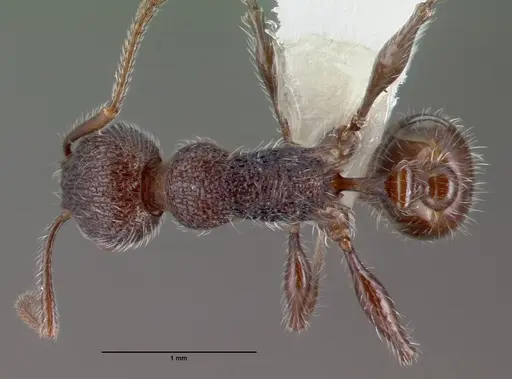
CASENT0756074
View on AntWeb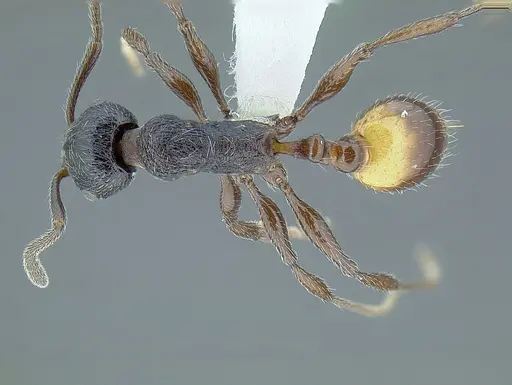
CASENT0901796
View on AntWeb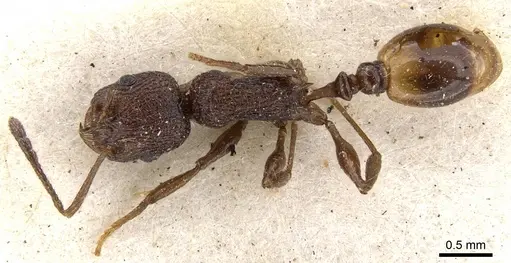
CASENT0908989
View on AntWeb
JTLC000001501
View on AntWeb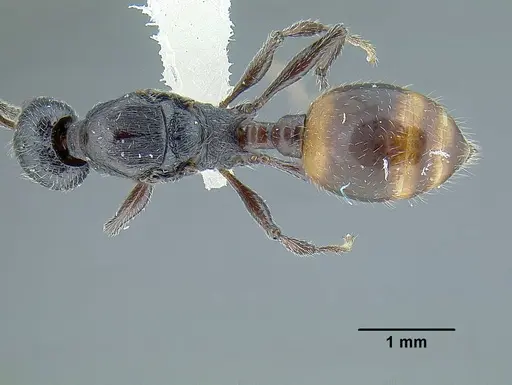
LACMENT323467
View on AntWeb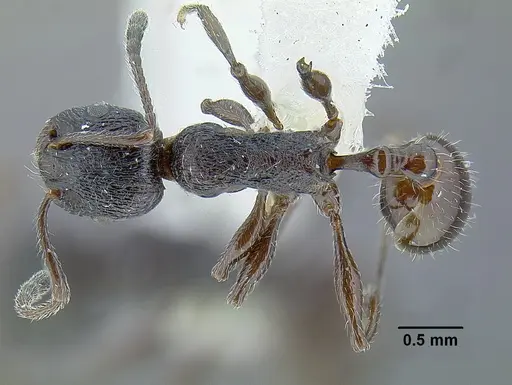
Literature
Loading distribution map...Loading products...