
Temnothorax platycephalus
- Sci. Name
- Temnothorax platycephalus
- Tribe
- Crematogastrini
- Subfamily
- Myrmicinae
- Author
- Espadaler, 1997
- Distribution
- Found in 1 countries
Introduction
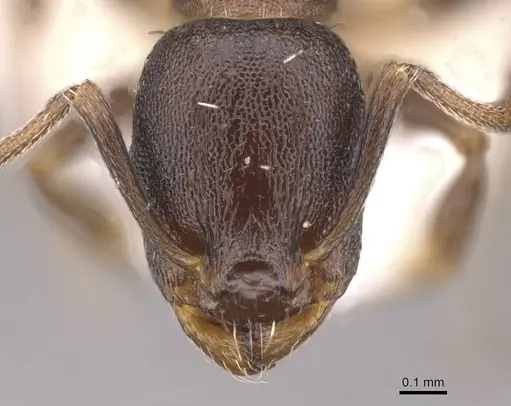
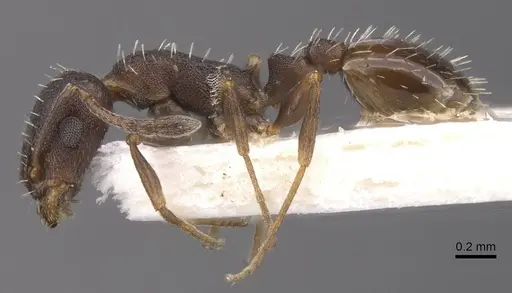
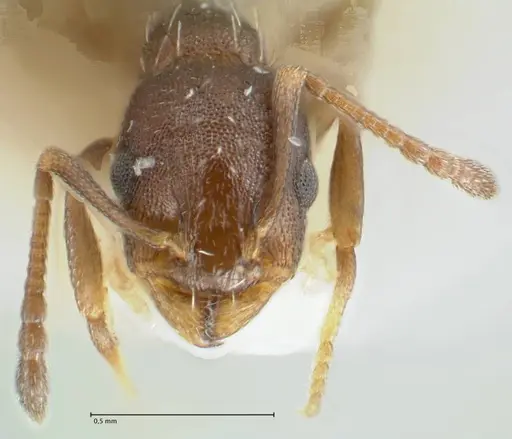
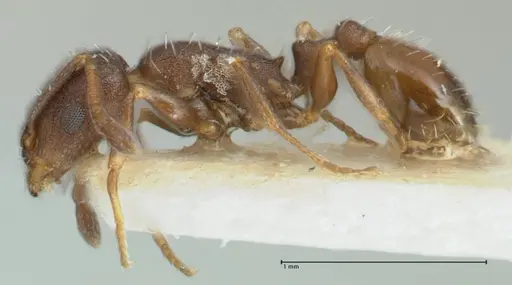
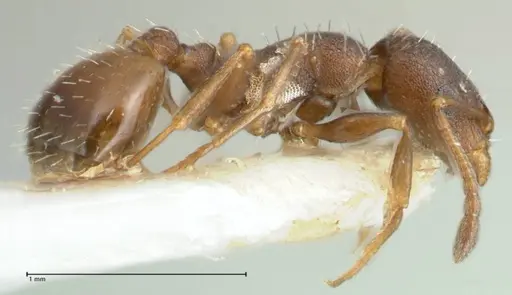
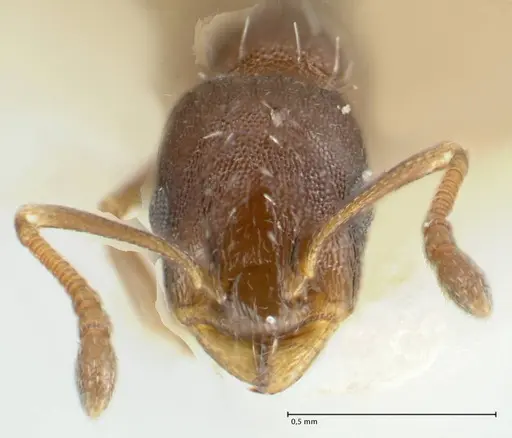
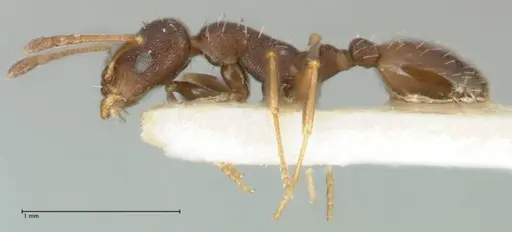
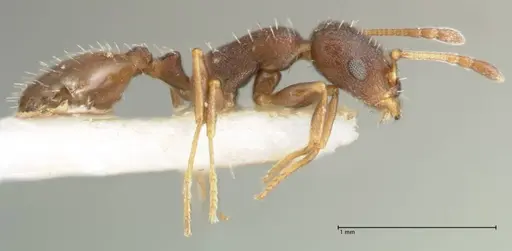
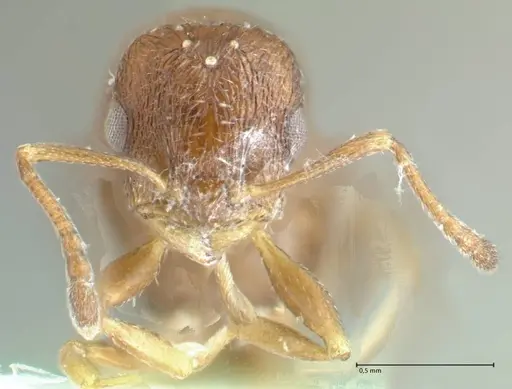
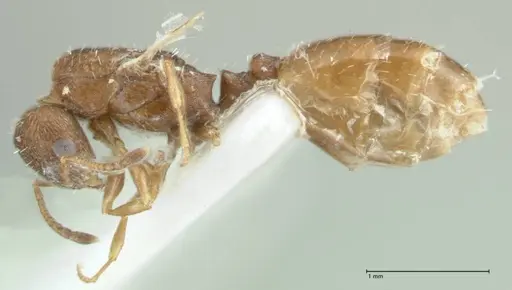
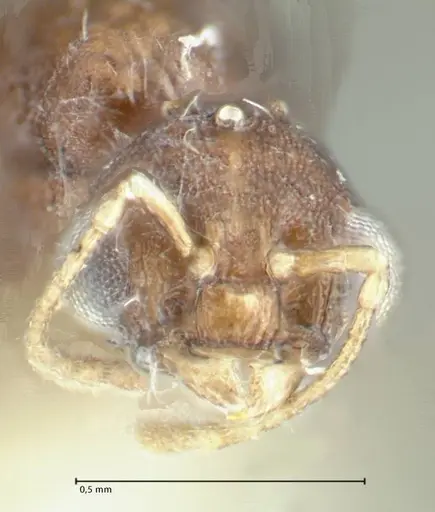
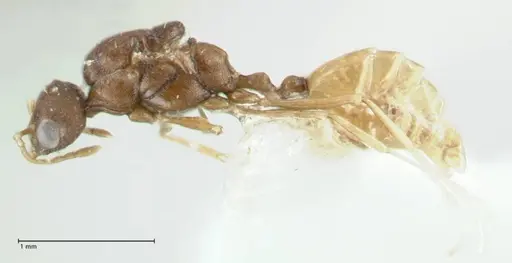
Temnothorax platycephalus is a tiny, dark brown ant endemic to the high-altitude mountains of southern Spain, specifically the Sierra de Cazorla in Jaén and surrounding areas in Cuenca province . Workers are very small, with total body length estimated around 2.5–3.5 mm based on typical Temnothorax patterns. They have an extremely elongated and flattened head, a reticulated (net-like) texture on the head and mesosoma, and moderately long propodeal spines on the rear of the body . This species belongs to the nylanderi group within the sordidulus species-complex, closely related to Temnothorax ibericus and Temnothorax sordidulus. Unlike many ants that nest in soil or wood, they specifically nest in rock crevices at elevations above 1600 meters . This specialized, high-altitude habitat makes them an intriguing but challenging species for antkeepers who can provide cool, rocky conditions.
Quick Summary
- Difficulty: Medium
- Origin & Habitat: Iberian Peninsula, Spain – Sierra de Cazorla (Jaén) and nearby Cuenca province. Found at high altitudes (1650–1796 m) in rocky mountain habitats [1][2].
- Colony Type: Monogyne – single queen colonies. Nests occur in rock crevices at high altitudes [1].
- Size & Growth:
- Queen: Size data unavailable, inferred from genus as ~4–6 mm
- Worker: Size data unavailable, inferred from genus as ~2.5–3.5 mm
- Colony: Estimated up to 300 workers based on typical Temnothorax colony sizes
- Growth: Moderate – based on genus patterns
- Development: Estimated 6–10 weeks at optimal temperature, based on related species in the genus (Development time inferred from typical Temnothorax patterns – direct data for this species is unavailable.)
- Antkeeping:
- Temperature: Keep at moderate room temperature, around 18–22 °C. These ants come from cool high-altitude Mediterranean mountains, so avoid sustained temperatures above 25 °C. A temperature gradient is helpful.
- Humidity: Moderate to low. They inhabit well‑drained rocky areas, so let the nest dry out partially between waterings. Avoid constant high moisture.
- Diapause: Yes – based on their high‑altitude origin, they likely require a winter dormancy period. Reduce temperature gradually and provide a cool resting period (approx. 2–3 months) if kept in a heated room year‑round.
- Nesting: Rock crevice specialist. In captivity use Y‑tong (AAC) nests with narrow chambers, or naturalistic setups with flat stones on a sandy substrate. Provide tight, confined spaces, avoid large open nest chambers.
- Behavior: Peaceful and shy – they prefer to flee from threats rather than fight. This species belongs to the tribe Crematogastrini, which uses a smearing venom defense (modified stinger that wipes venom onto enemies rather than piercing), they are harmless to humans. Escape prevention is critical: workers are tiny (around 2–3 mm) and can squeeze through very small gaps.
- Common Issues: escape prevention is critical – workers are tiny (around 2–3 mm) and can fit through standard barriers., monogynous colony structure – you cannot keep multiple unrelated queens together., slow colony growth may frustrate beginners who expect rapid development., high‑altitude origin means they need cool temperatures – avoid overheating above 25 °C., rock crevice nesting requirement means they need tight, confined spaces – avoid large open nest chambers., very limited wild distribution makes this species rarely available in the hobby.
Housing and Nest Preferences
Temnothorax platycephalus is a rock crevice specialist – nests in the wild are monogynous and located in rock crevices at high altitudes (1650–1796 m) [1][4]. In captivity, replicate these tight, confined spaces. Y‑tong (AAC) nests with very narrow chambers work well, as do naturalistic setups with flat stones placed on a sandy substrate. The chambers should be scaled to the ants’ tiny size (workers ~2–3 mm total length) – passages must be small enough that workers feel secure. Avoid large open spaces inside the nest. A test tube setup can be used for founding, but be aware that the extreme small size of these ants makes escape through the cotton more likely than with larger species. Excellent escape prevention (fine mesh, tight seals) is essential from the start.
Temperature and Seasonal Care
These ants come from high elevations in the Sierra de Cazorla (1650–1796 m), where temperatures are cool to moderate [1][2]. Keep the nest area at 18–22 °C and avoid prolonged temperatures above 25 °C. They are adapted to seasonal temperature swings and likely require a winter dormancy period. To simulate their natural cycle, gradually reduce temperatures to 5–10 °C for 2–3 months (e.g., in a cool garage or cellar) and reduce feeding. If you keep them in a heated room year‑round, at least provide a cool zone within the setup. Avoid constant high heat, which can stress the colony.
Feeding and Diet
No detailed dietary studies are available for this species. Based on typical behavior of related Temnothorax, they likely accept small insect prey (fruit flies, pinhead crickets, springtails) and carbohydrate sources such as sugar water, honey water, or honeydew. Because workers are tiny (~2–3 mm), offer appropriately sized prey items. Provide sugar water or diluted honey regularly. Offer protein 2–3 times per week in small quantities. Their natural mountain habitat may have a limited prey spectrum, so avoid overfeeding with exotic items.
Colony Founding and Development
The founding method is not documented for this species. Based on patterns in the genus Temnothorax, queens are typically claustral – they seal themselves in a small chamber and raise the first workers without foraging – but this is not confirmed. If your queen is claustral, provide a dark, quiet test tube with water and clean cotton. Avoid disturbing her during the founding stage. Development time from egg to worker is estimated at 6–10 weeks at moderate temperatures (based on related species). Colony growth is moderate, expect several months to a year before you see a double‑digit workforce. Patience is essential during founding – excessive disturbance or inadequate conditions can easily cause failure.
Behavior and Temperament
Temnothorax platycephalus is a peaceful, shy ant. Workers avoid confrontation and retreat when threatened. They belong to the tribe Crematogastrini, whose members possess a modified flattened stinger used to smear venom onto enemies rather than pierce them – this defense is not dangerous to humans. They forage individually for small prey and honeydew. Their tiny size (workers ~2–3 mm) makes them easy to overlook in the outworld, and they are skilled escape artists. Ensure all barriers are escape‑proof. They show no aggression toward nestmates or the keeper and are ideal for observation if kept securely. [1]
Acquisition and Availability
This species has a very limited natural distribution – only confirmed from the Sierra de Cazorla (Jaén) and Cuenca province in Spain [1][2][4]. It is endemic to this small area, rarely collected, and almost never available in the general ant‑keeping hobby. If you do obtain a colony, it will likely come from a specialized breeder focusing on rare European species. This scarcity, combined with the specific care requirements, makes it a species for experienced keepers and collectors, not beginners.
Frequently Asked Questions
How long does it take for Temnothorax platycephalus to produce first workers?
Based on typical Temnothorax development, expect 6–10 weeks from egg to first worker at moderate room temperature. This timeline is unconfirmed for this species, so be patient.
What size colony does Temnothorax platycephalus reach?
Based on typical Temnothorax colony sizes, expect up to about 300 workers at maturity. This is a small colony size compared to many other ants.
Do Temnothorax platycephalus ants sting?
They belong to the tribe Crematogastrini, which uses a smearing venom defense – they have a modified stinger that wipes venom onto enemies rather than piercing. They are not aggressive and pose no danger to humans.
What temperature do Temnothorax platycephalus need?
Keep them at 18–22 °C – cooler than typical room temperature. They come from high‑altitude mountains and prefer moderate temperatures. Avoid sustained heat above 25 °C.
Do Temnothorax platycephalus need hibernation?
Yes, likely – they come from high elevations in the Sierra de Cazorla where winters are cold. Reduce temperature (5–10 °C) and feeding for 2–3 months during winter if possible.
Are Temnothorax platycephalus good for beginners?
No – they are rated medium difficulty. Their tiny size makes escape prevention challenging, they have a strong preference for cool conditions, and they are rarely available. They are better suited for experienced keepers interested in rare European species.
What do Temnothorax platycephalus eat?
They likely accept small insects (fruit flies, springtails), sugar water, and honey. Prey items must be appropriately sized for their tiny workers. Offer protein 2–3 times per week and keep sugar water available.
Can I keep multiple queens together?
No – this species is monogyne. Colonies have a single queen, and unrelated queens should not be combined.
What is the best nest type for Temnothorax platycephalus?
Y‑tong nests with narrow chambers or naturalistic setups with flat stones on sandy substrate work well. They are rock crevice specialists, so provide tight, confined spaces. Avoid large open areas in the nest.
Why are my Temnothorax platycephalus escaping?
Their extremely small size (workers around 2–3 mm) means they can squeeze through standard barriers. Use fine mesh on outworlds, check lid seals regularly, and pack cotton in test tubes very tightly. Escape prevention must be top‑notch with this species.
Where is Temnothorax platycephalus found in the wild?
Only in the Sierra de Cazorla (Jaén province) and surrounding areas in Cuenca province, Spain. It is a narrow endemic with a very limited global distribution.
How big are Temnothorax platycephalus workers?
Very small – total body length is estimated at around 2.5–3.5 mm, based on typical Temnothorax species. Direct measurements of total length are not available in the literature.
Report an Issue
The current care sheet is based fully on literature. See inconsistencies, or something that's incorrect? Please , it will be resolved after review from an admin. Contributing to the blogs tab also helps providing information, to make us be able to further improve the caresheets. Thank you for your support!
References

This caresheet is licensed under CC BY-SA 4.0 .
Community Blogs
CASENT0912982
View on AntWeb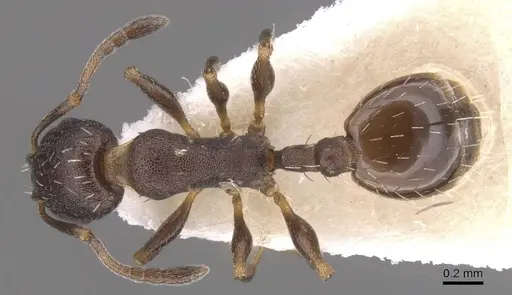
FOCOL1795-1
View on AntWeb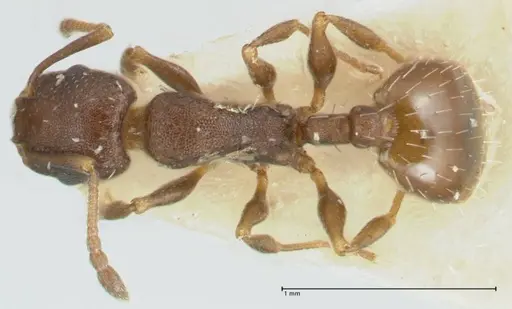
FOCOL1795-2
View on AntWeb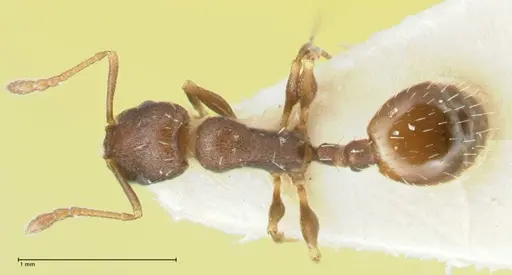
FOCOL1795-3
View on AntWeb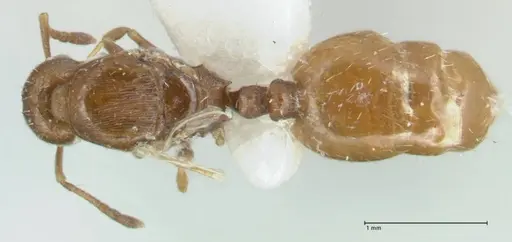
FOCOL1795-4
View on AntWeb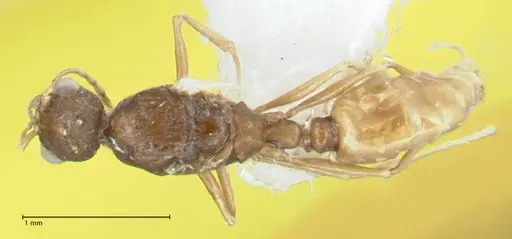
Literature
Loading distribution map...Loading products...