
Temnothorax pisarskii
- Sci. Name
- Temnothorax pisarskii
- Tribe
- Crematogastrini
- Subfamily
- Myrmicinae
- Author
- Radchenko, 2004
- Distribution
- Found in 1 countries
Introduction
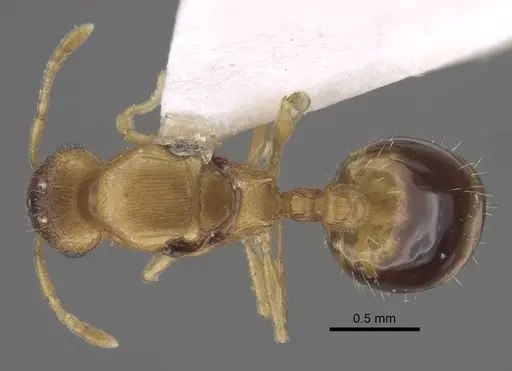
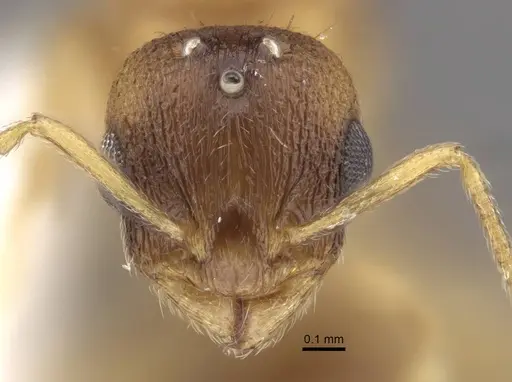
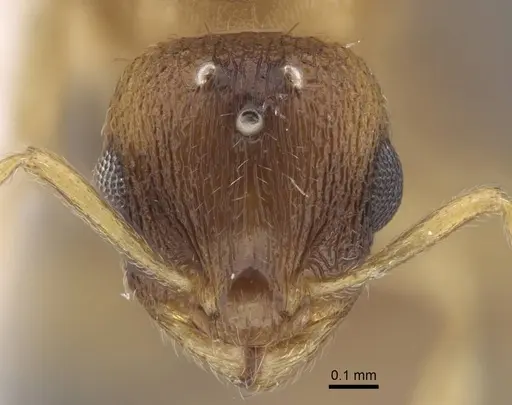
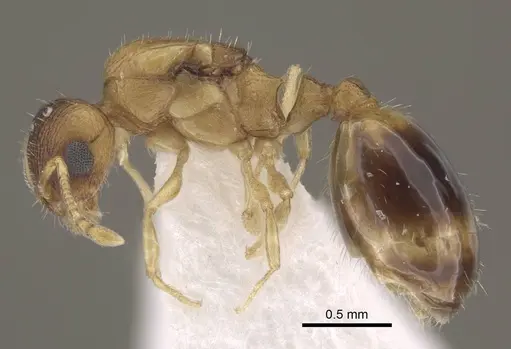
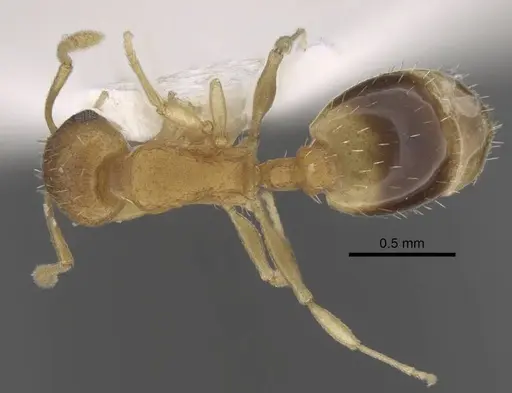
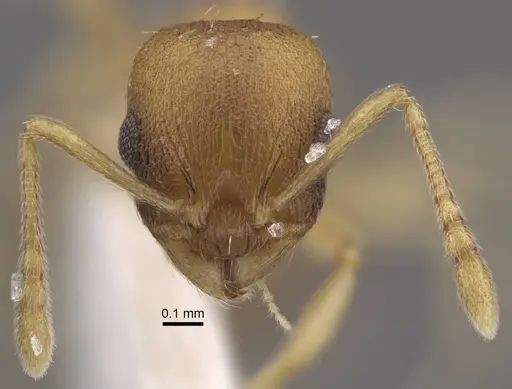
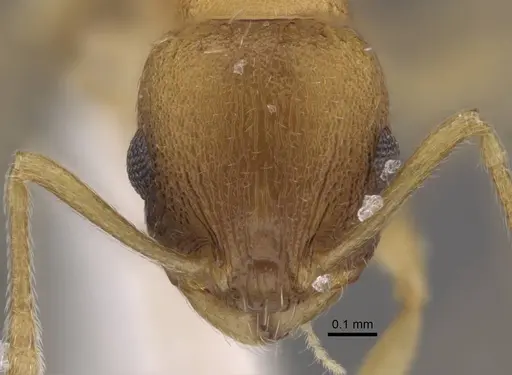
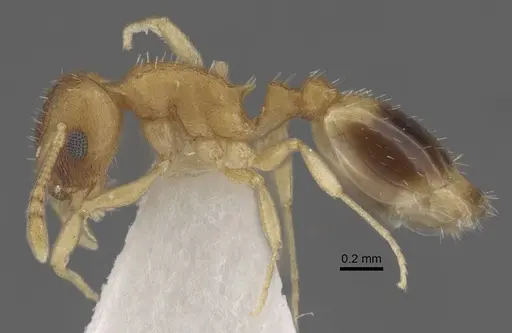
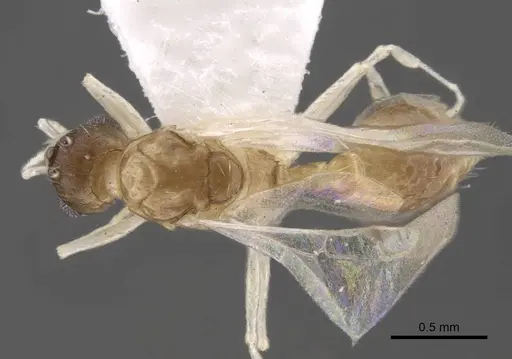
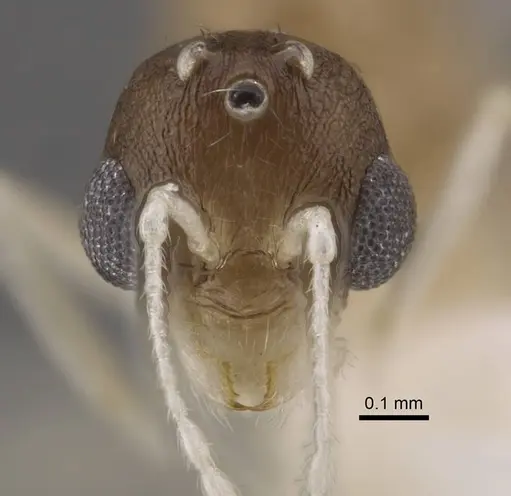
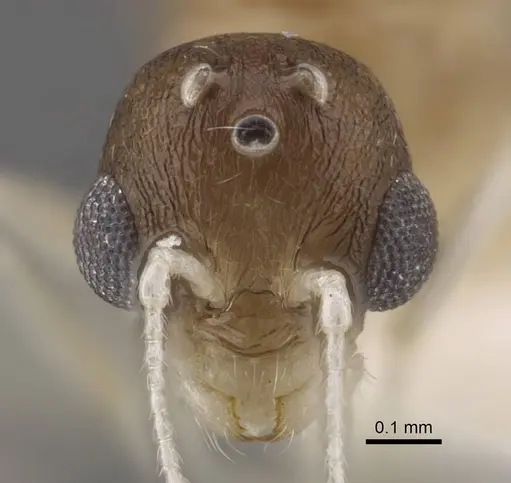
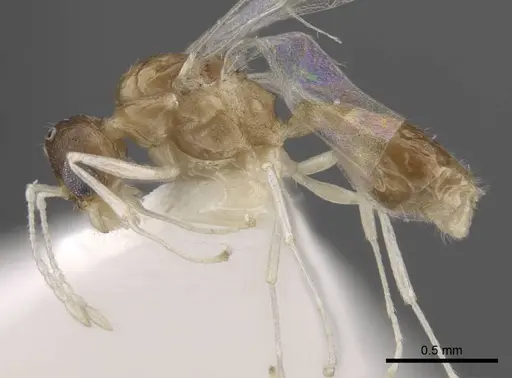
Temnothorax pisarskii is a small, two-tone ant from the eastern Palaearctic, found in parts of China and North Korea . Workers have an ochreous-yellow to brownish-yellow head, alitrunk, and waist, with a brown gaster that has the basal quarter of its first segment bright yellow . They nest under stones in dry forests, including Pinus-Quercus woodlands and shrubby slopes . This species was described in 2004 and named after the Polish myrmecologist Bogdan Pisarski, who collected the first specimens .
Quick Summary
- Difficulty: Medium
- Origin & Habitat: Eastern Palaearctic: China (Liaoning, Heilongjiang, Hebei, Shaanxi) and North Korea [2][3]. Found nesting under stones in dry forests on rocky slopes, shrubby young forests, and Pinus-Quercus forests with Juniperus shrubs at around 150 m elevation [1].
- Colony Type: Unconfirmed. Single-queen colonies are typical for the genus, but this has not been verified for this species.
- Size & Growth:
- Queen: Size data unavailable.
- Worker: Size data unavailable.
- Colony: Unknown, likely small colonies (probably under a few hundred workers) based on genus patterns.
- Growth: Unknown, likely slow to moderate based on genus.
- Development: Unknown, but likely takes several weeks at optimal temperature. (No specific data available for this species.)
- Antkeeping:
- Temperature: Keep at room temperature (around 18-22°C), this is a temperate forest species. Avoid overheating and direct sunlight [1].
- Humidity: Provide a moist substrate, they nest under stones where humidity is stable. Keep the nest substrate damp but not waterlogged. Add a water source in the outworld.
- Diapause: Yes. As a temperate species, they need a winter dormancy period. Gradually cool to 5-10°C for 2-3 months. Specific timing is unconfirmed, so observe your colony and adjust. Failing to provide diapause can weaken or kill the colony.
- Nesting: Y-tong, plaster, or soil nests work well. Provide small, dark chambers and a flat stone over moist soil to mimic their natural nesting sites [1].
- Behavior: Peaceful and shy, workers flee rather than fight. Their tiny size makes escape prevention critical: use fine mesh and fluon barriers. They likely use tandem-running to recruit nestmates (common in the genus). Minimize vibrations and light exposure to avoid stress.
- Common Issues: escape prevention is critical due to their tiny size, they can fit through impossibly small gaps., winter diapause is required, failing to provide dormancy can kill the colony., colonies grow slowly and remain small, be patient., wild-caught colonies may carry parasites or diseases., they are light-sensitive and easily stressed by vibrations, minimize disturbances.
Housing and Nest Setup
Temnothorax pisarskii does well in Y-tong (AAC) nests or plaster formicaria. These mimic their natural preference for nesting under stones in shaded, cool locations [1]. Keep chambers small and dark, their tiny size makes them feel secure in tight spaces. Avoid large, open areas that would stress them. A naturalistic setup with a flat stone over moist soil also works. Keep the nest dark and stable, disturb as little as possible.
Feeding and Diet
In the wild, they likely eat small insects and honeydew. Offer small protein sources like fruit flies, tiny mealworms, or other small arthropods. Provide sugar water or honey water regularly. Feed small amounts every 2-3 days and remove leftovers to prevent mold. Their natural foraging behavior is unconfirmed but they likely forage actively. [1]
Temperature and Seasonal Care
These ants prefer cooler temperatures than many tropical species, aim for 18-22°C [1]. They come from temperate forests in North Korea and northern China [2][3]. Avoid direct sunlight and heat sources. In autumn, prepare for winter dormancy: gradually lower the temperature over 2-3 weeks to 5-10°C, maintain that for a few months, then slowly warm them in spring. This is essential for colony health, though exact requirements are unconfirmed.
Colony Development
Mature colony size is unknown but likely small, probably under a few hundred workers. Growth is slow, especially for founding colonies. The exact founding method is unconfirmed, but claustral founding (queen seals herself in and raises first brood from stored reserves) is typical for the genus. Be patient and minimize disturbance during founding, as stress may cause the queen to abandon or eat her brood. [1]
Behavior and Temperament
Temnothorax pisarskii is peaceful and shy. Workers flee rather than attack, making them easy to handle but easily stressed. They likely use tandem-running to recruit nestmates (common in the genus). Their tiny size makes escape prevention critical: use fine mesh on all openings, apply fluon barriers to container rims, and check for any gaps. Even standard test tube plugs may not be enough, use tight-fitting lids or additional barriers. [1]
Frequently Asked Questions
How long does it take for Temnothorax pisarskii to produce first workers?
The exact timing is unknown, but based on related species, it may take several weeks at optimal temperature (around 20°C). The queen likely raises the first brood without leaving the nest (claustral founding), but this is unconfirmed for this species.
Do Temnothorax pisarskii ants need hibernation?
Yes, absolutely. As a temperate species from North Korea and northern China, they require a winter dormancy period. Gradually cool them to 5-10°C for 2-3 months, then warm them slowly. Failing to provide diapause can weaken or kill the colony.
What temperature is best for Temnothorax pisarskii?
Aim for 18-22°C, room temperature is often suitable. Avoid overheating and direct sunlight. They are temperate forest ants that prefer stable, cool conditions [1].
How big do Temnothorax pisarskii colonies get?
Colony size is unknown but likely small, probably under a few hundred workers. This is typical for litter-nesting Temnothorax. Growth is slow, so don't expect a large colony.
What do Temnothorax pisarskii eat?
Offer small protein sources like fruit flies and tiny mealworms, along with sugar water or honey water. Feed small amounts every 2-3 days and remove leftovers to prevent mold. Their natural diet likely includes small insects and honeydew.
Can I keep multiple Temnothorax pisarskii queens together?
This species is likely monogyne (single queen), but this has not been confirmed. Combining unrelated queens is not recommended as they would likely fight. In nature, colonies probably have one queen.
Are Temnothorax pisarskii ants difficult to keep?
They are intermediate. They need cooler temperatures and winter dormancy, which can be challenging. Their tiny size also demands excellent escape prevention. However, they are peaceful and have simple dietary needs. Not recommended for complete beginners.
Do Temnothorax pisarskii ants sting?
As a Myrmicinae species, they have a stinger but are not aggressive. Their tiny size and shy nature make stinging unlikely to be noticed. They use a 'smear' defense, wiping venom rather than piercing, but this is not a concern for keepers.
What type of nest is best for Temnothorax pisarskii?
Y-tong, plaster, or soil nests work well. Provide small, dark chambers that mimic their natural home under stones. A flat stone over moist soil can also work. Keep humidity stable.
Why are my Temnothorax pisarskii escaping?
Their tiny size (exact measurements unavailable but very small) lets them through any gap. Use fine mesh, apply fluon barriers, and inspect for cracks. Standard test tube plugs are not enough, use tight-fitting lids or double barriers.
Report an Issue
The current care sheet is based fully on literature. See inconsistencies, or something that's incorrect? Please , it will be resolved after review from an admin. Contributing to the blogs tab also helps providing information, to make us be able to further improve the caresheets. Thank you for your support!
References

This caresheet is licensed under CC BY-SA 4.0 .
Community Blogs
Literature
Loading distribution map...Loading products...