
Temnothorax oraniensis
- Sci. Name
- Temnothorax oraniensis
- Tribe
- Crematogastrini
- Subfamily
- Myrmicinae
- Author
- Forel, 1894
- Distribution
- Found in 2 countries
Introduction
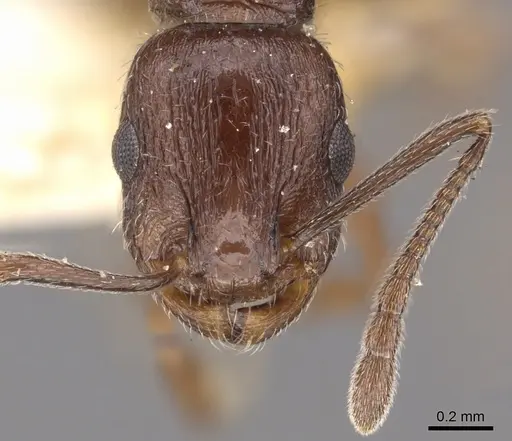
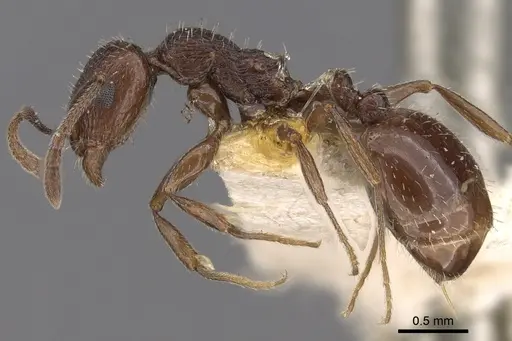
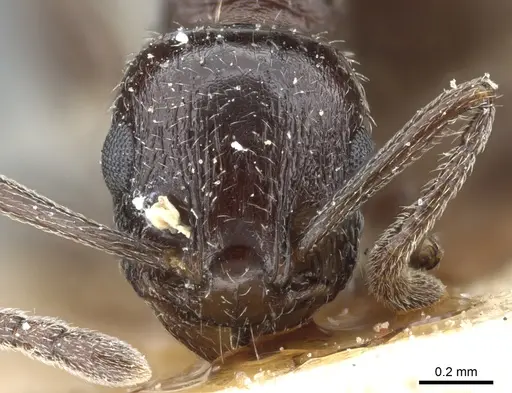
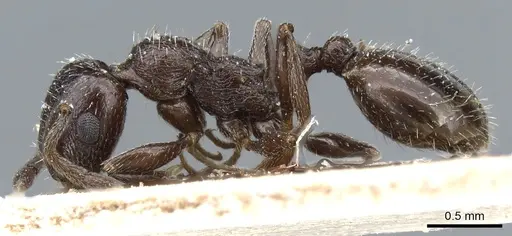
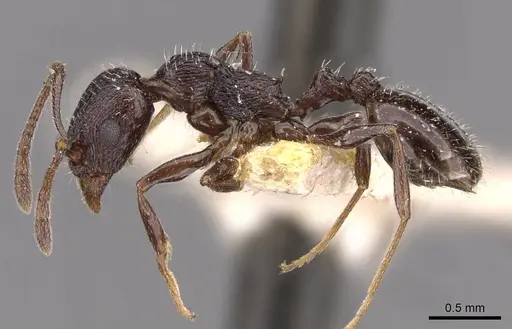
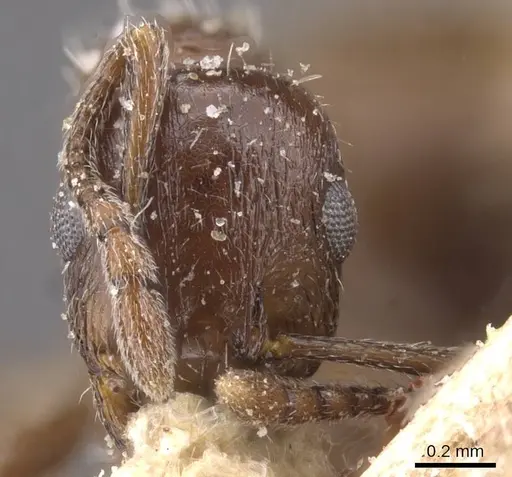
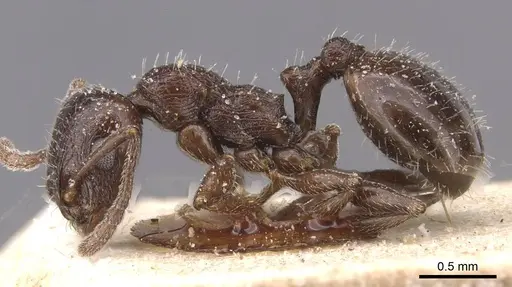
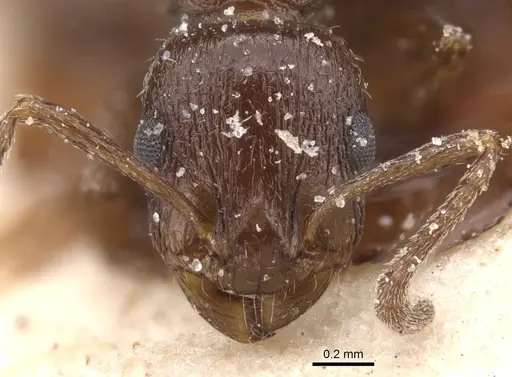
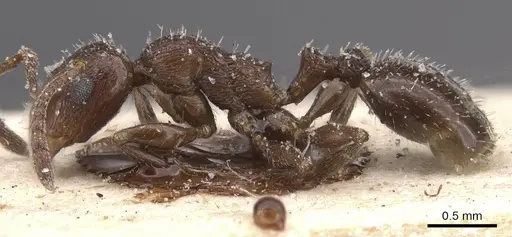
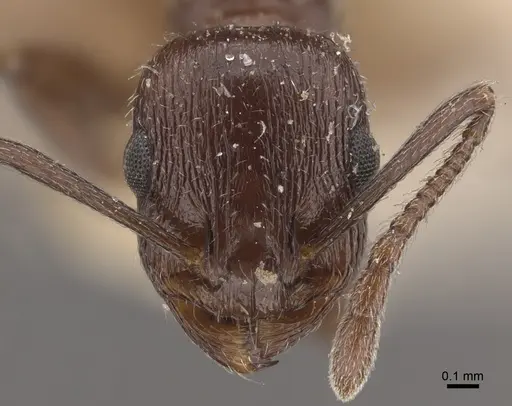
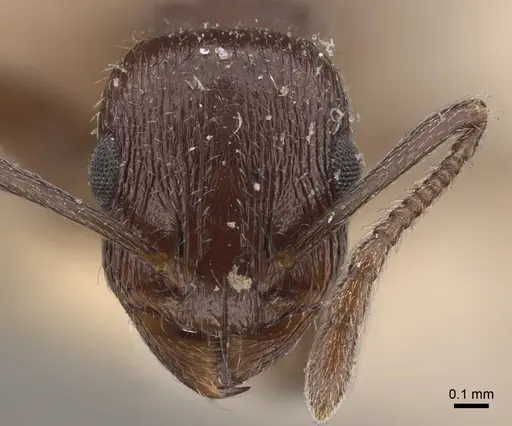
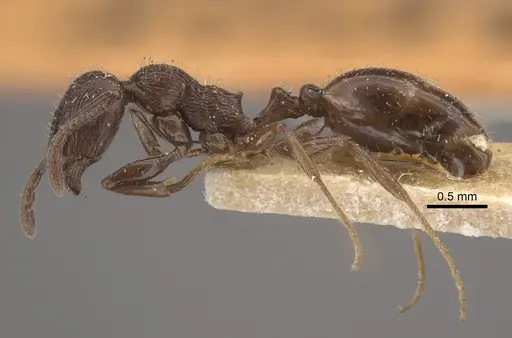
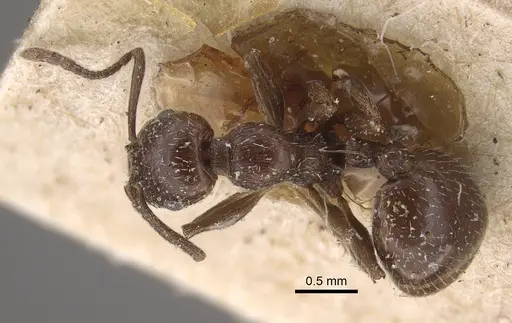
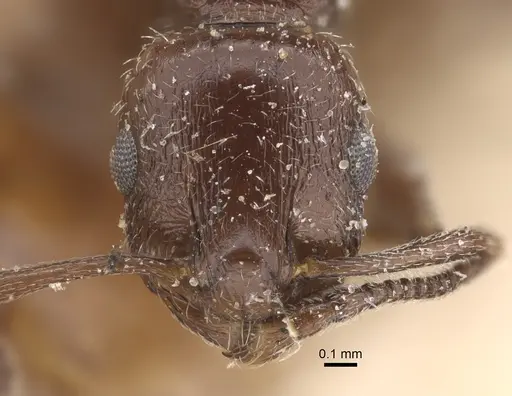
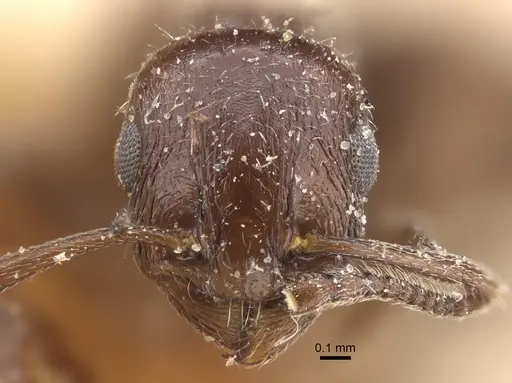
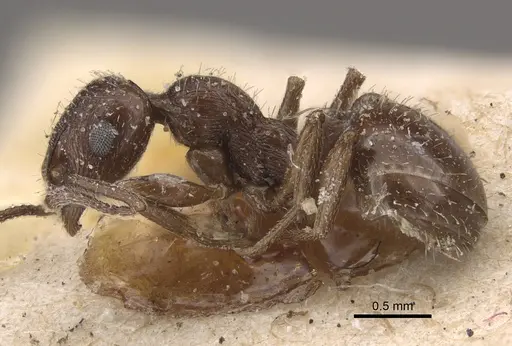
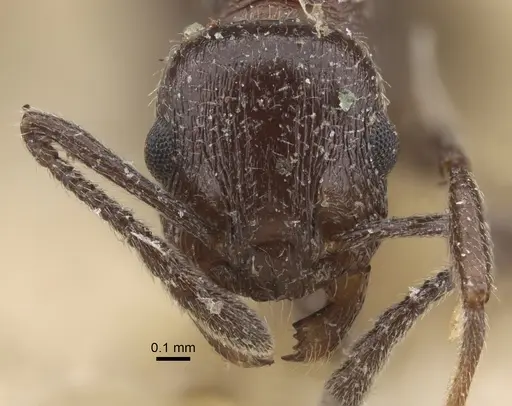
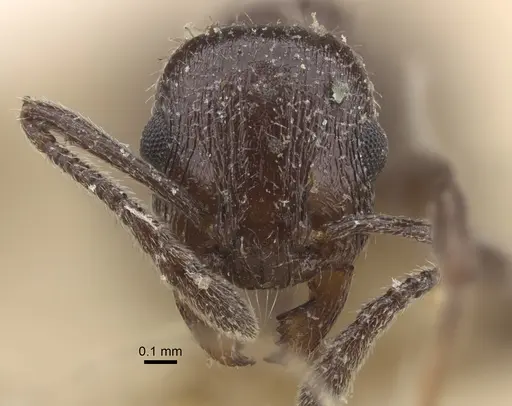
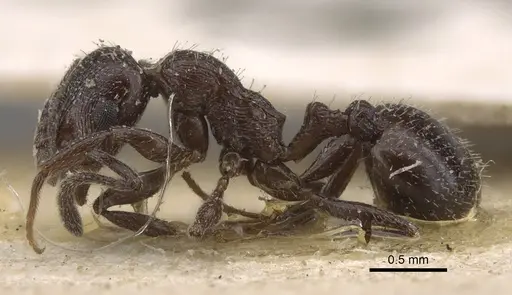
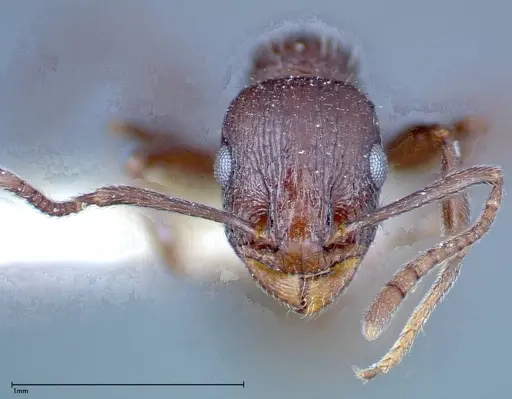
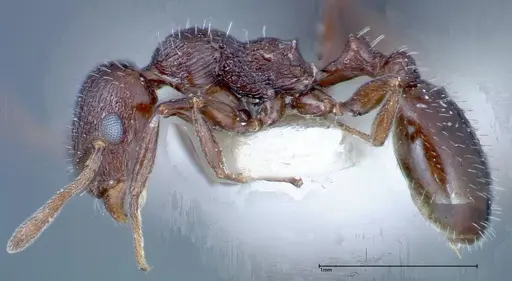
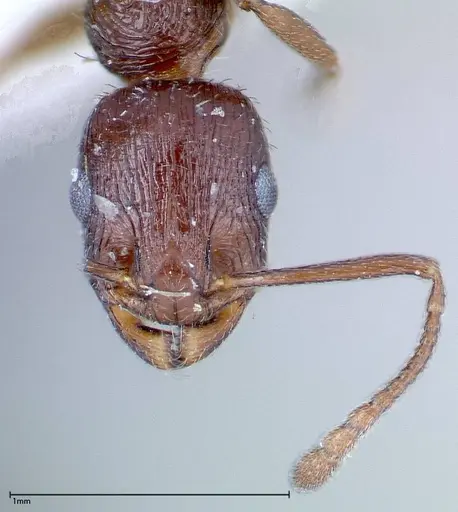
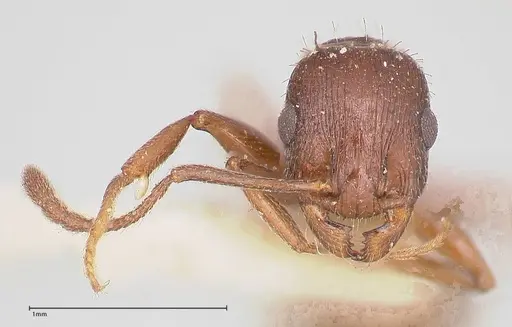
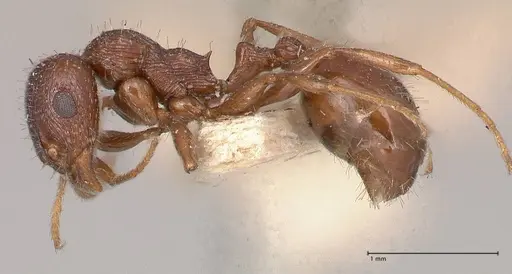
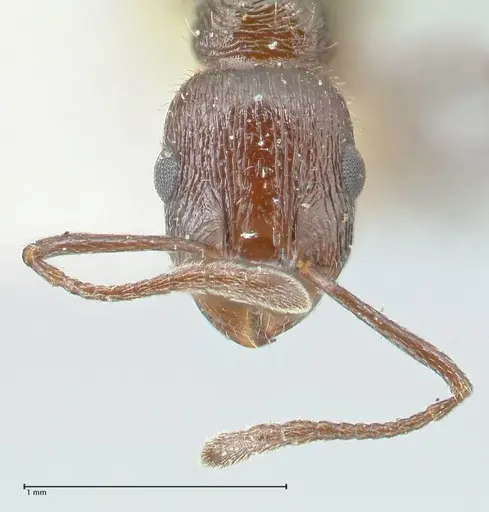
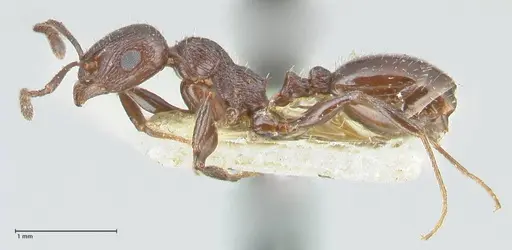
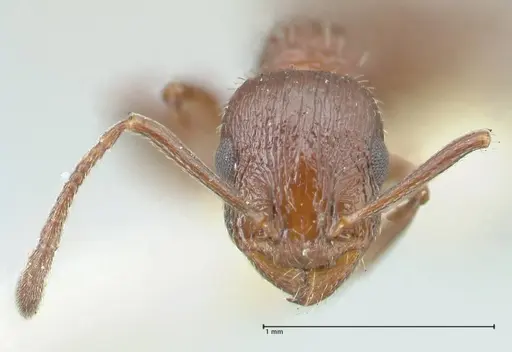
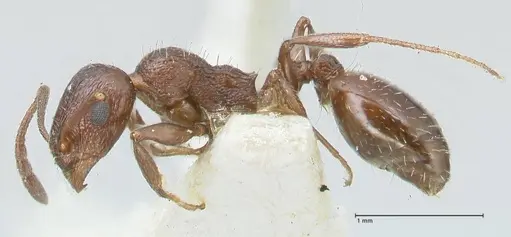
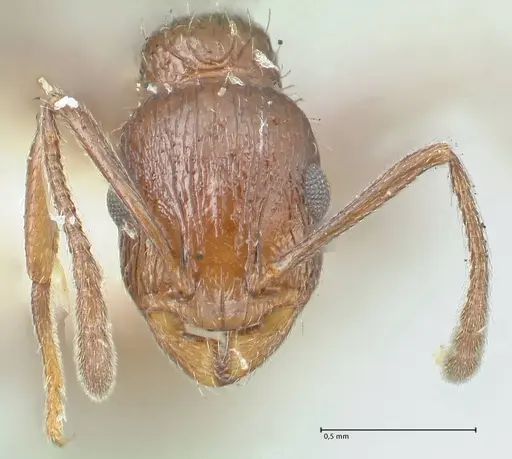
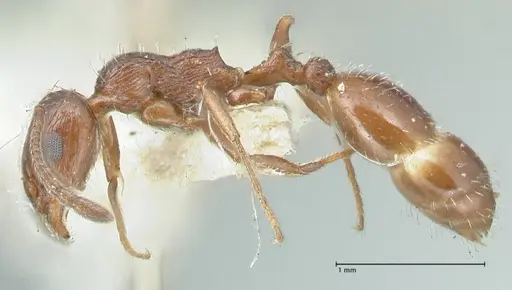
Temnothorax oraniensis is a small ant species native to the mountains of Morocco, documented in the High Atlas and Middle Atlas regions . Workers are tiny, estimated around 3-4mm based on genus patterns, with queens slightly larger at roughly 5-6mm. They have the typical Temnothorax body shape: slender, reddish-brown to dark brown, with a distinct post-petiole that gives them flexibility in narrow spaces. These ants are cavity-nesters in nature, often living under stones, in rotting wood, or inside hollow plant stems - many related species are called ‘acorn ants’ for nesting in acorns. Because of their small size and peaceful nature, they can be rewarding to observe, but you must take escape prevention seriously.
Quick Summary
- Difficulty: Easy
- Origin & Habitat: Morocco, High Atlas and Middle Atlas mountains. They live in rocky, Mediterranean mountain habitats with moderate temperatures and seasonal variation [1].
- Colony Type: Likely monogyne (single queen), a common pattern in the genus, though multi-queen colonies occur in some Temnothorax species. Some related Temnothorax can produce ergatoid (wingless) replacement queens, but this is unconfirmed for T. oraniensis.
- Size & Growth:
- Queen: ~5-6mm (estimated based on genus patterns, no species-specific data available)
- Worker: ~3-4mm (estimated based on genus patterns, no species-specific data available)
- Colony: Unknown for this species. Related cavity-nesting Temnothorax reach up to several hundred workers, so that is a reasonable estimate.
- Growth: Moderate (inferred from genus, slower than large species but steady)
- Development: Estimated 6-10 weeks at 20-24°C, based on typical Temnothorax development patterns. Not confirmed for this species. (Development is temperature-dependent, warmer conditions within safe ranges speed it up, cooler conditions slow it down. First workers (nanitics) are typically smaller than mature workers.)
- Antkeeping:
- Temperature: Based on their mountain origin, provide stable temperatures around 20-24°C. They can likely tolerate brief drops to 15°C and peaks up to 28°C, but avoid extremes. A gentle temperature gradient is beneficial.
- Humidity: Keep the nest substrate moderately damp but not wet, allow parts to dry out between waterings. Think of conditions under a stone in a Mediterranean mountain: dry to slightly moist, not constantly soggy.
- Diapause: Likely yes, their temperate mountain habitat suggests a winter rest period. Reduce temperature to 10-15°C for roughly 10-12 weeks (November-February) and reduce feeding. This is inferred from genus patterns, not confirmed for this species.
- Nesting: Best in small, snug nests with narrow chambers. Y-tong (AAC), plaster, or 3D-printed nests work well. Test tubes are fine for founding and small colonies. Avoid tall, open spaces, they prefer to feel the walls with their legs.
- Behavior: Peaceful, not aggressive. Workers forage individually and tend to flee or hide when disturbed. They are not known to sting, their defense is fleeing. Because of their tiny size, you must seal all gaps with fine mesh, even a millimeter is an escape route. They pose no danger to humans.
- Common Issues: escape prevention is critical, their tiny size lets them squeeze through gaps you’d never expect, so use fine mesh everywhere and check connections regularly, colonies grow slowly, which can test your patience, don’t overfeed or disturb the nest, test tube setups can flood if the water reservoir is too large relative to the colony size, drowning the queen or brood, wild-caught colonies may carry parasites or diseases, quarantine new colonies, they are sensitive to vibrations and disturbance, place the nest in a quiet, stable location
Housing and Nest Setup
Temnothorax oraniensis does best in small, snug nests with chambers scaled to their tiny size. A Y-tong (AAC) or plaster nest with narrow passages works excellently. Test tubes are also suitable for founding colonies and small established colonies, use a small tube with a water reservoir at one end and a cotton plug creating a foraging area at the other. The key is tight chambers: these ants feel secure in spaces where they can touch both walls with their legs. Avoid large, open formicaria that make them feel exposed.
For the outworld (foraging area), keep it simple and appropriately sized. A small plastic container or glass jar works well. Because of their tiny size, use a fluon barrier (PTFE liquid) on the rim and ensure all ventilation holes are covered with fine mesh, even a millimeter gap is enough for them to escape. Provide a shallow water dish (with a sponge or cotton to prevent drowning) and a tiny feeding station.
Feeding and Diet
Like most Temnothorax species, these ants are omnivorous and will accept a variety of foods. Offer sugar sources such as diluted honey, sugar water, or sugar syrup regularly, this should be available at all times for the colony. For protein, offer small prey items like fruit flies, pinhead crickets, mealworm pieces, or other tiny insects. Since they're small, the prey items should be appropriately sized.
Feed protein roughly twice a week, adjusting based on colony size and consumption. Remove any uneaten prey after 24-48 hours to prevent mold. A varied diet helps ensure healthy development. Some keepers also report success with specialized ant gels or commercial ant foods, but fresh natural foods are generally preferred.
Temperature and Seasonal Care
Based on their mountain origin, maintain temperatures around 20-24°C for optimal colony health. They can likely tolerate brief periods slightly above or below this range, but avoid prolonged exposure above 28°C or below 15°C. A heating cable on one side of the nest can create a gentle temperature gradient, allowing ants to regulate their own temperature by moving between warmer and cooler areas.
During winter (roughly November through February in the Northern Hemisphere), reduce temperatures to 10-15°C to simulate their natural seasonal cycle. This diapause period is beneficial for colony health and may trigger spring reproduction. During hibernation, reduce feeding significantly or stop altogether, and keep the nest slightly cooler but not cold. Do not feed during the deep rest period.
Behavior and Observation
Temnothorax oraniensis is a peaceful species that makes for excellent observation ants. Workers go about their tasks methodically, foraging, caring for brood, and maintaining the nest. They don't form large trails, but their smaller-scale activities are fascinating to watch.
When threatened, their first response is typically to flee and hide rather than to attack. They are not known to sting and pose no danger to humans. However, their small size means they are easily overlooked and can slip away unnoticed, this is why escape prevention is so critical.
Colonies are relatively quiet compared to larger ants. You won't hear them, and their activity is subtle. This makes them suitable for keeping in a quiet corner where they won't be disturbed by vibrations or constant movement around the nest.
Colony Growth and Development
A newly mated queen likely seals herself into a small chamber and lays eggs without leaving to forage (claustral founding), relying on her stored fat reserves. This phase typically lasts 6-10 weeks at optimal temperature, after which the first workers (nanitics) emerge. These first workers are smaller than mature workers but immediately begin foraging to support the growing colony.
Growth is moderate, don't expect rapid expansion. A healthy colony might reach 50-100 workers in the first year, with growth leveling off as the colony matures. Maximum colony size is likely several hundred workers (inferred from related species). Patience is key with these small ants, they build slowly but can live for many years with proper care.
Frequently Asked Questions
How long does it take for Temnothorax oraniensis to get their first workers?
Expect first workers to emerge around 6-10 weeks after the queen lays eggs, assuming temperatures around 20-24°C. This timeline is based on typical Temnothorax development and is not confirmed for this species.
Can I keep Temnothorax oraniensis in a test tube?
Yes, test tubes work well for founding colonies and for established colonies if they're not too large. Use a small test tube with an appropriately sized water reservoir. The key is ensuring the chambers are snug, they don't do well in large, open spaces.
Do Temnothorax oraniensis ants sting?
They are not known to sting. Their defense mechanism is fleeing and hiding, not aggression. They are completely harmless to humans.
What temperature do Temnothorax oraniensis need?
Based on their mountain origin, keep them at 20-24°C for optimal health. They can likely tolerate brief drops to 15°C and peaks to 28°C, but avoid extremes. A gentle temperature gradient is ideal.
Do Temnothorax oraniensis need hibernation?
Yes, they likely benefit from a winter rest period given their mountain habitat. Reduce temperatures to 10-15°C for roughly 10-12 weeks during winter (November-February). Reduce feeding during this period. This is inferred from genus and habitat, not confirmed.
How big do Temnothorax oraniensis colonies get?
Maximum colony size is uncertain for this species. Related cavity-nesting Temnothorax reach up to several hundred workers, so that is a reasonable estimate. Growth is moderate.
Are Temnothorax oraniensis good for beginners?
They are suitable for beginners who are patient. They are peaceful, don't require specialized equipment, and have straightforward care. The main challenges are slow growth and escape prevention due to their tiny size.
What do Temnothorax oraniensis eat?
They are omnivorous. Offer constant access to sugar sources (honey, sugar water, sugar syrup) and regular protein feedings (small insects like fruit flies, pinhead crickets, or mealworm pieces). Remove uneaten prey after 24-48 hours.
Why are my Temnothorax oraniensis escaping?
Their tiny size allows them to squeeze through impossibly small gaps. Use fine mesh on all ventilation, apply fluon barriers to rims, and check all connections regularly. Even a millimeter gap is an escape route for these ants.
When should I move my colony to a formicarium?
You can keep them in a test tube or small setup indefinitely if the colony is small. Move to a larger nest (Y-tong, plaster, or 3D-printed formicarium) when the colony reaches around 50+ workers and the test tube is becoming crowded. They prefer snug chambers regardless of colony size.
Report an Issue
The current care sheet is based fully on literature. See inconsistencies, or something that's incorrect? Please , it will be resolved after review from an admin. Contributing to the blogs tab also helps providing information, to make us be able to further improve the caresheets. Thank you for your support!
References

This caresheet is licensed under CC BY-SA 4.0 .
Community Blogs
CASENT0901778
View on AntWeb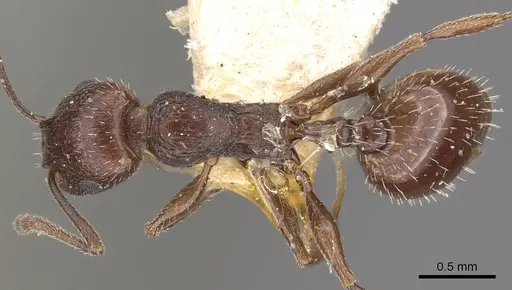
CASENT0904739
View on AntWeb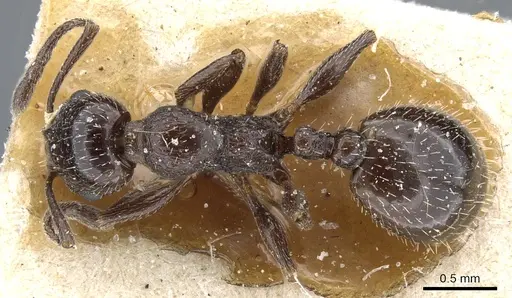
CASENT0909037
View on AntWeb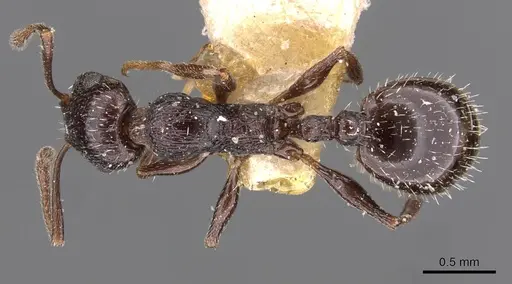
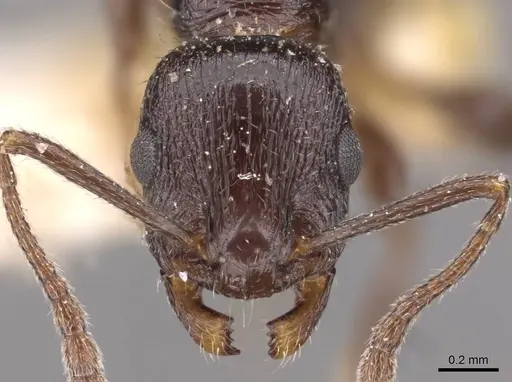
CASENT0912977
View on AntWeb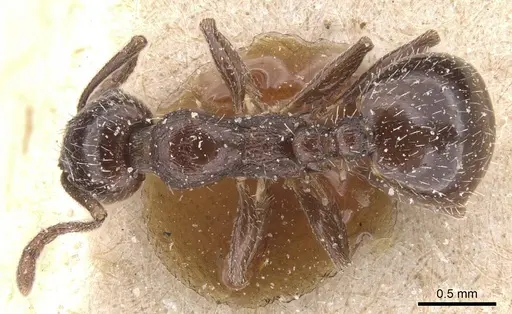
CASENT0912978
View on AntWeb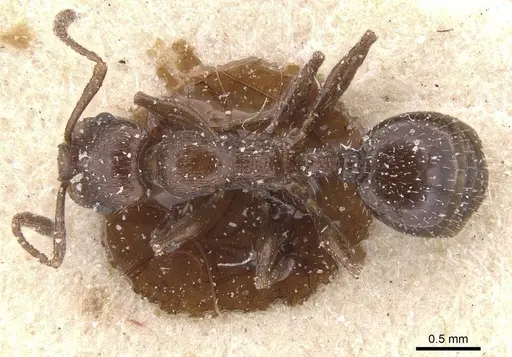
CASENT0917829
View on AntWeb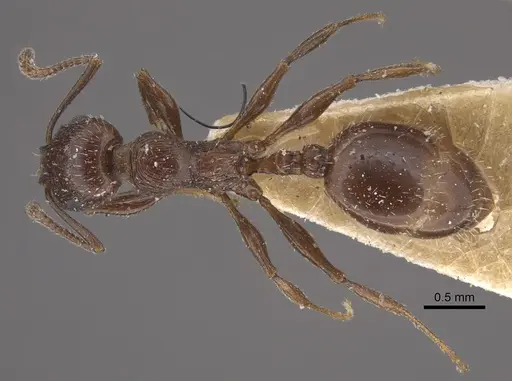
CASENT0917832
View on AntWeb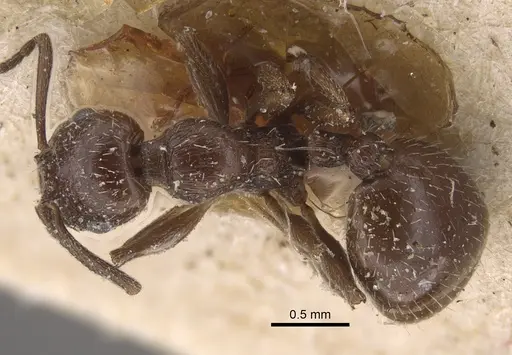
CASENT0917833
View on AntWeb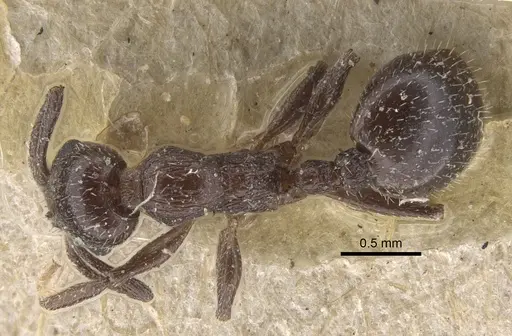
FOCOL0205-1
View on AntWeb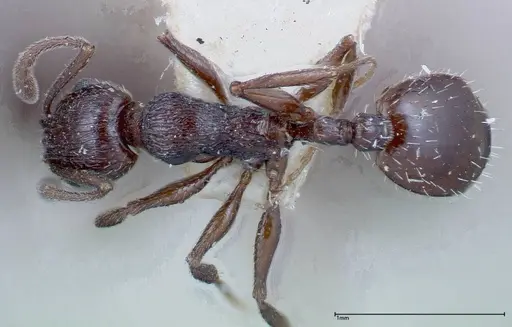
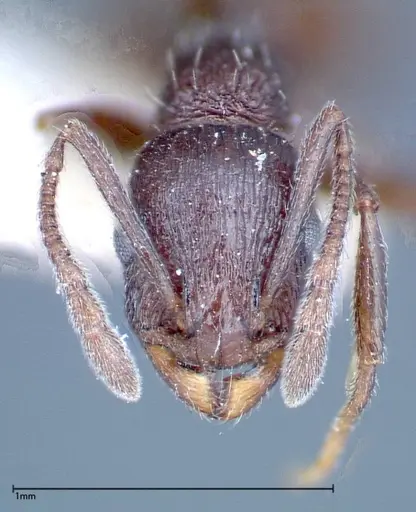
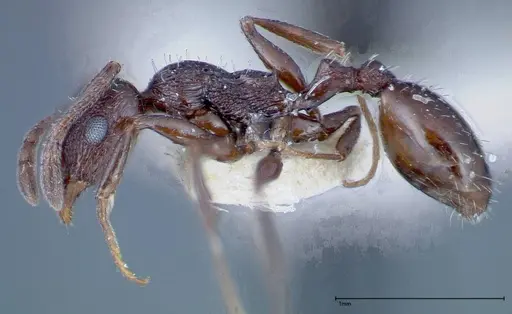
FOCOL0205-2
View on AntWeb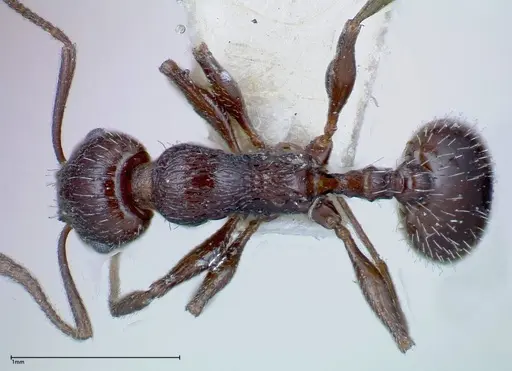
FOCOL0205-3
View on AntWeb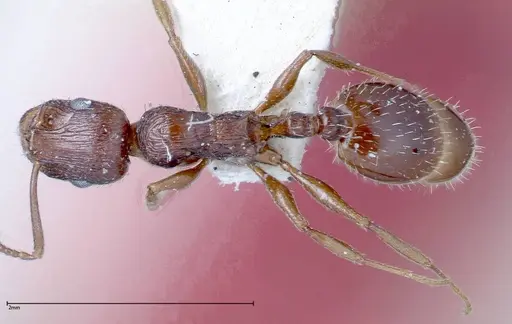
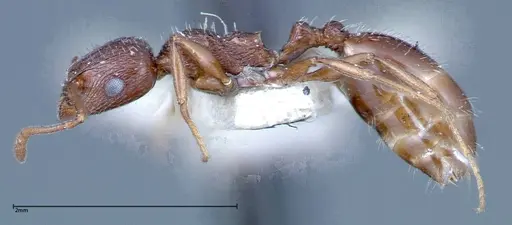
FOCOL0769
View on AntWeb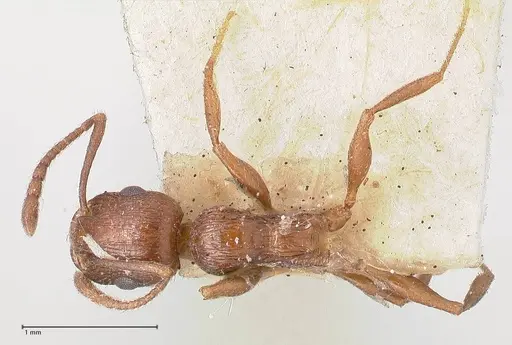
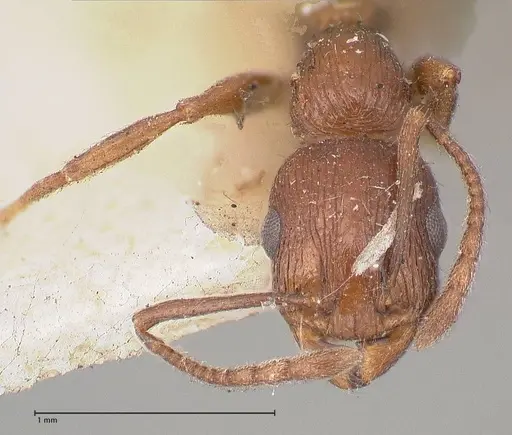
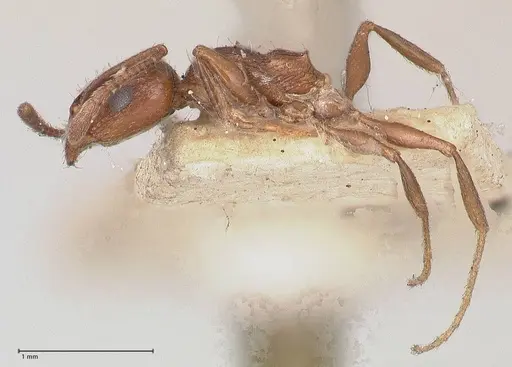
FOCOL0770
View on AntWeb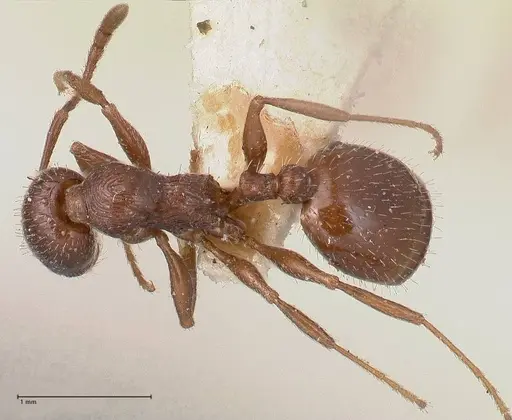
FOCOL2031
View on AntWeb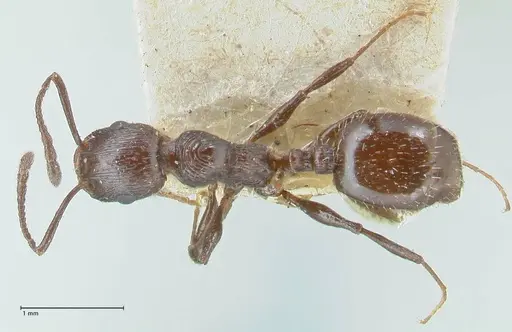
FOCOL2032
View on AntWeb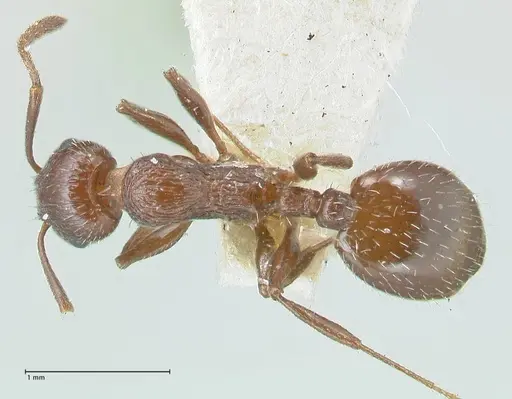
FOCOL2033
View on AntWeb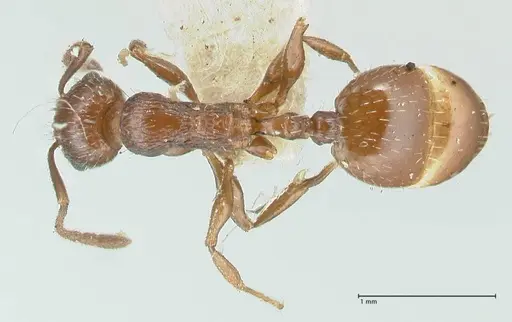
Literature
Loading distribution map...Loading products...