
Temnothorax nigritus
- Sci. Name
- Temnothorax nigritus
- Tribe
- Crematogastrini
- Subfamily
- Myrmicinae
- Author
- Emery, 1878
- Distribution
- Found in 1 countries
Introduction
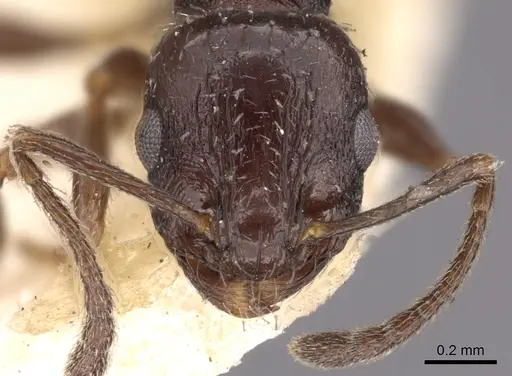
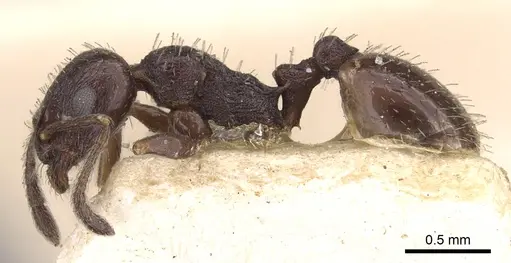
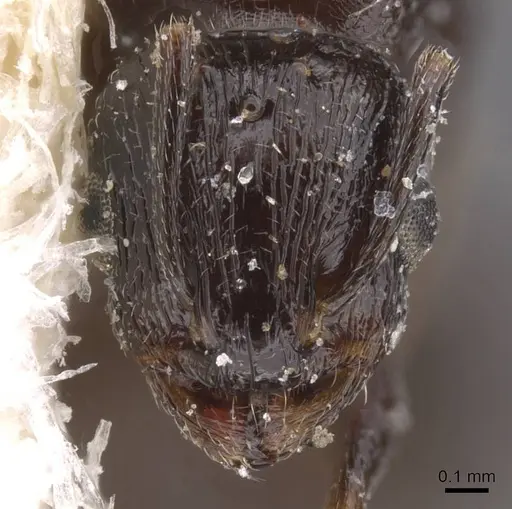
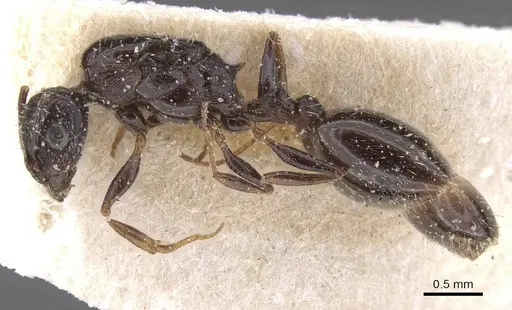
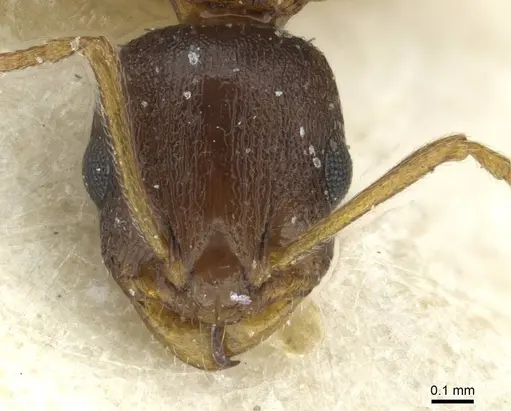
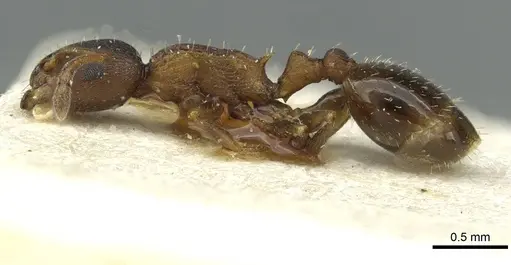
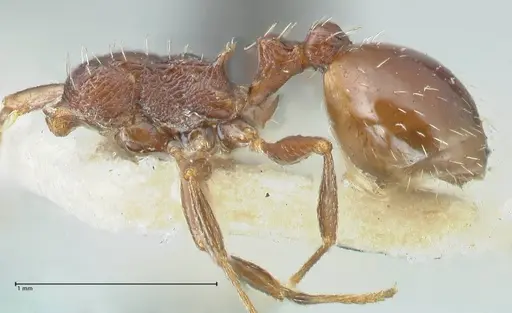
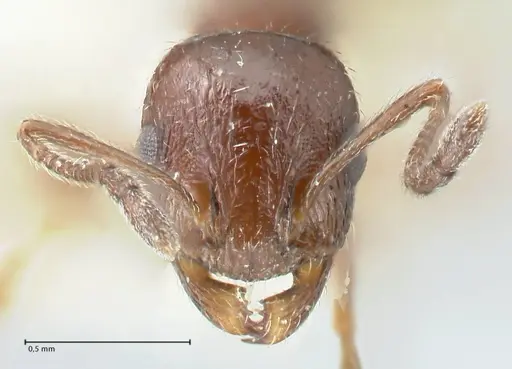
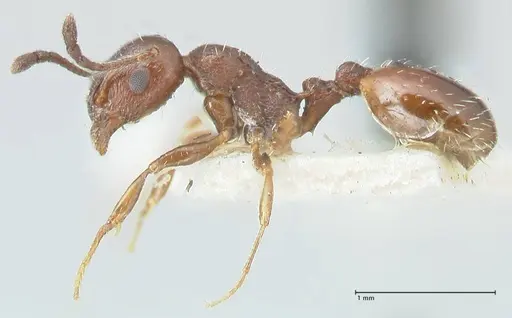
Temnothorax nigritus is a small ant species from warm parts of the Mediterranean. Workers reach about 2-4mm and queens about 4-6mm, which is typical for the Temnothorax genus . They are found in Algeria, Georgia, and Greece . In the wild, they nest in small pockets under stones and inside rock crevices. They are peaceful and not aggressive, which makes them a good choice for a small, low-maintenance observation colony.
Quick Summary
- Difficulty: Easy
- Origin & Habitat: Mediterranean region: documented in Algeria, Georgia (Batumi, Kutaisi, Oni, Zekari Pass), and Greece [2][3][4]. They live in warm, rocky areas where they can find small cavities to nest in.
- Colony Type: Likely single-queen colonies (monogyne), which is the most common pattern in the Temnothorax genus. Specific colony structure has not been confirmed in published research.
- Size & Growth:
- Queen: ~4-6mm, inferred from typical Temnothorax genus size ranges [1]
- Worker: ~2-4mm, inferred from typical Temnothorax genus size ranges [1]
- Colony: Up to a few hundred workers at maturity, which is typical for the genus
- Growth: Moderate
- Development: Estimated 6-10 weeks at optimal temperature based on typical Temnothorax development patterns (Development time depends heavily on temperature, warmer conditions within their comfort zone speed things up.)
- Antkeeping:
- Temperature: Keep at 20-24°C during the active season. Provide a gradient so they can choose. For winter diapause, drop to 10-15°C for 2-3 months. Their exact temperature needs are unstudied, but these ranges match their Mediterranean habitat.
- Humidity: Provide a moisture gradient, keep most of the nest dry with one small, slightly damp area. Too much moisture can be deadly, as they naturally live in dry, rocky spots.
- Diapause: Yes. A winter rest period at 10-15°C for 2-3 months is likely needed for long-term colony health, matching the climate patterns of their native range.
- Nesting: Y-tong (AAC) or plaster nests work well. They need tight, small chambers and narrow passages. Avoid large, open spaces, these ants feel safest in snug, cramped quarters.
- Behavior: Peaceful and non-aggressive ants. They don't sting like some other ants, instead, they use a venom-smearing defense, spreading chemicals with a flattened stinger to deter attackers. Their small size means they can escape through tiny gaps, so make sure your setup is sealed tight despite their calm nature.
- Common Issues: colonies grow slowly, which can test your patience if you are used to faster-growing species, tiny size means you must seal even the smallest gaps in your setup to prevent escapes, they need a winter diapause, skipping this can slowly weaken the colony over time, overfeeding or over-watering leads to mold in their small nest spaces, which can kill the colony, their preferred dry conditions mean you should avoid making the nest wet or soggy
Housing and Nest Setup
Keep Temnothorax nigritus in a small, cozy nest that matches their tiny size. Y-tong (AAC) or plaster nests are ideal because they keep tight chambers and small passages. Avoid large open spaces, these ants feel safest when their nest is snug. For the outworld, a simple plastic box works fine. Use a shallow water dish for drinking and a small dish for food. Fluon or a similar barrier on the edges of the outworld is still a good idea to prevent any escapes, as their small size lets them walk on almost any surface.
Feeding and Diet
These ants are generalist feeders. Offer sugar water or honey as an energy source. For protein, give them small insects like fruit flies, pinhead crickets, or chopped mealworms. Feed small amounts a few times a week and remove any leftovers within 24 hours to stop mold from growing in your nest.
Temperature and Seasonal Care
Keep the colony at 20-24°C during spring, summer, and fall. They come from a warm Mediterranean climate so they appreciate steady warmth. In winter, reduce the temperature to 10-15°C for about 2-3 months (roughly November through February). This winter rest is important for the queen's health and the colony's long-term success. Do not feed them during diapause and let the nest get a bit drier than usual. In spring, warm them up slowly over a few weeks.
Colony Development
After mating, a founding queen will find a small cavity and likely seal herself in. The first eggs take a few weeks to develop, and the first tiny workers (nanitics) will appear after about 6-10 weeks in good conditions. These first workers are smaller than the ones that come later. Growth is steady but not fast, it can take a full year to reach 50 workers or more. Patience is key with this species.
Behavior and Observation
Temnothorax nigritus is a calm species. Workers move methodically, caring for the brood, maintaining the nest, and foraging for food. They are not aggressive and won't defend their nest if you open it. Their main defense, like other members of the Crematogastrini tribe, is to smear venom on attackers rather than sting. Watching them navigate their tiny world and communicate with antennae taps is a pleasure. They are active during the day but may slow down in very hot or cold conditions.
Frequently Asked Questions
How long does it take for Temnothorax nigritus to have first workers?
Expect the first workers (nanitics) in about 6-10 weeks after the queen lays eggs, assuming you keep them at 20-24°C. This timeline is based on typical Temnothorax patterns across the genus.
Do Temnothorax nigritus ants sting?
Not in the way you might think. They belong to a group of ants (Crematogastrini) that spreads venom by smearing it on attackers using a flat, spatula-like stinger. It is not a sharp sting like a wasp, and they are very reluctant to use it on anything but small prey.
What temperature do Temnothorax nigritus need?
Keep them at 20-24°C during the active season. In winter, they need a rest period at 10-15°C for a couple of months. A heat gradient in the nest is always a good idea so they can pick their favorite spot.
How big do Temnothorax nigritus colonies get?
Colonies stay relatively small, typically maxing out at a few hundred workers. This is normal for the genus, which prefers small, efficient family groups over massive colonies.
Do Temnothorax nigritus need hibernation?
Yes, they likely need a winter diapause. Lower their temperature to 10-15°C for 2-3 months during the winter. This matches the seasonal changes in their Mediterranean home and is important for keeping the queen healthy.
Can I keep Temnothorax nigritus in a test tube?
Yes, test tubes are perfect for starting a colony. Use a standard setup with a water reservoir sealed with cotton. You can keep them in a test tube until they have 40-50 workers, at which point you should move them to a small Y-tong or plaster nest.
What do Temnothorax nigritus eat?
They take simple sugar water or honey for energy. For protein, offer small insects like fruit flies or pinhead crickets. Feed sugar constantly and protein a couple of times a week. Always remove leftovers to prevent mold.
Are Temnothorax nigritus good for beginners?
Yes, they are a very good beginner species. They are calm, easy to feed, and do not need a big setup. The main things to watch out for are their slow growth and the need for a winter rest period. If you are patient, they are a rewarding species.
When should I move my colony to a formicarium?
Move them from a test tube to a small Y-tong or plaster nest when the colony has about 30-50 workers. Make sure the new nest chambers are small, tight spaces make them feel more secure.
Why is my Temnothorax nigritus colony declining?
Common reasons include: temperatures that are too high or too low, missing their winter diapause, mold from overfeeding, or the queen dying of old age. Check your temperature and moisture levels first.
Report an Issue
The current care sheet is based fully on literature. See inconsistencies, or something that's incorrect? Please , it will be resolved after review from an admin. Contributing to the blogs tab also helps providing information, to make us be able to further improve the caresheets. Thank you for your support!
References

This caresheet is licensed under CC BY-SA 4.0 .
Community Blogs
CASENT0901784
View on AntWeb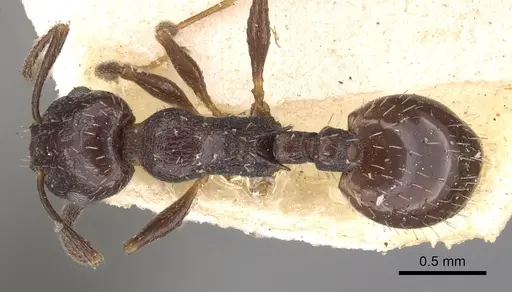
CASENT0904737
View on AntWeb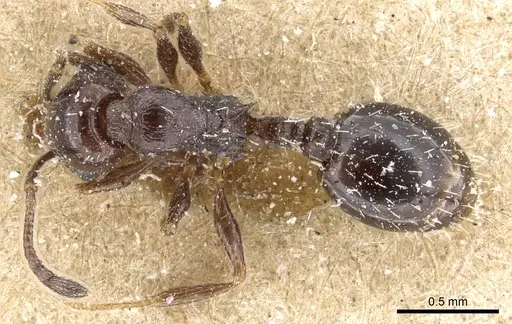
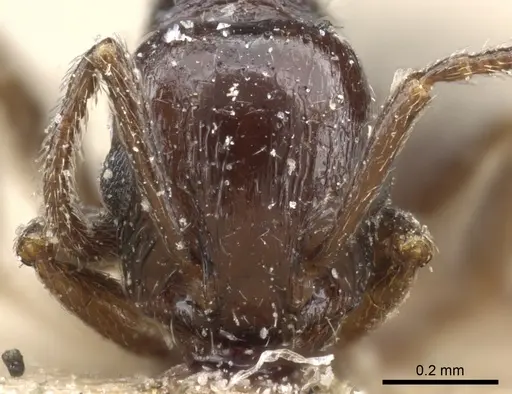
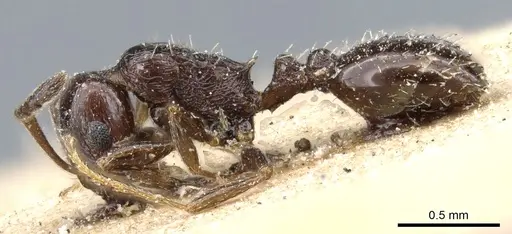
CASENT0909033
View on AntWeb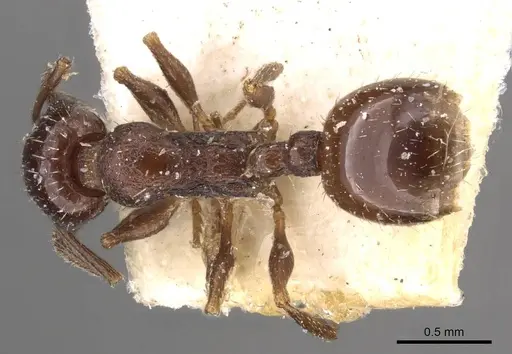
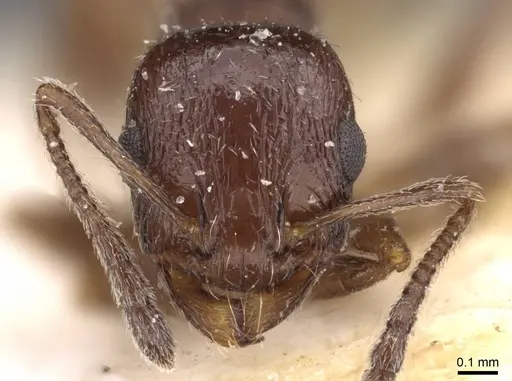
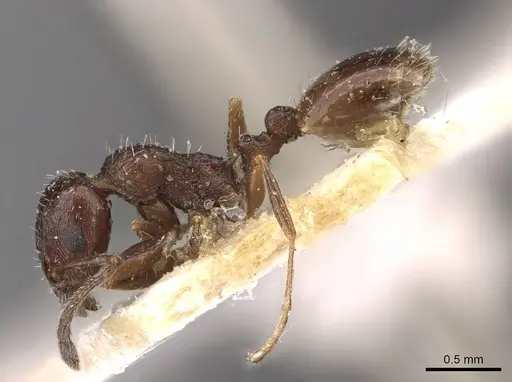
CASENT0912972
View on AntWeb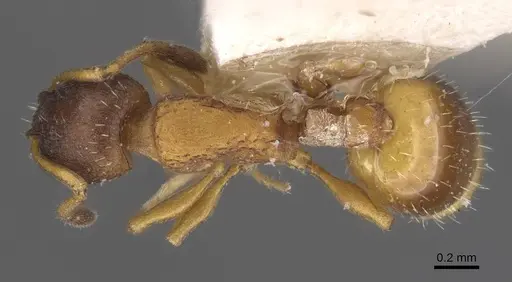
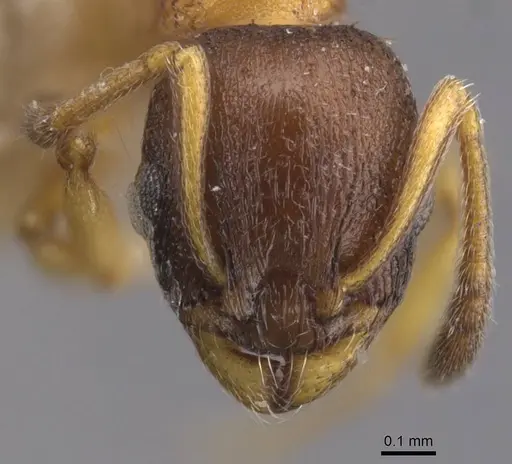
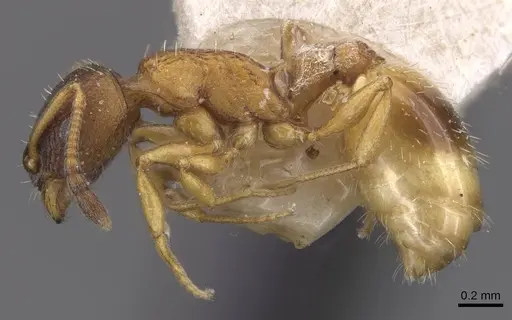
CASENT0912973
View on AntWeb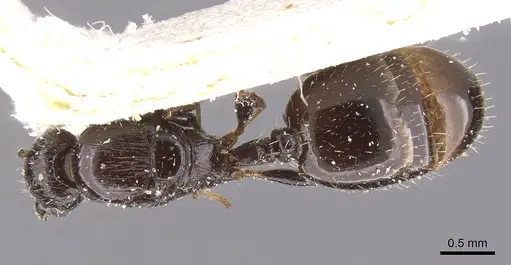
CASENT0913632
View on AntWeb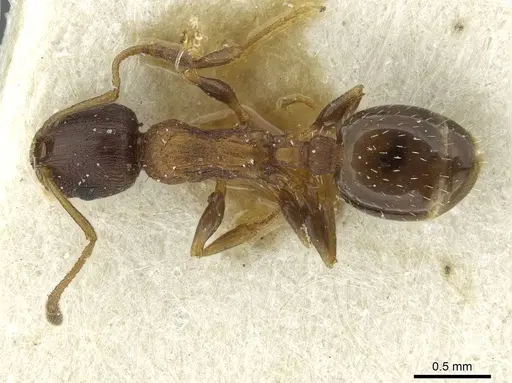
FOCOL2011
View on AntWeb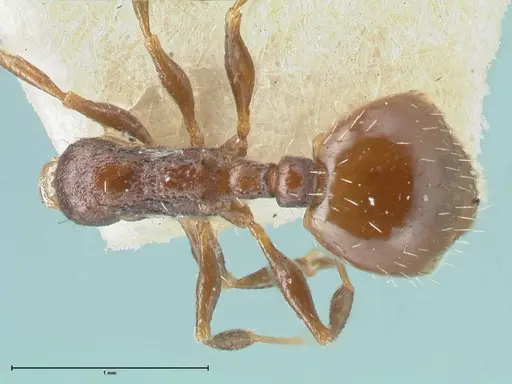
FOCOL2012
View on AntWeb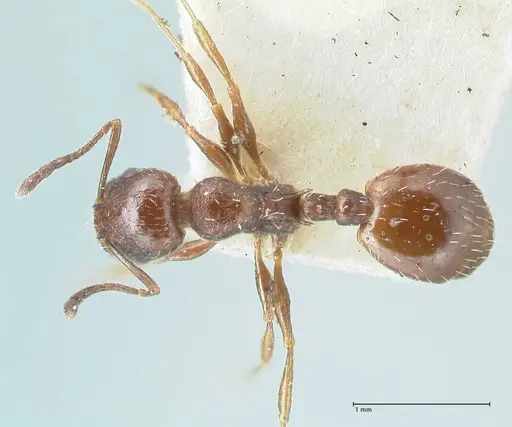
Literature
Loading distribution map...Loading products...