
Temnothorax michali
- Sci. Name
- Temnothorax michali
- Tribe
- Crematogastrini
- Subfamily
- Myrmicinae
- Author
- Radchenko, 2004
- Distribution
- Found in 1 countries
Introduction
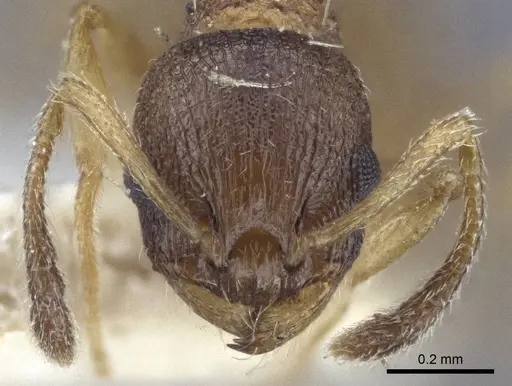
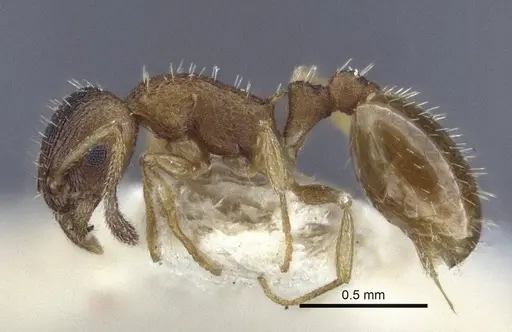
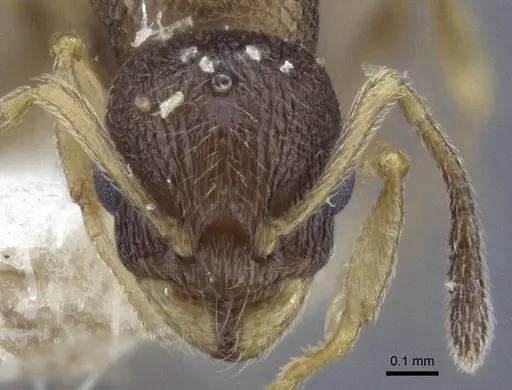
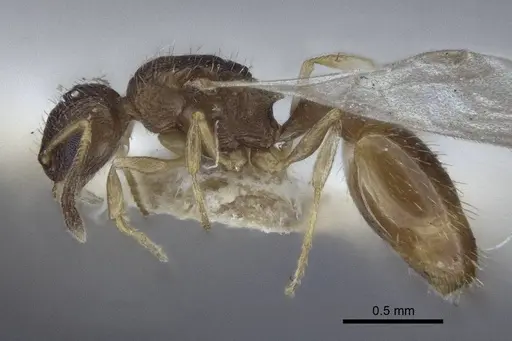
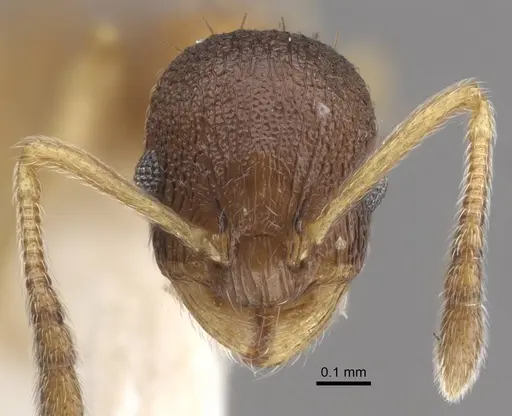
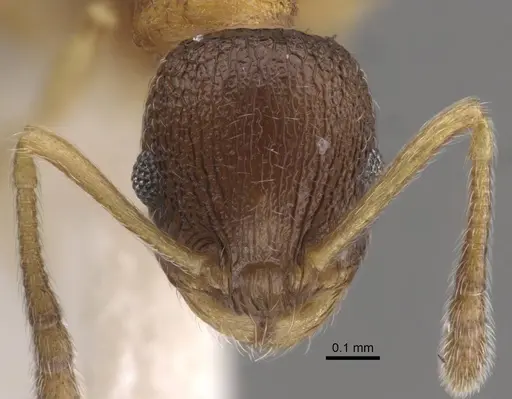
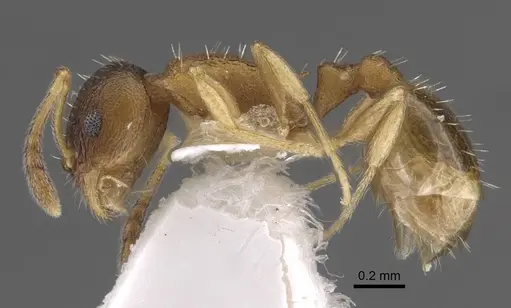
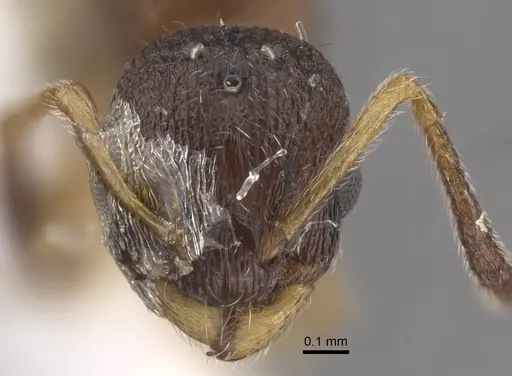
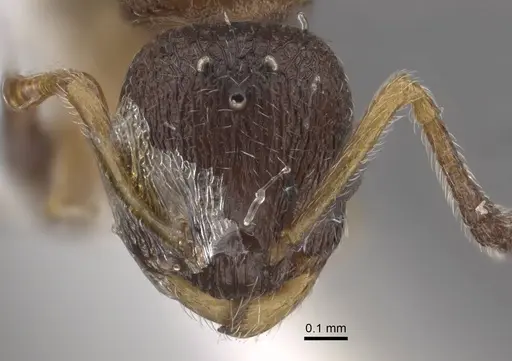
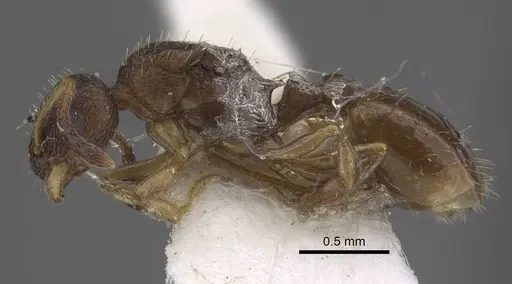
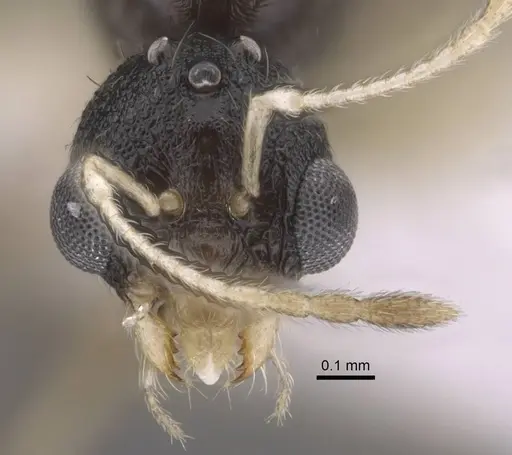
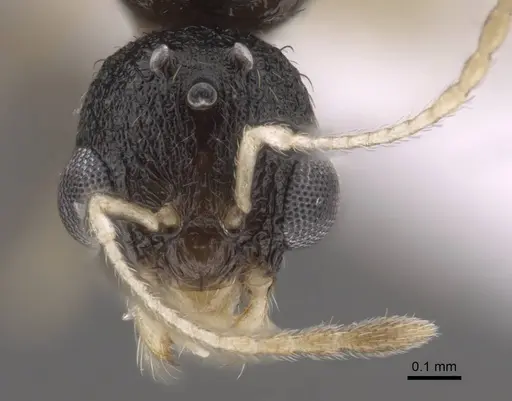
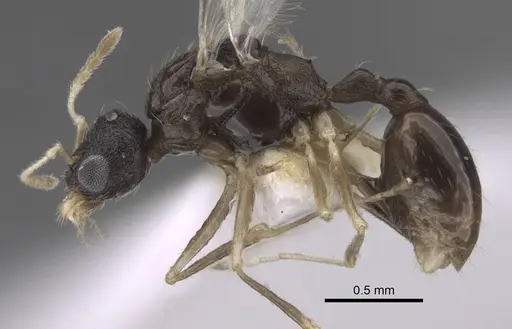
Temnothorax michali is a small ant species known only from North Korea, where it inhabits deciduous and mixed forests (with oak, maple, pine, and larch) at low altitudes between 185 and 860 meters . Workers are tiny, typically 2-4 mm (inferred from genus patterns), with a distinctive coloration: the head is brownish and darker than the rest of the body, while the alitrunk (thorax) and waist are ochreous-yellow to brownish-yellow, and the gaster (abdomen) is the same color as the alitrunk or only slightly darker, lacking a pale spot at the base . The antennae have 12 segments with long scapes that reach or slightly surpass the occipital margin . This species was described by Radchenko in 2004 and named after Polish myrmecologist Prof. Michal Woyciechowski, who collected the type specimens . This ant is a typical forest-floor dweller, nesting in soil, under stones, or in rotten wood . It most closely resembles Temnothorax kaszabi but can be distinguished by its longer antennal scapes and lighter gaster without a pale basal spot . Its natural habitat hints at a need for stable, moderate conditions and consistent moisture.
Quick Summary
- Difficulty: Medium
- Origin & Habitat: North Korea (Democratic Peoples Republic of Korea), inhabits deciduous and mixed forests with Quercus, Acer, Pinus, and Larix at low altitudes (185-860 m a.s.l.) [1][2].
- Colony Type: Unknown, no published data on colony structure. Most Temnothorax species are monogyne (single queen), but this is not confirmed for T. michali.
- Size & Growth:
- Queen: ~4-5 mm (inferred from genus patterns) [1].
- Worker: 2-4 mm (inferred from genus patterns) [1].
- Colony: Unknown, no data. Most Temnothorax species reach up to a few hundred workers at maturity.
- Growth: Unknown (likely moderate based on genus patterns)
- Development: Unpublished, based on related Temnothorax species, roughly 6-10 weeks at optimal temperature. (Development depends heavily on temperature, warmer conditions within a safe range speed development.)
- Antkeeping:
- Temperature: Unknown, no specific data. Based on its temperate forest habitat, keep at room temperature (20-24°C) and avoid fluctuations [1].
- Humidity: Unknown, needs high moisture. The species nests in soil or rotten wood, so the nest substrate should be kept damp but not waterlogged, with some drier areas available [1].
- Diapause: Yes, inferred from temperate origin. Likely requires a winter rest of 2-3 months at 10-15°C [1].
- Nesting: In nature nests in soil, under stones, or in rotting wood [1]. In captivity, test tubes with a water reservoir or small formicaria with tight, humid chambers work well.
- Behavior: Docile and non-aggressive, workers flee rather than fight. Tiny size means high escape risk, use fine mesh barriers. The species belongs to the tribe Crematogastrini, which uses a smearing venom defense, but they pose no danger to keepers.
- Common Issues: tiny size makes escapes likely without fine mesh barriers, humidity must be kept consistently high or the colony may desiccate, winter diapause likely required for long-term colony health, skipping it can weaken the queen, founding phase can be slow, patience is needed during the first months, overfeeding can cause mold in the nest, especially in humid setups
Housing and Nest Preferences
Temnothorax michali nests naturally in soil, under stones, or in rotten wood, tight, humid micro-spaces [1]. For captivity, test tubes with a cotton-plugged water reservoir are ideal for founding and can be used long-term. Y-tong (AAC) nests with narrow chambers or small naturalistic setups with flat stones on damp substrate also work well. The key is keeping chambers small and snug, these ants feel secure when workers can touch the walls on both sides. Avoid large, open spaces. Keep the nest area humid but provide some dry areas in the outworld. Because of their tiny size, all connections and openings must be sealed with fine mesh or tightly fitting tubing.
Feeding and Diet
No specific dietary data exists for T. michali, but like most Temnothorax species they are probably omnivorous with a preference for protein. Offer small live prey (fruit flies, springtails, pinhead crickets) or tiny pieces of cooked chicken every few days. Provide a constant sugar source (honey or sugar water). Portions should be tiny, a single fruit fly or a drop of sugar water is enough for a young colony. Remove uneaten food after a day to prevent mold. As the colony grows, increase amounts gradually.
Temperature and Seasonal Care
The natural forest habitat of T. michali suggests moderate, stable temperatures [1]. Room temperature (20-24°C) is recommended, avoid heat sources and strong fluctuations. Since the species comes from a temperate region, it likely requires a winter diapause. Provide 2-3 months of cooler conditions (10-15°C) during winter, for instance by moving the colony to a cool basement or fridge. Reduce feeding during this period. Skipping hibernation may weaken the colony over the long term.
Behavior and Handling
Temnothorax michali is a peaceful ant. Workers are timid and will not sting or bite defensively, they prefer to flee. The main risk to keepers is their tiny size: they can easily squeeze through the smallest gaps, so use fine mesh (e.g.,0.1mm) on ventilation. They belong to the tribe Crematogastrini, where defense involves smearing venom from a modified stinger, but this is not a threat to humans. Foraging is typically solitary or in small groups. Watch for workers carrying prey as a sign of a healthy colony.
Colony Growth and Development
There is no published data on colony growth for T. michali. Based on related Temnothorax species, a newly mated queen probably founds claustrally: she seals herself in a chamber, lives off stored reserves, and lays eggs without foraging. The first workers (nanitics) emerge after roughly 6-10 weeks at 20-24°C. Colony growth is likely moderate, a mature colony may contain a few hundred workers. The queen can live several years. Patience is important during founding, the queen may not start laying immediately, and growth can seem slow at first.
Frequently Asked Questions
Can I keep Temnothorax michali in a test tube?
Yes, test tubes work very well for this species. The tight, humid chamber mimics their natural nesting sites. A founding colony can stay in a test tube for many months or even years. Connect additional tubes as it grows to provide more space.
How long does it take for the first workers to appear?
Exact timing is unknown for this species. Based on related Temnothorax, first workers likely emerge 6-10 weeks after the queen lays eggs, assuming temperatures around 20-24°C. Warmer conditions speed development, cooler conditions slow it.
Do Temnothorax michali ants sting?
No, they do not sting in the typical sense. They belong to a group that uses a smearing defense mechanism, they wipe venom onto attackers rather than piercing skin. To humans, they are completely harmless and will not cause pain.
What temperature do they need?
No temperature has been measured specifically, but based on their temperate forest habitat, keep them at room temperature (20-24°C). Avoid temperatures above 28°C or below 10°C except during hibernation [1].
Do they need hibernation or diapause?
Yes, because they come from a temperate climate with cold winters. They likely need a winter rest of 2-3 months at 10-15°C. This can be done in a cool room, basement, or fridge. Skipping diapause may weaken the colony over time [1].
Are Temnothorax michali good for beginners?
They are moderately suitable. Their tiny size and escape risk require careful housing, but they are peaceful and have simple care requirements. The main challenges are preventing escapes and providing proper hibernation. They are more delicate than hardy beginner species like Lasius niger.
How big do colonies get?
No exact data exists. Based on related Temnothorax species, mature colonies likely number a few hundred workers. This is a small colony size, allowing for compact setups.
What do they eat?
Likely omnivorous with a protein preference. Offer small prey like fruit flies, springtails, or tiny cricket pieces 2-3 times per week, plus a constant sugar source (honey or sugar water).
Why are my ants dying?
Common causes include: escape (they are tiny, check for gaps), low humidity (desiccation), incorrect temperature (too hot or cold), mold from overfeeding, and stress from excessive disturbance. If workers are dying but the queen is alive and laying, check these factors.
When should I move them to a formicarium?
You don't have to move them, test tubes work long term. If you prefer a formicarium, wait until the colony has at least 50-100 workers. Choose a small nest with tight chambers, scaled to their tiny size.
Report an Issue
The current care sheet is based fully on literature. See inconsistencies, or something that's incorrect? Please , it will be resolved after review from an admin. Contributing to the blogs tab also helps providing information, to make us be able to further improve the caresheets. Thank you for your support!
References

This caresheet is licensed under CC BY-SA 4.0 .
Community Blogs
CASENT0916698
View on AntWeb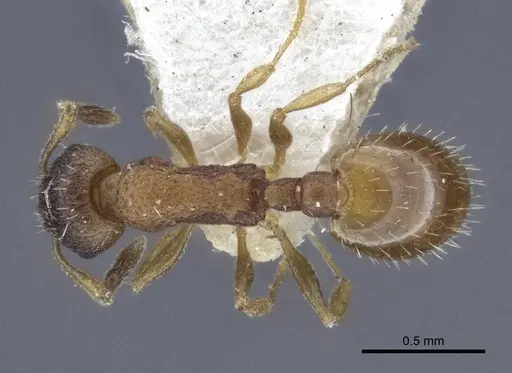
CASENT0916699
View on AntWeb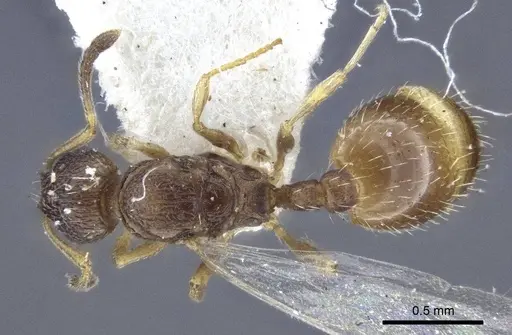
CASENT0917455
View on AntWeb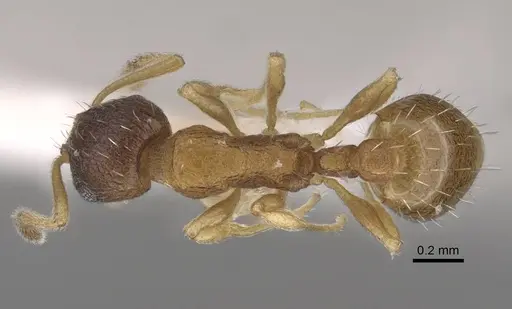
CASENT0917456
View on AntWeb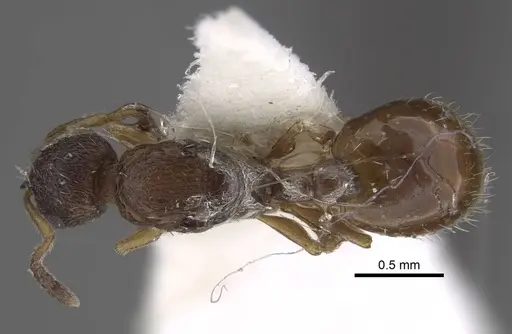
CASENT0917457
View on AntWeb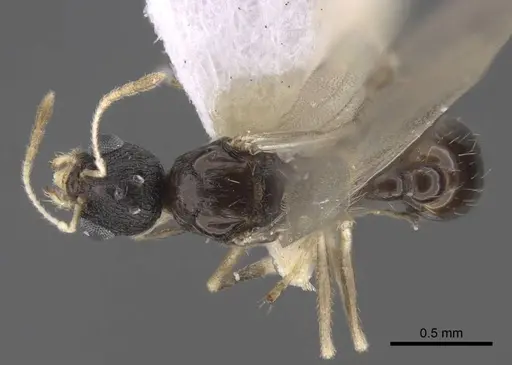
Literature
Loading distribution map...Loading products...