
Temnothorax mauritanicus
- Sci. Name
- Temnothorax mauritanicus
- Tribe
- Crematogastrini
- Subfamily
- Myrmicinae
- Author
- Santschi, 1909
- Distribution
- Found in 1 countries
Introduction
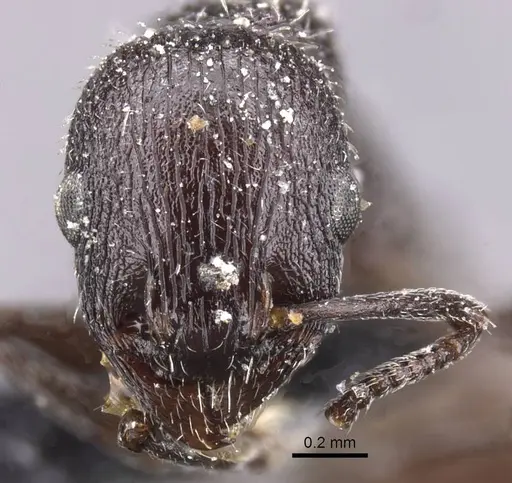
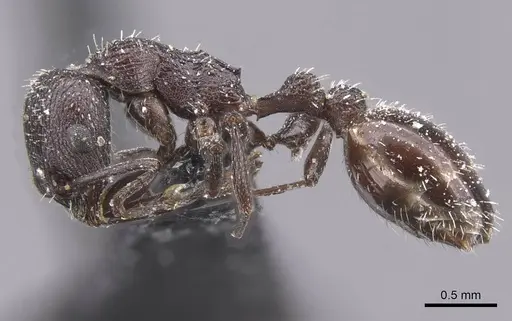
Temnothorax mauritanicus is a tiny ant endemic to Morocco, belonging to the rottenbergii species group. It is distinguished by very short spines on the mesosoma and a relatively wide postpetiole, which help separate it from related species. This species was originally described in 1909 as a subspecies of Leptothorax cabrerae and raised to species level in 1939 . It is known only from the Essaouira, Mamora, and Fes regions of Morocco . Worker size is not specifically documented, but based on the genus, they are estimated at 2-3mm. The species is part of a group that is considered rare even within its native range.
Quick Summary
- Difficulty: Medium
- Origin & Habitat: Endemic to Morocco in North Africa, recorded from Essaouira, Mamora, and Fes [2]. Specific habitat preferences are not documented, related species nest in small cavities in soil or under stones in dry to moderately damp areas.
- Colony Type: Colony structure is not documented. Based on typical Temnothorax patterns, colonies are likely monogyne (single queen).
- Size & Growth:
- Queen: Not documented. Inferred from Temnothorax genus: queens are typically about 4-5mm.
- Worker: Not explicitly documented. Inferred from genus: workers are estimated around 2-3mm.
- Colony: Not documented. Small colonies typical of the genus, likely under a few hundred workers.
- Growth: Not documented. Likely moderate based on related species.
- Development: Not documented. Based on related species, approximately 6-10 weeks at 20-24°C. (Timeline assumes optimal conditions, first workers are smaller than mature workers.)
- Antkeeping:
- Temperature: No specific data. Keep at room temperature (20-24°C), typical for Mediterranean ants. Avoid prolonged temperatures above 28°C.
- Humidity: No specific data. Provide moderate humidity: allow nest substrate to dry partially between waterings. Avoid constant saturation.
- Diapause: Yes. Based on the cool winters in its Moroccan range, a winter diapause of 8-12 weeks at 10-15°C is recommended.
- Nesting: Use small-scale nests such as Y-tong (AAC) with narrow chambers or test tubes. They prefer snug, tight spaces. Escape prevention is critical due to tiny size.
- Behavior: Docile and non-aggressive. Like other Myrmicinae in tribe Crematogastrini, they use a modified stinger to smear venom rather than piercing, but this is not a threat to humans. They are tiny and can escape through surprisingly small gaps, use fine mesh (0.5mm or finer) on all openings.
- Common Issues: escape prevention is critical, their tiny size means they can slip through gaps that larger ants cannot, colonies grow slowly, which can frustrate beginners expecting rapid development, winter diapause is essential, skipping hibernation will weaken the colony over time, test tube flooding can drown founding queens, use appropriate water reservoir sizes, wild-caught colonies may harbor parasites that can decimate captive colonies
Housing and Nest Setup
Because of their tiny size, small-scale housing is essential. A test tube setup with a small water reservoir works well for founding. For established colonies, use Y-tong (AAC) or plaster nests with narrow chambers. Avoid large open spaces, they feel safer in tight quarters. Use a small outworld for foraging. Escape prevention is critical: use fine mesh (0.5mm or smaller) on all ventilation and check connections regularly. These recommendations are based on general experience with small Temnothorax species.
Feeding and Diet
This species is likely omnivorous, like other Temnothorax. Offer tiny sugar sources such as diluted honey or ant nectar, and small protein items like fruit flies, pinhead crickets, or springtails. Feed small amounts every 2-3 days and remove uneaten prey within 24 hours to prevent mold. During founding, the queen does not feed. Once workers arrive, they will forage. These feeding guidelines are based on general Temnothorax care.
Temperature and Seasonal Care
Maintain nest temperatures around 20-24°C. They can tolerate brief periods up to 28°C but prolonged heat can be fatal. Given their distribution in Morocco with cool winters, a winter diapause (hibernation) of 8-12 weeks at 10-15°C is recommended. Place the colony in a cool basement, unheated room, or a refrigerator with ventilation. Do not feed during diapause and minimize disturbance. Resume normal temperatures in spring. These recommendations are inferred from general care for Mediterranean ants. [2]
Colony Development
A newly mated queen likely founds her colony claustrally, sealing herself in a small chamber and raising the first brood on stored reserves. Expect approximately 6-10 weeks from egg to first worker at optimal temperature, based on related species. The first workers (nanitics) are smaller than mature workers. Colony growth is gradual, a healthy colony may take several years to reach maturity. Avoid disturbing the queen during founding, as it may cause colony failure.
Behavior and Temperament
This species is docile and not aggressive toward humans. As a member of the Crematogastrini tribe, it uses a modified stinger to smear venom rather than pierce, but this is not a threat to keepers. Workers forage individually and communicate via chemical signals and tandem running. Their tiny size makes them vulnerable to escape through small gaps, excellent escape prevention is essential. Keep them separate from larger, aggressive species.
Frequently Asked Questions
How long does it take for Temnothorax mauritanicus to have first workers?
Not specifically documented, but based on related species, expect about 6-10 weeks from egg to first worker at 20-24°C. The first workers (nanitics) are smaller than mature workers.
Do Temnothorax mauritanicus ants sting?
They do not have a typical stinger that pierces skin. Instead, they use a modified stinger to smear venom, which is not considered a threat to humans.
What do I feed Temnothorax mauritanicus?
Provide tiny sugar sources (diluted honey, ant nectar) and small live prey (fruit flies, pinhead crickets, springtails). Remove uneaten food within 24 hours to prevent mold. These recommendations are based on general Temnothorax diet.
Do Temnothorax mauritanicus need hibernation?
Yes, given their Moroccan distribution with cool winters, a winter diapause of 8-12 weeks at 10-15°C is recommended. Skipping hibernation may weaken the colony over time.
Can I keep multiple Temnothorax mauritanicus queens together?
This species is not documented as polygyne. Based on typical Temnothorax patterns, it is likely monogyne, so keeping multiple queens together is not recommended.
What is the best nest type for Temnothorax mauritanicus?
Small-scale nests like Y-tong (AAC) with narrow chambers, small plaster nests, or test tubes work best. The chambers should be tight and scaled to their tiny size. Escape prevention must be excellent.
How big do Temnothorax mauritanicus colonies get?
Colony size is not documented for this species. Based on related small Temnothorax species, they likely remain under a few hundred workers at maturity.
Why are my Temnothorax mauritanicus escaping?
Their tiny size allows them to slip through standard barriers. Use fine mesh (0.5mm or smaller), check all connections, and ensure lids fit tightly. Escape prevention must be excellent.
Are Temnothorax mauritanicus good for beginners?
They are intermediate-level ants. While docile, they require excellent escape prevention, proper hibernation, and patience during founding. Not the best first ant, but manageable for careful keepers.
What temperature do Temnothorax mauritanicus need?
No specific data, keep at around 20-24°C. Room temperature in the low 20s°C is typically ideal. Avoid prolonged temperatures above 28°C.
Where is Temnothorax mauritanicus found in the wild?
This species is endemic to Morocco, recorded from the Essaouira, Mamora, and Fes regions [2].
When do Temnothorax mauritanicus nuptial flights occur?
Nuptial flight timing is not documented for this species. Based on similar Mediterranean species, flights likely occur during warm spring or summer months.
Report an Issue
The current care sheet is based fully on literature. See inconsistencies, or something that's incorrect? Please , it will be resolved after review from an admin. Contributing to the blogs tab also helps providing information, to make us be able to further improve the caresheets. Thank you for your support!
References

This caresheet is licensed under CC BY-SA 4.0 .
Community Blogs
CASENT0912962
View on AntWeb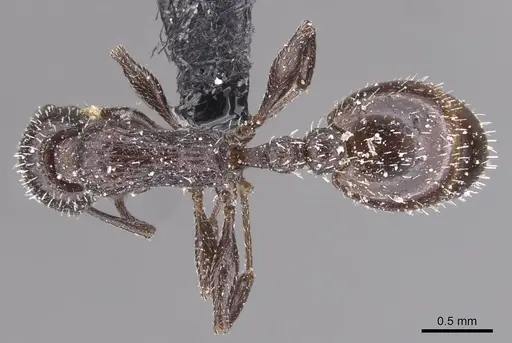
Literature
Loading distribution map...Loading products...