
Temnothorax leviceps
- Sci. Name
- Temnothorax leviceps
- Tribe
- Crematogastrini
- Subfamily
- Myrmicinae
- Author
- Emery, 1898
- Distribution
- Found in 3 countries
Introduction
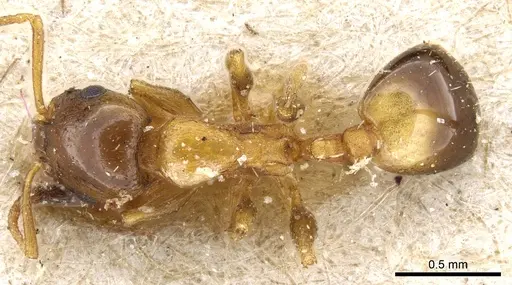
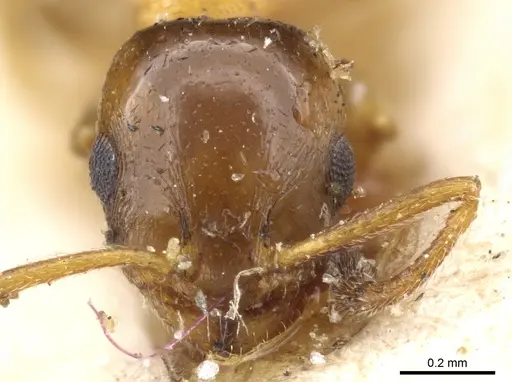
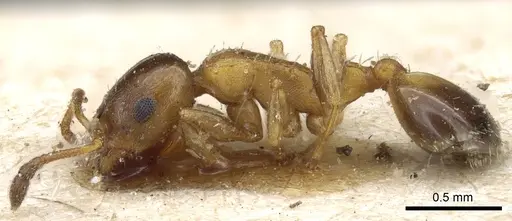
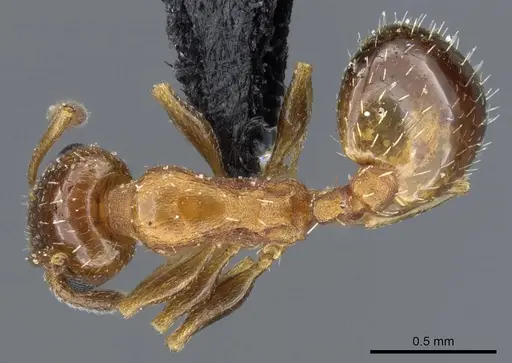
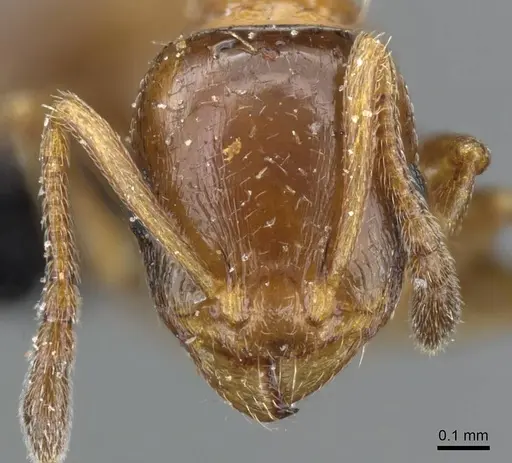
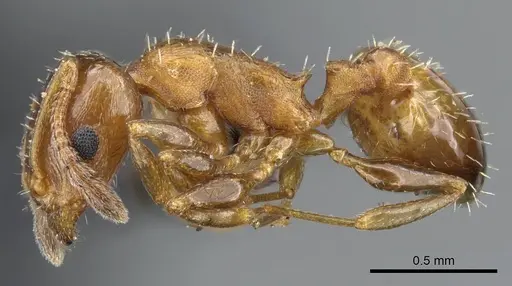
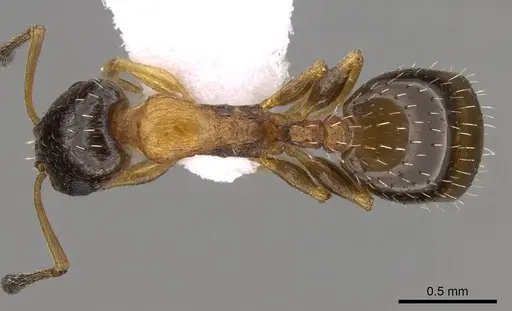
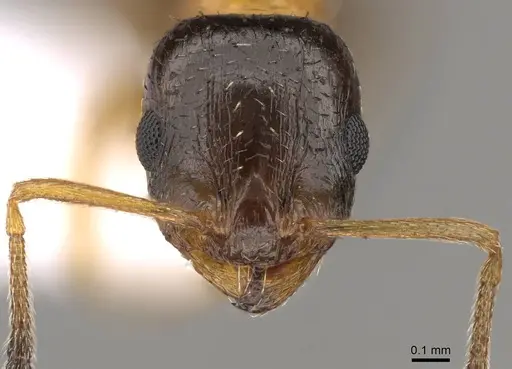
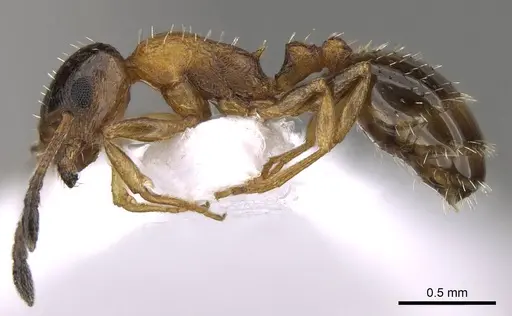
Temnothorax leviceps is a small, dark ant native to mountainous regions of Europe. Workers are 2-4 mm long, queens 4-5 mm . They are dark brown to black with a slightly lighter middle body section. These ants are cavity-nesters - they live in small spaces like hollow stems, under loose bark, in rotting wood, or under stones. You can expect a single queen and up to 300 workers . Their small size and calm temperament make them a good choice for antkeepers looking for something manageable.
Quick Summary
- Difficulty: Easy
- Origin & Habitat: Mountainous regions of Central and Southern Europe, found in forested areas at moderate elevation. They prefer damp, shaded microhabitats and nest in pre-existing cavities rather than digging their own [1].
- Colony Type: Monogyne, single queen colonies. Queens can produce ergatoid (wingless) replacement reproductives that take over if the primary queen dies, ensuring the colony survives [1].
- Size & Growth:
- Queen: 4-5 mm [1]
- Worker: 2-4 mm [1]
- Colony: Up to 300 workers, sometimes larger in very established colonies [1]
- Growth: Moderate
- Development: 6-10 weeks, based on typical Temnothorax development patterns (Warmer temperatures within the acceptable range speed up development. Keep conditions stable.)
- Antkeeping:
- Temperature: Based on typical Temnothorax needs, keep at 18-22 °C. They prefer cooler conditions than many ants and can suffer if overheated.
- Humidity: Keep the nest substrate moderately moist but not wet. Their natural nesting spots under stones and in rotting wood provide steady moisture.
- Diapause: Yes, give them a winter rest period of 2-3 months at 5-10 °C [1].
- Nesting: Y‑tong (AAC) or plaster nests work well because they offer tight chambers. Test tube setups are fine for founding colonies. They like pre‑made cavities, no need to provide digging material.
- Behavior: Generally peaceful and non‑aggressive. Workers are small but active foragers. They use tandem‑running, one worker leads another directly to food rather than laying a trail. If threatened, they use a modified stinger to smear venom, not inject it. The venom is harmless to humans. Their tiny size makes escape a big risk, use fine mesh and barriers.
- Common Issues: escape prevention is critical, they are tiny and can slip through standard gaps., colonies are small and grow slowly, don't expect fast expansion., overheating is a real danger, keep them cool., test tube setups can dry out quickly in heated rooms, refill water regularly., wild‑caught colonies may carry parasites that harm the colony.
Housing and Nest Setup
Temnothorax leviceps does well in Y‑tong (AAC) nests with small chambers that mimic natural cavities. Plaster nests also work, they hold moisture and are easy to carve. For founding colonies, use a narrow test tube (10-12 mm diameter) so the queen feels secure. Avoid large open spaces, these ants prefer tight, enclosed areas. Place the nest in a cool spot away from sunlight and heating. They won’t dig their own tunnels, so make sure all chambers are pre‑made. [1]
Feeding and Diet
These ants are opportunistic feeders. In the wild they hunt small arthropods and tend aphids for honeydew [1]. In captivity, offer small protein sources like fruit flies, small crickets, or pieces of mealworm. Also provide a constant supply of sugar water, honey, or syrup as an energy source. Feed protein 2-3 times per week and remove uneaten food within 24 hours to prevent mold. Keep sugar sources available between protein feedings.
Temperature and Seasonal Care
Temnothorax leviceps prefers cooler temperatures than many common ants. Keep the nest at 18-22 °C, they can handle short periods slightly outside this range but overheating is dangerous. Avoid placing the nest near heaters or in direct sunlight. For winter, give them a diapause period of 2-3 months at 5-10 °C, move them to an unheated garage, basement, or a small dedicated fridge. This rest is key for their natural life cycle and helps trigger spring reproduction [1].
Behavior and Observation
One of the most interesting things about these ants is their tandem-running recruitment, a forager physically leads a nestmate directly to food instead of laying a pheromone trail. This behavior makes them fun to watch. Workers are active foragers and will explore their outworld quickly once they feel safe. They are generally docile. If threatened, they smear venom using a modified stinger (a common trait in the Crematogastrini tribe), it’s harmless to you. Their tiny size requires careful escape prevention: use fine mesh and fluid barriers like fluon on outworld rims. [1]
Colony Growth and Development
A newly mated queen will seal herself in a small cavity and start laying eggs after 1-2 weeks. The first workers (nanitics) emerge after about 6-10 weeks, and they are even smaller than normal workers [1]. Once nanitics appear, the queen stops foraging and is fed by her daughters. Colony growth speeds up as more workers develop, but final size stays modest, up to 300 workers. That’s typical for this genus, not a sign of poor care. With proper husbandry, mature colonies can live for many years.
Frequently Asked Questions
How long does it take for Temnothorax leviceps to get their first workers?
Expect 6-10 weeks from founding to first workers, depending on temperature. Warmer conditions (within 18-22 °C) speed things up a bit.
Can I keep multiple Temnothorax leviceps queens together?
No, this species is monogyne, so colonies naturally have only one queen. Introducing another queen leads to fighting. However, ergatoid replacement reproductives may appear if the primary queen dies [1].
Do Temnothorax leviceps ants sting?
They have a modified stinger used to smear venom rather than inject it. The venom is not harmful to humans, and the ants are quite docile. They may bite if provoked, but that’s rare.
What temperature do Temnothorax leviceps need?
Keep them at room temperature, ideally 18-22 °C. They prefer cooler conditions than many ants and can be harmed by overheating. Keep them away from heaters and direct sunlight.
Do Temnothorax leviceps need hibernation?
Yes, they require a winter diapause of 2-3 months at 5-10 °C. This rest is essential for their life cycle and triggers normal reproduction in spring [1].
Are Temnothorax leviceps good for beginners?
Yes, they are easy to keep because they don’t need extreme temperatures or humidity. Their small colony size makes them manageable, and they are not aggressive. Just be careful about escape prevention due to their tiny size.
How big do Temnothorax leviceps colonies get?
Colonies typically reach up to 300 workers. That’s smaller than many common ants, but it’s normal for this genus. They can live for many years with good care [1].
What do Temnothorax leviceps eat?
They eat small insects (fruit flies, small crickets, mealworms) and sugar sources like honey or syrup. Offer protein 2-3 times per week and keep sugar water always available.
When should I move my Temnothorax leviceps to a formicarium?
Wait until the colony has at least 20-30 workers before moving them. They do well in test tubes during founding and early growth. Once the tube gets crowded, move them to a Y‑tong or plaster nest.
Why are my Temnothorax leviceps escaping?
Their tiny size makes them excellent escape artists. Standard barriers may not work, use fine mesh on all openings and apply fluon or another reliable barrier to the outworld rim.
How often should I feed Temnothorax leviceps?
Feed protein 2-3 times per week. Remove leftover protein within 24 hours. Keep sugar water, honey, or syrup available at all times for energy.
Report an Issue
The current care sheet is based fully on literature. See inconsistencies, or something that's incorrect? Please , it will be resolved after review from an admin. Contributing to the blogs tab also helps providing information, to make us be able to further improve the caresheets. Thank you for your support!
References

This caresheet is licensed under CC BY-SA 4.0 .
Community Blogs
Literature
Loading distribution map...Loading products...