
Temnothorax laconicus
- Sci. Name
- Temnothorax laconicus
- Tribe
- Crematogastrini
- Subfamily
- Myrmicinae
- Author
- Csősz <i>et al.</i>, 2014
- Distribution
- Found in 2 countries
Introduction
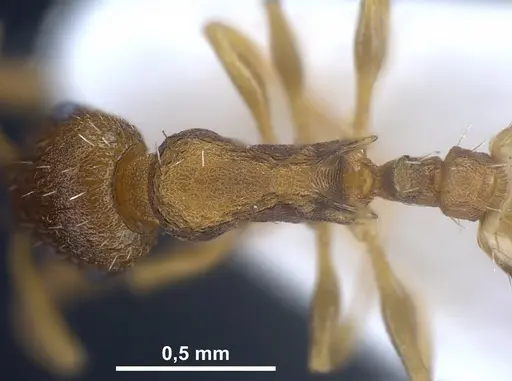
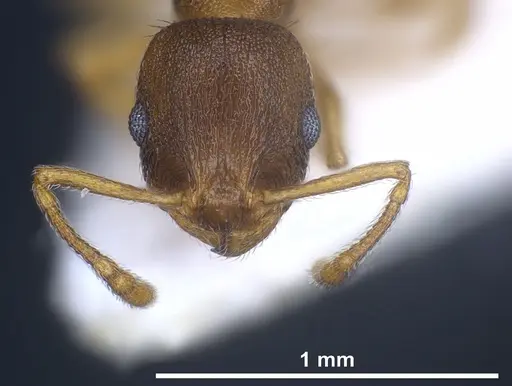
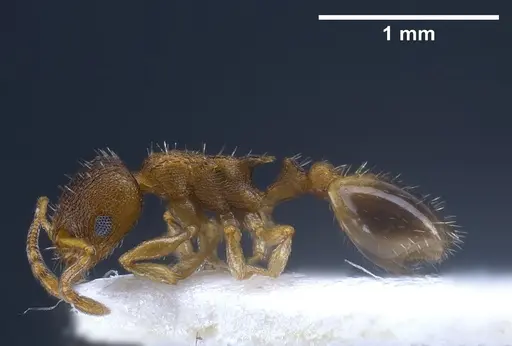
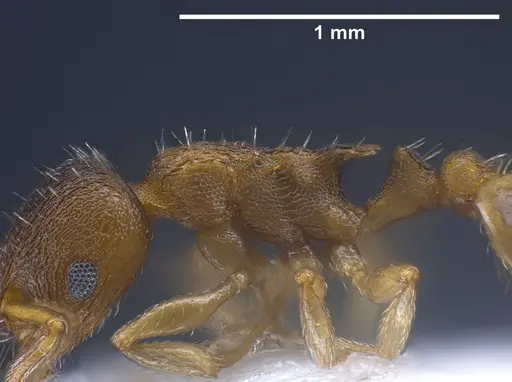
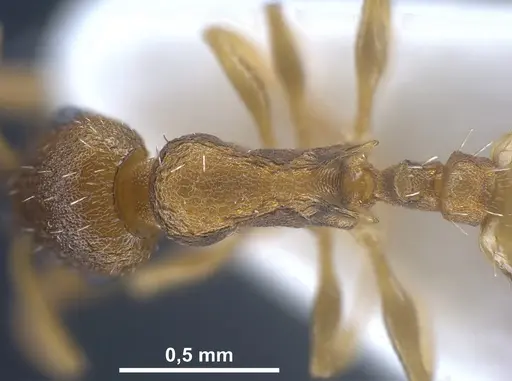
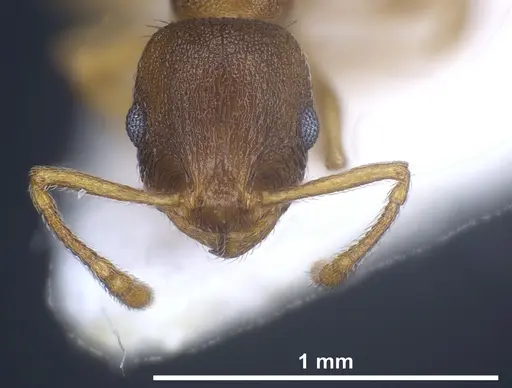
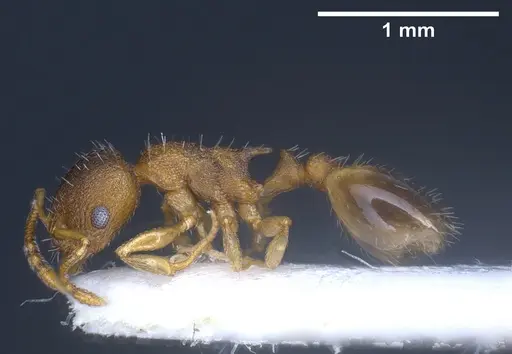
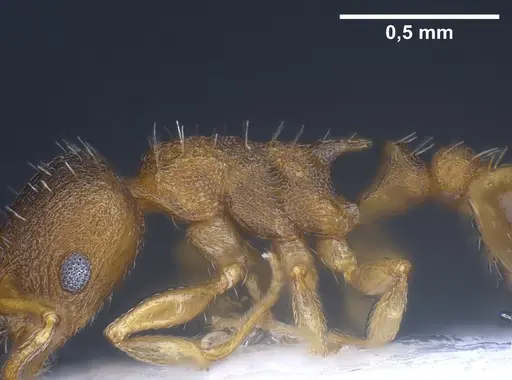
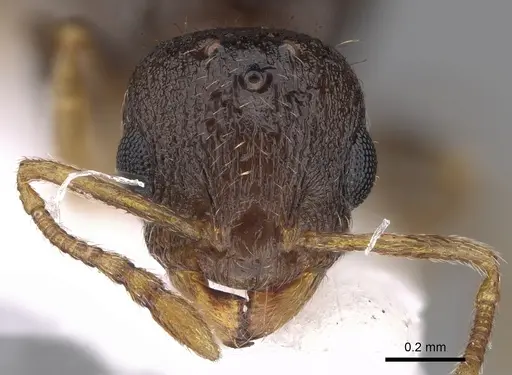
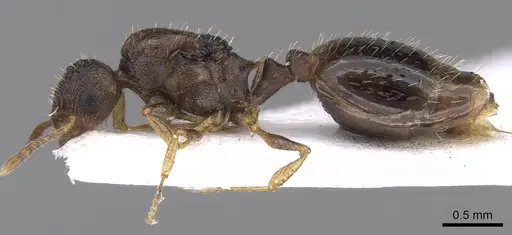
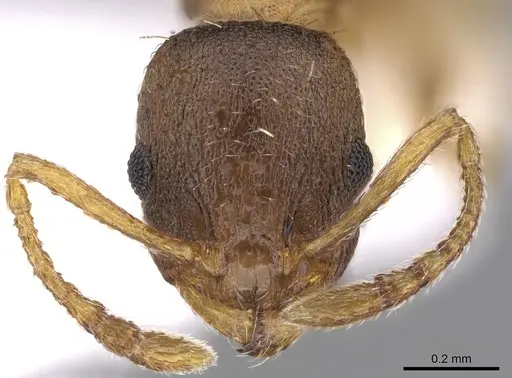
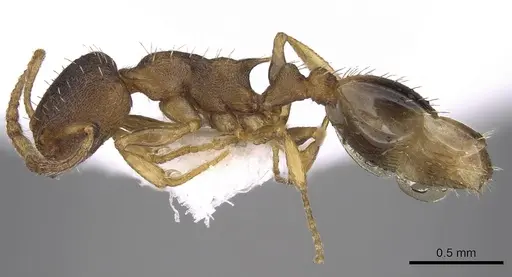
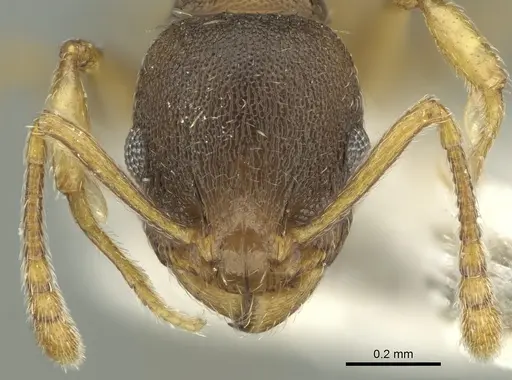
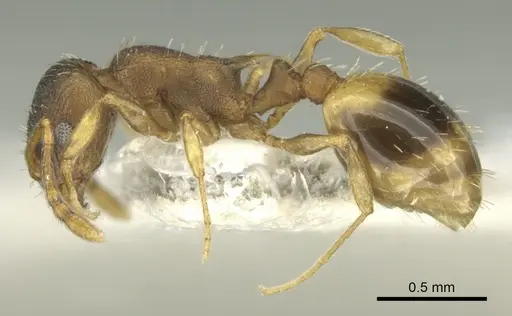
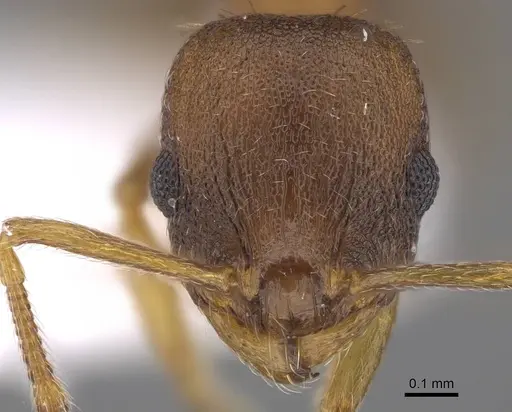
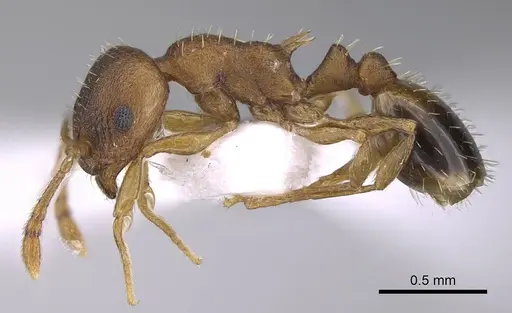
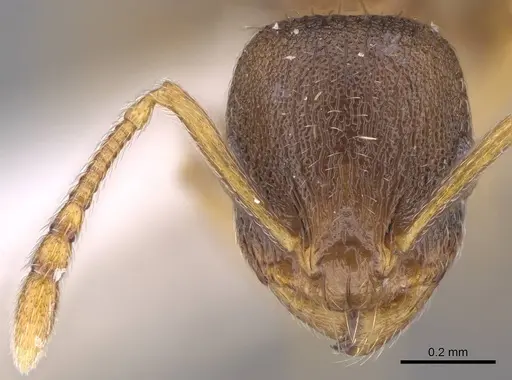
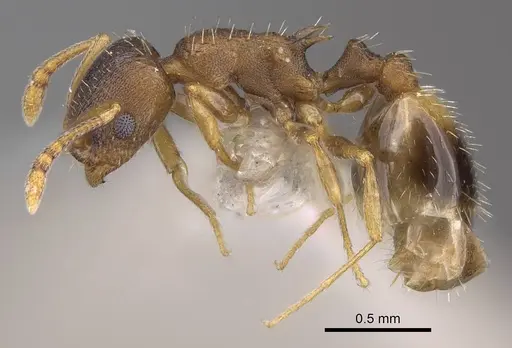
Temnothorax laconicus is a tiny Mediterranean ant species recently described in 2013,formerly confused with its close relative Temnothorax lichtensteini. Workers are very small, with body length estimated around 2-3 mm based on head capsule proportions . They have very long propodeal spines - the longest of any species in this revision - that angle only 20-25° from the mesosomal axis . Their coloration is generally brown with lighter appendages; the mesosoma, waist, and base of the first gaster segment appear dirty yellowish-brown to light-brown, while the head and rear of the gaster are darker . This species is endemic to Greece, found only in the Peloponnese peninsula, the Ionian island of Kerkira, and western Sterea Ellas . It prefers shady forest habitats, both deciduous and coniferous, nesting in cracked rocks and stones, under moss, or inside dry branches of trees . The species name 'laconicus' refers to Laconia, the region of the Peloponnese where it was first discovered .
Quick Summary
- Difficulty: Medium
- Origin & Habitat: Endemic to Greece: Peloponnese peninsula, Ionian Islands (Kerkira), and western Sterea Ellas. Found in shady forest habitats at elevations of 460-1470 m [5][4]. Nests in cracked rocks and stones, under moss, or inside dry branches of trees [4].
- Colony Type: Unconfirmed, likely single-queen (monogyne) based on genus patterns, but not studied for this species specifically.
- Size & Growth:
- Queen: Not described in literature, size unknown.
- Worker: Total body length not directly measured, estimated ~2-3 mm based on typical Temnothorax proportions (inferred from genus) [1][2].
- Colony: Not documented, likely up to a few hundred workers (estimated from related small Temnothorax species).
- Growth: Moderate
- Development: Estimated 6-10 weeks based on related Temnothorax species (direct study not available for T. laconicus). (Inferred from genus-level data. Development depends on temperature and food availability.)
- Antkeeping:
- Temperature: Keep at room temperature, about 20-24°C. This species comes from Mediterranean Greece but prefers shady forest microhabitats, so avoid overheating. A gentle gradient allowing workers to self-regulate is ideal [4].
- Humidity: Moderate to high. Nests naturally under stones and moss in damp forests, keep the nest substrate consistently moist but not waterlogged. Provide some drier areas for choice [4].
- Diapause: Likely required. As a Mediterranean temperate species, provide a winter rest of 2-3 months at 10-15°C (November-February). This is inferred from geographic range and typical nylanderi-group biology [2].
- Nesting: Y-tong (AAC), plaster, or 3D-printed nests with small chambers work well. Naturalistic setups with flat stones, moss, and small dry branches mimic their natural nesting sites. Tight spaces are preferred [4][6].
- Behavior: Peaceful and shy. They flee rather than fight. Their primary defense is smearing venom (typical of the tribe) rather than stinging. Workers are tiny, so escape prevention must be excellent, even small gaps allow escapes. They forage individually.
- Common Issues: tiny size means escapes are likely without fine mesh barriers and tight-fitting connections., slow colony growth can frustrate beginners who overfeed or disturb the nest too often., wild-caught colonies may carry parasites that can devastate captive populations., test tube setups can flood if water reservoirs are too large for these small ants., mediterranean origin means they likely need winter diapause, keeping them warm year-round may stress colonies.
Housing and Nest Preferences
Temnothorax laconicus is a tiny ant that needs appropriately scaled housing. Y-tong (AAC) nests work exceptionally well because the narrow chambers match their small size. Plaster or 3D-printed nests with tight chambers are also suitable. In the wild, they nest in cracked rocks and stones, under moss, and inside dry branches of trees [4][6]. This translates well to captivity, a naturalistic setup with flat stones, some moss, and small pieces of dry wood creates an ideal environment. The key is providing tight spaces: these ants feel secure in snug chambers and may abandon overly large ones. Test tubes work for founding colonies but choose small-diameter tubes rather than standard size, and ensure the water reservoir is appropriately sized to prevent flooding.
Temperature and Seasonal Care
Keep your colony at room temperature, ideally between 20-24°C. This species comes from the Peloponnese region of Greece where summers are warm but they inhabit shady forest spots, so they do not need extreme heat [4]. Avoid placing the nest in direct sunlight or near heat sources that could cause overheating. As a Mediterranean species from temperate latitudes, T. laconicus likely requires a winter diapause period. During winter (roughly November-February in the Northern Hemisphere), reduce temperatures to 10-15°C and reduce feeding. This mimics their natural seasonal cycle and helps maintain colony health long-term. Do not skip hibernation as it may stress the colony and reduce lifespan [2].
Feeding and Diet
Like other Temnothorax species, T. laconicus is likely omnivorous with a preference for small protein sources. Offer small live prey such as springtails, fruit flies, or tiny crickets. They will also accept sugar water, honey, or honeydew. In their natural habitat, they forage for small insects and tend aphids for honeydew. Feed small amounts of protein 2-3 times per week, and keep a sugar source available constantly. Remove uneaten prey after 24-48 hours to prevent mold. Given their tiny size, prey items should be appropriately scaled, anything larger than their head width may go uneaten [7].
Humidity and Water
Maintain moderate to high humidity in the nest. These ants naturally nest under stones and moss in forests, which suggests they prefer damp but not saturated conditions [4][6]. The nest substrate should feel consistently moist but you should see some condensation on the test tube or nest walls. Provide a water tube or moisture source at all times. However, avoid waterlogging the nest as this can kill colonies. Some drier areas within the setup allow workers to self-regulate their humidity preferences. Mist the outworld occasionally but avoid direct misting of the nest chamber.
Handling and Colony Maintenance
Temnothorax laconicus is a docile species that does well in captivity when treated gently. Avoid frequent disturbances to the nest, these ants are sensitive to vibrations and may abandon brood if stressed. When moving or cleaning, do so quietly and minimize light exposure to the nest. Colony growth is moderate, expect the first workers (nanitics) to appear several months after founding, with gradual increases over time. Do not combine unrelated colonies as they will fight. If you collect a colony from the wild, quarantine and observe carefully, parasites are common and can wipe out captive colonies [7].
Frequently Asked Questions
How long does it take for Temnothorax laconicus to raise first workers?
Egg-to-worker development likely takes 6-10 weeks based on related Temnothorax species, though this has not been directly studied for T. laconicus. Factors like temperature and feeding quality affect timing. Founding queens seal themselves in and raise first workers alone, so patience is essential during this phase.
Can I keep Temnothorax laconicus in a test tube?
Yes, test tubes work well for founding colonies. Use a small-diameter tube rather than standard size since these ants are tiny. Ensure the water reservoir is appropriately sized, too much water can flood a small tube and drown the colony. Once the colony is well-established with several workers, consider moving to a Y-tong or small formicarium.
Do Temnothorax laconicus ants sting?
They have a stinger but their primary defense is smearing venom (typical of their tribe). They are very small and docile, they will flee rather than attack. Even if they did sting, the pain would be minimal. They are not dangerous to humans.
What temperature do Temnothorax laconicus need?
Keep them at room temperature, roughly 20-24°C. They come from Mediterranean Greece but prefer shady forest habitats, so avoid overheating. A slight temperature gradient allowing workers to choose their preferred spot is ideal. In winter, provide a cool period around 10-15°C for diapause [4].
How big do Temnothorax laconicus colonies get?
Colony size is not well documented for this recently described species, but based on typical Temnothorax patterns, colonies likely reach up to a few hundred workers. They are small ants and colonies grow more slowly than larger species.
Do Temnothorax laconicus need hibernation?
Yes, a winter diapause is likely required. As a Mediterranean species from temperate Greece (latitude ~36-42°N), they experience cool winters and have evolved to rest during this period. Provide 2-3 months at 10-15°C during winter (roughly November-February). Skipping hibernation may stress the colony and reduce lifespan [2].
Are Temnothorax laconicus good for beginners?
They are moderate difficulty, not the easiest but not challenging once you understand their needs. Their tiny size requires attention to escape prevention, and their slow growth tests patience. They are peaceful and fascinating to watch, making them rewarding for keepers willing to provide proper conditions.
What do Temnothorax laconicus eat?
They likely accept small live prey (springtails, fruit flies, tiny crickets), sugar water, honey, and honeydew. Feed small protein items 2-3 times per week and keep sugar water available. Remove uneaten prey after a day or two. Their tiny size means prey should be appropriately scaled [7].
Why are my Temnothorax laconicus dying?
Common causes include: escape through tiny gaps (check all connections with fine mesh), parasites from wild-caught colonies, drowning in oversized water reservoirs, stress from frequent disturbance, and lack of winter diapause. Also check that temperature and humidity are appropriate, they need moderate humidity and may struggle in dry conditions.
Report an Issue
The current care sheet is based fully on literature. See inconsistencies, or something that's incorrect? Please , it will be resolved after review from an admin. Contributing to the blogs tab also helps providing information, to make us be able to further improve the caresheets. Thank you for your support!
References

This caresheet is licensed under CC BY-SA 4.0 .
Community Blogs
ANTWEB1041299
View on AntWeb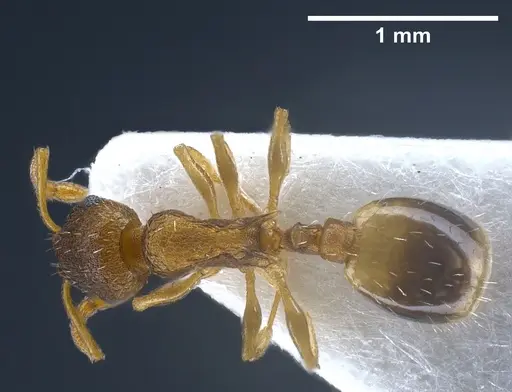
ANTWEB1041462
View on AntWeb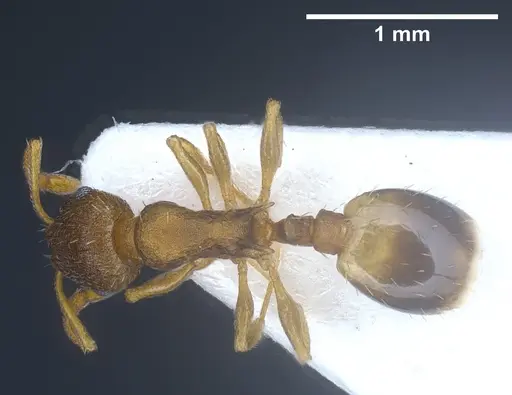
CASENT0906049
View on AntWeb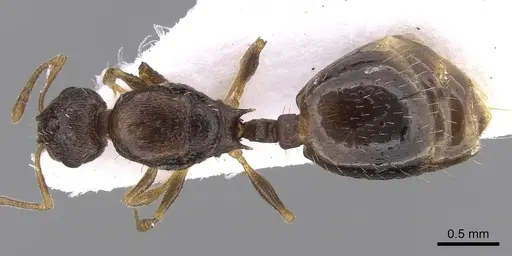
CASENT0906050
View on AntWeb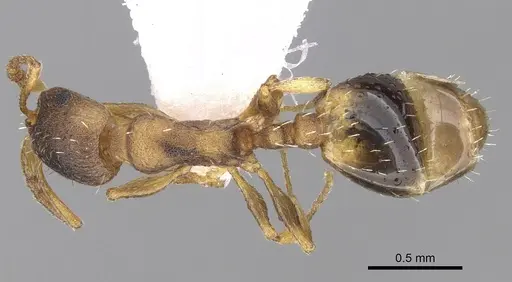
CASENT0906682
View on AntWeb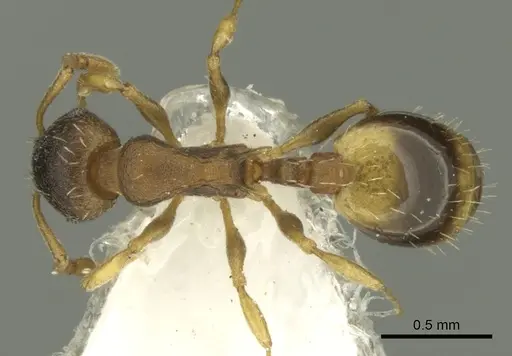
CASENT0914249
View on AntWeb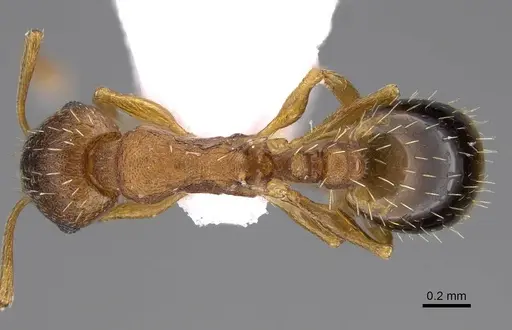
CASENT0914696
View on AntWeb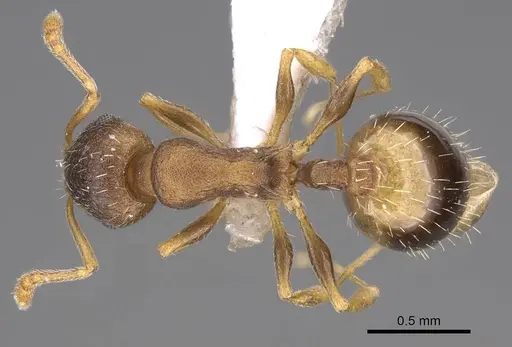
Literature
Loading distribution map...Loading products...