
Temnothorax furunculus
- Sci. Name
- Temnothorax furunculus
- Tribe
- Crematogastrini
- Subfamily
- Myrmicinae
- Author
- Wheeler, 1909
- Distribution
- Found in 1 countries
Introduction
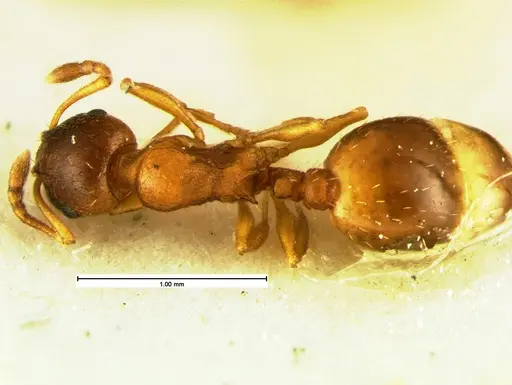
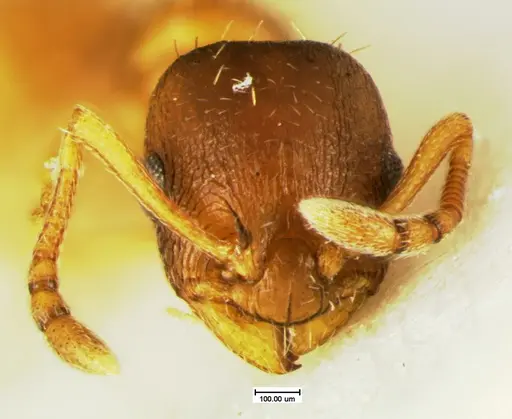
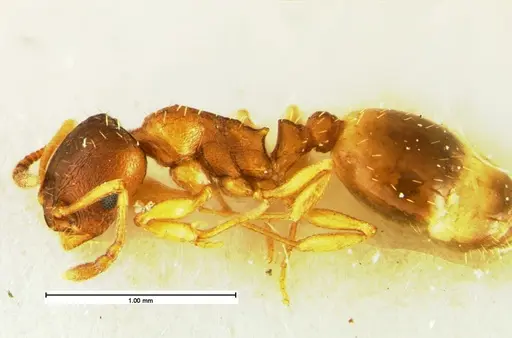
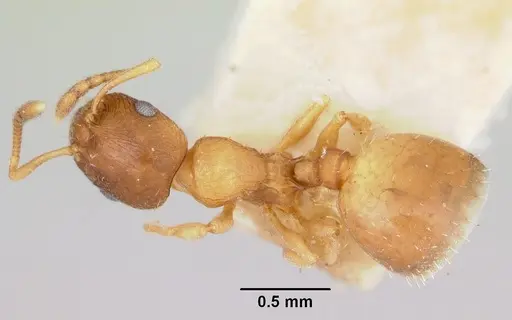
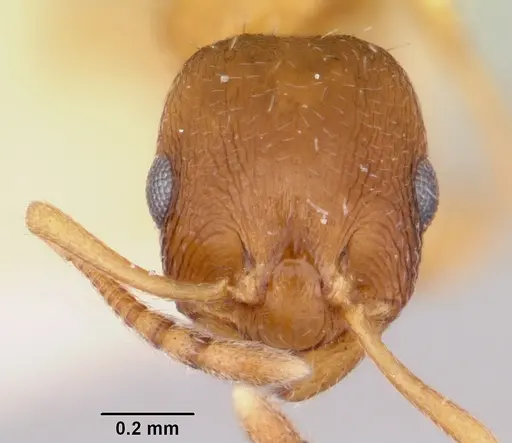
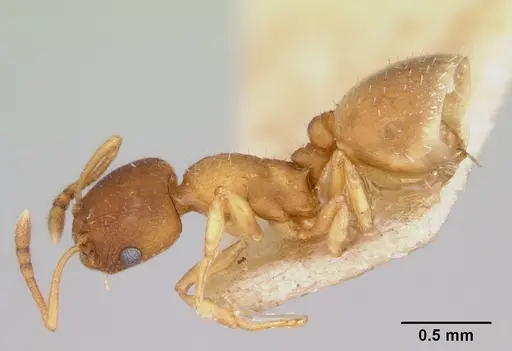
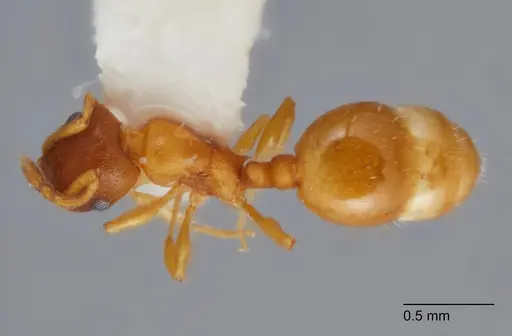
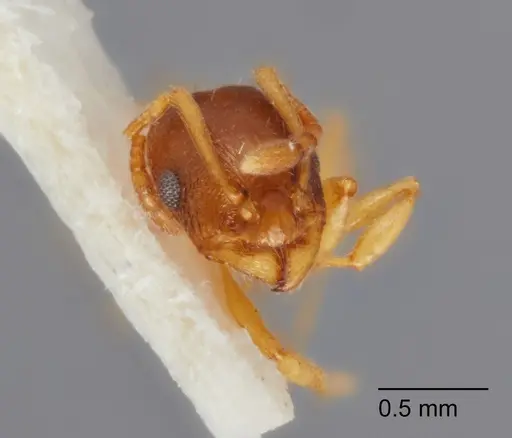
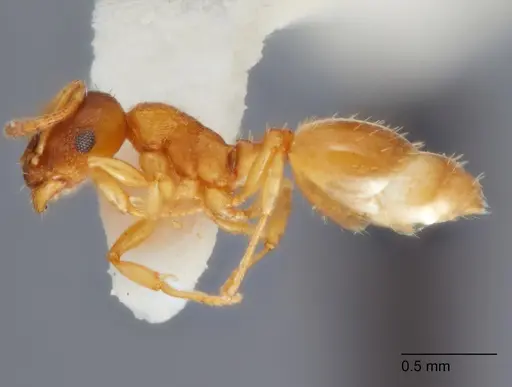
Temnothorax furunculus is a small, slender ant native to the Rocky Mountain region of the United States. It has been documented in Colorado (Manitou) and Wyoming . Like other members of the genus, it is a dark, glossy ant with a relatively large head compared to its thorax. In the wild, it inhabits mountainous areas and nests in small cavities under stones or in rotting wood. Very little is known about its specific biology, so most care advice must be inferred from related Temnothorax species. Historically classified as Leptothorax furunculus, it was later moved to the genus Temnothorax .
Quick Summary
- Difficulty: Easy
- Origin & Habitat: Native to the Rocky Mountain region of the United States (Colorado and Wyoming). Inhabits rocky, mountainous areas and nests in small cavities under stones or in rotting wood [1][2].
- Colony Type: Unknown for this species. Most Temnothorax are monogyne (single queen), but this is not confirmed for T. furunculus.
- Size & Growth:
- Queen: Size data unavailable for this species. Inferred from the genus: queens are typically around 4-6 mm.
- Worker: Size data unavailable for this species. Inferred from the genus: workers are typically around 2-4 mm.
- Colony: Unknown. Temnothorax colonies typically reach up to a few hundred workers, but this is not confirmed for T. furunculus.
- Growth: Unknown
- Development: Unknown for this species. Based on related Temnothorax, development may take several weeks, but exact timing is unconfirmed. (Temperature likely affects development speed, but no specific data exists.)
- Antkeeping:
- Temperature: No specific data available. As a temperate mountain species, likely prefers cooler conditions (around 20-24°C). A temperature gradient is recommended. Avoid high heat.
- Humidity: No specific data available. Based on typical Temnothorax, keep the nest substrate lightly moist but not waterlogged. Provide good ventilation.
- Diapause: Likely required. As a temperate species from Colorado and Wyoming, T. furunculus is expected to need a winter dormancy period, but details are unconfirmed. Keep cool (10-15°C) for 2-3 months if attempting hibernation.
- Nesting: No specific data available. Based on natural habitat (under stones, in rotting wood), provide small, tight cavities. Y-tong (AAC) or plaster nests with small chambers work well. Avoid large open spaces.
- Behavior: Very little is known. Temnothorax are generally peaceful and non-aggressive. Their small size makes escape prevention critical. They belong to the tribe Crematogastrini and have a modified stinger used for smearing venom rather than piercing, but they are harmless to humans.
- Common Issues: escape prevention is critical due to tiny size, use fine mesh and tight lids, very limited species-specific information makes diagnosis of problems difficult, wild-caught colonies may contain parasites or have unknown founding history, slow or uncertain colony growth if conditions are not ideal, unknown diapause requirements, monitor colony health during winter
Housing and Nest Setup
Since no specific nesting data exists for Temnothorax furunculus, follow general Temnothorax care. Start founding colonies in a test tube setup: fill the tube with water behind a cotton plug, and place the queen in the open end. Keep the tube horizontal with the water end slightly elevated. Once the colony has several workers, transfer to a small formicarium with tight chambers (e.g., Y-tong or plaster). Their small size means they can squeeze through tiny gaps, so use a fluon barrier or mineral oil on the outworld walls. Avoid large open spaces, which may stress the colony.
Feeding and Diet
No dietary data exists specifically for T. furunculus. Based on related Temnothorax species, offer liquid sugars (honey, sugar water) and small protein sources: fruit flies, small mealworms, or pinhead crickets. They are likely scavengers more than active hunters. Remove uneaten food after a day or two to prevent mold. A varied diet supports colony health, but exact preferences are unknown.
Temperature and Seasonal Care
No specific temperature data exists. As a temperate mountain species, T. furunculus likely prefers cool conditions (around 20-24°C) and requires a winter dormancy period. However, details are unconfirmed. If attempting diapause, reduce temperature to 10-15°C for 2-3 months with minimal feeding. Monitor the colony closely during this period. Do not skip hibernation if the colony is from a temperate region, but observe the ants' behavior to confirm needs. [1][2]
Colony Development and Growth
Development and growth are nearly undocumented. Based on typical Temnothorax, the queen likely founds the colony alone (claustral founding is common in the genus). First workers (nanitics) may emerge after several weeks under good conditions. Colony growth is probably slow to moderate, with mature colonies reaching up to a few hundred workers. The queen's lifespan is unknown but could be several years. All these points are inferred and not confirmed for T. furunculus.
Behavior and Temperament
Behavioral data is lacking. Temnothorax species are generally peaceful and non-aggressive. T. furunculus likely poses no sting threat to humans, like other members of the tribe Crematogastrini, it has a modified stinger used for smearing venom, not piercing. Workers are small and will forage actively. Their main risk to the keeper is escape due to their tiny size. Use fine mesh and tight seals. They are likely diurnal, but this is unconfirmed.
Frequently Asked Questions
How long does it take for Temnothorax furunculus to produce first workers?
No specific data exists. Based on related Temnothorax, first workers may appear within several weeks of the queen’s first egg laying, but the exact timeline is unknown for this species.
Do Temnothorax furunculus ants need hibernation?
It is very likely that this temperate species requires a winter diapause, but this has not been confirmed. If you keep them, try a 2-3 month cool period (10-15°C) starting in late autumn. Monitor the colony, if they naturally slow down, hibernation is probably needed.
What do Temnothorax furunculus eat?
No specific data exists. Offer a standard ant diet: sugars (honey, sugar water) and small protein sources (fruit flies, small crickets). They likely accept dead insects. Avoid overfeeding.
Are Temnothorax furunculus good for beginners?
Possibly, but the lack of species-specific information makes troubleshooting difficult. The ants themselves are likely peaceful and small, but beginners may struggle if the colony does not thrive. Researching care for related Temnothorax species (e.g., Temnothorax nylanderi) may help.
How big do Temnothorax furunculus colonies get?
Unknown. Temnothorax colonies typically reach up to a few hundred workers at maturity, but this has not been confirmed for T. furunculus.
Can I keep multiple Temnothorax furunculus queens together?
Unknown. Most Temnothorax are monogyne (single queen), but polygyny (multiple queens) is known in some species. Without data, it is safest to assume they are single-queen and should not be combined.
Do Temnothorax furunculus ants sting?
They likely do not sting in the usual sense. As members of the tribe Crematogastrini, they have a modified stinger that smears venom rather than piercing. The venom may cause mild irritation but is not considered dangerous to humans.
What temperature is ideal for Temnothorax furunculus?
No specific data. Based on their mountain habitat, keep the nest around 20-24°C. Avoid extremes. Provide a temperature gradient to let the ants choose.
When should I move my colony to a formicarium?
No specific recommendation. In general, wait until the colony has at least 10-20 workers. Move gradually by connecting the test tube to the new nest and letting the ants explore before transferring.
Why are my Temnothorax furunculus dying?
Possible causes include: escape (tiny gaps), inadequate humidity, mold from overfeeding, stress from wrong temperature, or missing diapause. If wild-caught, parasites may be a problem. Because species-specific data is lacking, systematically check and adjust each care parameter.
Report an Issue
The current care sheet is based fully on literature. See inconsistencies, or something that's incorrect? Please , it will be resolved after review from an admin. Contributing to the blogs tab also helps providing information, to make us be able to further improve the caresheets. Thank you for your support!
References

This caresheet is licensed under CC BY-SA 4.0 .
Community Blogs
Literature
Loading distribution map...Loading products...