
Temnothorax cristinae
- Sci. Name
- Temnothorax cristinae
- Tribe
- Crematogastrini
- Subfamily
- Myrmicinae
- Author
- Espadaler, 1997
- Distribution
- Found in 1 countries
Introduction
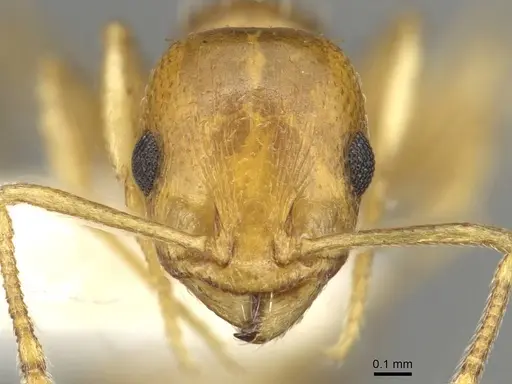
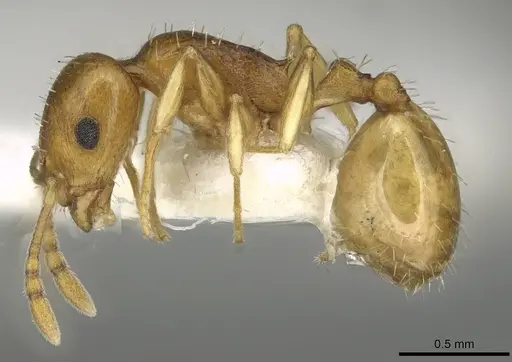
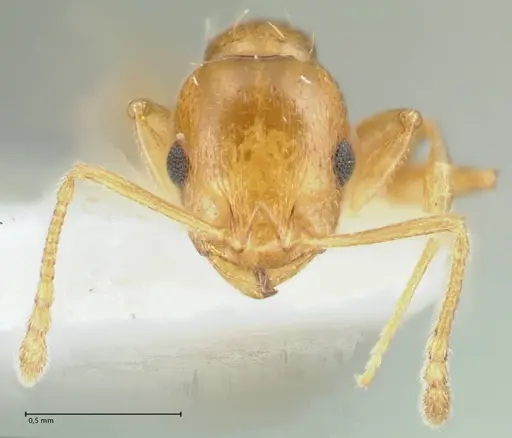
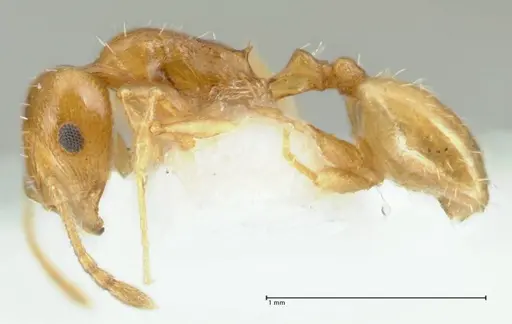
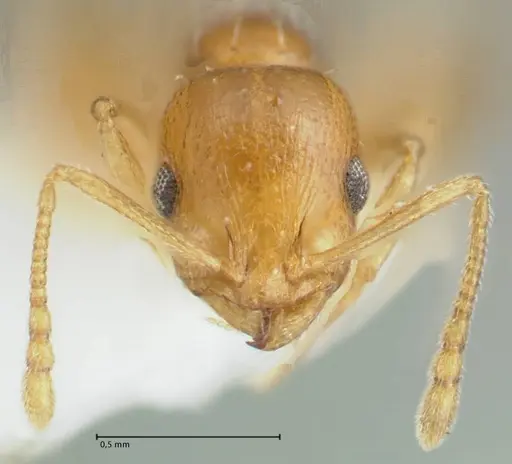
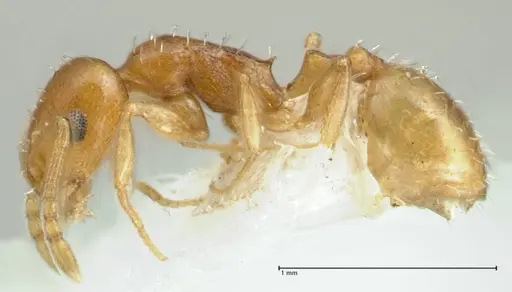
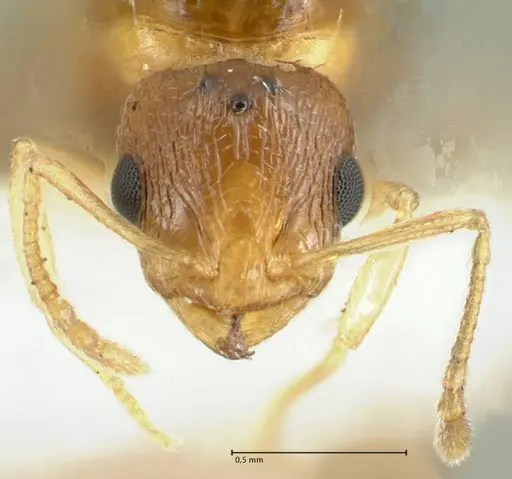
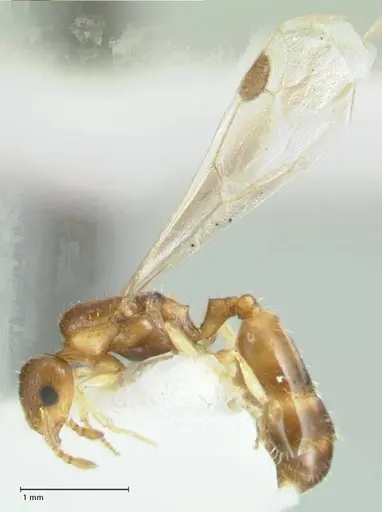
Temnothorax cristinae is a tiny ant species endemic to the south-eastern Iberian Peninsula in Spain, found only in the provinces of Alicante and Murcia . Workers measure 2.2-3.0mm and are golden yellow, though color can vary from fully yellow to slightly bicolored with a lighter head, pronotum, and petiole . Queens are larger at 4.1-4.4mm and darker, with chestnut and brownish-black tones . The head has fine longitudinal striations, propodeal spines are poorly developed, and the petiolar node is triangular in profile . It belongs to the rottenbergii-clade and is closely related to Temnothorax exilis . This species has an extremely restricted distribution - only a handful of locations in Murcia and Alicante, at elevations between 107-787 meters . They nest in fractures of coherent rocks, preferring vertical planes often above ground level . Like other exilis-group species, they appear to be monogyne (single queen per colony) .
Quick Summary
- Difficulty: Medium
- Origin & Habitat: Endemic to south-eastern Iberian Peninsula (Spain), provinces of Alicante and Murcia. Dry, rocky Mediterranean habitats at 107-787m elevation [1]. Nests in fractures of coherent rocks, especially vertical planes [3].
- Colony Type: Monogyne (single-queen colonies), similar to other exilis group species [3].
- Size & Growth:
- Queen: 4.1-4.4mm [3]
- Worker: 2.2-3.0mm [3]
- Colony: Unknown, not documented in the literature
- Growth: Unknown, no specific data available
- Development: Estimated 6-10 weeks at 20-26°C, based on typical Temnothorax development patterns, as no species-specific study exists (Development time is inferred from related species, no direct data for T. cristinae.)
- Antkeeping:
- Temperature: Warm conditions (20-26°C) are likely given the Mediterranean origin [1], but no direct studies confirm an exact range. Provide a gentle gradient and avoid extremes.
- Humidity: Low to moderate, they come from dry, rocky habitats. Keep the nest mostly dry with a small damp area, avoid saturation [1][3].
- Diapause: Likely yes, as a temperate Mediterranean species, a mild winter rest of 2-3 months at 10-15°C is recommended to match natural seasonal cycles [1].
- Nesting: Rock crevices, use Y-tong (AAC) or plaster nests with narrow chambers scaled to their tiny size (2-3mm). Naturalistic setups with flat stones or slate are ideal [3].
- Behavior: Peaceful and shy, they flee rather than fight. Workers are active foragers but retreat quickly when disturbed. Escape risk is HIGH due to tiny size (2-3mm). Use fine mesh (≤0.5mm) or fluon barriers. Defense: modified stinger used to smear venom (smear mechanism typical of Crematogastrini), not a piercing sting, so no danger to keepers.
- Common Issues: escape prevention is critical, tiny workers can squeeze through standard mesh, use barriers ≤0.5mm, overwatering or high humidity can cause colony decline since they prefer dry rocky habitats, limited distribution makes wild colonies hard to source, only a few known locations in Alicante and Murcia [3], lack of published care data means keepers must rely on general Temnothorax experience and careful observation, without an appropriate winter rest, the colony may weaken over time
Housing and Nest Preferences
In the wild, Temnothorax cristinae nests in fractures of coherent rocks, preferably vertical planes and often at some height above ground [3]. In captivity, they do well in Y-tong (AAC) or plaster nests with tight chambers scaled to their tiny 2-3mm size. Naturalistic setups using flat stones or slate pieces mimic their rock-crevice habitat. Avoid tall, open spaces, these tiny ants feel more secure in snug chambers. Test tubes can work for founding colonies, but the cotton plug must be packed tightly to prevent escapes. Escape prevention is critical: workers can slip through standard mesh. Use fine mesh (0.5mm or smaller) or fluon barriers on all openings [3].
Temperature and Seasonal Care
Being from the dry, warm Mediterranean of south-eastern Spain, T. cristinae likely prefers temperatures in the 20-26°C range [1]. Provide a gentle temperature gradient across the nest so workers can choose. Room temperature (20-22°C) is suitable. During winter, offer a mild diapause period of 2-3 months at 10-15°C to simulate their natural cycle [1]. Reduce feeding during diapause but ensure the nest does not dry out completely. Avoid keeping them warm year-round, as that may exhaust the colony. They can tolerate brief fluctuations but prefer stable conditions.
Feeding and Diet
Like most Temnothorax, T. cristinae is a generalist feeder. Offer sugar sources (honey water, sugar water, or diluted maple syrup) regularly, especially during brood production. Protein should come from small insects: fruit flies (Drosophila), pinhead crickets, or small mealworms. These tiny ants require appropriately sized prey. They likely also collect honeydew from aphids in nature. Feed small amounts 2-3 times per week, removing uneaten prey after 24 hours to prevent mold. Adjust feeding based on colony activity, a growing colony needs more protein.
Humidity Requirements
Temnothorax cristinae comes from dry, rocky Mediterranean habitats [1][3]. Keep the nest substrate mostly dry, with a small damp area (e.g., a water tube or damp cotton) for brood development. The majority of the nest should be dry, think rock crevice, not forest floor. Overly humid conditions encourage mold and may stress the ants. Good ventilation is important. If condensation appears, increase airflow. Monitor closely, these ants prefer a clear moisture gradient.
Behavior and Defense
These ants are peaceful and non-aggressive, they prefer to flee when threatened. Workers are active foragers but retreat quickly. The primary defense mechanism is 'smear' venom: they have a modified, flattened spatulate stinger used to wipe or smear venom onto enemies rather than piercing. This is typical of the subfamily Myrmicinae (tribe Crematogastrini). The venom is not considered dangerous to keepers, but avoid direct contact. The main behavioral challenge is their tiny size making escape easy, always use meticulous barriers. Colonies are small and grow slowly, do not expect rapid population explosions. Worker recruitment may involve tandem-running, common in Temnothorax.
Frequently Asked Questions
How long does it take for Temnothorax cristinae to raise first workers?
No specific data exists for this species. Based on related Temnothorax, development from egg to worker likely takes 6-10 weeks at 22-26°C. Founding queens may take longer if conditions are suboptimal.
Can I keep Temnothorax cristinae in a test tube?
Yes, test tubes can work for founding colonies, but the cotton plug must be packed very tightly to prevent escapes due to their tiny size. Add a water reservoir with a narrow opening to avoid flooding. Once the colony grows, they often prefer moving to a nest with tighter spaces, like a Y-tong or plaster nest with narrow chambers [3].
Do Temnothorax cristinae ants sting?
No, they do not sting in the typical sense. They belong to the tribe Crematogastrini and have a modified stinger used to smear venom onto attackers, not for injecting venom. This 'smear' defense is harmless to humans, but avoid rough handling as they may flee and escape.
What temperature do Temnothorax cristinae need?
Based on their Mediterranean origin, a temperature range of 20-26°C is recommended [1]. Room temperature (20-22°C) is usually fine. Provide a slight gradient so workers can choose. Avoid extremes.
How big do Temnothorax cristinae colonies get?
Colony size is not documented for this species. Related small Temnothorax species typically have colonies of up to a few hundred workers, but this is an estimate. Do not expect large colonies.
Do Temnothorax cristinae need hibernation?
Likely yes, as a temperate Mediterranean species, they probably require a mild winter rest. Provide 2-3 months at 10-15°C to match their natural seasonal cycle [1]. Reduce feeding during this period but keep the nest from drying out completely.
Are Temnothorax cristinae good for beginners?
They are not recommended for beginners. Their tiny size makes escape prevention challenging, and there is very little published husbandry data. They are peaceful and do not sting, but success requires careful attention to humidity and nesting setup. Experienced antkeepers will have better odds.
Where is Temnothorax cristinae found in the wild?
This species is endemic to the south-eastern Iberian Peninsula in Spain, specifically the provinces of Alicante and Murcia [1][2]. It is found at elevations between 107-787 meters in dry, rocky Mediterranean habitats [1].
Why are my Temnothorax cristinae dying?
Common causes include: escape (inspect barriers, their tiny size is notorious for finding gaps), overly high humidity (they prefer dry conditions), temperatures outside the 20-26°C range, excessive disturbance, or lack of protein during brood growth. Check for mold or condensation first. Ensure the nest is not waterlogged.
When should I move my colony to a formicarium?
Wait until the colony has at least 20-30 workers before moving. Test tubes may become cramped as the colony grows. Use a gradual transition (connect the new nest to the old one) and ensure the new nest has chambers scaled to their tiny size (1-2mm wide).
Report an Issue
The current care sheet is based fully on literature. See inconsistencies, or something that's incorrect? Please , it will be resolved after review from an admin. Contributing to the blogs tab also helps providing information, to make us be able to further improve the caresheets. Thank you for your support!
References

This caresheet is licensed under CC BY-SA 4.0 .
Community Blogs
CASENT0911188
View on AntWeb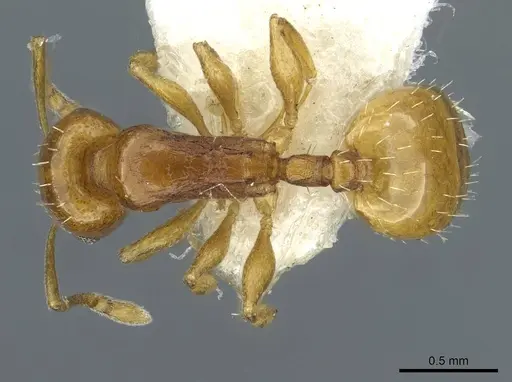
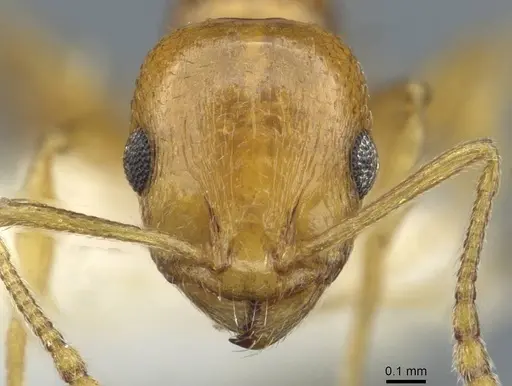
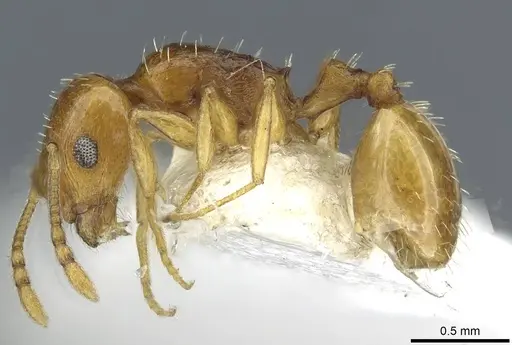
CASENT0915386
View on AntWeb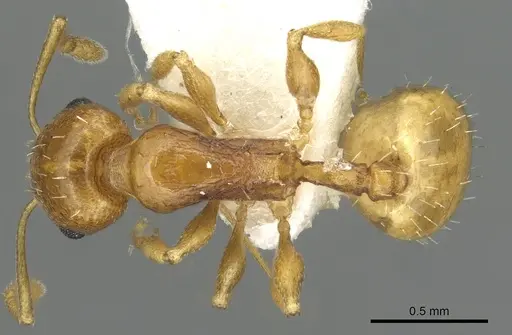
FOCOL1794-1
View on AntWeb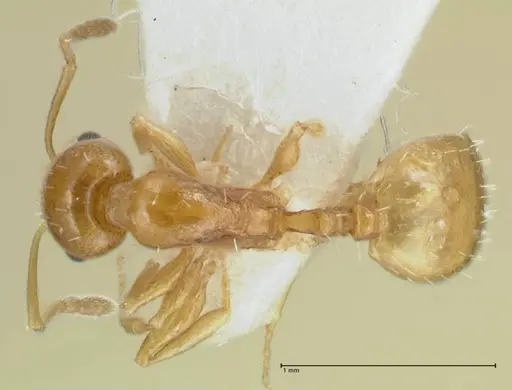
FOCOL1794-2
View on AntWeb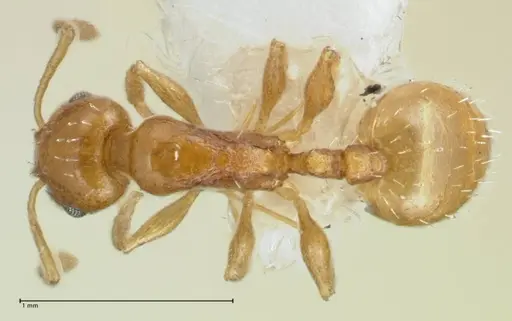
FOCOL1794-3
View on AntWeb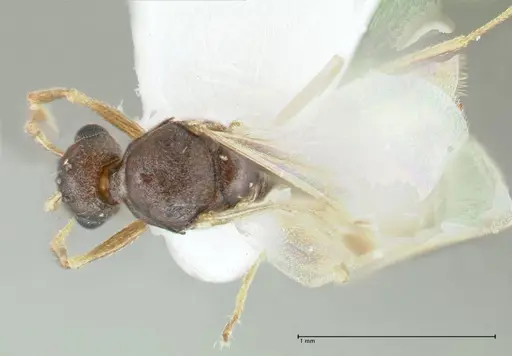
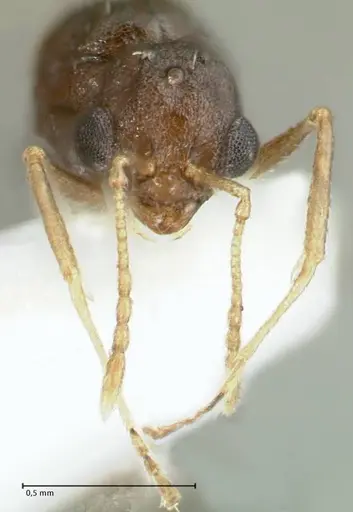
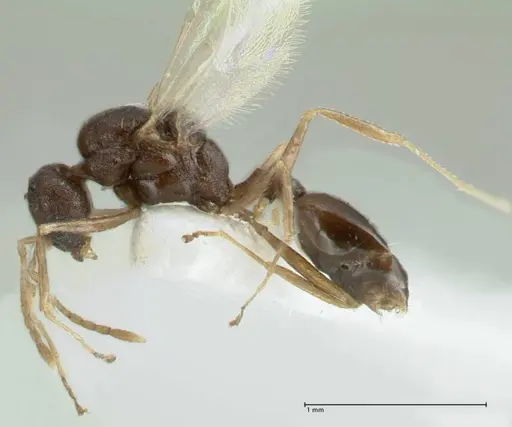
FOCOL1794-4
View on AntWeb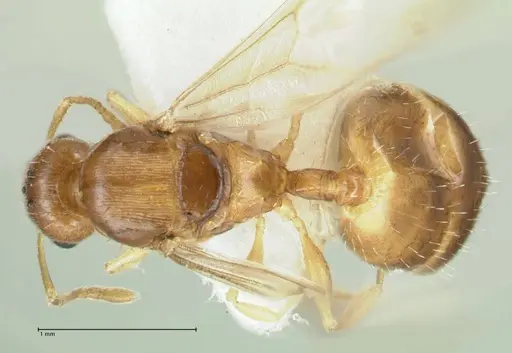
Literature
Loading distribution map...Loading products...