
Temnothorax crasecundus
- Sci. Name
- Temnothorax crasecundus
- Tribe
- Crematogastrini
- Subfamily
- Myrmicinae
- Author
- Seifert & Csősz, 2015
- Distribution
- Found in 8 countries
Introduction
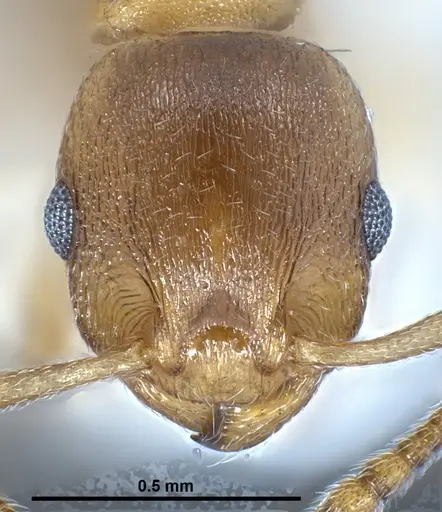
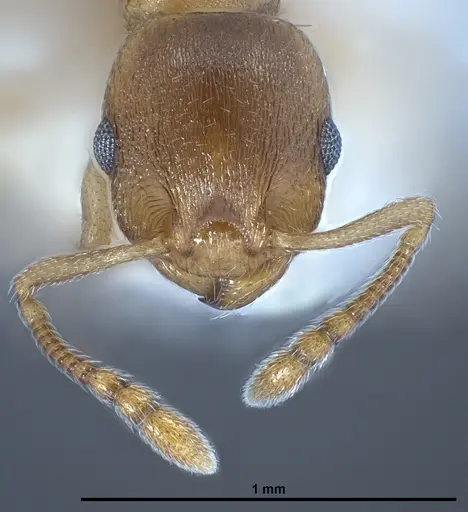
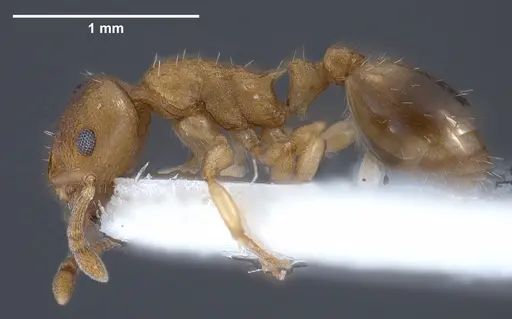
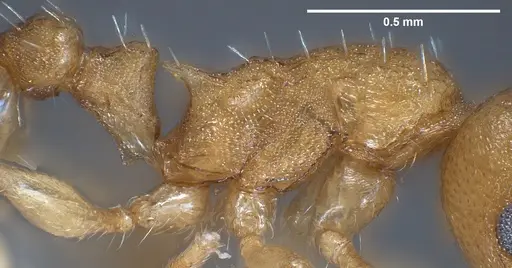
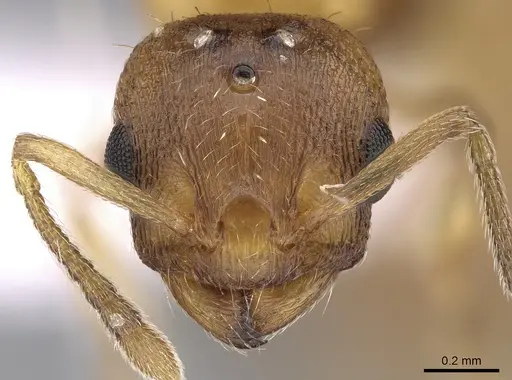
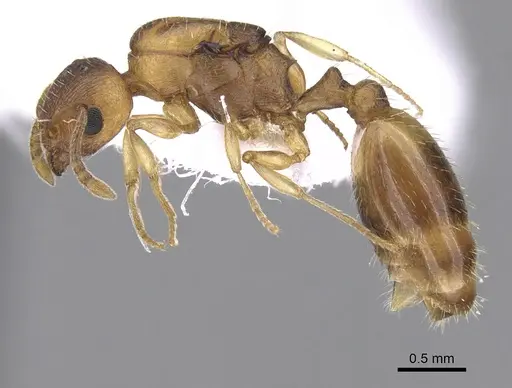
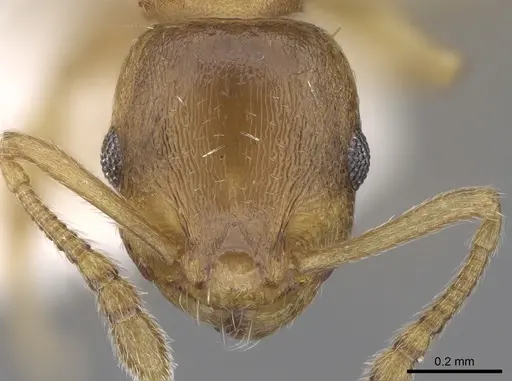
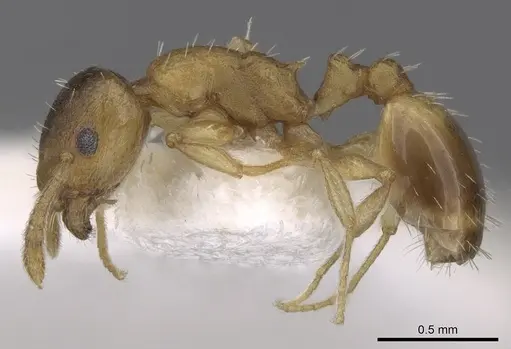
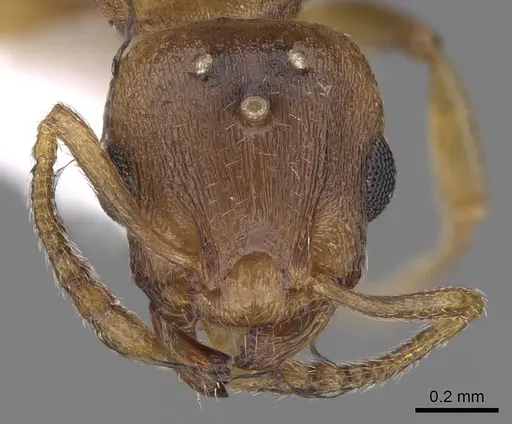
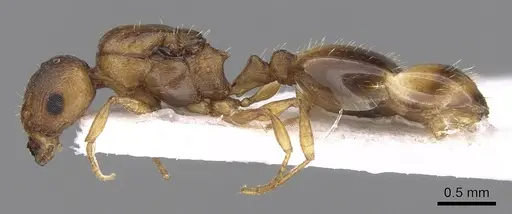
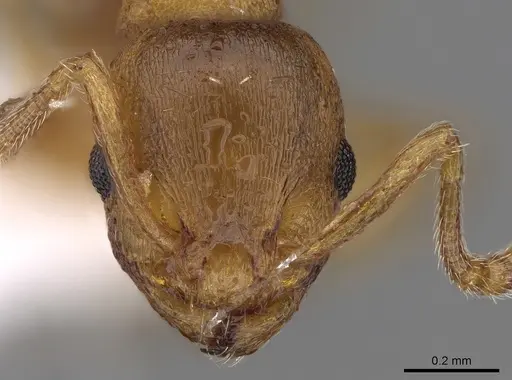
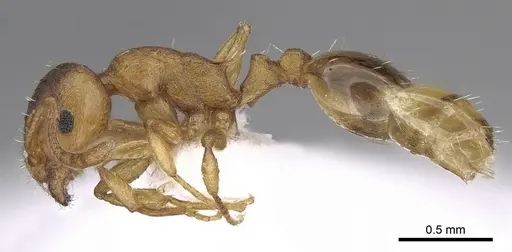
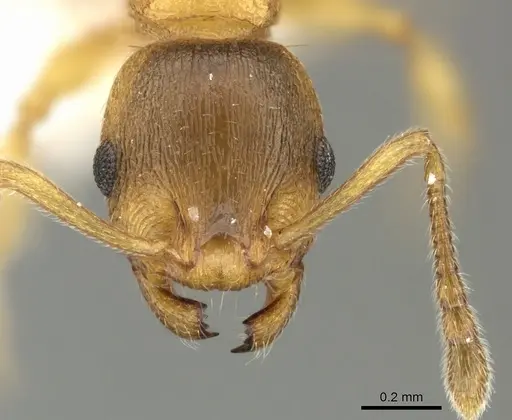
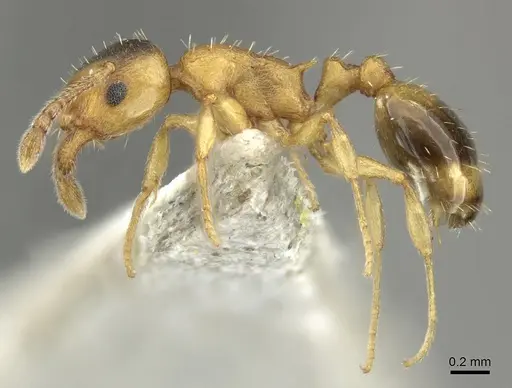
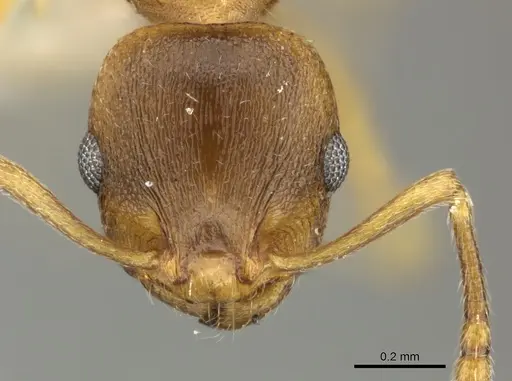
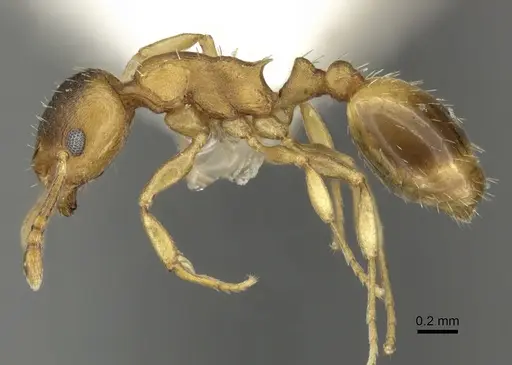
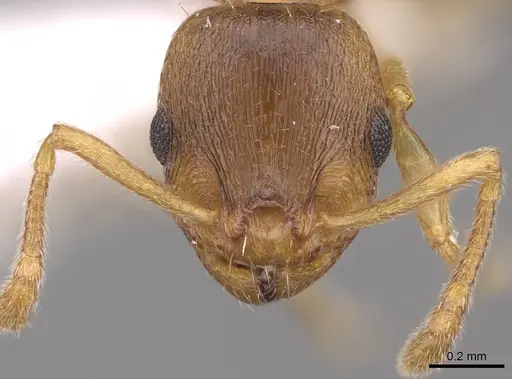
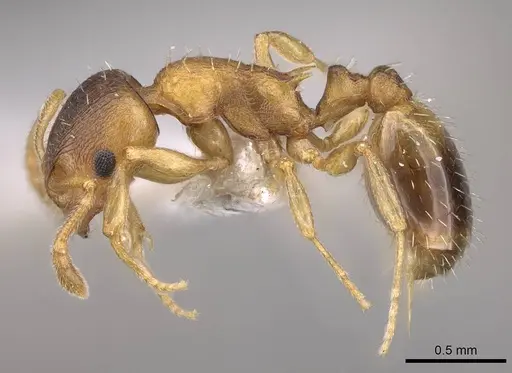
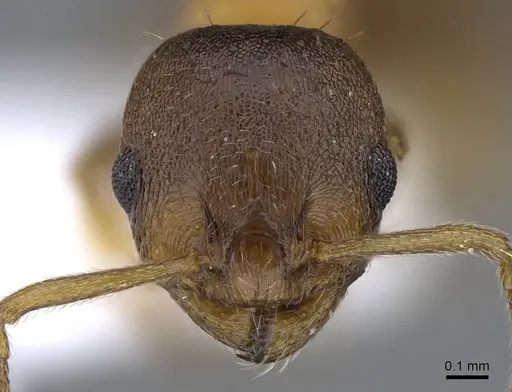
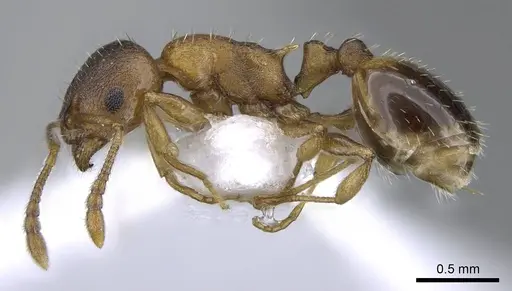
Temnothorax crasecundus is a tiny, recently described species (2015) from the nylanderi species group. Workers are very small, around 2-3 mm in total body length (inferred from related Temnothorax), with a dirty yellow to light brown body that has a strong yellowish tint - the head and back of the abdomen are darker than the mesosoma, legs, and antennae . This species was discovered through a combination of morphometrics and genetics, and it was previously mixed up with its close relatives Temnothorax crassispinus and Temnothorax nylanderi in museum collections . Temnothorax crasecundus is widely distributed across the Palaearctic, from the Balkans through Turkey and the Caucasus to southern Ukraine and Romania . In the wild, queens start colonies alone (likely claustral, but not confirmed) by sealing themselves inside tiny cavities like hollow acorns, nuts, rotten twigs, or galls on the forest floor . Workers forage individually on stones and dry branches among leaf litter in mountain forests . This species is also a known host for the slave-making ant Myrmoxenus tamarae, which raids their nests to steal brood .
Quick Summary
- Difficulty: Easy
- Origin & Habitat: Palaearctic region: Balkans, Turkey, Caucasus, eastern Romania, southern Ukraine. Lives in deciduous and coniferous mountain forests, nesting in tiny cavities such as hollow acorns, nuts, rotten twigs, galls, rock crevices, and under moss on stones [1][5][3].
- Colony Type: Monogyne, each colony has a single queen [1][2].
- Size & Growth:
- Queen: ~4-5 mm, inferred from related Temnothorax nylanderi group species (no direct measurements available)
- Worker: ~2-3 mm, inferred from Temnothorax genus (no body length measurements published for this species)
- Colony: Likely under 100 workers, typical for tiny forest-floor Temnothorax species [1]
- Growth: Moderate
- Development: 6-10 weeks at room temperature (estimated from related Temnothorax species) (No species-specific development data exists, the estimate is based on related ants.)
- Antkeeping:
- Temperature: Keep at stable room temperature, roughly 18-22°C. This matches their mountain forest origin where summers are mild and nights are cool [5].
- Humidity: Moderate. Keep the nest substrate slightly moist but not waterlogged. These ants nest in dry branches and rock crevices, so they prefer a humidity gradient, one slightly damp area and the rest drier. Good ventilation is important to prevent mold.
- Diapause: Yes, a winter rest period is recommended. Gradually lower temperature to about 10-15°C for 2-3 months (e.g., November to February). This mimics the natural cold season in their mountain habitats. Even if they come from warmer areas, a rest period helps synchronize the colony's life cycle.
- Nesting: Y-tong (AAC) or plaster nests work well because the narrow chambers mimic natural cavities in acorns and twigs [1]. Test tubes are fine for founding. Avoid large open spaces, these ants prefer confined, dim spaces.
- Behavior: Peaceful and non‑aggressive. Workers are tiny, slow‑moving, and forage individually. They do not sting, their defense mechanism is to smear venom from a flattened spatulate stinger onto attackers (typical for Crematogastrini). Because they are so small (under 3 mm), escape prevention is critical: use fine mesh (0.3 mm or smaller) and tight seals. They may be outcompeted by larger species if kept in a shared setup.
- Common Issues: tiny size makes escape likely, use fine mesh and tight barriers., slow colony growth can lead to overfeeding or excessive disturbance, feed sparingly., wild‑caught colonies may carry parasites like Aegeritella fungi, quarantine new colonies., colonies are small and vulnerable to stress from noise, vibrations, or bright light., may be outcompeted or bullied by larger ant species in shared spaces.
Housing and Nest Setup
Because Temnothorax crasecundus is so tiny, you need to choose a nest that matches their natural scale. Y‑tong (AAC) nests are excellent, the narrow chambers feel like the hollow acorns and rotten twigs they use in the wild [1]. Plaster nests also work and help keep stable moisture. For a founding colony, a simple test tube setup with a water reservoir is fine until the colony reaches about 15-20 workers.
Escape prevention is your biggest challenge. These ants can slip through gaps that would stop larger species. Use fine mesh (0.3 mm or smaller) on every ventilation hole, and make sure all connections between the nest and outworld are flush. A thin layer of fluon or PTFE on the outworld walls can help, but physical barriers are more reliable.
The outworld should be small and simple, a shallow container with a water tube and a tiny feeding area. Keep lighting subdued because these are shy forest‑floor ants that prefer dim conditions [5].
Feeding and Diet
Temnothorax crasecundus accepts small protein sources and sugar. Offer tiny prey like fruit flies (Drosophila), pinhead crickets, or parts of small mealworms. For sugar, provide a small drop of diluted honey or sugar water. They may also take commercially available ant food mixtures.
Feed sparingly, these small colonies don't need much, and excess food will quickly get moldy in their humid nest. Remove uneaten protein after 24 hours. A fresh drop of sugar water can be offered once or twice a week and replaced if not consumed within a day.
In nature they likely hunt tiny arthropods in leaf litter and tend aphids for honeydew [7].
Temperature and Seasonal Care
Keep your colony at a stable room temperature between 18-22°C. This matches their mountain forest origin where summers are mild and nights are cool [5]. They can handle short drops to 15°C but not for long. Avoid temperatures above 25°C, that can stress them.
During winter, give them a diapause period. Gradually lower the temperature to about 10-15°C for 2-3 months (typically November to February). You can place the nest in a cool basement, garage, or a dedicated refrigerator (set to 10-15°C). Make sure they still have access to water, a damp cotton plug in the test tube or a small water tube works. Don't feed them during diapause. After winter, slowly increase temperature back to room temperature over a week or two.
Colony Development and Growth
Colonies of Temnothorax crasecundus stay small, likely under 100 workers at full size [1]. This is typical for litter‑dwelling Temnothorax species that nest in tiny cavities. Growth is moderate: from a founding queen, you can expect the first nanitic workers after about 6-10 weeks (estimated from related species). Reaching 30-50 workers may take a full year.
Queens are monogynous, only one queen per colony [1]. If the queen dies, the colony cannot produce a replacement because this species does not have ergatoid (worker‑like) reproductives. Be patient and avoid disturbing the colony often, they are sensitive to stress.
When moving to a larger nest, wait until the colony has filled at least half of its current space. They prefer cramped quarters.
Behavior and Temperament
These ants are extremely peaceful and harmless. Workers do not sting, their defense mechanism is to smear venom from a flattened spatulate stinger onto enemies (typical for the Crematogastrini tribe). This means they are no danger to you, but it also means they rely on escape and hiding rather than fighting. They are easily outcompeted by larger, more aggressive ants.
Workers forage individually, moving slowly through leaf litter. They are shy and prefer dim light. In captivity, you'll often see them hiding in the deepest part of the nest. Sudden vibrations or bright light will send them retreating. Keep the setup in a quiet, stable location.
Interestingly, this species is a known host for the slave‑making ant Temnothorax tamarae, which raids their colonies and steals brood [2][6].
Frequently Asked Questions
How long does it take for Temnothorax crasecundus to raise first workers?
Expect about 6-10 weeks from egg to first worker at room temperature (18-22°C). This is an estimate based on related Temnothorax species, exact timing for this species hasn't been recorded. The first workers (nanitics) will be smaller than mature workers.
Can I keep multiple queens together?
No. This species is monogyne, a colony has only one queen. Multiple unrelated queens will fight and only one will survive [1].
Do Temnothorax crasecundus ants sting?
No. These ants do not have a functional stinger that can pierce skin. They defend themselves by smearing venom from a flattened stinger onto insect enemies. They are completely harmless to humans.
What size colony does Temnothorax crasecundus reach?
Colonies remain small, likely under 100 workers at maturity. This is typical for litter‑nesting Temnothorax that live in tiny cavities like hollow acorns [1].
Do they need hibernation?
Yes. A winter rest period of 2-3 months at reduced temperatures (10-15°C) is recommended to simulate the natural seasonal cycle in their mountain forests [5].
What do Temnothorax crasecundus eat?
They accept small protein sources (fruit flies, tiny mealworms, cricket parts) and sugar (honey water, sugar water). Feed very small amounts and remove leftovers after 24-48 hours to prevent mold. Their natural diet includes small arthropods and honeydew [7].
Are Temnothorax crasecundus good for beginners?
Yes. They are easy to care for, small colony, modest temperature needs, and a peaceful temperament. Their tiny size does require good escape prevention, but otherwise they are straightforward and low‑maintenance.
When should I move them to a formicarium?
You can keep them in a test tube for the founding stage. Once the colony reaches about 15-20 workers and you see them regularly foraging in the outworld, you can offer a small Y‑tong or plaster nest. They do fine in smaller enclosures than most ant species.
Why are my ants dying?
Common causes include: stress from excessive disturbance, temperatures that are too high (above 25°C), mold from overfeeding, or escape through gaps. Ensure stable temperatures (18-22°C), feed sparingly, use fine mesh barriers, and keep the setup quiet.
Report an Issue
The current care sheet is based fully on literature. See inconsistencies, or something that's incorrect? Please , it will be resolved after review from an admin. Contributing to the blogs tab also helps providing information, to make us be able to further improve the caresheets. Thank you for your support!
References

This caresheet is licensed under CC BY-SA 4.0 .
Community Blogs
ANTWEB1041298
View on AntWeb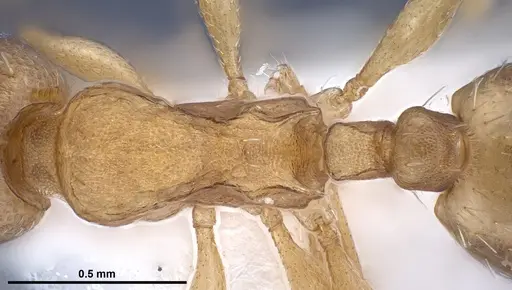
CASENT0906043
View on AntWeb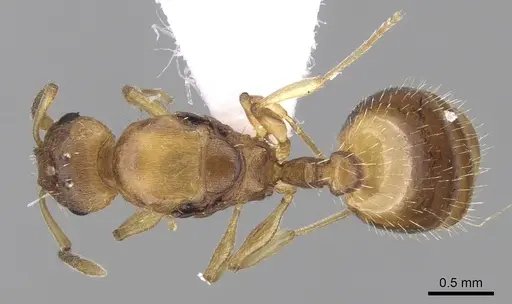
CASENT0906044
View on AntWeb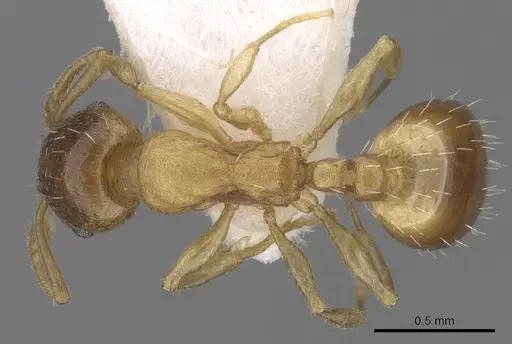
CASENT0906045
View on AntWeb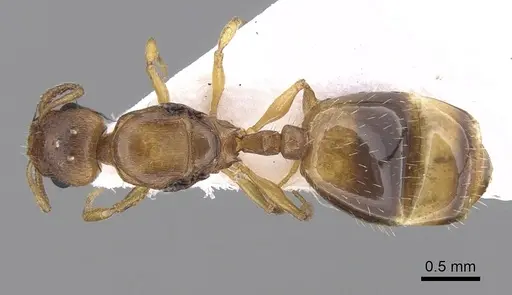
CASENT0906046
View on AntWeb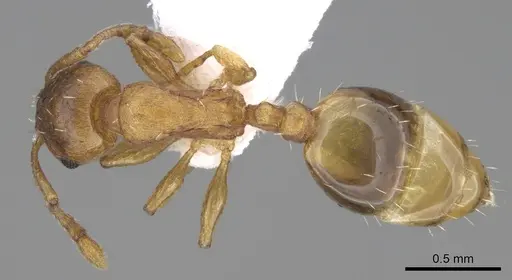
CASENT0906704
View on AntWeb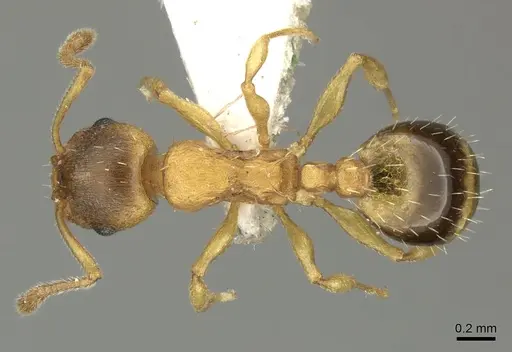
CASENT0906716
View on AntWeb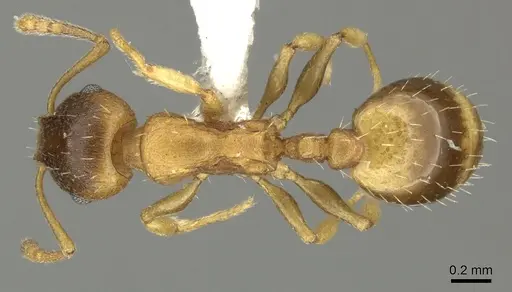
CASENT0914699
View on AntWeb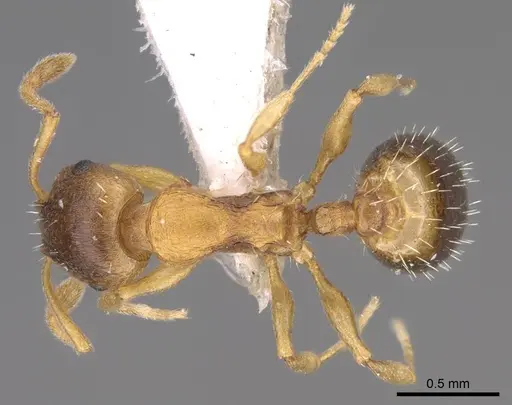
CASENT0914834
View on AntWeb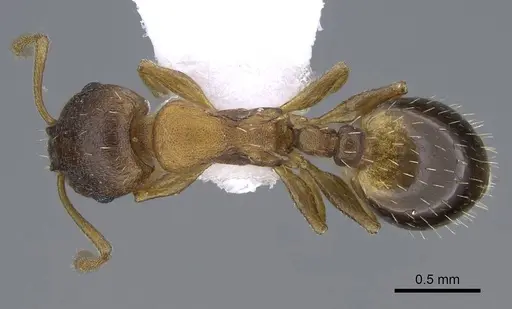
Literature
Loading distribution map...Loading products...