
Temnothorax cagnianti
- Sci. Name
- Temnothorax cagnianti
- Tribe
- Crematogastrini
- Subfamily
- Myrmicinae
- Author
- Tinaut, 1983
- Distribution
- Found in 2 countries
Introduction
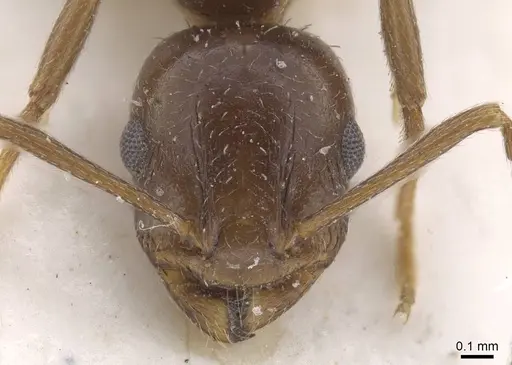
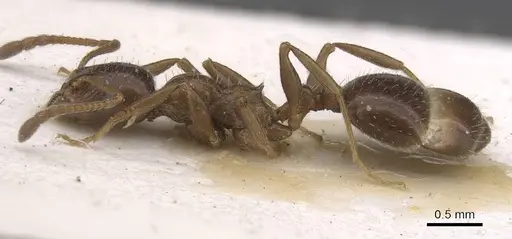
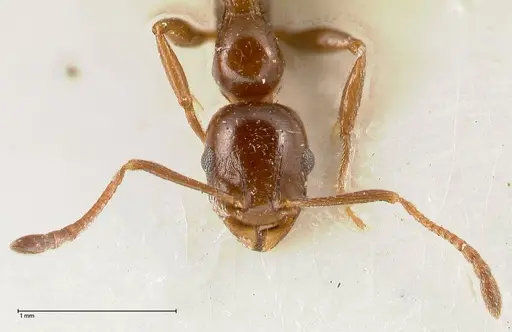
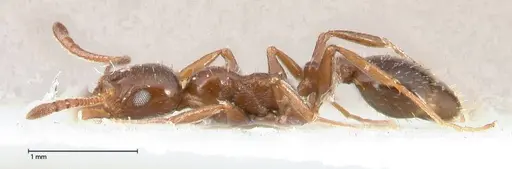
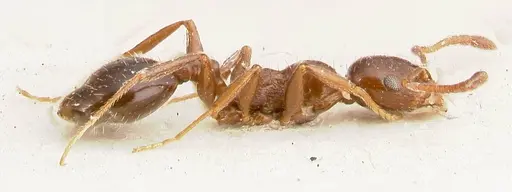
Temnothorax cagnianti is a small, reddish-brown ant from the Myrmicinae subfamily. Workers have a distinctly rounded pronotum and a well-marked mesoepinotal suture . It belongs to the flavicornis-group within the Palearctic clade, specifically the nigritus-group . This species was first described by Tinaut in 1983 from the Sierra Nevada, southern Spain . It has an Ibero-Maghreb distribution, meaning it is only found in southern Spain and northern Morocco. Its natural habitat is mountainous oak forests at elevations of 1,200-1,550 m, where it lives in damp leaf litter and under stones .
Quick Summary
- Difficulty: Easy
- Origin & Habitat: Iberian Peninsula (Sierra Nevada, Spain) and northern Morocco (Moyen Atlas, Rif). Found in oak forests (Subéraie and Iliçaie) at 1,200-1,550 m elevation [6][4].
- Colony Type: Unconfirmed, based on typical Temnothorax patterns, likely monogyne (single queen), but no specific data for this species.
- Size & Growth:
- Queen: Size data unavailable
- Worker: Size data unavailable
- Colony: Data unavailable
- Growth: Unknown
- Development: Data unavailable (No specific data for this species.)
- Antkeeping:
- Temperature: Based on its high-elevation habitat, keep at 18-22 °C. Avoid overheating above 25 °C [6].
- Humidity: Moderate to high. Keep nest substrate slightly moist but not waterlogged. Provide a moisture gradient to let ants choose their preferred zone.
- Diapause: Yes. As a mountain ant from elevations 1,200-1,550 m, it needs a winter rest period. Cool to 5-10 °C for 2-3 months [6].
- Nesting: Y‑tong (AAC) nests with small chambers work well. Test tubes are also suitable for smaller colonies. Ensure tight seals to prevent escapes due to their tiny size.
- Behavior: Generally peaceful and non‑aggressive. Workers are small and active foragers. Their defense mechanism is a 'smear' action, they use a modified flattened stinger to wipe venom onto enemies rather than piercing (typical of the tribe Crematogastrini). Escape prevention is critical: use fine mesh and tight‑fitting lids. They forage actively in a connected outworld.
- Common Issues: escape prevention is critical due to their very small size, they can squeeze through standard test tube cotton if not packed tightly., overheating is a risk, they come from cool mountain forests and don't tolerate high temperatures., hibernation failure can kill colonies, they genuinely need a 2-3 month cold rest period., wild‑caught colonies may have parasites that can devastate captive colonies., slow colony growth can frustrate beginners, these are small colonies that develop gradually, but specific growth rates are unstudied.
Temperature and Care
Temnothorax cagnianti prefers cooler temperatures than many ant species. Keep their nest area at 18-22 °C, room temperature is typically fine [6]. As a species from mountainous oak forests in southern Spain and Morocco, they are adapted to cool, damp conditions. Avoid placing the nest near heating elements or in direct sunlight, temperatures above 25 °C stress them and can slow brood development.
During the active season (spring through fall), stable room temperature is ideal. In winter, you must provide a proper hibernation period. Move the colony to a cool location (5-10 °C) for 2-3 months. A refrigerator set to this range or an unheated garage works well. Do not skip hibernation, these mountain‑adapted ants need the cold period to trigger their normal seasonal cycle [6].
A heating cable on one side of the nest can create a temperature gradient, but this is optional and only needed if your room stays consistently below 18 °C.
Housing and Nesting
These tiny ants do well in small nests scaled to their size. Y‑tong (AAC) nests with narrow chambers work excellently, the tight passages mimic the small cavities in oak wood they naturally nest in [6]. Test tube setups are also suitable for founding and small colonies, though you must pack the cotton tightly to prevent escapes.
For a founding colony, a standard test tube with a water reservoir works well. The queen likely raises her first brood in a small, dark chamber, do not disturb her. Once the colony reaches 20-30 workers (estimated, as actual growth is unstudied), you can connect a foraging area. Use a small container with a tight‑fitting lid and fine mesh for ventilation.
The nest material should retain some moisture, these forest ants prefer damp conditions. A small piece of damp cotton or a thin water tube connected to a reservoir provides moisture. Avoid flooding the nest, they need moist air, not standing water.
Feeding and Diet
Like other Temnothorax species, T. cagnianti is omnivorous with a preference for honeydew and small protein sources. Offer sugar water (1:1 ratio with water) or diluted honey as an energy source. Replace these sugar sources every few days to prevent mold.
For protein, offer small live or dead insects. Fruit flies, small mealworms, and tiny crickets are all appropriate. Since these ants are very small, portion sizes should be tiny, a single fruit fly or a small piece of mealworm is enough for a small colony. Remove uneaten prey after 24-48 hours to prevent mold.
They will also tend aphids if given access to plants, though this is optional in captivity. A varied diet of sugar and protein sources keeps colonies healthy. Feed small amounts two to three times per week for established colonies, more frequently for growing colonies with larvae.
Colony Founding and Growth
Founding behavior is unconfirmed for this species. Based on typical Temnothorax patterns, queens likely found independently in a small cavity, but details are unknown. There is no specific data on development time or colony growth rate. Be patient, the colony will grow at its own pace. The first workers (nanitics) may be smaller than mature workers, but this is not documented for T. cagnianti.
No specific colony size estimates are available. The colony will likely remain small compared to many ants, as is typical for the genus. Do not expect rapid expansion.
Seasonal Care and Hibernation
As a mountain species from elevations 1,200-1,550 m in Morocco and southern Spain, T. cagnianti requires a proper winter rest period [6]. In captivity, simulate this by providing 2-3 months of hibernation each winter. Reduce temperature to 5-10 °C, a refrigerator, unheated garage, or basement works well.
Before hibernation, ensure the colony is well‑fed, workers should have access to food in late summer/early fall to build up reserves. During hibernation, check periodically that the nest doesn’t dry out completely, but minimal maintenance is needed.
In spring, gradually warm the colony back to room temperature over several days. Offer food within a day or two of waking. The queen should resume egg‑laying as temperatures rise. This seasonal cycle is essential for long‑term colony health and should not be skipped.
Frequently Asked Questions
How long does it take for Temnothorax cagnianti to get their first workers?
No specific data is available. Based on related Temnothorax species, it likely takes several weeks from egg to worker at optimal temperature, but this is unconfirmed for this species.
Do Temnothorax cagnianti ants sting?
They do not sting in the typical sense. Their defense mechanism is a 'smear' action, they wipe venom onto attackers using a modified flattened stinger, which is typical of the Crematogastrini tribe. They are not dangerous to keepers.
What temperature do Temnothorax cagnianti need?
Keep them at 18-22 °C. As a mountain species, they prefer cooler conditions. Room temperature is typically ideal. Avoid temperatures above 25 °C [6].
Do Temnothorax cagnianti need hibernation?
Yes, they require a winter rest period of 2-3 months at 5-10 °C. This is essential for their seasonal cycle and colony health [6].
How big do Temnothorax cagnianti colonies get?
No specific data is available. Based on the genus, colonies probably stay small (under a few hundred workers), but this is an estimate.
Can I keep multiple Temnothorax cagnianti queens together?
Not recommended. While the colony structure is unconfirmed, most Temnothorax are monogyne (single queen). Combining unrelated queens often leads to fighting.
What do Temnothorax cagnianti eat?
They are omnivorous. Offer sugar water or honey for energy, and small insects (fruit flies, small mealworms) for protein. A varied diet promotes healthy colonies.
Are Temnothorax cagnianti good for beginners?
Yes, they are generally easy to keep. The main challenges are preventing escapes due to their tiny size and providing a proper hibernation period.
When should I move my Temnothorax cagnianti to a formicarium?
Wait until the colony has at least 20-30 workers before moving to a small nest. A test tube works well for smaller colonies. When moving, connect the new nest to the test tube and let the ants move on their own.
Why are my Temnothorax cagnianti dying?
Common causes include: overheating (keep below 25 °C), improper humidity (too dry or too wet), skipping hibernation, escape‑related losses, or parasites from wild‑caught colonies. Check temperature and ensure proper care conditions.
Report an Issue
The current care sheet is based fully on literature. See inconsistencies, or something that's incorrect? Please , it will be resolved after review from an admin. Contributing to the blogs tab also helps providing information, to make us be able to further improve the caresheets. Thank you for your support!
References

This caresheet is licensed under CC BY-SA 4.0 .
Community Blogs
CASENT0915394
View on AntWeb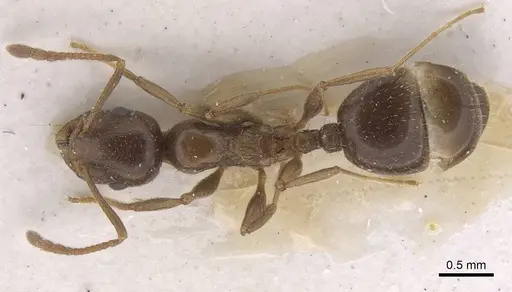
FOCOL0611
View on AntWeb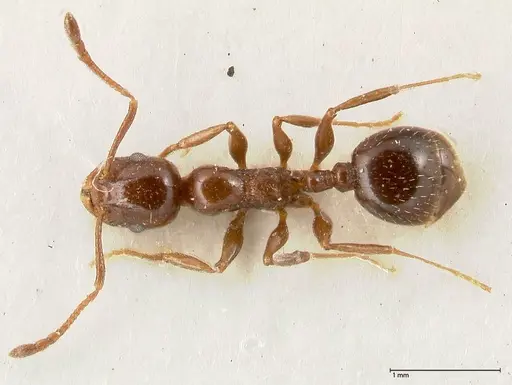
Literature
Loading distribution map...Loading products...