
Temnothorax cabrerae
- Sci. Name
- Temnothorax cabrerae
- Tribe
- Crematogastrini
- Subfamily
- Myrmicinae
- Author
- Forel, 1893
- Distribution
- Found in 2 countries
Introduction
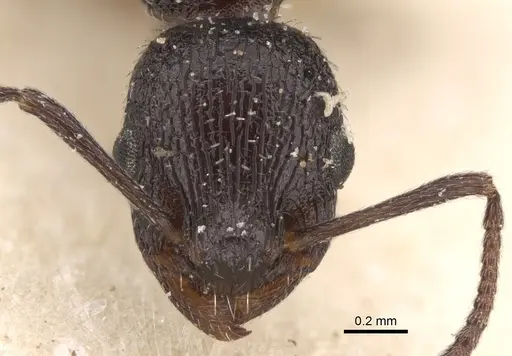
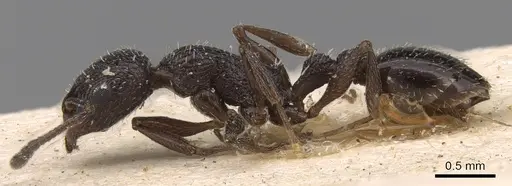
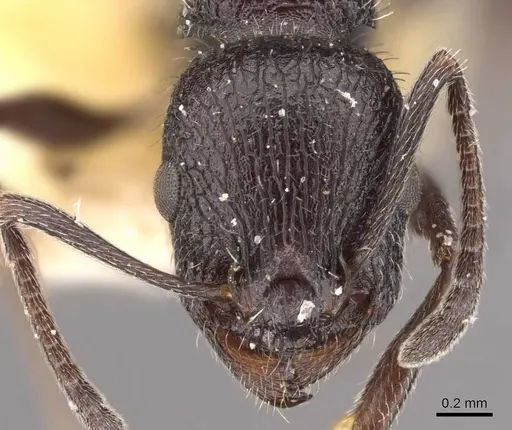
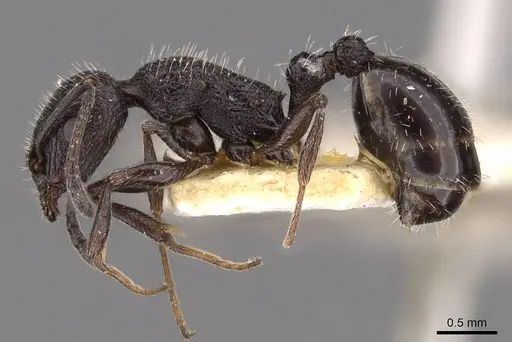
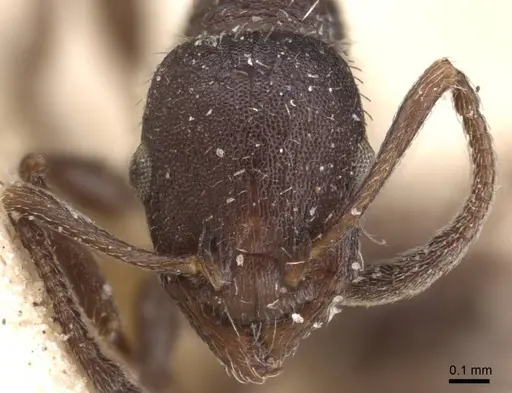
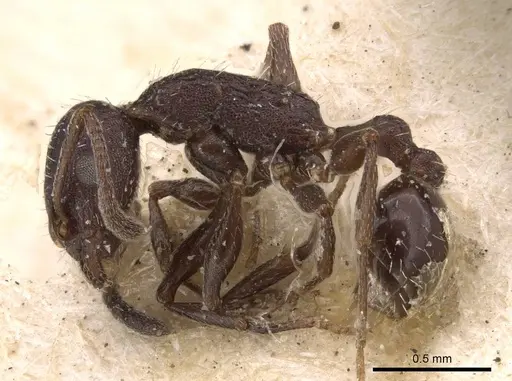
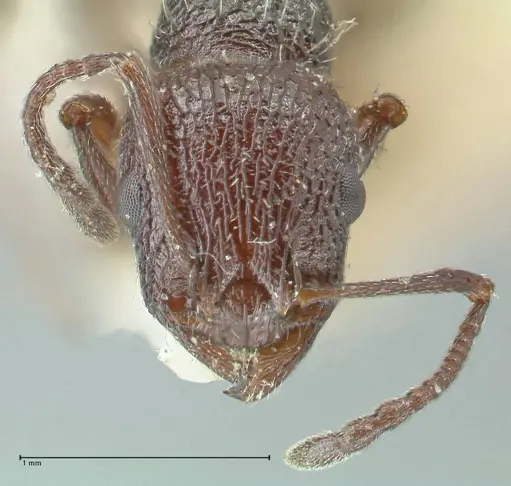
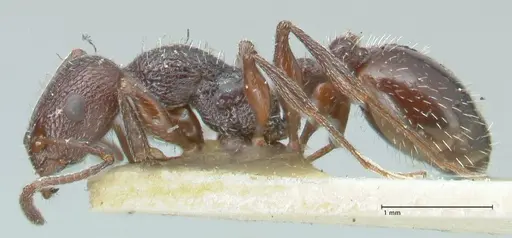
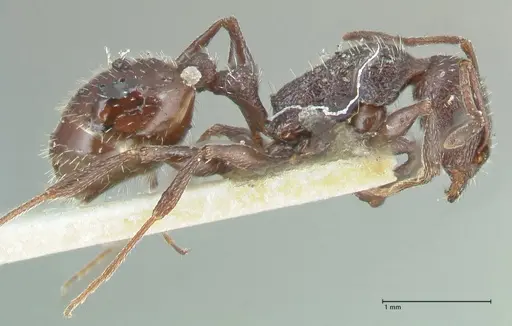
Temnothorax cabrerae is a small ant species from the rottenbergii-clade, recognized by its unusually short propodeal spines that help set it apart from related species . It has a limited distribution, documented only from the Canary Islands (Spain) and Morocco, making it relatively rare in the antkeeping hobby . The species was originally described from the Canary Islands . Unlike many acorn ants that nest in hollow twigs, T. cabrerae is a ground-nesting species, with colonies found nesting directly in sandy soil, often at the base of coastal plants like Zygophyllum fontanesii . This adaptation to beach and coastal environments gives it care needs that differ from typical twig-dwelling Temnothorax. The species is thought to be docile and non-aggressive, making it suitable for observation colonies, though much of its biology remains undocumented in the scientific literature.
Quick Summary
- Difficulty: Medium
- Origin & Habitat: Native to the Canary Islands (Spain) and Morocco [1][2]. Nests in sandy soil in coastal areas, such as at the base of Zygophyllum fontanesii on beaches [3].
- Colony Type: Colony structure is not well documented. Based on genus patterns, likely single-queen (monogyne) colonies.
- Size & Growth:
- Queen: Size data unavailable
- Worker: Size data unavailable
- Colony: Unknown, not documented
- Growth: Unknown
- Development: Unknown, likely 6-8 weeks based on related Mediterranean Temnothorax, but not confirmed (Development times are speculative, no specific data exist for this species.)
- Antkeeping:
- Temperature: Not documented. Given its Mediterranean/Canary Islands habitat, likely prefers warm conditions. Start at room temperature (20-24°C) and observe colony behavior. Avoid direct sunlight or overheating.
- Humidity: Not documented. Ground-nesting in sandy coastal soil suggests moderate to low humidity. Provide a dry nest chamber with a single moist corner to allow ants to select preferred humidity. Avoid waterlogging.
- Diapause: Unknown. As a species from subtropical Canary Islands with mild winters, diapause may not be required. However, Mediterranean regions can have seasonal variation. If kept at stable warm temperatures year-round, colonies may still thrive. Monitor for reduced activity in winter and adjust accordingly.
- Nesting: Ground-nesting species [3]. Works well with naturalistic setups using sandy soil substrate, or Y-tong/plaster nests with chambers scaled to their small size. Provide a substrate that allows digging.
- Behavior: Likely docile based on genus patterns. Their small size (under 3-4mm) demands excellent escape prevention, they can squeeze through tiny gaps. Foraging behavior is probably active during daylight hours, typical of Mediterranean Temnothorax.
Housing and Nest Setup
Temnothorax cabrerae is a ground-nesting species, so its housing should mimic sandy coastal soils [3]. In captivity, provide a Y-tong or plaster nest with chambers small enough for the ants to feel secure, or use a naturalistic setup with a substrate of sandy soil where colonies can dig. A nest with chambers about 5-10 cm wide works well for a small colony. The outworld (foraging area) can be a simple plastic container with sand or soil on the floor. Escape prevention is critical, these small ants can slip through gaps under 1 mm. Apply Fluon or a similar barrier around the top edges of the outworld, and use fine mesh for ventilation.
Feeding and Diet
No specific dietary data exist for T. cabrerae, but like most Temnothorax, they are likely omnivorous. Offer small protein sources such as fruit flies, pinhead crickets, or small mealworms twice a week. Also provide a constant sugar source like honey water or sugar water. Remove uneaten prey after 24-48 hours to prevent mold. Rotate protein types for a balanced diet.
Temperature and Seasonal Care
Because T. cabrerae comes from the Canary Islands and Morocco, it likely prefers warm temperatures, but exact requirements are unknown. Keep the nest at room temperature (20-24°C) and watch how the colony responds. A gentle heat gradient can be created with a heating cable placed on top of the nest (not underneath, which dries out the substrate). Avoid direct sunlight or heat mats that can overheat the nest. Seasonal diapause is not confirmed for this species, if you keep it at consistent warmth year-round, it may not need a winter rest. However, if you want to try diapause, reduce temperature to 12-15°C for 2 months during winter and stop feeding. Monitor colony health and adjust based on observed behavior.
Colony Development and Growth
Colony development for T. cabrerae is not documented. Based on related Mediterranean Temnothorax, the queen might take 6-8 weeks to produce the first workers, but this is speculative. Once established, colonies likely grow slowly, but there is no data on maximum colony size. Patience is essential, avoid handling or disturbing the nest during founding. The queen may live for several years, but again, no specific lifespan data exist.
Behavior and Observation
Temnothorax cabrerae is thought to be peaceful, based on general Temnothorax behavior. Workers are active foragers and may use tandem running to recruit nestmates to food sources. Their small size makes them fascinating to watch but also increases escape risk. They are diurnal and will explore the outworld during daylight. Ground-nesting means they will dig and modify their substrate if given the chance, providing excellent observation of natural burrowing behavior.
Frequently Asked Questions
How long does it take for Temnothorax cabrerae to have first workers?
This is unknown for this species. Based on related Mediterranean Temnothorax, it might take 6-8 weeks at warm temperatures, but no data confirms this. Be prepared for a slow start.
Can I keep Temnothorax cabrerae in a test tube?
Yes, a test tube setup works well for founding. Use a small tube with a water reservoir sealed by cotton. The humidity from the water chamber will keep the area moist. Once the colony has 10-15 workers, consider moving to a naturalistic setup with sandy soil, as they are ground-nesters.
Do Temnothorax cabrerae ants sting?
Temnothorax are generally docile and do not sting keepers. Their defense mechanism is smearing venom (based on subfamily/tribe), which is harmless to humans. They are safe to handle with care.
What do Temnothorax cabrerae eat?
Specific diet is not documented. Offer small insects (fruit flies, pinhead crickets) as protein twice a week, and provide a constant sugar source (honey water or sugar water). Remove uneaten prey after 24 hours.
Do Temnothorax cabrerae need hibernation?
Unknown. They come from subtropical Canary Islands with mild winters, so diapause may not be essential. If you keep them at stable room temperature year-round, they may do fine without a cold period. If you choose to hibernate, lower temperature to 12-15°C for 2 months and stop feeding.
How big do Temnothorax cabrerae colonies get?
Colony size is undocumented. Many Temnothorax have 100-300 workers, but this is speculation. Expect a small to moderate colony that grows slowly.
Are Temnothorax cabrerae good for beginners?
They are of moderate difficulty. The main challenges are that much of their care is unknown, so you need to be adaptable. Their tiny size requires excellent escape prevention. If you have experience with small ants and are willing to experiment, they can be rewarding.
When should I move my colony to a formicarium?
Wait until the colony has 10-20 workers and is actively foraging. Since they are ground-nesters, provide a substrate they can dig in when you move them. Use a gentle connection tube to let them move voluntarily.
Why is my Temnothorax cabrerae colony dying?
Common issues include overheating, desiccation, mold from overwatering, or stress from excessive handling. Without specific data, monitor temperature (avoid direct sun), keep substrate slightly dry with a moist corner, and remove uneaten food promptly. If the queen is wild-caught, she may carry unknown parasites.
Can I keep multiple queens together?
Not recommended. While colony structure is unconfirmed, most Temnothorax are monogyne. Multiple queens are likely to fight. House each queen separately.
Report an Issue
The current care sheet is based fully on literature. See inconsistencies, or something that's incorrect? Please , it will be resolved after review from an admin. Contributing to the blogs tab also helps providing information, to make us be able to further improve the caresheets. Thank you for your support!
References

This caresheet is licensed under CC BY-SA 4.0 .
Community Blogs
CASENT0906159
View on AntWeb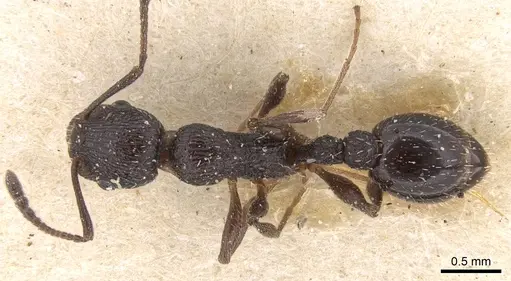
CASENT0909007
View on AntWeb
CASENT0909008
View on AntWeb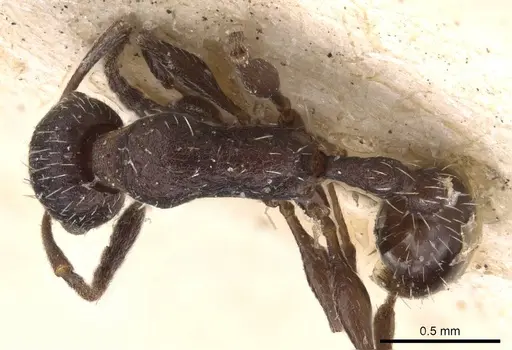
FOCOL2028
View on AntWeb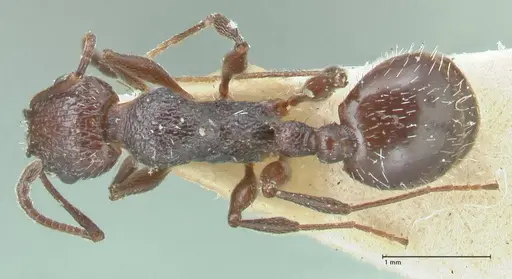
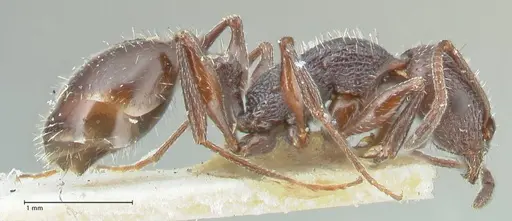
FOCOL2029
View on AntWeb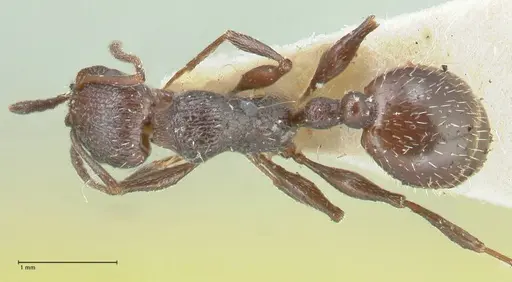
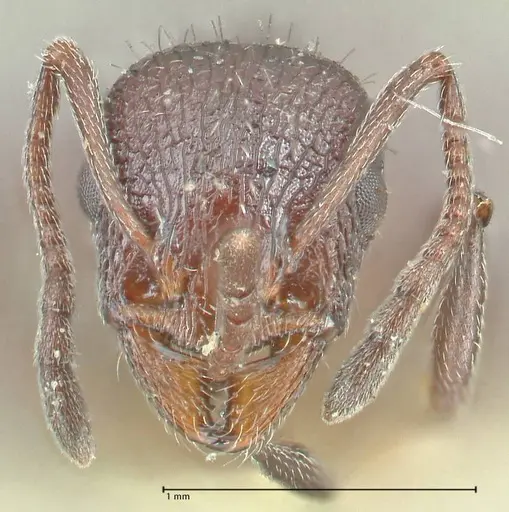
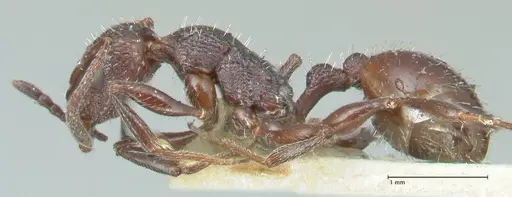
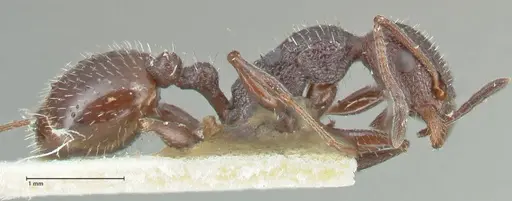
FOCOL2030
View on AntWeb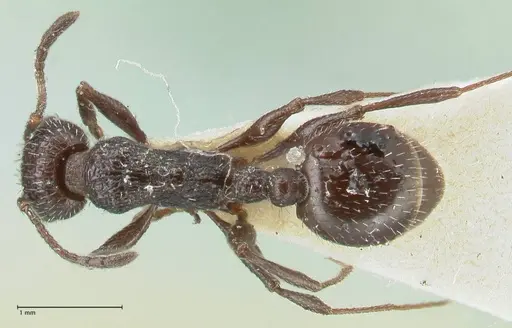
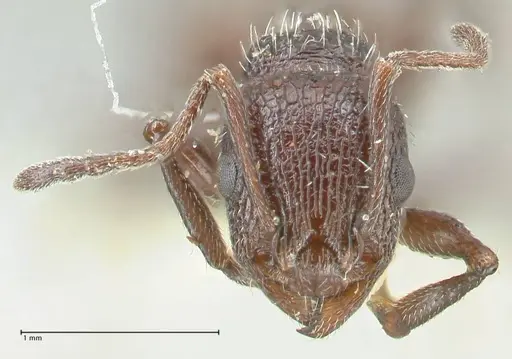
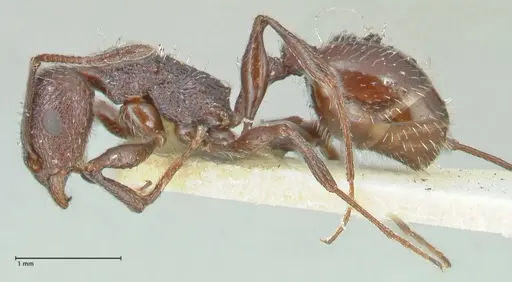
Literature
Loading distribution map...Loading products...