
Temnothorax bulgaricus
- Sci. Name
- Temnothorax bulgaricus
- Tribe
- Crematogastrini
- Subfamily
- Myrmicinae
- Author
- Forel, 1892
- Distribution
- Found in 4 countries
Introduction
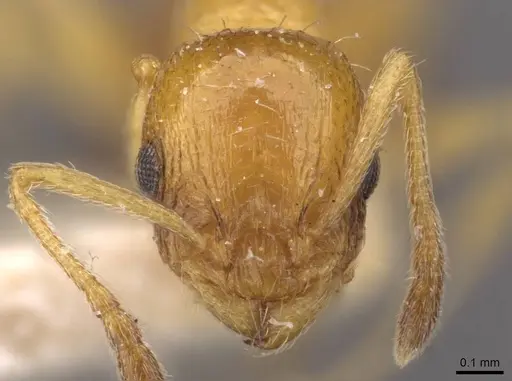
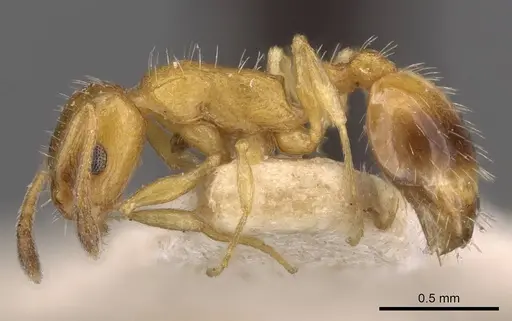
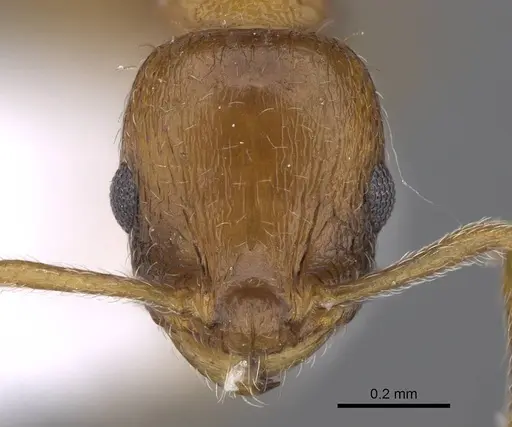
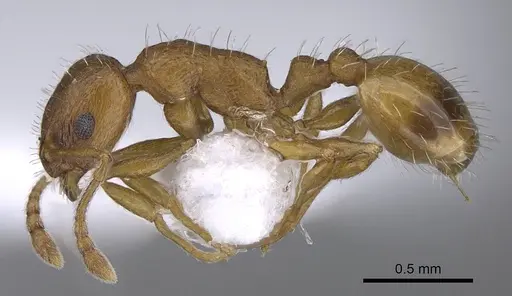
Temnothorax bulgaricus is a tiny, yellowish ant with workers measuring 2.2-2.5 mm in total length . It belongs to the Temnothorax bulgaricus species group and has 12-segmented antennae with a usually darkened club, reduced propodeal spines that look like triangular bumps, and a rounded petiole node in profile . The body is mostly yellow, sometimes with a darker head, and the first gastral segment has a wide dark band with a yellow spot at the base . This species is found across the eastern Mediterranean: Bulgaria, Greece, Turkey, Israel, North Macedonia, Serbia, and possibly Cyprus . It prefers humid shadow habitats like stream valleys, oak forests with rocks, and limestone Mediterranean bushes . Nests are built in dry branches of shrubs, under stones, in moss, or in tree bark .
Quick Summary
- Difficulty: Easy
- Origin & Habitat: Eastern Mediterranean, recorded in Bulgaria, Greece, Turkey, Israel, North Macedonia, Serbia, and possibly Cyprus. inhabits humid, shaded spots such as stream valleys, oak forests with stones and rocks, limestone slopes in Mediterranean bushes, and pine forests [3][2][6].
- Colony Type: Single-queen (monogyne), inferred from typical Temnothorax colony structure, but not confirmed from literature.
- Size & Growth:
- Queen: Size data unavailable. Inferred from related Temnothorax species, queens are approximately 4-5 mm.
- Worker: 2.2-2.5 mm [1]
- Colony: Up to several hundred workers (estimated from similar Temnothorax species).
- Growth: Moderate
- Development: Estimated 6-10 weeks at room temperature, based on typical Temnothorax development patterns. (Specific development time for this species is unknown, estimate is based on genus.)
- Antkeeping:
- Temperature: Keep at room temperature (20-24°C). This species originates from warm Mediterranean areas, so moderate warmth is beneficial. Avoid temperatures above 30°C or below 15°C except during winter rest. Specific preferred temperature not studied.
- Humidity: Moderate to high humidity, provide a damp area in the nest, mimicking their natural humid microhabitats (stream valleys, deciduous forests) [2][6].
- Diapause: Yes, likely required. Reduce temperature to 10-15°C for 2-3 months during winter. Reduce feeding during this period. (Inferred from temperate distribution.)
- Nesting: Natural nests occur in small cavities: dry branches, under stones, in moss, and under bark [7][6][8][9]. In captivity, use a test tube for founding, then a small Y-tong (AAC) or plaster nest with narrow chambers. Avoid large open spaces.
- Behavior: Peaceful and timid. Workers forage individually or in small groups. They have a modified stinger used to smear venom onto attackers (subfamily Myrmicinae trait) rather than pierce, but they rarely use it on humans and are harmless. Escape prevention is critical due to their tiny size (2.2-2.5 mm), they can slip through very small gaps. Known to be a host for the slave-making ant Temnothorax gordiagini [10], but this is not a concern in captivity.
- Common Issues: escape prevention is essential, use fine mesh (≤0.5 mm) and tight seals because workers are only 2.2-2.5 mm., colonies grow slowly, avoid overfeeding, provide small amounts of food 2-3 times per week., too-dry substrate causes colony decline, maintain moderate to high humidity in part of the nest., founding queens are sensitive to disturbance, minimal handling during first weeks increases success chances.
Housing and Nest Setup
Because Temnothorax bulgaricus is tiny, use a small test tube (about 1-2 cm diameter) with a cotton water plug for founding colonies. For established colonies, a small Y-tong (AAC) or plaster nest with narrow chambers works best, they naturally nest in tight spaces like dry branches, under stones, or in moss [7][6][8]. Avoid large, open formicaria, these ants feel safer in compact, snug accommodations. Cover the nest with a fine mesh (≤0.5 mm openings) to prevent escapes. Place the setup in a quiet area away from direct sunlight and vibrations.
Feeding and Diet
No specific dietary studies exist for this species. Based on typical Temnothorax feeding habits, offer small protein sources like fruit flies (Drosophila), pinhead crickets, or tiny pieces of mealworm. Supplement with sugar sources such as honey water or diluted sugar syrup. Feed small amounts two to three times per week and remove uneaten prey within 24 hours to prevent mold. For founding colonies, a single fruit fly or a tiny drop of honey water once a week is enough.
Temperature and Seasonal Care
Hold temperatures between 20-24°C, which matches the moderate warmth of their Mediterranean home [2][6]. Avoid extremes, they are not heat‑tolerant like desert ants. In winter, a diapause period is recommended: lower temperature to 10-15°C for 2-3 months, reduce feeding to occasional sugar water, and return to normal temperatures gradually in spring. (Diapause is inferred from the species' temperate distribution.) [2][6] only describe habitat, not specific temperature ranges, so these values are a practical guide.
Humidity Requirements
Temnothorax bulgaricus prefers moderate to high humidity, reflecting its natural occurrence in stream valleys and damp deciduous forests [2][6]. Keep part of the nest substrate slightly moist but never waterlogged. A damp cotton plug in the test tube water reservoir usually provides enough humidity via condensation. For plaster or Y‑tong nests, mist the water chamber occasionally but let it dry slightly between mistings. Provide a gradient: one damp area and one drier area so the ants can choose.
Behavior and Handling
These ants are shy and non‑aggressive. Workers are only 2.2-2.5 mm [1] and typically forage alone. Their stinger is flattened and used to smear venom onto enemies (typical of Myrmicinae), but they never attempt to sting keepers and are completely harmless. The main handling challenge is escape prevention: their tiny bodies can squeeze through any gap larger than 0.5 mm. Always work over a white tray, use fine mesh barriers, and inspect seals regularly. When moving colonies, connect the new nest via a tube and let them migrate of their own accord.
Colony Development
The queen founds the colony independently (claustral founding, inferred from genus patterns) and raises the first brood on stored fat reserves. First workers (nanitics) are even smaller than normal workers. Colony growth is moderate, under good conditions the colony may reach several hundred workers within one to two years. Do not disturb the founding queen, stress can cause her to eat eggs. Once the colony has at least 15-20 workers you can gradually expand their living space. Avoid overfeeding, consistent, modest food supplies lead to healthier growth than heavy feeding.
Frequently Asked Questions
How long does it take for Temnothorax bulgaricus to produce first workers?
Based on typical Temnothorax development, expect first workers to emerge about 6-10 weeks after the queen lays eggs at room temperature (20-24°C). Specific data for T. bulgaricus is not available.
Can I keep Temnothorax bulgaricus in a test tube?
Yes, a test tube with a cotton water plug is ideal for founding colonies. Use a small‑diameter tube (~1-2 cm) to match their tiny size. Secure the opening with fine mesh to prevent escapes.
Do Temnothorax bulgaricus ants sting?
They have a stinger, but it is modified for smearing venom rather than piercing skin. They are harmless to humans and rarely attempt to sting. Their venom is applied topically and is not medically significant.
What do Temnothorax bulgaricus eat?
They accept small insects (fruit flies, pinhead crickets, tiny mealworm pieces) and sugar water or honey. Feed small amounts 2-3 times per week. A single fruit fly can feed a small colony.
Do Temnothorax bulgaricus need hibernation?
Yes, a winter rest period is recommended. Gradually lower temperature to 10-15°C for 2-3 months. Offer sugar water occasionally but reduce protein feeding. This mimics their natural Mediterranean cycle and helps maintain healthy colony development.
Are Temnothorax bulgaricus good for beginners?
Yes, they are one of the easier Myrmicinae: they are peaceful, small, and do not require elaborate equipment. The main challenge is their escape risk due to tiny size, but with good containment they are very manageable.
How big do Temnothorax bulgaricus colonies get?
Colony size has not been documented for this species. Based on related Temnothorax, they likely reach several hundred workers over 1-3 years under good conditions.
Why are my Temnothorax bulgaricus escaping?
Their workers are only 2.2-2.5 mm [1] and can fit through any gap larger than about 0.5 mm. Ensure all seals are tight, use fine mesh, and work over a white tray when opening the setup. Even feeding ports must be escape‑proof.
When should I move Temnothorax bulgaricus to a formicarium?
Wait until the colony has at least 15-20 workers before offering a new nest. Let them discover and move into the new nest gradually by connecting tubes, never force the move.
What temperature is best for Temnothorax bulgaricus?
A range of 20-24°C is ideal for active growth, similar to room temperature. During winter diapause reduce to 10-15°C. Avoid prolonged temperatures above 30°C or below 10°C.
Report an Issue
The current care sheet is based fully on literature. See inconsistencies, or something that's incorrect? Please , it will be resolved after review from an admin. Contributing to the blogs tab also helps providing information, to make us be able to further improve the caresheets. Thank you for your support!
References

This caresheet is licensed under CC BY-SA 4.0 .
Community Blogs
CASENT0763864
View on AntWeb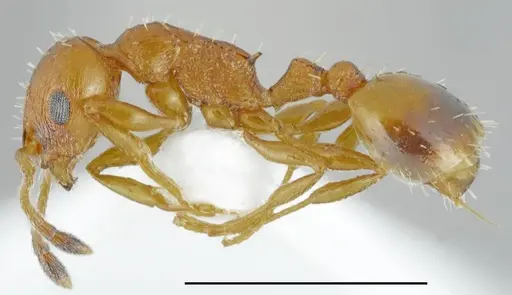
CASENT0904743
View on AntWeb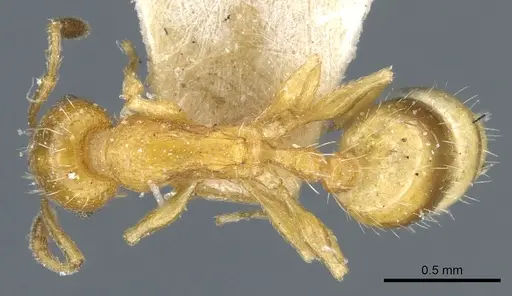
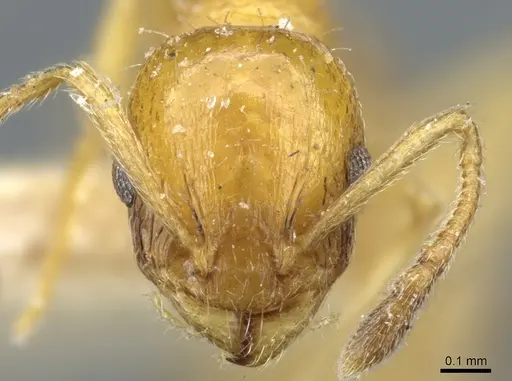
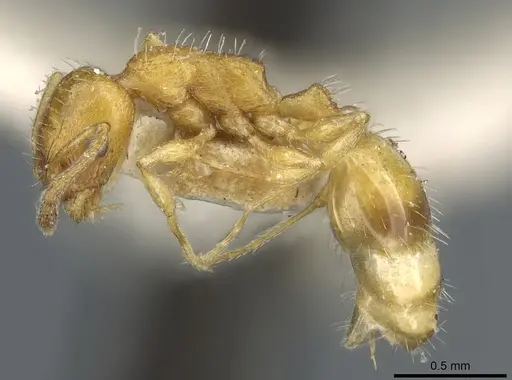
CASENT0909014
View on AntWeb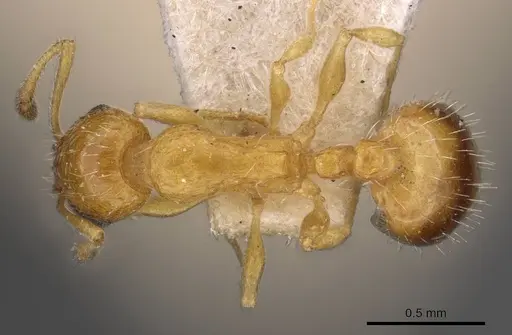
CASENT0914253
View on AntWeb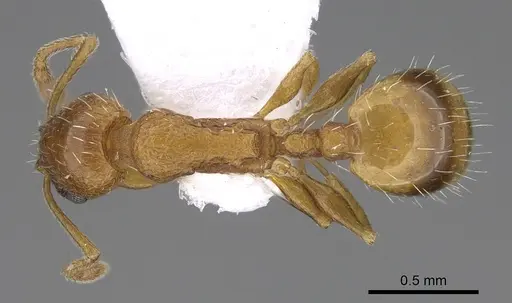
Literature
Loading distribution map...Loading products...