
Temnothorax bradleyi
- Sci. Name
- Temnothorax bradleyi
- Tribe
- Crematogastrini
- Subfamily
- Myrmicinae
- Author
- Wheeler, 1913
- Distribution
- Found in 1 countries
Introduction
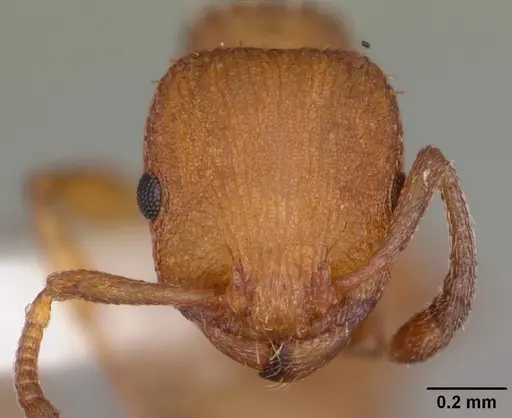
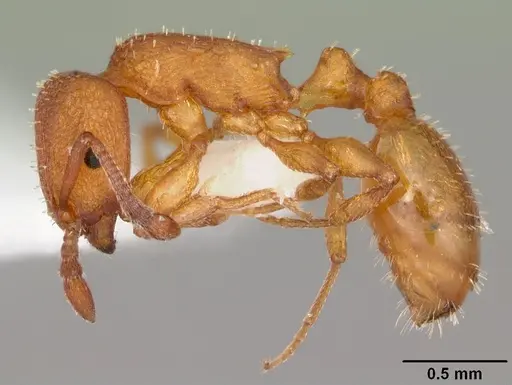
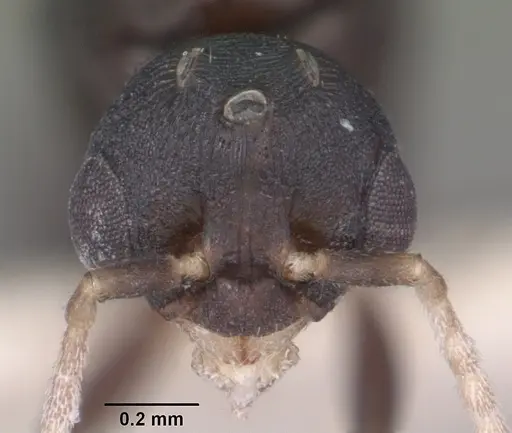
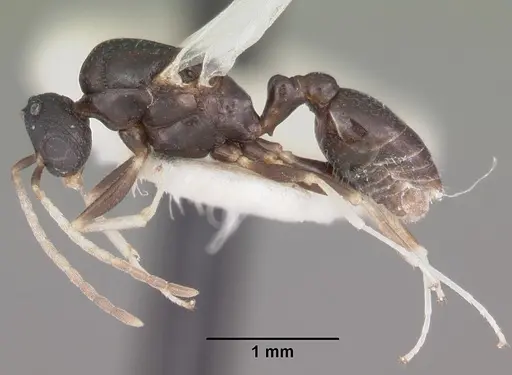
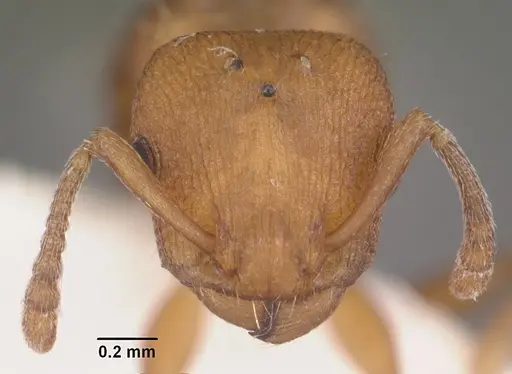
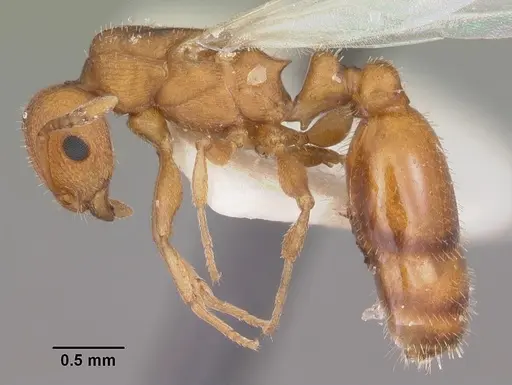
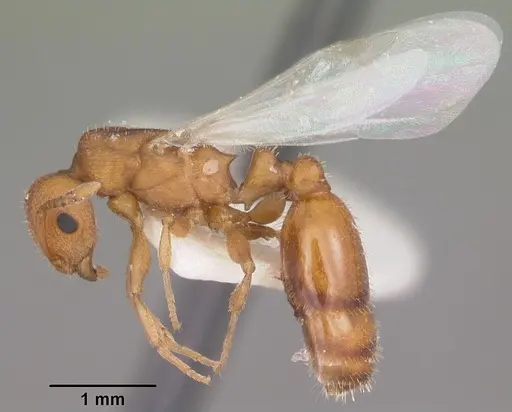
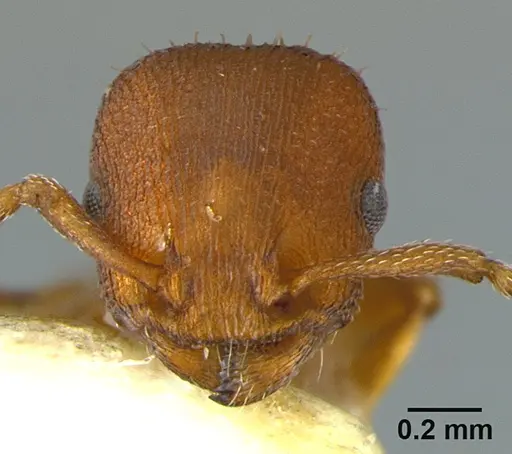
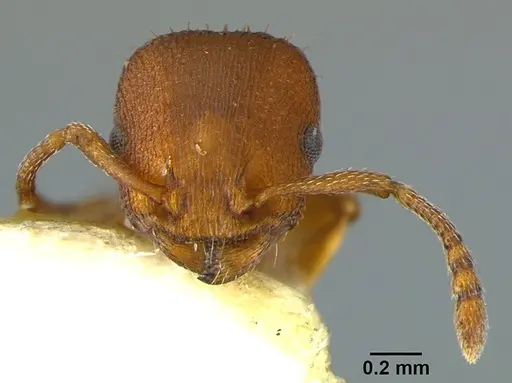
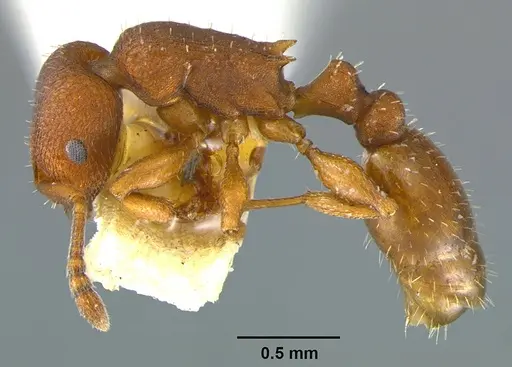
Temnothorax bradleyi is a small, reddish-brown ant native to the southeastern United States. Workers are tiny, around 2.5-3 mm in total length (inferred from related Temnothorax species), with a rich ferrugineous red color and 11-segmented antennae. They have stout propodeal spines about as long as the distance between their bases . This species is part of the rugatulus clade and looks similar to Temnothorax smithi, but is smaller with shorter propodeal spines . What sets this ant apart is its specialized nesting habit: it lives exclusively under the bark of living pine trees, especially longleaf pines (Pinus palustris) and slash pines (P. elliottii), in flat galleries about one meter above ground . It is a member of the longleaf pine ecosystem and is considered uncommon, with nests rarely accessible . The species is found from central Florida north to Georgia and west to Alabama and Louisiana, and possibly in the Carolinas .
Quick Summary
- Difficulty: Medium
- Origin & Habitat: Southeastern United States: central Florida north into Georgia, west to Alabama and Louisiana, and likely the Carolinas [2][3][4]. They inhabit open areas within the longleaf pine ecosystem, nesting under the bark of large living pines like Pinus elliottii and P. palustris [2].
- Colony Type: Single-queen colonies (monogyne). One documented wild colony contained 1 dealate queen,42 workers,2 males, and brood [1]. No evidence of ergatoid replacement queens or polygyny.
- Size & Growth:
- Queen: Total length approximately 5-6 mm (inferred from genus Temnothorax, body length not directly measured in literature)
- Worker: Total length approximately 2.5-3 mm (inferred from genus Temnothorax, only mesosomal length reported in literature)
- Colony: Up to at least 42 workers based on a single wild colony [1]. Likely max out around 50-100 workers in captivity.
- Growth: Moderate
- Development: 6-10 weeks (estimated based on typical Temnothorax development, no specific studies for this species) (Development time is not documented for T. bradleyi. The estimate assumes optimal temperature around 20-24°C. Keep at stable room temperature.)
- Antkeeping:
- Temperature: Keep at 20-24°C, matching their native southeastern US climate [2]. Room temperature is suitable, avoid extremes.
- Humidity: Moderate humidity (50-60%). As arboreal nesters under bark, they prefer drier conditions than ground-nesting ants. Provide a water source in the outworld but avoid waterlogging the nest. Let the nesting material dry between waterings.
- Diapause: Likely requires a mild winter rest period (diapause) based on temperate origins. Offer 2-3 months at 10-15°C. Not explicitly documented for this species, but recommended for long-term health.
- Nesting: Arboreal specialists. Use Y-tong (AAC) nests with narrow chambers, or naturalistic setups with flat stones, cork, or bark pieces to mimic the tight galleries under pine bark [5][1]. Avoid soil-based setups and tall, open spaces.
- Behavior: Peaceful and non-aggressive. Workers are tiny and timid, foraging on vertical surfaces. In the wild, they are attracted to sweet baits like peanut butter and jelly [2]. As members of the Crematogastrini tribe, they use a smearing defense with a modified stinger rather than stinging. Their small size (2.5-3 mm) makes them excellent escape artists, use fine mesh (0.5 mm or smaller) and seal all gaps.
- Common Issues: tiny size means escapes are likely without fine mesh barriers, check all seals., arboreal nesting requires specialized housing different from typical soil nests., uncommon in the hobby, wild colonies are difficult to find and collect., slow colony growth may test patience., sensitive to disturbance: handle with care, especially during founding.
Housing and Nest Setup
Temnothorax bradleyi requires an arboreal setup to match its natural nesting habits. In the wild, colonies live in flat galleries under the bark of living pine trees, about one meter above ground [1]. For captivity, use a Y-tong (AAC) nest with narrow, flat chambers, or create a naturalistic nest using flat pieces of cork bark or stones stacked to form tight crevices. The space should be snug, these ants prefer confined, flat tunnels rather than tall chambers. Avoid soil nests altogether. Connect to a small outworld with fine mesh (0.5 mm or smaller) to prevent escapes. A test tube may work for founding, but transfer to an arboreal nest once the colony grows.
Feeding and Diet
Wild workers are attracted to sweet baits like peanut butter and jelly placed on tree trunks [2], suggesting a strong preference for sugars. In captivity, provide a constant source of sugar (honey, sugar water, or jelly) and offer small protein 2-3 times a week. Good options include fruit flies, pinhead crickets, springtails, or pieces of mealworm. Since workers are tiny, prey must be appropriately sized. Remove uneaten food after a day to prevent mold.
Temperature and Seasonal Care
Based on the native southeastern US climate, keep the nest at 20-24°C [2]. Room temperature is fine, a slight gradient allows the ants to choose their preferred spot. During winter, provide a mild cooling period for 2-3 months at 10-15°C. This is typical for temperate ant species and likely helps maintain healthy seasonal cycles, though it hasn't been explicitly studied for this species. Do not expose them to freezing temperatures.
Colony Dynamics
Colonies are monogyne (single queen). One wild colony contained 1 queen,42 workers,2 males, and brood [1]. This suggests small colony sizes, likely maxing out around 50-100 workers in captivity. Founding behavior hasn't been described, it's unknown whether queens are claustral or semi-claustral. Once a colony is established, growth is moderate. First workers (nanitics) may be smaller than usual, a common pattern in many ants. Expect slow but steady progress, patience is key.
Behavior and Temperament
These ants are peaceful and non-aggressive. Workers are tiny and timid, spending most of their time foraging on vertical surfaces. They do not have a functional stinger, instead, as members of the Crematogastrini tribe, they use a smearing defense where a modified flattened stinger wipes venom onto attackers. This makes them harmless to keepers. However, their minute size makes them expert escape artists, use fine mesh (0.5 mm or smaller) on all openings and inspect the setup regularly for gaps. [2]
Frequently Asked Questions
Can I keep Temnothorax bradleyi in a test tube?
A test tube can work for a founding queen, but these ants prefer flat, tight spaces that mimic the galleries under bark. Once workers appear, transfer them to an arboreal nest with narrow chambers (Y-tong, cork, or flat stones).
How long does it take for Temnothorax bradleyi to produce first workers?
There is no specific data for this species. Based on typical Temnothorax development, expect 6-10 weeks from egg to worker at room temperature (20-24°C). This is an estimate, actual time may vary.
Do Temnothorax bradleyi ants sting?
No. They have a modified stinger used for smearing venom, not piercing. They are harmless to humans.
What do Temnothorax bradleyi eat?
They readily accept sugar sources like honey, sugar water, or jelly. For protein, offer small insects such as fruit flies, springtails, or pinhead crickets. Feed sugar constantly and protein 2-3 times a week.
Are Temnothorax bradleyi good for beginners?
They are rated Medium difficulty. While not the hardest, their specific arboreal housing needs, tiny size (high escape risk), and slow growth make them less suitable for absolute beginners. Consider easier species like Lasius niger first.
Do Temnothorax bradleyi need hibernation?
They likely benefit from a mild winter rest period (diapause). Provide 2-3 months at 10-15°C. This is not confirmed for this species but is standard practice for temperate ants. Do not freeze them.
How big do Temnothorax bradleyi colonies get?
One wild colony had 42 workers [1]. In captivity, they likely top out around 50-100 workers, much smaller than many common species. Good for keepers with limited space.
Why are my Temnothorax bradleyi escaping?
Workers are only 2.5-3 mm long and can squeeze through tiny gaps. Check all seals, use fine mesh (0.5 mm or smaller), and apply a barrier like fluon to the outworld rim. Inspect regularly.
Can I keep multiple queens together?
No, this species is monogyne. Multiple unrelated queens will fight. Only keep one queen per colony.
When should I move them to a formicarium?
Wait until the colony has at least 10-20 workers before moving. Use a gentle method (light or heat gradient) to encourage relocation. Since they prefer flat, narrow chambers, move them to an arboreal nest rather than a standard formicarium.
Report an Issue
The current care sheet is based fully on literature. See inconsistencies, or something that's incorrect? Please , it will be resolved after review from an admin. Contributing to the blogs tab also helps providing information, to make us be able to further improve the caresheets. Thank you for your support!
References

This caresheet is licensed under CC BY-SA 4.0 .
Community Blogs
CASENT0104011
View on AntWeb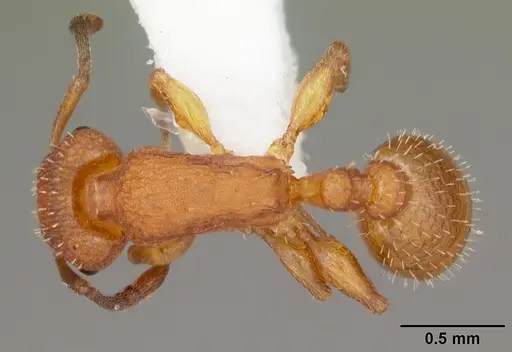
CASENT0104013
View on AntWeb
CASENT0104014
View on AntWeb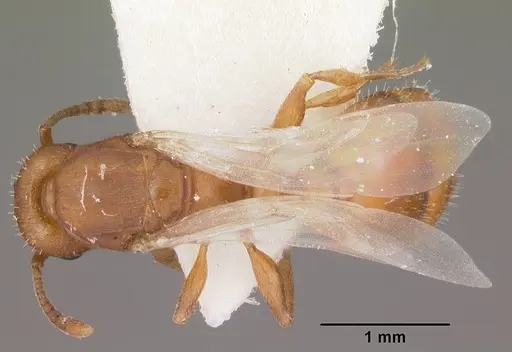
CASENT0105869
View on AntWeb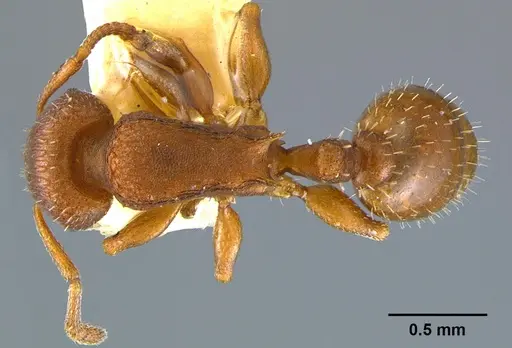
Literature
Loading distribution map...Loading products...