
Temnothorax atlantis
- Sci. Name
- Temnothorax atlantis
- Tribe
- Crematogastrini
- Subfamily
- Myrmicinae
- Author
- Santschi, 1911
- Distribution
- Found in 4 countries
Introduction
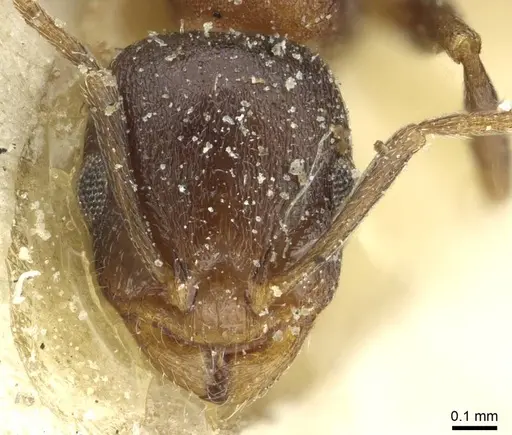
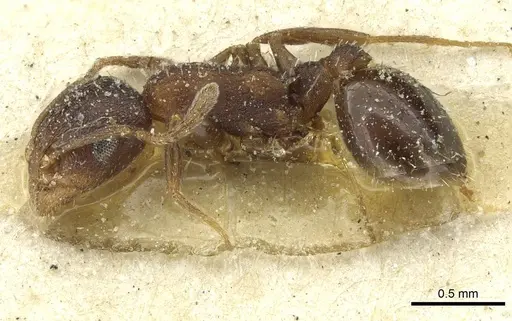
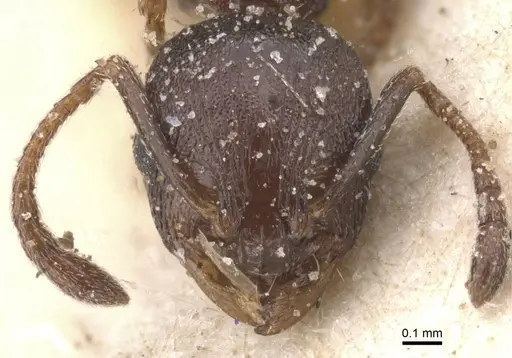
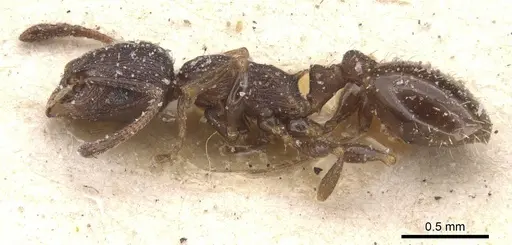
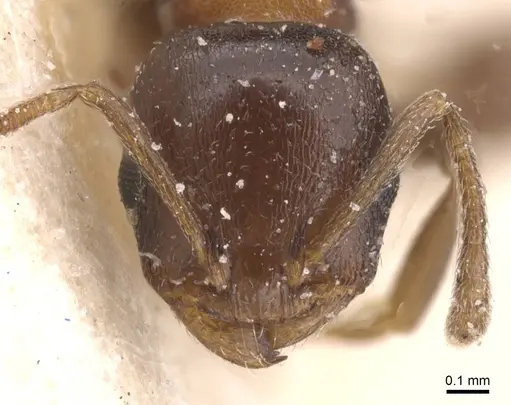
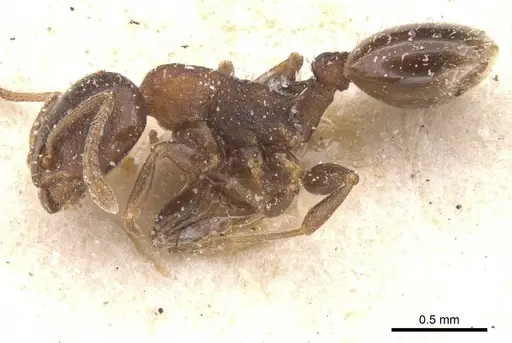
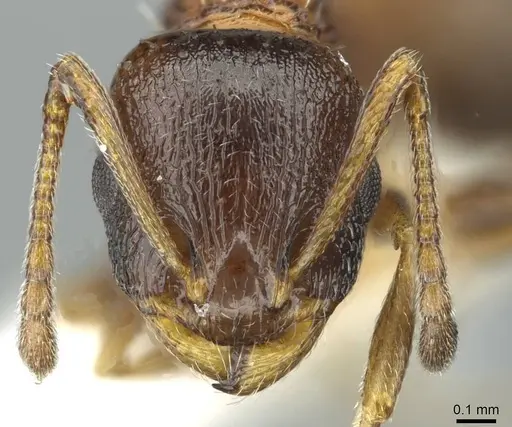
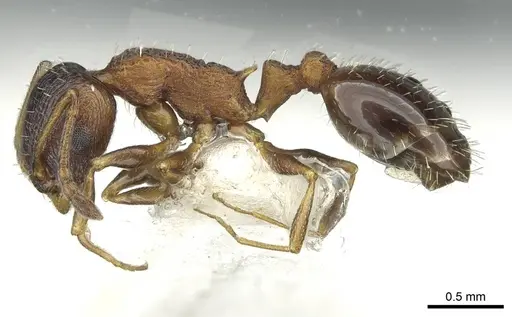
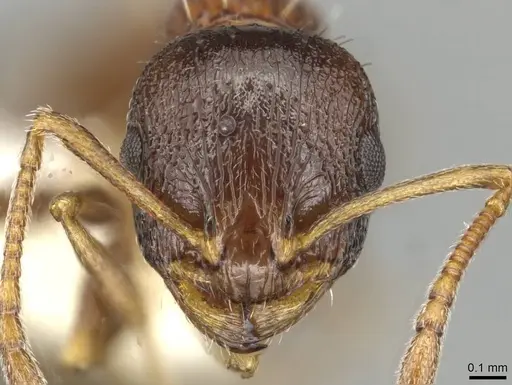
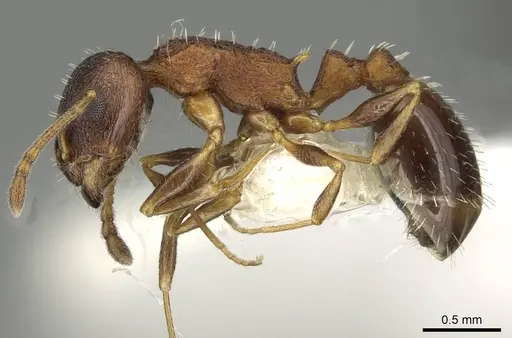
Temnothorax atlantis is a tiny, bicolored ant native to the Western Mediterranean, found across Algeria, Morocco, France, Spain, and Portugal . Workers are very small, typical of the genus, with a distinctive coloration: the head and gaster are dark brown to black, while the mesosoma and petiole nodes are reddish or ferruginous, though some populations are uniformly dark . These ants were previously known under several names (including Temnothorax continentalis) before being unified in 2025 . The most remarkable thing about Temnothorax atlantis is its arboreal lifestyle. Instead of nesting in soil, it lives in small cavities inside dead branches, tree trunks, and wood piles . Foragers are often collected by beating on trees and bushes, and the species frequently shares its habitat with other tree-dwelling ants like Temnothorax affinis and Crematothorax scutellaris . This means they need a nest setup that mimics dry wood cavities, not damp soil.
Quick Summary
- Difficulty: Easy
- Origin & Habitat: Western Mediterranean region: Algeria, Morocco, France, Spain, and Portugal [1]. Lives in arboreal habitats, nesting in small cavities in dead branches, tree trunks, and wood piles. Often found in undergrowth and on tree trunks [3][1].
- Colony Type: Colony structure not studied directly for this species. Most Temnothorax are monogyne (single queen), but this remains unconfirmed for T. atlantis.
- Size & Growth:
- Queen: ~3-4 mm (inferred from Temnothorax genus, no direct measurements available)
- Worker: ~2-3 mm (inferred from Temnothorax genus, no direct total length measurements available)
- Colony: Unknown, based on genus patterns, likely up to a few hundred workers.
- Growth: Moderate (estimated)
- Development: Unknown, based on related Temnothorax species, approximately 6-10 weeks at warm temperatures. (Development time not directly studied for this species.)
- Antkeeping:
- Temperature: Room temperature (20-24°C) is suitable, as they come from a mild Mediterranean climate. A gradient within the nest is helpful [1].
- Humidity: Keep the nest relatively dry, mimicking a dead wood cavity. Provide a small moist area (e.g., part of the nest) but allow most of the nest to dry between waterings. Avoid constant wetness [3].
- Diapause: Likely yes, given their Mediterranean origin, a winter rest period of 2-3 months at 10-15°C is recommended. This is inferred from their distribution and genus patterns [1].
- Nesting: Best kept in Y-tong (AAC) or plaster nests with narrow chambers that mimic natural tree cavities. Avoid large open spaces. Test tubes can be used for founding but need careful humidity control (smaller water reservoir). Do not use acrylic nests [3].
- Behavior: Peaceful and non‑aggressive. Workers are active foragers that will explore the outworld. Their defense is a modified stinger that smears venom (smear defense), but they are not aggressive toward keepers. Escape prevention is critical: these tiny ants can squeeze through nearly invisible gaps. Use fine mesh and tight seals [3][2].
- Common Issues: high escape risk due to their tiny size, check all seals and use fine mesh., slow founding period, queens may take weeks to months to raise first workers, patience is essential., overfeeding causes mold in small nests, remove uneaten food after 1-2 days., wrong humidity: too wet leads to mold, too dry causes desiccation, aim for a dry nest with a small moist zone., wild‑caught colonies may carry parasites, if possible, start from a confirmed captive‑bred queen.
Housing and Nest Preferences
Temnothorax atlantis is an arboreal species that naturally nests in small cavities inside dead branches, tree trunks, and wood piles [3][1]. In captivity, the best nests are made from Y‑tong (AAC) or plaster, with narrow chambers that match their tiny size. Avoid large open areas, these ants prefer tight spaces. A test tube can work for a founding colony, but keep the water reservoir small to avoid making the nest too wet. Escape prevention is critical: use fine mesh (0.5mm or smaller) on ventilation holes, and seal all gaps. Because they are so small, they can even creep under sliding lids if not tight.
Feeding and Diet
No specific dietary studies exist for this species, but like other Temnothorax, they likely eat small insects, honeydew, nectar, and other sugary substances. In captivity, offer small protein sources such as fruit flies, pinhead crickets, or small mealworms. Provide sugar water or honey water as a constant energy source. Because the workers are tiny, prey items should be appropriately sized, springtails are ideal. Feed small amounts every 2-3 days and remove any leftovers quickly to prevent mold in the nest.
Temperature and Seasonal Care
Keep your colony at room temperature, roughly 20-24°C. This matches the mild Mediterranean climate of their native range [1]. A slight temperature gradient inside the nest (warm side near the brood area, cooler side for storage) helps workers regulate brood development. For winter, reduce temperatures to 10-15°C for 2-3 months to simulate the natural diapause period. This rest is important for colony health and future reproductive cycles. Do not skip hibernation, as it may weaken the colony over time (inferred from genus patterns).
Behavior and Temperament
Temnothorax atlantis is a peaceful, non‑aggressive ant. Workers actively forage and explore their environment. Their main defense is a modified stinger that smears venom (smear defense), but they rarely use it against keepers. Because of their arboreal nature, they are comfortable moving through narrow spaces and will readily climb in the outworld [3]. Their tiny size makes them excellent escape artists, they can squeeze through gaps barely visible to the eye. Always ensure tight seals and use fine mesh on ventilation.
Colony Founding
Founding behavior has not been directly observed for this species. Based on typical Temnothorax patterns, queens are likely claustral, they seal themselves in a small chamber and raise the first workers using stored fat reserves. However, this is unconfirmed. If you catch a queen, provide her with a small, dark test tube with a narrow water reservoir. Do not disturb her during the founding period. The first workers (nanitics) will be even smaller than normal workers, and it may take several weeks to months before they appear. Patience is essential. [3]
Growth and Development
Colony growth appears moderate. After the first nanitic workers emerge, the colony will gradually produce larger workers as it matures. The bicolored coloration (reddish mesosoma, dark head and gaster) becomes more pronounced in mature workers [1]. Based on related species, egg‑to‑worker development likely takes 6-10 weeks at 20-24°C, but this has not been confirmed for T. atlantis. Expect the colony to reach several dozen workers in the first year, and possibly a few hundred over several years.
Frequently Asked Questions
Can I keep Temnothorax atlantis in a test tube?
Yes, but only for founding or small colonies. Use a test tube with a small water reservoir (about 1/3 filled) to keep humidity moderate. These ants prefer drier conditions than ground‑nesters. However, once the colony grows, a Y‑tong or plaster nest with narrow chambers is better for long‑term keeping.
How long does it take for Temnothorax atlantis to raise first workers?
Unknown for this species, but based on related Temnothorax, expect 6-10 weeks at 20-24°C. The first workers (nanitics) are smaller than mature workers. Do not disturb the queen during this period.
Do Temnothorax atlantis ants sting?
Yes, they have a stinger, but it is modified for smearing venom rather than piercing. They rarely use it on keepers and are not considered dangerous. This is typical of the Crematogastrini tribe to which they belong.
What do Temnothorax atlantis eat?
They accept small protein sources like fruit flies, pinhead crickets, and small mealworms. Offer sugar water or honey water as a constant energy source. Because of their tiny size, prey should be appropriately sized, springtails are ideal. Remove uneaten food promptly to prevent mold.
Are Temnothorax atlantis good for beginners?
Yes, they are a good beginner species if you can manage escape prevention. They are peaceful, tolerate room temperature, and don't require complex heating. The main challenges are their tiny size (requires careful enclosure) and the slow founding phase, which tests patience.
Do Temnothorax atlantis need hibernation?
Likely yes, since they come from a temperate Mediterranean region, a winter rest period is recommended. Reduce temperature to 10-15°C for 2-3 months. This has not been confirmed by specific studies, but it follows genus patterns [1].
How big do Temnothorax atlantis colonies get?
Unknown, but based on related Temnothorax species, colonies likely reach several hundred workers over several years. They are not large‑colony builders like Formica or Camponotus. The small worker size means more ants can be kept in a compact nest.
When should I move my colony to a formicarium?
Wait until the colony has at least 20-30 workers before moving from a test tube to a proper nest. Check that the workers are actively using the whole test tube and seem cramped. Use a gentle transfer method (e.g., connect the test tube to the new nest and let them move on their own). Avoid handling directly.
Why are my Temnothorax atlantis dying?
Common causes include: too high humidity (they prefer dry arboreal conditions), escape through tiny gaps, stress from disturbance during founding, parasites from wild‑caught colonies, or mold from overfeeding. Maintain a relatively dry nest, ensure excellent seals, and minimize disturbances.
Can I keep multiple queens together?
It is unknown whether this species is truly monogyne. Most Temnothorax are monogyne, so mixing unrelated queens is not recommended and could lead to fighting. House each queen separately unless you are certain of polygyny.
What is the best nest type for Temnothorax atlantis?
Y‑tong (AAC) nests or plaster nests with narrow, close‑spaced chambers work best because they mimic the natural cavities in dead wood [3]. Avoid large, open chambers. Do not use acrylic nests, as they do not provide the right texture or humidity control.
Report an Issue
The current care sheet is based fully on literature. See inconsistencies, or something that's incorrect? Please , it will be resolved after review from an admin. Contributing to the blogs tab also helps providing information, to make us be able to further improve the caresheets. Thank you for your support!
References

This caresheet is licensed under CC BY-SA 4.0 .
Community Blogs
CASENT0912894
View on AntWeb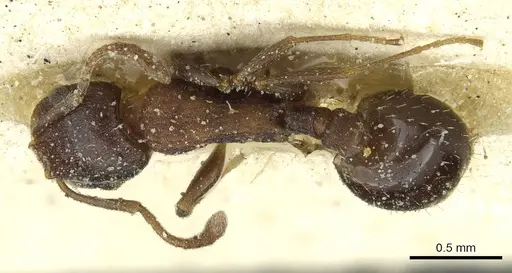
CASENT0912895
View on AntWeb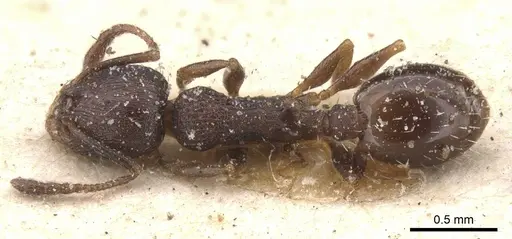
CASENT0912896
View on AntWeb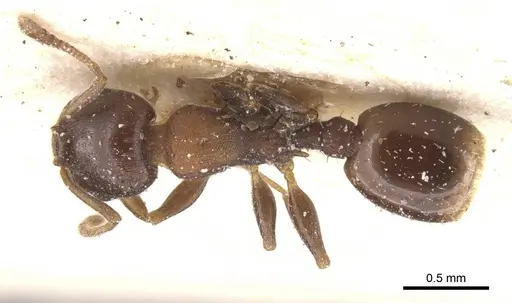
CASENT0912953
View on AntWeb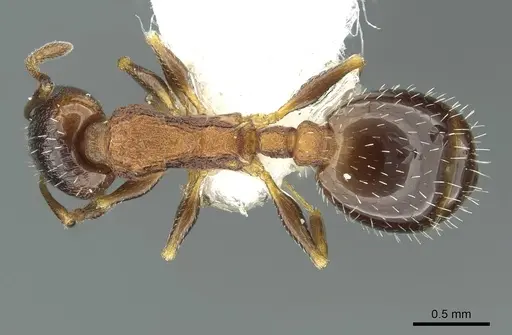
CASENT0915388
View on AntWeb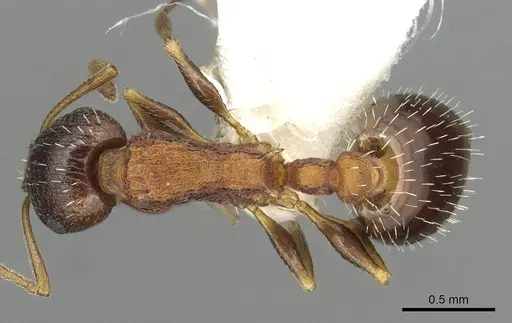
Literature
Loading distribution map...Loading products...