
Temnothorax ariadnae
- Sci. Name
- Temnothorax ariadnae
- Tribe
- Crematogastrini
- Subfamily
- Myrmicinae
- Author
- Csősz <i>et al.</i>, 2015
- Distribution
- Found in 1 countries
Introduction
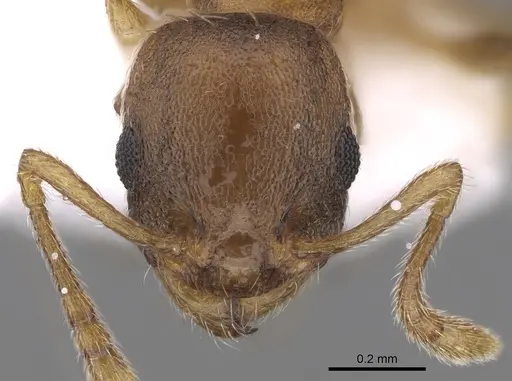
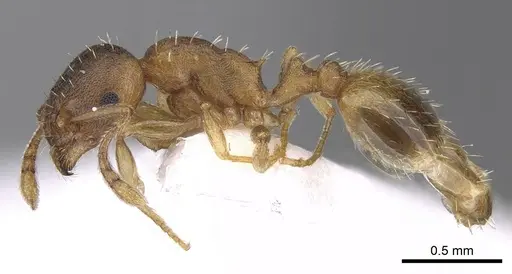
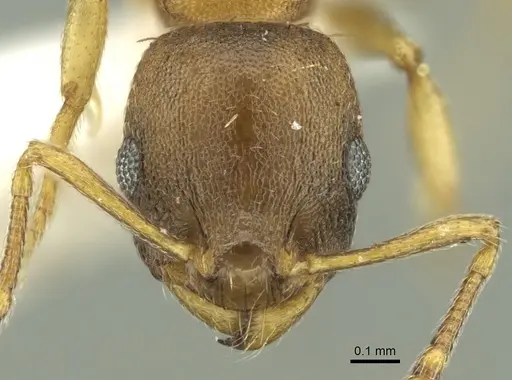
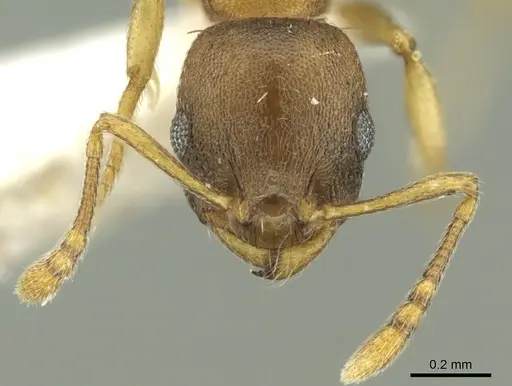
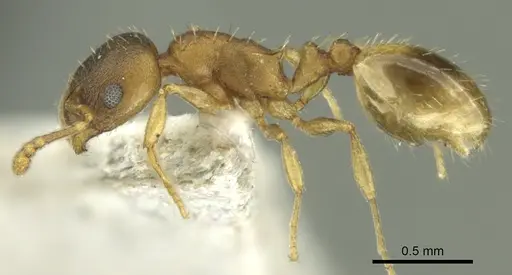
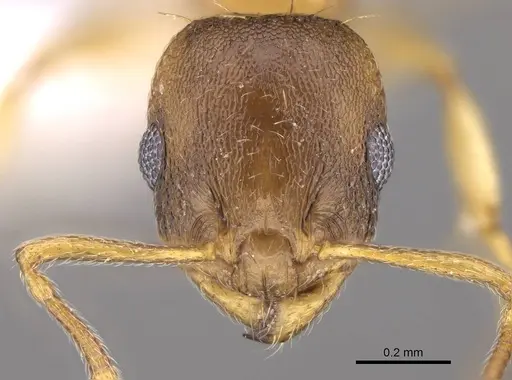
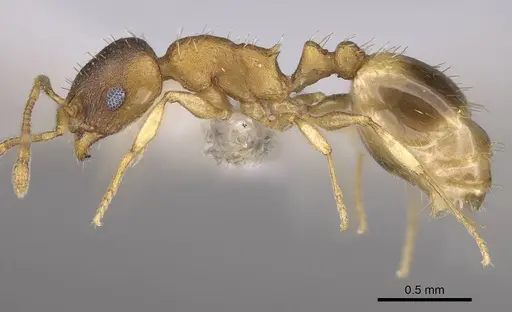
Temnothorax ariadnae is a tiny ant species endemic to the island of Crete, Greece. Workers are about 2-3mm long (inferred from genus patterns) and have a brown to yellow body with completely yellow antennae. Their head has a rough, rugoso-reticulate pattern. This species belongs to the Temnothorax nylanderi group and is named after the Cretan princess Ariadne . These ants are active during the day (diurnal) and form colonies with a single queen . They live in deciduous oak forests, nesting under stones or in leaf litter in shady, humid spots near streams .
Quick Summary
- Difficulty: Easy
- Origin & Habitat: Endemic to Crete, Greece, found in shady, humid deciduous oak forests near streams, nesting under stones or in leaf litter [2][3]
- Colony Type: Monogyne, single-queen colonies [2][3]
- Size & Growth:
- Queen: ~4-5mm (inferred from Temnothorax genus patterns)
- Worker: ~2-3mm (inferred from Temnothorax genus, no total length measurements available from research)
- Colony: Not explicitly documented, based on genus patterns, likely up to a few hundred workers
- Growth: Moderate
- Development: 6-10 weeks at room temperature (estimated from related Temnothorax species) (Development time is an estimate from genus-level data for Mediterranean Temnothorax)
- Antkeeping:
- Temperature: Keep at 20-26°C during the active season. They prefer warm Mediterranean conditions but avoid extremes. Room temperature is usually fine [2].
- Humidity: High humidity, keep nest substrate moist but not waterlogged. Their natural habitat is near streams in humid soil [2][3].
- Diapause: Likely beneficial, as a Mediterranean species, a mild winter rest at 10-15°C for 2-3 months mimics natural conditions. This is not fully documented but follows general patterns for the region.
- Nesting: In the wild they nest under stones or in leaf litter. In captivity, a test tube setup or small Y-tong nest with tight chambers works well. They prefer small, snug spaces [2].
- Behavior: Peaceful and non-aggressive. They are active during the day and rarely sting. Due to their tiny size (2-3mm), escape prevention is critical, use fine mesh (0.5mm or smaller) on all openings. They forage for honeydew and small insects. Their primary defense is smearing venom rather than stinging (typical of their tribe Crematogastrini).
- Common Issues: escape prevention is essential, they are tiny and can fit through gaps you might not notice, colonies grow slowly and stay small, patience is required, wild-caught colonies may carry parasites (mites, fungi) that can kill them, overheating (above 30°C) or direct sunlight can be fatal, dry conditions cause rapid death, maintain consistent moisture
Report an Issue
The current care sheet is based fully on literature. See inconsistencies, or something that's incorrect? Please , it will be resolved after review from an admin. Contributing to the blogs tab also helps providing information, to make us be able to further improve the caresheets. Thank you for your support!
References

This caresheet is licensed under CC BY-SA 4.0 .
Community Blogs
CASENT0746041
View on AntWeb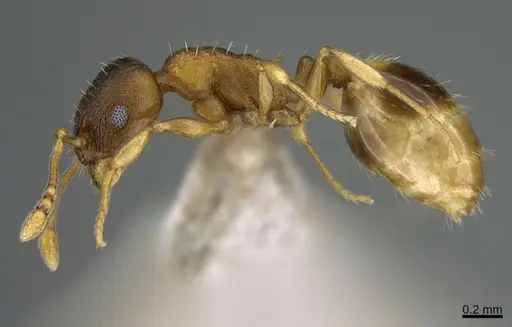
CASENT0906019
View on AntWeb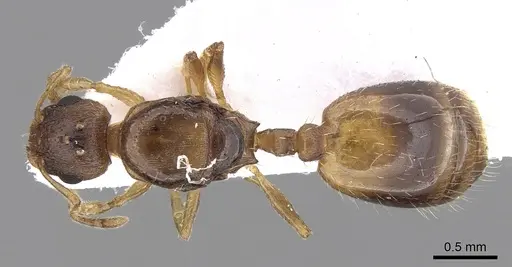
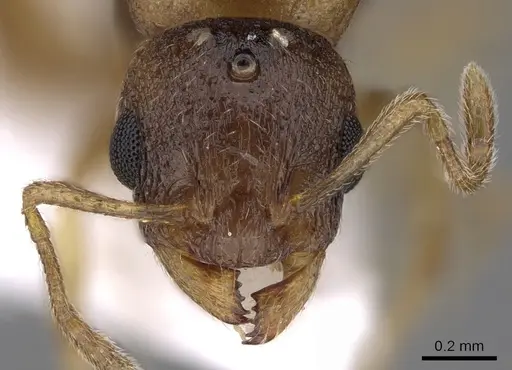
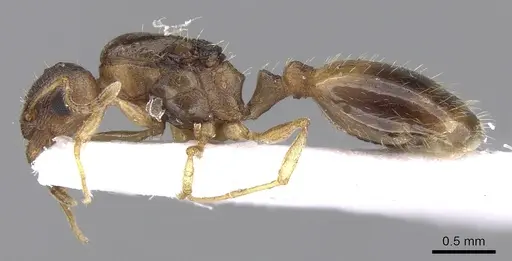
CASENT0906020
View on AntWeb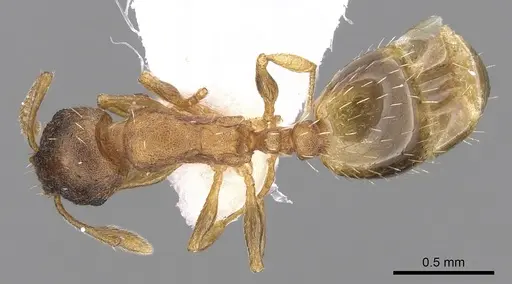
CASENT0906678
View on AntWeb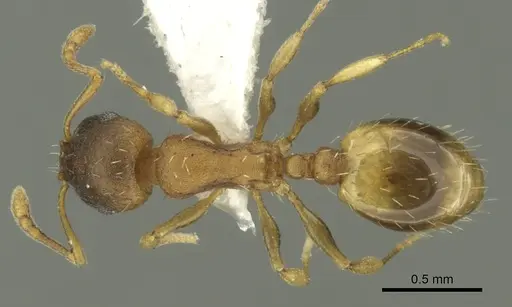
CASENT0914694
View on AntWeb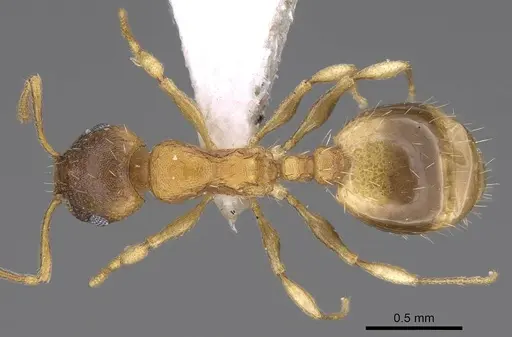
Literature
Loading distribution map...Loading products...