
Temnothorax arabicus
- Sci. Name
- Temnothorax arabicus
- Tribe
- Crematogastrini
- Subfamily
- Myrmicinae
- Author
- Sharaf & Akbar, 2017
- Distribution
- Found in 1 countries
Introduction
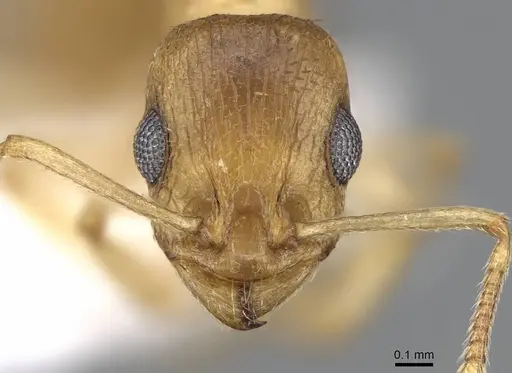
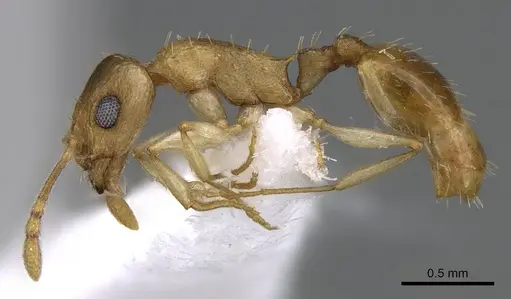
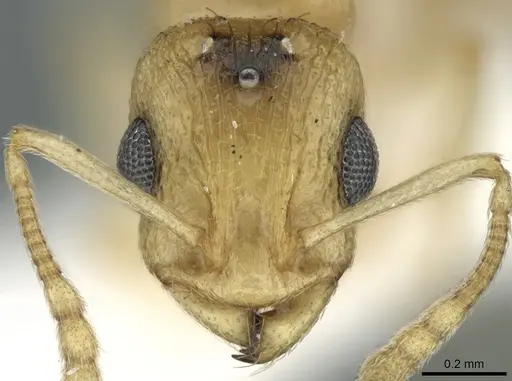
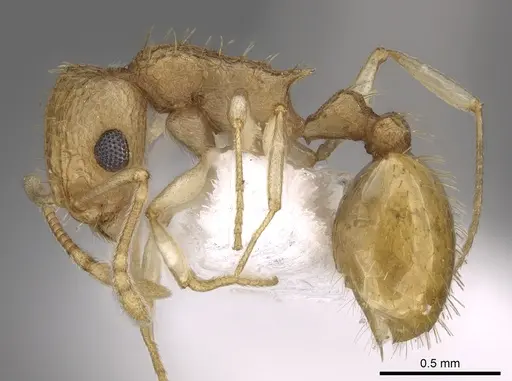
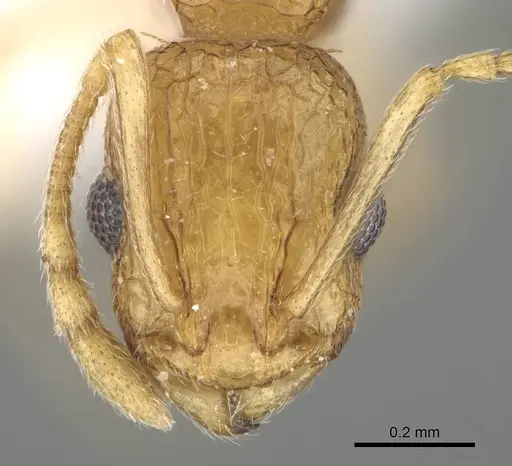
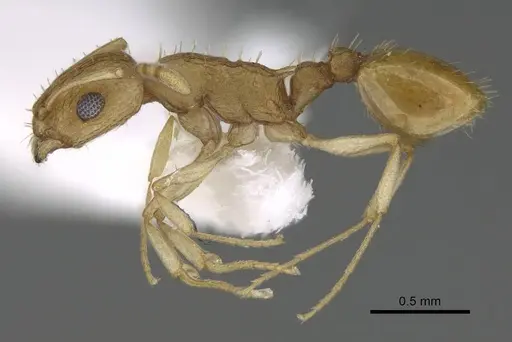
Temnothorax arabicus is a tiny myrmicine ant described from Saudi Arabia . Workers are very small - total length is not formally documented but inferred from related Temnothorax species to be around 2-3mm [inferred]. They have a pale brownish-yellow to light brown body, with the head and gaster slightly darker . The head is longer than broad, propodeal spines are long and sharp, and antennae are 12-segmented with large club-shaped scapes that don't reach the back of the head . This species belongs to the Temnothorax laurae species group of the Afrotropical Region and is closely related to Temnothorax mpala from Kenya . What makes this species interesting for keepers is its wide altitudinal range in Saudi Arabia - from high-elevation sites in the Asir Mountains at 2761m down to lowland wadis at 200m . This suggests some flexibility in conditions. Specimens were collected in pitfall traps and by sifting leaf litter under palm trees, so they likely nest in soil or small cavities near the ground .
Quick Summary
- Difficulty: Medium
- Origin & Habitat: Endemic to Saudi Arabia, found in the Asir Mountains (Abha/Raydah area,2761m altitude), Al Bahah province, and Jizan province [1][2]. Collected from high-elevation mountain habitats and lowland wadis under palm trees [1].
- Colony Type: Unconfirmed, colony structure hasn't been documented. Most Temnothorax species are monogyne (single queen), but some may have ergatoid (wingless) replacement reproductives [3].
- Size & Growth:
- Queen: Undescribed, queen caste not documented in literature [1][2]. Based on typical Temnothorax patterns, queens are likely 3-5mm.
- Worker: Very small, total length not formally documented but estimated around 2-3mm based on related Temnothorax species.
- Colony: Unknown, no colony size data exists. Based on related Temnothorax species, colonies may reach up to 500 workers.
- Growth: Unknown, development timeline not studied. Based on typical Temnothorax patterns, expect moderate growth once established.
- Development: Estimated 6-10 weeks based on typical Temnothorax development. (Development time inferred from genus-level data, no species-specific research exists.)
- Antkeeping:
- Temperature: Based on high-altitude collection (2761m), this species likely prefers cooler conditions than typical tropical ants. Start around 20-24°C and observe colony behavior. The wide altitude range (200-2761m) suggests some temperature flexibility [1][2].
- Humidity: Collected from leaf litter under palm trees in Jizan and Al Bahah, so it likely prefers moderate humidity. Keep the nest substrate consistently moist but not waterlogged, with some drier areas available [1].
- Diapause: Unknown, no research on overwintering requirements. The high-altitude population likely experiences cooler winters, so a cool period (10-15°C) during winter may be beneficial. Monitor colony activity.
- Nesting: In nature, specimens were collected from soil litter under palm trees and in pitfall traps in mountainous areas [1][2]. In captivity, use a small test tube setup or Y-tong nest with narrow chambers scaled to their tiny size. Provide small cavities and keep the nest humid.
- Behavior: Temnothorax arabicus is a docile, non-aggressive ant. Workers are tiny, so escape prevention needs fine mesh (at least 0.5mm). They belong to the tribe Crematogastrini, which uses a smearing defense mechanism, a modified stinger for wiping venom onto attackers rather than piercing. They are unlikely to bite or sting humans effectively. Based on typical genus behavior, they probably use tandem running to recruit nestmates and may flee rather than fight [3].
- Common Issues: tiny size makes escape prevention important, use fine mesh barriers, no species-specific care data exists, keepers must adapt from genus-level knowledge, humidity control is critical, too wet causes mold, too dry kills brood, slow colony growth may frustrate beginners, Temnothorax colonies develop gradually, wild-caught colonies may have parasites that can devastate captive populations
Housing and Nest Setup
Because Temnothorax arabicus is so small, you need tight chambers scaled to their size. A standard test tube setup (10-12mm diameter) with a water reservoir at one end works well for founding colonies. The queen will likely seal herself into a founding chamber, so give her enough space to move and tend brood. For established colonies, use a Y-tong nest with narrow chambers or small 3D-printed formicarium. Avoid large, open spaces, these ants prefer cramped conditions. The nest should have chambers narrow enough that workers can touch both walls. Keep the nest humid but ensure ventilation to prevent mold [1][2].
Feeding and Diet
Based on typical Temnothorax feeding behavior, offer a varied diet of small prey and sugar sources. They likely accept small live insects like fruit flies, pinhead crickets, and springtails. Since they are tiny, prey should be no larger than the ants themselves. Provide a constant sugar source such as diluted honey, sugar water, or ant jelly. Fresh fruit pieces may also be accepted. Feed small amounts every 2-3 days and remove uneaten food to prevent mold. The collection sites suggest they are opportunistic foragers [1][2].
Temperature and Seasonal Care
Based on collection data from both high-altitude (2761m) Asir Mountains and lowland (200m) Jizan areas, this species shows some temperature flexibility [1][2]. Start with temperatures around 20-24°C and observe colony behavior. If workers cluster near heat sources, increase slightly, if they avoid heated areas, reduce temperature. During winter, the high-altitude population likely experiences cooler conditions, so consider a cool period around 10-15°C for 2-3 months. This mimics natural seasonal cycles and may help trigger spring breeding. Do not expose to temperatures above 30°C for extended periods.
Colony Establishment
Temnothorax arabicus was only described in 2017,so no documented colony founding information exists [1]. Based on typical Temnothorax biology, expect claustral founding where the queen seals herself into a small chamber and raises the first brood alone from stored fat reserves. The founding period may take 6-10 weeks before the first nanitic (first) workers emerge. Queens are likely smaller than 5mm based on worker size. During founding, disturb the colony as little as possible, queens can be sensitive to vibrations and light. Provide a dark, quiet spot and don't check on the colony for at least 2-3 weeks after setup.
Behavior and Temperament
Temnothorax arabicus is a docile, non-aggressive species. Workers are tiny and unlikely to bite or sting effectively. When threatened, they likely rely on fleeing rather than confrontation. They belong to tribe Crematogastrini, which uses a smearing defense, a modified stinger for wiping venom onto enemies. Based on typical genus behavior, they probably use tandem running to recruit nestmates to food sources [3]. Their small size means they can slip through tiny gaps, so use fine mesh (0.5mm or smaller) on ventilation holes. Workers are likely most active during evening and night.
Frequently Asked Questions
How long does it take for Temnothorax arabicus to get their first workers?
The exact timeline is unknown since this species hasn't been studied in captivity. Based on typical Temnothorax development, expect 6-10 weeks from egg to first worker at optimal temperature around 20-24°C. The first workers (nanitics) will be smaller than normal workers.
What do Temnothorax arabicus ants eat?
Based on typical Temnothorax diet, they likely accept small live prey (fruit flies, springtails, tiny crickets) and sugar sources (honey water, sugar water, ant jelly). Offer prey no larger than the ants themselves. Provide a constant sugar source and protein 2-3 times weekly.
Are Temnothorax arabicus good for beginners?
This species is rated Medium difficulty. While small and docile, the lack of species-specific care data means keepers must adapt from genus-level knowledge. Their tiny size requires careful attention to humidity and escape prevention. Beginners should have experience with other small Myrmicinae before attempting this species.
Do Temnothorax arabicus ants sting?
Temnothorax arabicus has a functional stinger but uses a smearing defense, wiping venom onto attackers rather than piercing. Given their tiny size, any sting would be mild and barely noticeable to humans. They are not considered dangerous.
What temperature is best for Temnothorax arabicus?
Based on their high-altitude collection (2761m), start around 20-24°C. The wide altitude range suggests some flexibility. Avoid temperatures above 30°C. Provide a slight temperature gradient so ants can choose their preferred zone [1][2].
How big do Temnothorax arabicus colonies get?
Colony size is unknown for this species. Based on typical Temnothorax colony sizes, expect up to 500 workers at maturity. Growth is likely slow to moderate, these are small colonies that develop gradually over several years.
Can I keep multiple Temnothorax arabicus queens together?
Colony structure is unconfirmed for this species. Most Temnothorax are monogyne (single queen), but some can be polygynous under certain conditions. Combining unrelated foundress queens is not recommended since fighting and colony failure are likely. If you find multiple queens, house them separately unless you observe peaceful co-founding.
Do Temnothorax arabicus need hibernation?
Diapause requirements are unknown. The high-altitude collection suggests they experience cooler winters naturally. Consider providing a cool period (10-15°C) during winter for 2-3 months. Monitor colony activity, if they remain active, no hibernation may be needed. Don't feed during dormancy.
When do Temnothorax arabicus have nuptial flights?
Nuptial flight timing is undocumented. Based on typical Temnothorax patterns in Saudi Arabia, flights likely occur during warmer months (April-September). The alates (winged reproductives) have not been described in the scientific literature [1][2].
Why are my Temnothorax arabicus dying?
Common causes include: incorrect humidity (too dry causes brood death, too wet causes mold), temperature stress (above 30°C or below 15°C), poor nutrition, parasites from wild-caught colonies, and excessive disturbance during founding. Check water reservoirs for flooding and ensure ventilation is adequate. Isolate affected colonies and improve conditions gradually.
Report an Issue
The current care sheet is based fully on literature. See inconsistencies, or something that's incorrect? Please , it will be resolved after review from an admin. Contributing to the blogs tab also helps providing information, to make us be able to further improve the caresheets. Thank you for your support!
References

This caresheet is licensed under CC BY-SA 4.0 .
Community Blogs
CASENT0746640
View on AntWeb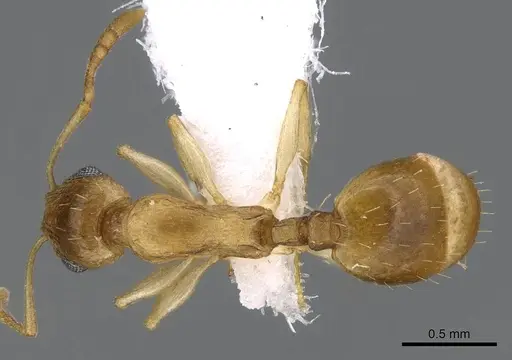
CASENT0906381
View on AntWeb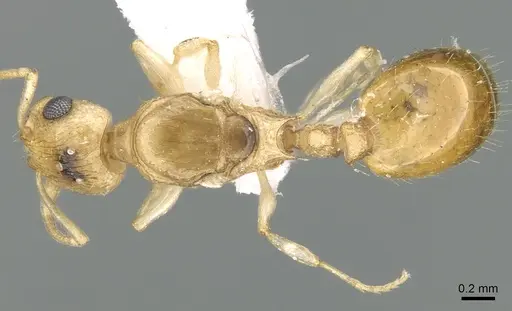
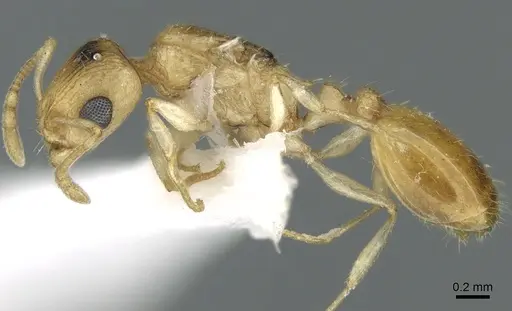
CASENT0906493
View on AntWeb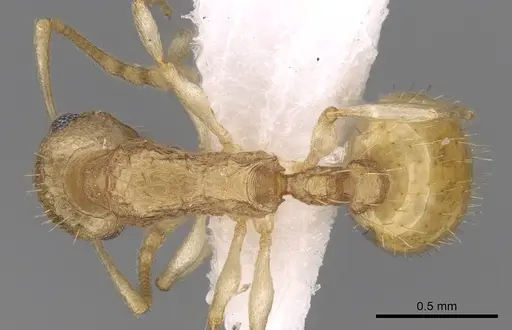
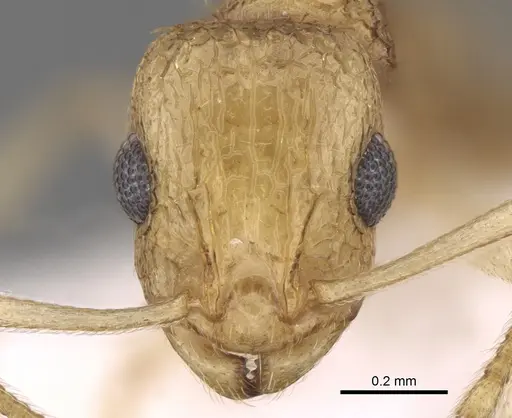
CASENT0922179
View on AntWeb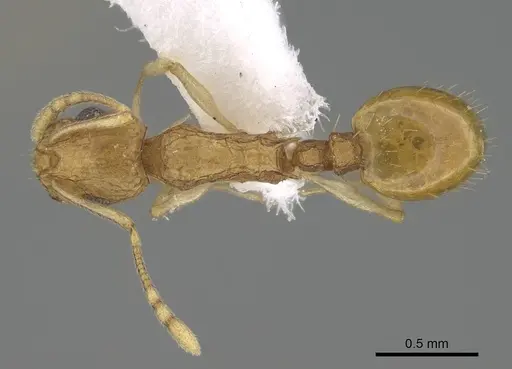
Literature
Loading distribution map...Loading products...