
Temnothorax angulinodis
- Sci. Name
- Temnothorax angulinodis
- Tribe
- Crematogastrini
- Subfamily
- Myrmicinae
- Author
- Csősz <i>et al.</i>, 2015
- Distribution
- Found in 1 countries
Introduction
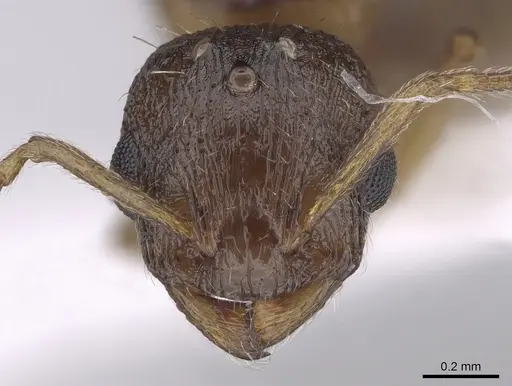
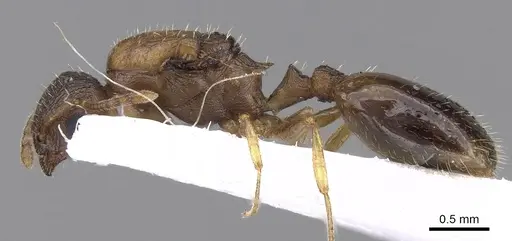
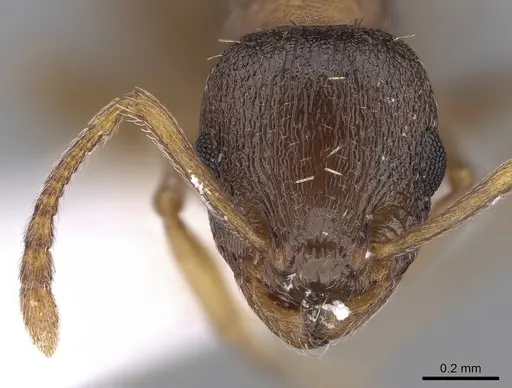
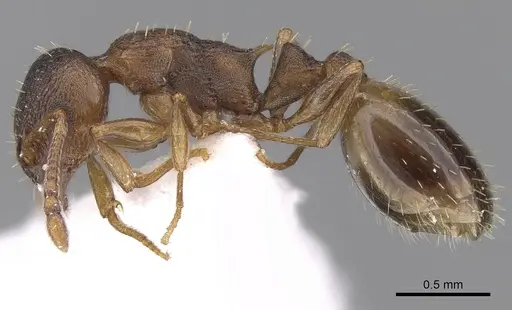
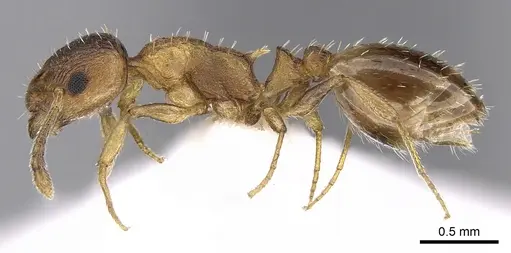
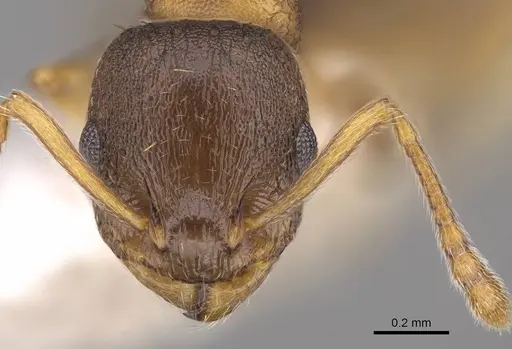
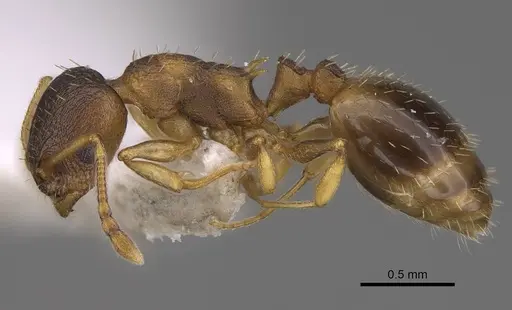
Temnothorax angulinodis is a tiny ant species described in 2015,belonging to the nylanderi species group. Workers are brown, with the mesosoma, antennae, and legs notably lighter than the head and gaster. This species gets its name from the sharply angulate profile of its petiolar node, which stands out clearly under magnification and makes it easy to separate from related Temnothorax in the region . This ant is endemic to the Peloponnese peninsula in Greece, where it lives in mountain forests at elevations between 1500 and 2000 meters. It was discovered only recently, so very little is known about its biology in the wild, and nothing has been published on captive care. All current care recommendations are inferred from its natural habitat and from what we know about related species .
Quick Summary
- Difficulty: Medium
- Origin & Habitat: Endemic to the Peloponnese peninsula in Greece, recorded from Arkadia (near Levidi in the Menalon Mountains) and Lakonia (20 km SE of Sparta in the Taygetos Mountains). A mountain species found at 1500–2000 m elevation in shadowy forests, where it nests in rock crevices, under stones, and in dry branches [2][1][3].
- Colony Type: Colony structure is unconfirmed. Based on typical Temnothorax patterns, single-queen colonies are likely, but this has not been directly studied.
- Size & Growth:
- Queen: Size data unavailable, inferred from Temnothorax genus patterns (~4–6 mm)
- Worker: Direct body size measurements unavailable, based on Temnothorax genus patterns, workers likely measure around 2.5–3.5 mm
- Colony: Up to several hundred workers, inferred from typical Temnothorax colonies
- Growth: Moderate (estimated based on genus patterns)
- Development: Estimated 6–10 weeks based on related Temnothorax species (Development data not available for this species, estimate uses genus-level patterns for temperate mountain species.)
- Antkeeping:
- Temperature: Keep cool, aim for 18–22 °C. This mountain species likely suffers if overheated [2].
- Humidity: Moderate to high, match the damp conditions of shadowy forest floors. Keep nesting substrate moist but not waterlogged [3].
- Diapause: Yes, as a temperate mountain ant, it needs a winter diapause. Reduce temperature to 10–15 °C for 2–3 months (roughly November–February) [2].
- Nesting: In nature they nest in rock crevices, under stones, and in dry branches [3]. In captivity, a test tube setup works for founding, established colonies do well in Y‑tong (AAC) nests with tight, small chambers.
- Behavior: Peaceful and non‑aggressive, typical of small Temnothorax. They likely use tandem running to recruit nestmates to food. Their primary defense is a smear venom, a modified spatulate stinger that wipes venom onto attackers rather than piercing. Escape risk is extremely high due to their tiny size, use fine mesh and tight‑fitting lids. Most active during cooler parts of the day [2].
- Common Issues: escape prevention is critical, they can squeeze through the smallest gaps., overheating can be fatal, keep temperatures well below 25 °C., slow colony growth may frustrate beginners expecting fast expansion., wild‑caught colonies may harbour undetected parasites., colony founding behavior is unconfirmed, so raising a queen from scratch carries unknown risks.
Housing and Nest Setup
Because Temnothorax angulinodis is so small, you need tight, escape‑proof enclosures. For founding a colony, a standard test tube setup with a water reservoir behind a cotton plug works very well, the queen will feel secure in a snug space. Once the colony has grown, switch to a Y‑tong (AAC) nest with narrow chambers or a small plaster nest. Avoid large, open spaces that could stress the colony. The nest material should hold some moisture without becoming waterlogged. In nature they nest in rock crevices, under stones, and in dry branches inside shadowy forests [3][2].
Temperature and Seasonal Care
This species comes from cool mountain forests in Greece, so they do best at 18–22 °C [2]. Keep them away from heat sources and direct sunlight, overheating can kill them. A stable, cool environment is more important than a temperature gradient. During winter, they need a diapause period. Lower the temperature to 10–15 °C for 2–3 months (roughly November–February). Skipping hibernation may weaken the colony over time [2].
Feeding and Diet
No specific diet has been studied for this species, but based on other Temnothorax ants, offer small protein sources and sugars. For protein, give fruit flies, pinhead crickets, or tiny pieces of mealworm, prey should not be larger than the ants themselves. For sugar, try droplets of honey water or sugar water (some colonies may ignore it). Feed small amounts two or three times a week and remove uneaten prey after 24 hours to prevent mold. Overfeeding leads to fungal problems in such small setups.
Colony Founding and Growth
How Temnothorax angulinodis founds colonies is not documented. Based on other Temnothorax species, the queen probably seals herself in a small chamber and raises her first workers using stored fat (claustral founding), but this is unconfirmed. The first (nanitic) workers will be smaller than normal and appear after several weeks. Growth is moderate, expect 6–10 weeks from egg to first worker at around 20 °C. Mature colonies probably reach a few hundred workers after 2–3 years. Queen lifespan is unknown but related species often live several years in captivity.
Behavior and Observation
This is a calm ant that makes an interesting observation subject. Workers are active and can be seen tending brood, foraging, and likely using tandem running to guide each other to food. Their defense is a unique smear venom: they have a modified spatulate stinger that wipes venom onto enemies instead of piercing. They are not aggressive and will flee rather than fight. Because they are so tiny, they can escape through any gap, always coat rims with fluon and check lids regularly. They are most active during the cooler parts of the day, matching their mountain origins.
Acquisition and Legal Considerations
Temnothorax angulinodis was only described in 2015 and has a very small range, only the mountains of the Peloponnese in Greece [1][2]. Wild collection may require permits, and the best way to get this ant is from a specialised breeder who can confirm the identification. Never release captive colonies into the wild outside their native area, they could harm local ant populations or become invasive. Responsible keeping means preventing any accidental escapes.
Frequently Asked Questions
How long does it take for Temnothorax angulinodis to produce first workers?
Based on typical Temnothorax development, expect 6–10 weeks from egg to first worker at around 20 °C. This is slower than many common ants, so patience is needed during founding.
What temperature do Temnothorax angulinodis ants need?
Keep them between 18–22 °C. As a mountain species from Greece, they prefer cool conditions and can be harmed by temperatures above 25 °C [2].
Do Temnothorax angulinodis ants need hibernation?
Yes, they require a winter diapause. Lower the temperature to 10–15 °C for 2–3 months (e.g. November to February). This is important for colony health [2].
Are Temnothorax angulinodis good for beginners?
We rate them as medium difficulty. The lack of published care information and their specific temperature needs make them better for keepers with some experience. Their tiny size also requires careful escape prevention.
How big do Temnothorax angulinodis colonies get?
Based on other Temnothorax species, colonies likely reach a few hundred workers after 2–3 years. They are not large colony producers like some Myrmica or Formica.
Can I keep multiple queens together in one colony?
Colony structure is unconfirmed for this species. Based on typical Temnothorax patterns, single-queen colonies are most likely. Combining unrelated queens is not recommended.
What do Temnothorax angulinodis eat?
Offer small protein sources (fruit flies, tiny crickets, mealworm pieces) two or three times per week, plus occasional sugar water or honey. Prey should be no larger than the ants themselves.
Why are my Temnothorax angulinodis escaping?
Their tiny size allows them to slip through exceptionally small gaps. Use fluon on all rim edges, fine mesh for ventilation, and ensure lids close tightly. Inspect the enclosure regularly for any cracks.
Do Temnothorax angulinodis ants sting?
They have a modified stinger that smears venom rather than piercing, so they do not pose a threat to humans. They rely on fleeing and their smear venom for defense.
Where is Temnothorax angulinodis found in the wild?
It is endemic to the Peloponnese peninsula of Greece, specifically the Menalon and Taygetos mountains at 1500–2000 m elevation [2][1].
When will this species be more commonly available?
Temnothorax angulinodis was described only in 2015 and has a very restricted range [1]. Captive breeding is limited, so it remains uncommon in the hobby.
What nest type is best for Temnothorax angulinodis?
Use small, tight chambers. Test tubes work well for founding colonies, while Y‑tong (AAC) nests with narrow corridors suit established colonies. They prefer snug spaces and may stress in large open enclosures [3].
Report an Issue
The current care sheet is based fully on literature. See inconsistencies, or something that's incorrect? Please , it will be resolved after review from an admin. Contributing to the blogs tab also helps providing information, to make us be able to further improve the caresheets. Thank you for your support!
References

This caresheet is licensed under CC BY-SA 4.0 .
Community Blogs
CASENT0906028
View on AntWeb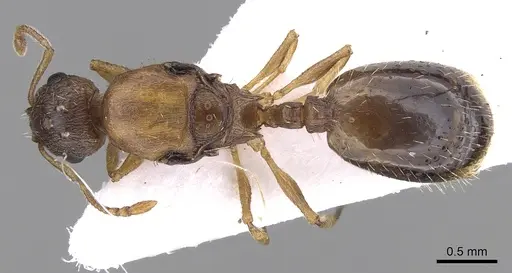
CASENT0906029
View on AntWeb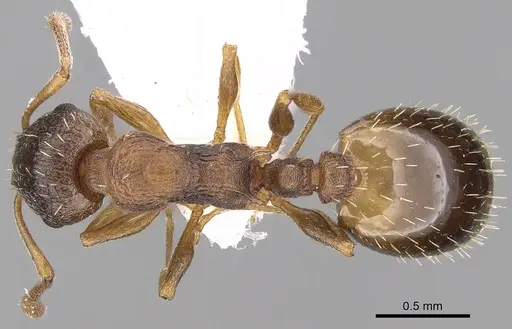
CASENT0906030
View on AntWeb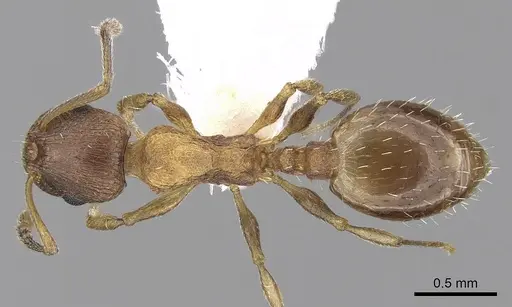
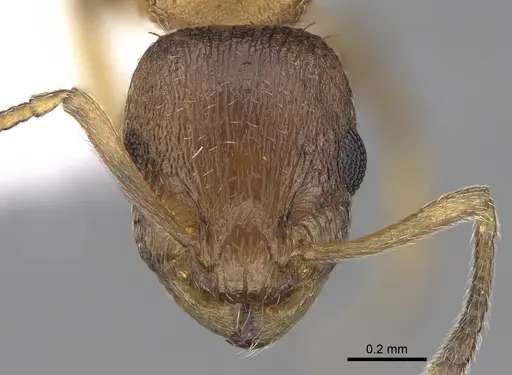
CASENT0914688
View on AntWeb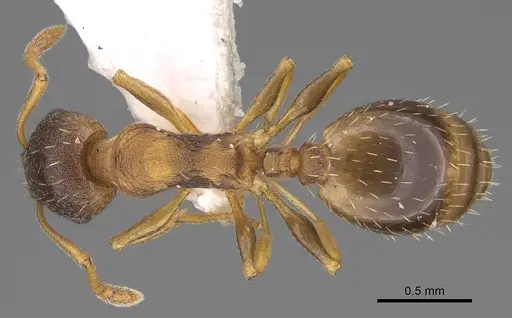
Literature
Loading distribution map...Loading products...