
Temnothorax alfacarensis
- Sci. Name
- Temnothorax alfacarensis
- Tribe
- Crematogastrini
- Subfamily
- Myrmicinae
- Author
- Tinaut & Reyes-López, 2020
- Distribution
- Found in 1 countries
Introduction
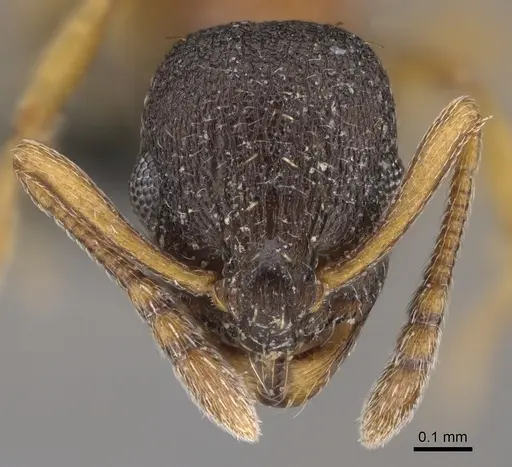
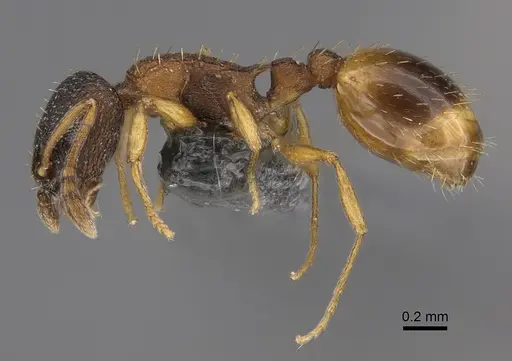
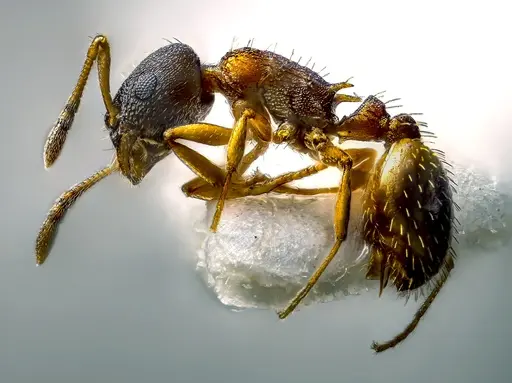
Temnothorax alfacarensis is a tiny ant species native to the Iberian Peninsula, with workers measuring just 2.30-2.70 mm in total length . Workers have a distinctive look: a black head, dark brown thorax and gaster, and a yellowish-brown patch on the front third of the thorax and part of the gaster . This species was only formally described in 2020 - before that it was often referred to as *Temnothorax* sp. in literature . These ants live in humid, cool spots across their range, from near sea level in southern Spain and Portugal up to 1300 meters in the mountains . They thrive in riparian forests, damp grasslands, and scrublands, strongly preferring shady, moist microhabitats . In a study of river systems in Córdoba province, *T. alfacarensis* was the most common *Temnothorax* species - it turned up in 9 out of 15 sampled riparian forests, with over 1000 workers collected in those samples .
Quick Summary
- Difficulty: Easy
- Origin & Habitat: Iberian Peninsula (Spain and Portugal), southern half including Ciudad Real, Madrid region (Navacerrada), Ávila, and Granada [1]. They inhabit humid forests, riparian areas, grasslands, and scrublands, preferring cool, damp environments [1].
- Colony Type: Colony structure unknown for this species, but *Temnothorax* species are typically monogyne (single queen) and occasionally polygyne (multiple queens) in some populations.
- Size & Growth:
- Queen: 2.77-3.06 mm [1], females are nearly the same size as workers, which is unusual for the genus
- Worker: 2.30-2.70 mm [1]
- Colony: Over 1000 workers reported in field samples [1]
- Growth: Unknown, inferred from genus patterns: moderate
- Development: Estimated 6-10 weeks based on typical *Temnothorax* development at 20-22°C (No direct captive studies exist for this newly described species, timeline is a best guess from genus data)
- Antkeeping:
- Temperature: Keep cool at 18-22°C. These ants naturally live in humid, shaded forests and prefer cooler temperatures than many ants. Avoid overheating, room temperature is often ideal [1].
- Humidity: High humidity is essential, think damp forest floor. Their natural habitat includes riparian forests and humid grasslands [1]. Keep the nest substrate consistently moist but not waterlogged. Provide a water tube for drinking.
- Diapause: Unknown, as a temperate species from the Iberian Peninsula, a winter rest period (2-3 months at 5-10°C) is likely needed, but no research confirms this.
- Nesting: *Temnothorax* are cavity-nesters. In nature they likely use small crevices in rotting wood, under stones, or in hollow plant stems. In captivity, a small test tube or Y-tong (AAC) nest with tight chambers works well. They prefer snug, enclosed spaces scaled to their tiny size.
- Behavior: Generally peaceful and non-aggressive. Like most *Temnothorax*, they are not known for stinging. Workers are small and relatively slow-moving. They may form small foraging trails. Escape prevention is important because of their tiny size, they can squeeze through very small gaps. They are cavity-nesters and do not build large underground colonies.
- Common Issues: tiny size means escapes are likely without fine mesh or fluon barriers, high humidity requirements can lead to mold if ventilation is poor, newly described species, captive care is not well-documented, expect to experiment, cool temperature needs may conflict with warm rooms, colony growth may be slow, patience is required
Housing and Nest Setup
Temnothorax alfacarensis is a tiny species, so your setup needs to match its scale. A small test tube with a cotton plug and a water reservoir works well for founding colonies. The chamber should be snug for the queen and her first brood. For established colonies, a Y-tong (AAC) nest with narrow chambers or a small 3D-printed formicarium works. These ants prefer dark, enclosed spaces and will thrive in a quiet, undisturbed spot. Avoid large, open areas that can stress small colonies. Place the nest in a cool location (18-22°C) and provide an outworld small enough that workers don't get lost. Because of their tiny size, use fine mesh (around 0.5 mm) on ventilation holes and apply fluon or another barrier to prevent escapes. [1]
Feeding and Diet
Like other Temnothorax species, T. alfacarensis likely eats small insects, honeydew, and nectar. In captivity, offer small protein sources like fruit flies, pinhead crickets, or small mealworms. They will also accept sugar water, honey, or diluted syrup. Feed small amounts several times per week and remove uneaten prey after 24 hours to prevent mold. Since this species is newly described with no captive observations, start with standard Temnothorax feeding schedules and adjust based on what the colony accepts. A constant sugar source (like a cotton ball soaked in diluted honey) is recommended alongside occasional protein. [1]
Temperature and Seasonal Care
Keep these ants cool, aim for 18-22°C. Their natural habitat in humid Iberian forests and riparian areas means they prefer temperatures cooler than typical room temperature [1]. Avoid placing the nest near heat sources or in direct sunlight. During winter, they will likely need a diapause (hibernation) period. Based on genus patterns, a 2-3 month rest at 5-10°C is recommended. This can be done by moving the colony to a cool basement, garage, or refrigerator (if using a test tube setup). Do not feed during diapause. After hibernation, gradually warm them back to active temperature. Signs of proper temperature include active workers and consistent brood development. If workers cluster near the cool side of the nest, it's too warm, if they seem sluggish, it may be too cold.
Humidity and Water
High humidity is essential for this species. Their natural habitat includes riparian forests and humid grasslands, so they evolved in damp conditions [1]. Keep the nest substrate consistently moist, it should feel damp to the touch but not waterlogged. A water tube attached to the test tube or formicarium provides drinking water. You can also lightly mist the outworld occasionally. However, balance humidity with adequate ventilation to prevent mold. If you see condensation pooling or mold appearing, improve ventilation while maintaining moisture. The sweet spot is damp substrate without standing water.
Growth and Development
Temnothorax alfacarensis is a small species with moderate growth rates (inferred from genus). Queens measure 2.77-3.06 mm in total length and are nearly the same size as workers, an unusual trait for the genus [1]. Workers are 2.30-2.70 mm [1]. Expect approximately 6-10 weeks from egg to first worker (nanitic) at optimal temperatures around 20°C. This timeline is estimated from typical Temnothorax development since this species has no documented captive studies. The first workers will be smaller than normal workers and will help raise subsequent brood. Colony growth accelerates once you have 10-20 workers. Mature colonies can reach over 1000 workers in the wild [1].
Behavior and Temperament
These are peaceful, non-aggressive ants. Workers are small and relatively slow-moving. They do not have a functional stinger, like other Myrmicinae, they can bite but the pain is minimal. They are not known for raiding other colonies or showing aggressive territorial behavior [1]. Workers likely forage individually or in small trails to food sources, similar to other Temnothorax. They are cavity-nesters and do not create large underground colonies. In captivity, they do best in small setups where they feel secure. Their small size means they can slip through tiny gaps, excellent escape prevention is essential.
Frequently Asked Questions
Can I keep Temnothorax alfacarensis in a test tube?
Yes, a test tube setup works well for this species. Use a small test tube with a cotton plug and water reservoir. The tight space mimics their natural cavity-nesting preferences. Make sure to use fine mesh on openings and apply fluon to prevent escapes, their tiny size means they can squeeze through surprisingly small gaps.
How long does it take for Temnothorax alfacarensis to produce first workers?
Expect about 6-10 weeks from egg to first worker at optimal temperatures around 20°C. This is an estimate based on typical Temnothorax development because this newly described species has no documented captive studies yet. The first workers (nanitics) will be smaller than normal workers.
What do Temnothorax alfacarensis ants eat?
They likely accept small insects (fruit flies, pinhead crickets, small mealworms), honey, sugar water, and diluted syrup. Feed small protein prey several times per week and provide a constant sugar source. Remove uneaten prey after 24 hours to prevent mold.
Do Temnothorax alfacarensis ants sting?
No, they do not have a functional stinger. Like other Myrmicinae, they may bite if threatened but this causes minimal discomfort. They are generally peaceful and non-aggressive.
What temperature do Temnothorax alfacarensis need?
Keep them cool at 18-22°C. These ants naturally inhabit humid, shaded forests and prefer cooler temperatures than many ant species. Avoid overheating, room temperature is often ideal. They likely need a winter diapause, but specifics are unknown.
Are Temnothorax alfacarensis good for beginners?
Yes, they are a good choice for beginners. They are peaceful, small, and have straightforward care requirements. The main challenges are maintaining high humidity and keeping them cool. Their tiny size also requires careful escape prevention.
How big do Temnothorax alfacarensis colonies get?
Field samples have found over 1000 workers in riparian forests [1]. In captivity, expect colonies to grow to several hundred workers with proper care over one to three years. Growth is moderate and requires patience.
Do Temnothorax alfacarensis need hibernation?
They likely require a winter diapause. As a temperate species from the Iberian Peninsula and higher elevations (up to 1300 m), a rest period is probable. Based on genus patterns,2-3 months at 5-10°C during winter is recommended, but no direct research confirms this.
Why are my Temnothorax alfacarensis dying?
Common causes: temperature too warm (keep below 22°C), humidity too low or too high (aim for consistently damp, not wet), poor escape prevention, mold from excess moisture, or stress from disturbance. Check these factors and adjust. As a newly described species, captive care is still being refined.
When should I move Temnothorax alfacarensis to a formicarium?
Wait until the colony has at least 20-30 workers before moving to a larger setup. Test tube colonies can be moved once the water reservoir needs frequent refilling or the colony fills most of the tube. Use a small formicarium or Y-tong nest with chambers scaled to their tiny size.
Report an Issue
The current care sheet is based fully on literature. See inconsistencies, or something that's incorrect? Please , it will be resolved after review from an admin. Contributing to the blogs tab also helps providing information, to make us be able to further improve the caresheets. Thank you for your support!
References

This caresheet is licensed under CC BY-SA 4.0 .
Community Blogs
CCZUGR18349
View on AntWeb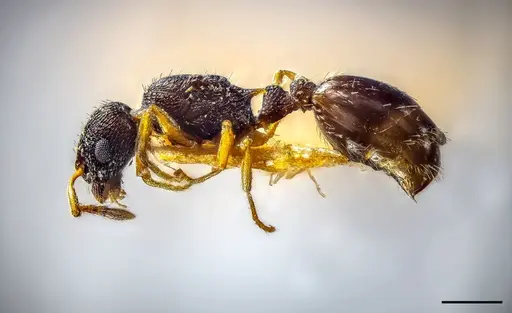
CCZUGR18351
View on AntWeb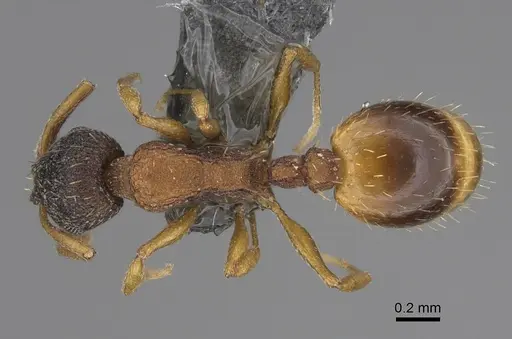
CCZUGR18352
View on AntWeb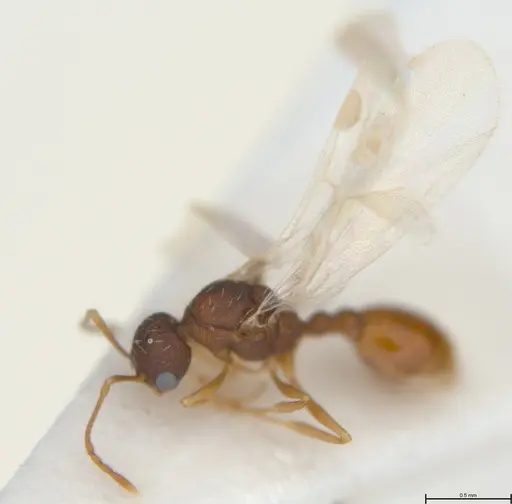
CCZUGR7148
View on AntWeb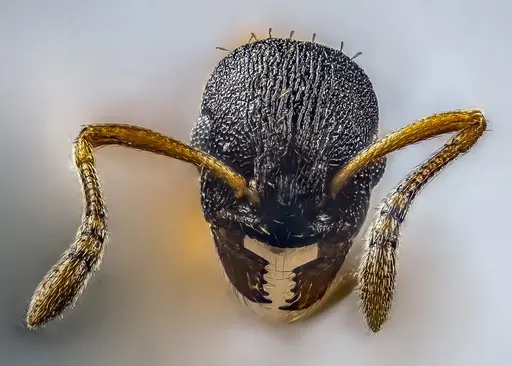
Literature
Loading distribution map...Loading products...