
Technomyrmex voeltzkowi
- Sci. Name
- Technomyrmex voeltzkowi
- Tribe
- Tapinomini
- Subfamily
- Dolichoderinae
- Author
- Forel, 1907
- Distribution
- Found in 8 countries
Introduction
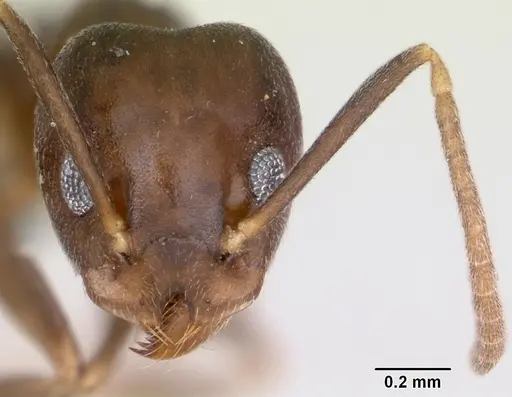
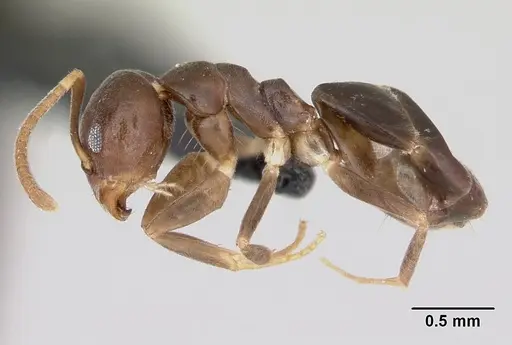
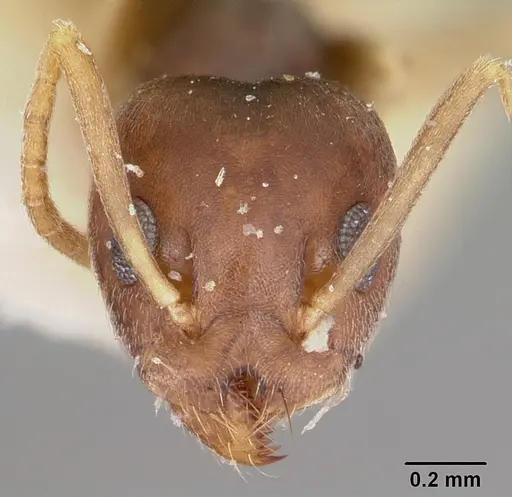
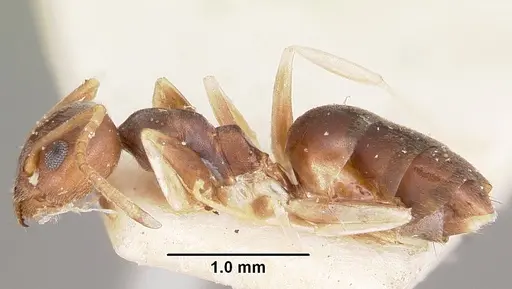
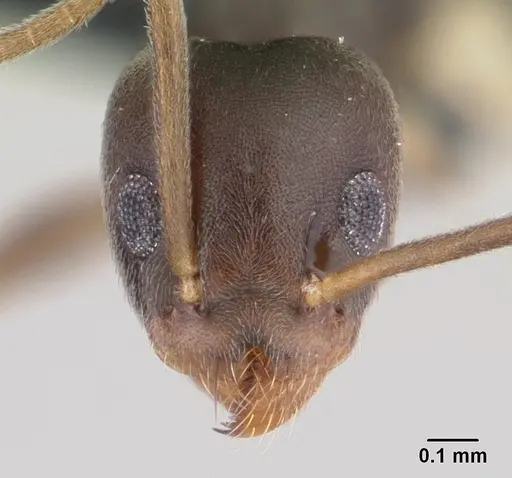
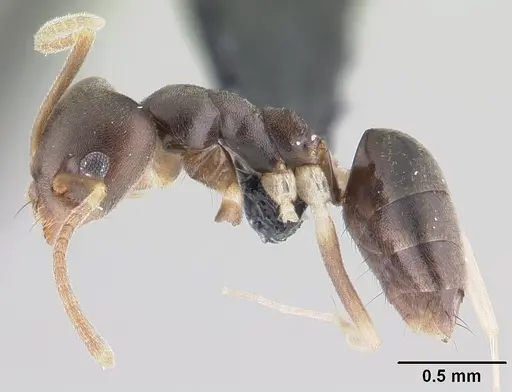
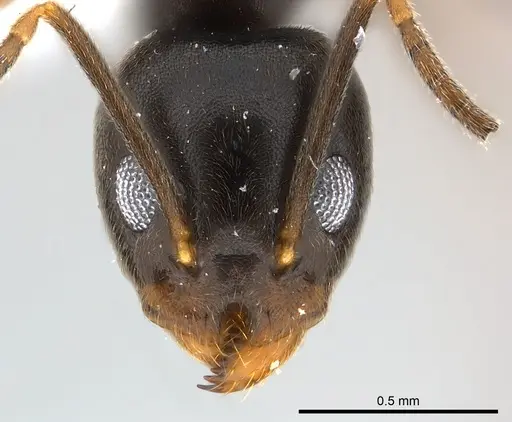
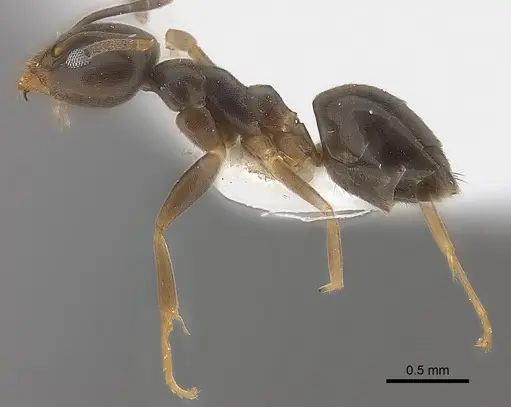
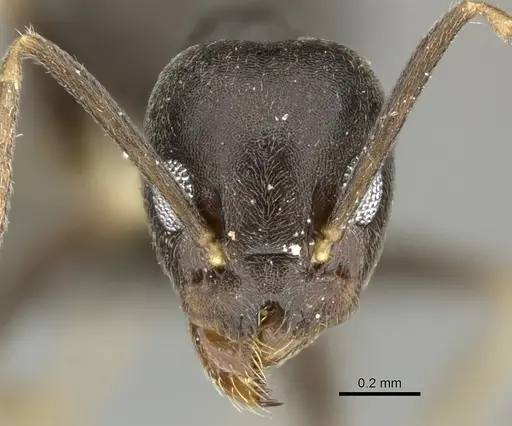
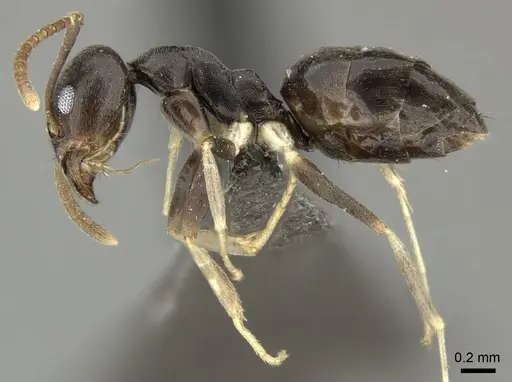
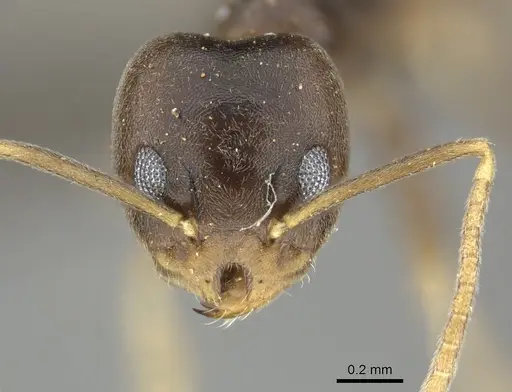
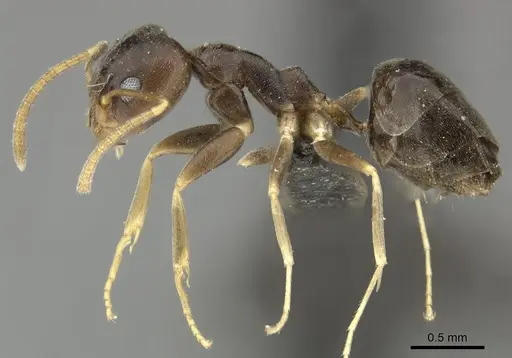
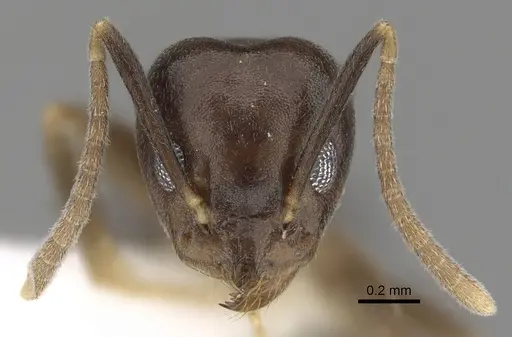
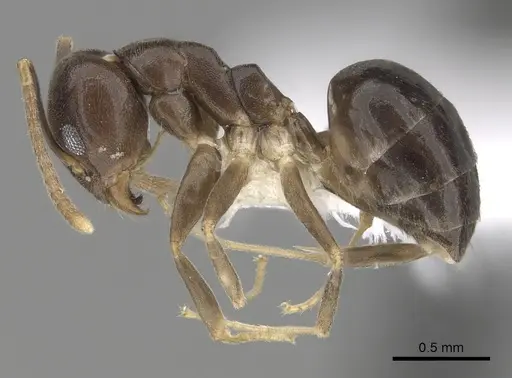
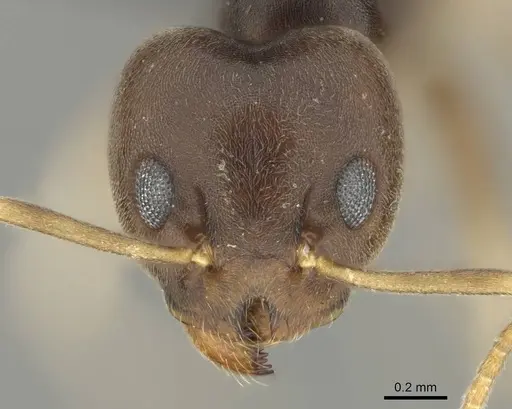
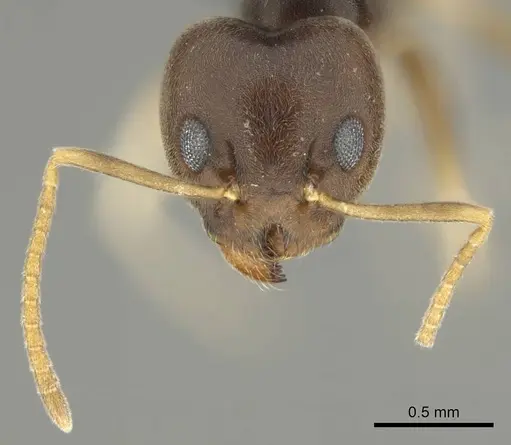
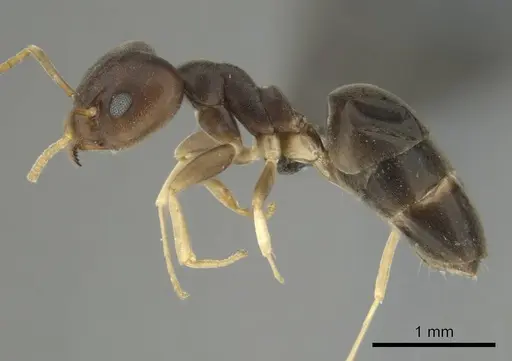
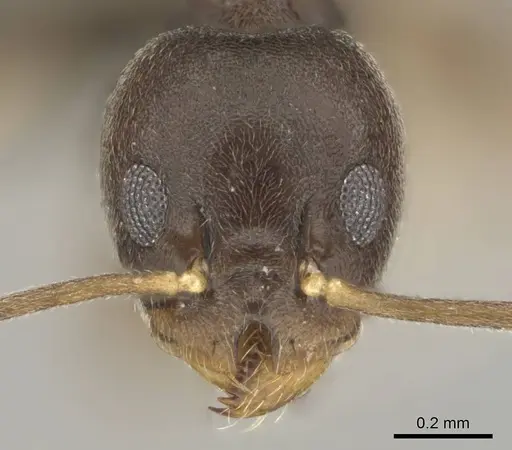
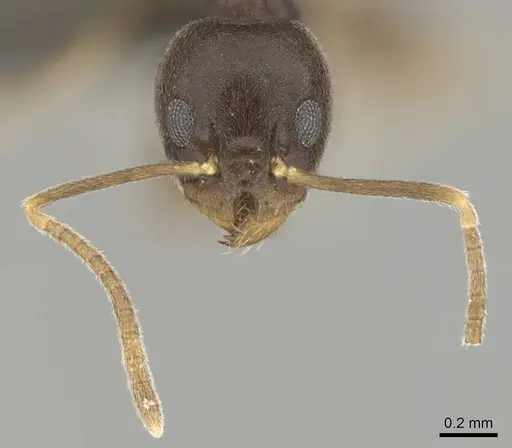
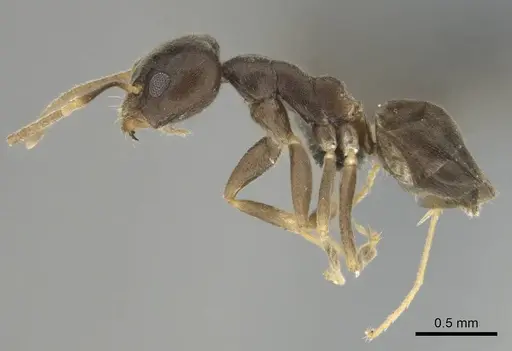
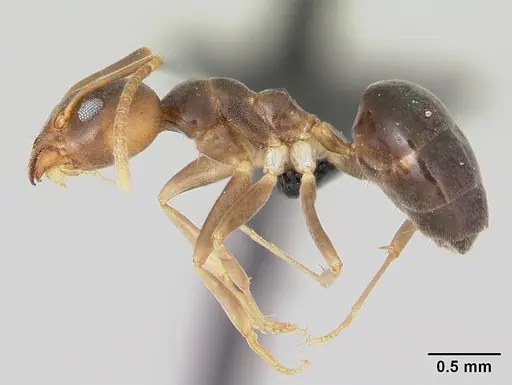
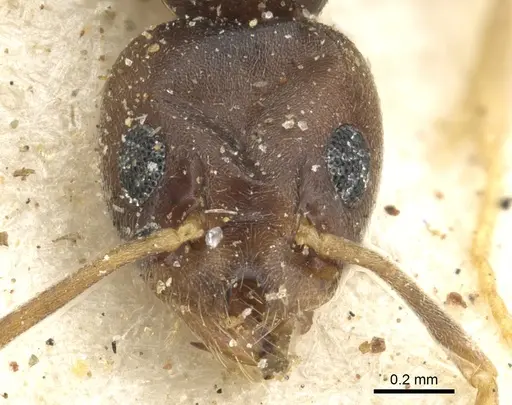
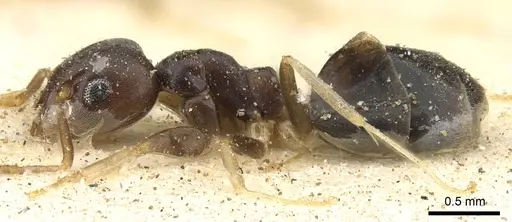
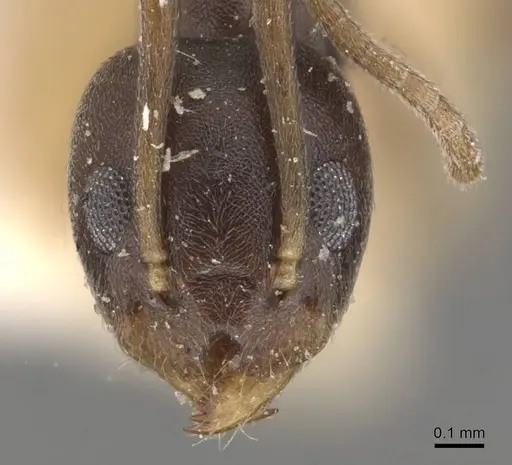
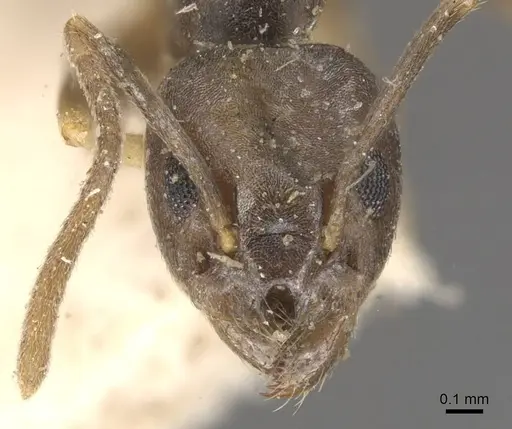
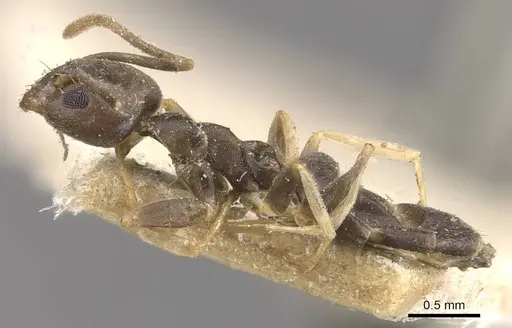
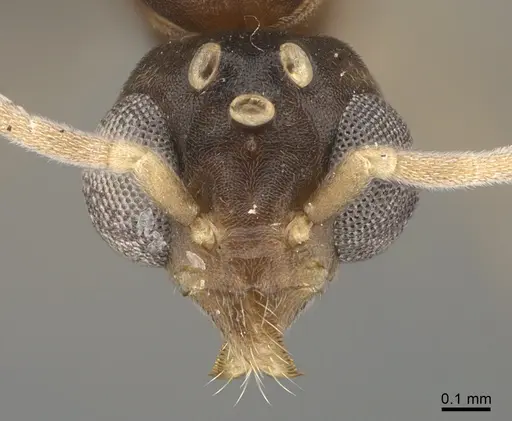
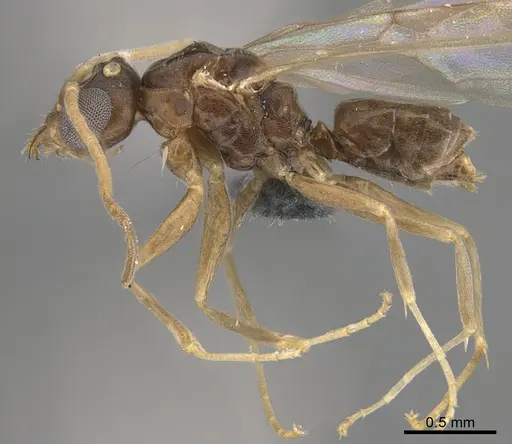
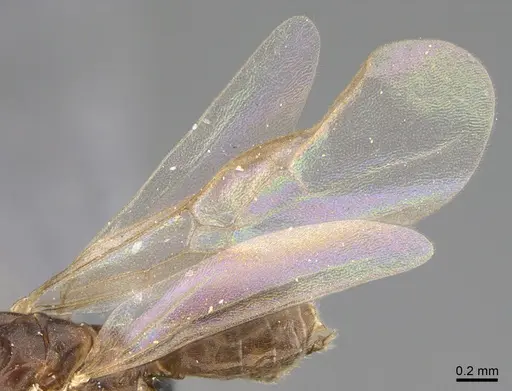
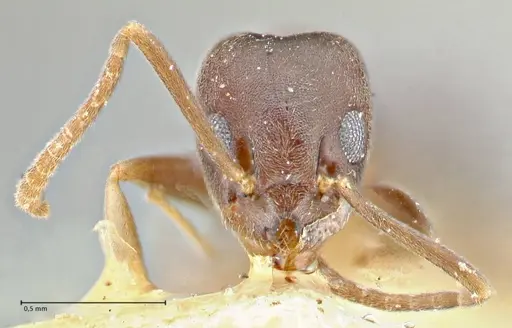
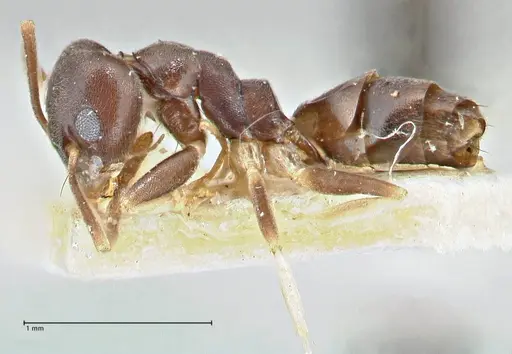
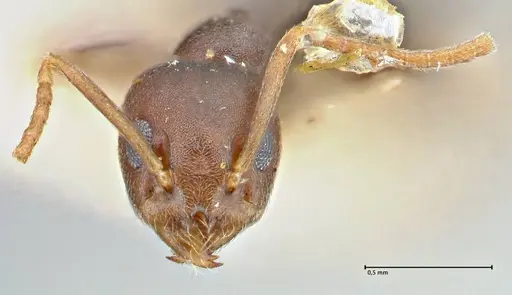
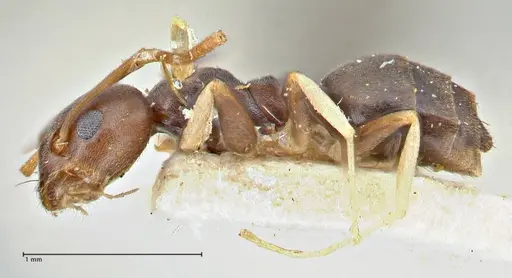
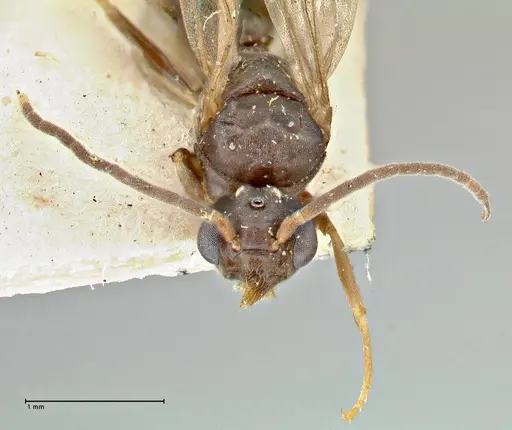
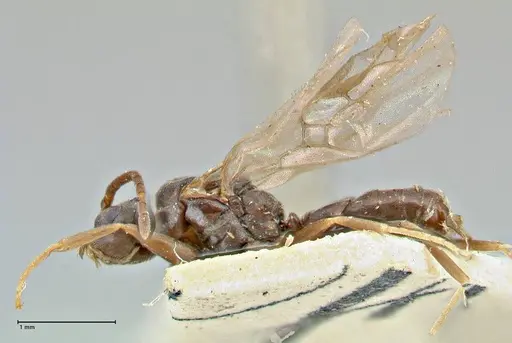
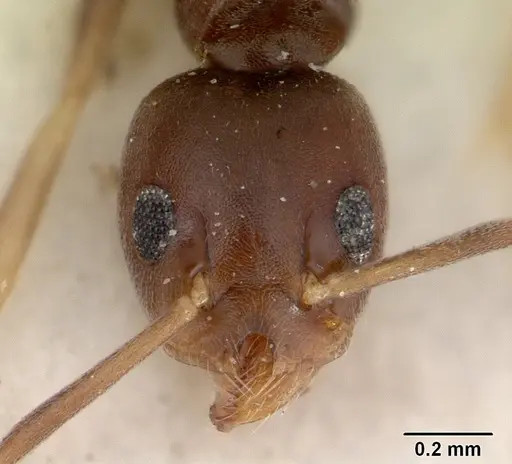
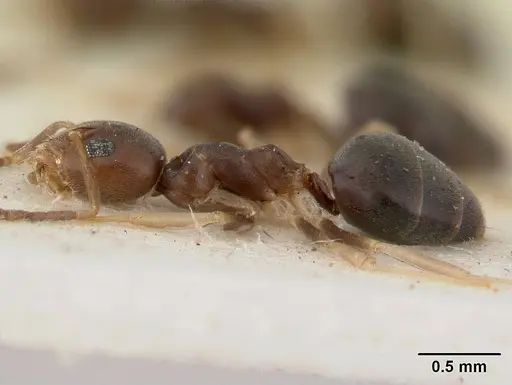
Technomyrmex voeltzkowi is a small ant from South Africa, originally described as Tapinoma voeltzkowi . Like others in the genus, it has a highly reduced petiole, the tiny segment between its thorax and abdomen . It belongs to the tribe Tapinomini within the subfamily Dolichoderinae . As a dolichoderine, it lacks a functional sting and instead defends itself by exuding sticky, foul-smelling compounds from its anal glands. This species has been found only in the Marakele National Park of Limpopo, South Africa, at elevations between 1074 and 1587 meters . It's part of an ancient lineage, with the Tapinomini group dating back about 57 million years .
Quick Summary
- Difficulty: Unknown, limited keeper data available
- Origin & Habitat: South Africa, specifically Marakele National Park in Limpopo province, at elevations between 1074 and 1587 meters in mountainous grassland habitats [1].
- Colony Type: Unconfirmed, colony structure has not been documented in scientific literature
- Size & Growth:
- Queen: Unknown, no measurements available in research literature
- Worker: Unknown, no measurements available in research literature
- Colony: Unknown, colony size has not been documented
- Growth: Unknown, development timeline unstudied
- Development: Unknown, no direct development data exists for this species (No species-specific development data available. Related Technomyrmex species typically develop in 6-8 weeks under optimal conditions, but this is a rough guess.)
- Antkeeping:
- Temperature: Based on its South African highland origin, this species likely tolerates cooler temperatures than typical tropical ants. Aim for room temperature around 20-24°C as a starting point, with a slight gradient if possible. Monitor colony activity to fine-tune.
- Humidity: Likely adaptable given its elevation range in South Africa. Standard ant-keeping humidity (40-60% ambient) is probably appropriate. Ensure the nest area has a moist region but avoid waterlogging.
- Diapause: Unknown, South African highlands have mild winters, so a distinct diapause may not be necessary. A mild cooling period (for example,15-18°C for a few weeks) could be tried if you want to simulate seasonal changes, but specific requirements are unconfirmed.
- Nesting: No specific nesting data exists. Based on related Technomyrmex species, they likely nest in soil or under stones in natural habitats. In captivity, a standard test tube setup works well for founding colonies. Provide a moisture source.
- Behavior: Temperament is not documented, but Technomyrmex species are generally not aggressive and are considered relatively docile. They are epigaeic (ground-dwelling) ants that likely forage on the ground surface. As Dolichoderinae, they will exude a sticky, foul-smelling compound from their anal glands when threatened, rather than sting. Escape risk is likely moderate, they are not particularly large but are not tiny either. Standard escape prevention measures (fluon on rim edges) should suffice.
- Common Issues: Limited species-specific care information makes proper husbandry challenging., Wild-caught colonies may carry parasites or pathogens not well understood., Temperature requirements are uncertain, may need experimentation to find optimal range., Diapause requirements are unconfirmed and may not be necessary, but this is unknown., Colony growth rate is unknown, making it difficult to gauge progress.
Taxonomy and Classification
Technomyrmex voeltzkowi was originally described as Technomyrmex voeltzkowi before being reclassified to its current genus [1]. It belongs to the tribe Tapinomini within the subfamily Dolichoderinae [2][3]. This subfamily is characterized by ants that lack a functional stinger and instead use defensive compounds from anal glands. The genus Technomyrmex is distinguished by its highly reduced petiole, the small segment connecting the mesosoma (middle body) to the gaster (abdomen) [2]. The species is part of an ancient lineage with the crown group of Tapinomini dating back approximately 57 million years [3].
Distribution and Habitat
This species has been documented exclusively in South Africa, specifically within Marakele National Park in the Limpopo province. It has been collected at four different sites spanning an elevation range from 1074 to 1587 meters above sea level [1]. The highest number of specimens (26 individuals) were collected at the mid-elevation site M2 at 1182 meters, while 8 specimens were found at the highest site M3 at 1587 meters, and 2 specimens at the lowest site M1 at 1074 meters [1]. This distribution pattern suggests a preference for higher elevation mountainous habitats rather than lowland tropical areas.
Defense Mechanisms
As a member of the Dolichoderinae subfamily, Technomyrmex voeltzkowi does not possess a functional stinger. Instead, like other ants in this group including Tapinoma species, they defend themselves by exuding sticky, foul-smelling compounds from their anal glands. These defensive chemicals are cyclopentanoid monoterpenes that deter predators. When handling these ants, you may notice a distinctive odor. This makes them less dangerous to handle compared to stinging ants, though the secretions can irritate sensitive skin or eyes.
Care Recommendations
Due to the lack of species-specific research, care recommendations are based on inference from related Technomyrmex species and what is known about its South African highland distribution. Keep the colony at moderate temperatures around 20-24°C initially, observing colony behavior to find the optimal range. A cool rest period may not be necessary given the mild winters of its native habitat, but you can try a slight temperature drop if you want to simulate seasonal changes. For nesting, provide a standard setup with access to moisture, a test tube with a water reservoir works well for founding colonies. Feed a varied diet including sugar sources (honey or sugar water) and protein (small insects). Monitor for acceptance and adjust feeding based on colony preferences. Escape prevention is recommended, though these are not particularly small ants.
Frequently Asked Questions
How long does it take for Technomyrmex voeltzkowi to raise their first workers?
The exact development timeline is unknown for this species as it has not been scientifically studied. Based on typical Technomyrmex patterns, expect approximately 6-10 weeks from egg to first worker at optimal temperatures, but this is a rough guess.
What do Technomyrmex voeltzkowi ants eat?
Specific dietary preferences are unstudied for this species. Based on related Technomyrmex species, they likely accept sugar sources (honey, sugar water, nectar) and protein from small insects. Offer a varied diet and observe what the colony accepts best.
Can I keep Technomyrmex voeltzkowi in a test tube?
Yes, a test tube setup is appropriate for founding colonies. Provide a water reservoir for humidity and ensure the tube is kept in stable conditions. As the colony grows, you may need to move them to a larger formicarium.
Do Technomyrmex voeltzkowi ants need hibernation?
This is unknown. South African highlands have mild winters, so a distinct hibernation period may not be necessary. If you want to try a cooling period, a slight drop to around 15-18°C for a few weeks can be attempted, but specific requirements are unconfirmed [1].
How big do Technomyrmex voeltzkowi colonies get?
The maximum colony size is unknown, no scientific documentation exists for this species. Related Technomyrmex species typically form colonies ranging from dozens to several hundred workers.
Are Technomyrmex voeltzkowi good for beginners?
Difficulty level is difficult to assess due to limited keeper experience with this species. The lack of species-specific care information makes it challenging even for experienced antkeepers. Proceed with caution and be prepared to experiment with conditions.
What temperature is best for Technomyrmex voeltzkowi?
Specific temperature requirements are unconfirmed. Based on their South African highland origin, start with moderate temperatures around 20-24°C. They likely tolerate cooler conditions than typical tropical ants given their elevation range in the wild [1].
Is Technomyrmex voeltzkowi aggressive?
Aggression levels are not documented, but Technomyrmex species are generally considered docile and non-aggressive. Their defense is chemical (foul-smelling compounds) rather than a sting or bite.
Where is Technomyrmex voeltzkowi found in the wild?
This species is native to South Africa, specifically documented in Marakele National Park in the Limpopo province. It has been collected at elevations between 1074 and 1587 meters in mountainous grassland habitats [1].
Report an Issue
The current care sheet is based fully on literature. See inconsistencies, or something that's incorrect? Please , it will be resolved after review from an admin. Contributing to the blogs tab also helps providing information, to make us be able to further improve the caresheets. Thank you for your support!
References

This caresheet is licensed under CC BY-SA 4.0 .
Community Blogs
CASENT0006839
View on AntWeb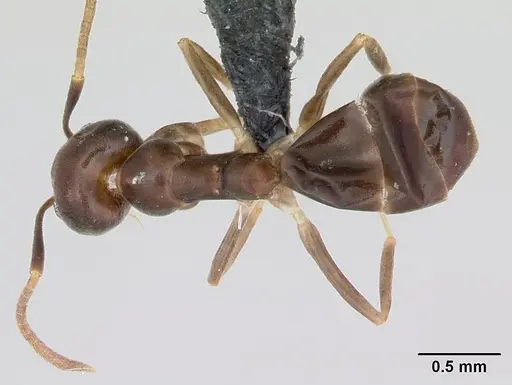
CASENT0104644
View on AntWeb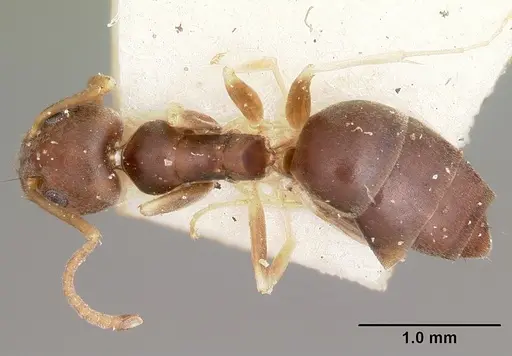
CASENT0146743
View on AntWeb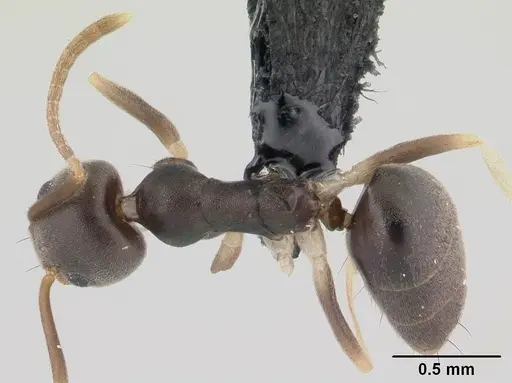
CASENT0217166
View on AntWeb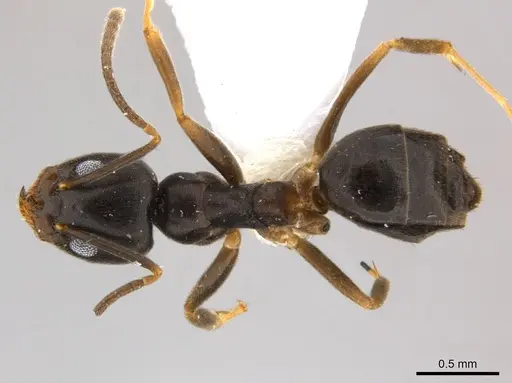
CASENT0235733
View on AntWeb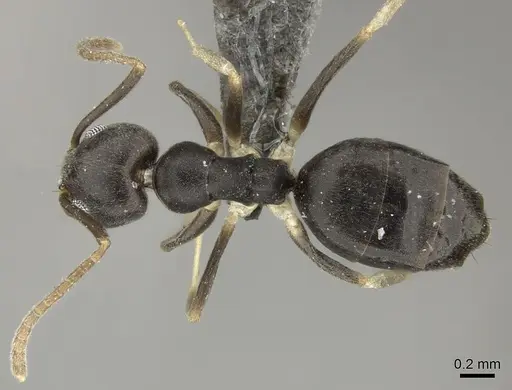
CASENT0249039
View on AntWeb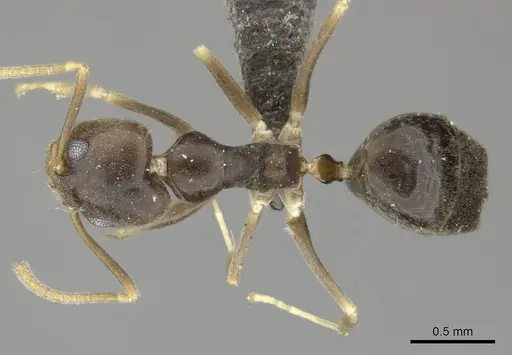
CASENT0249806
View on AntWeb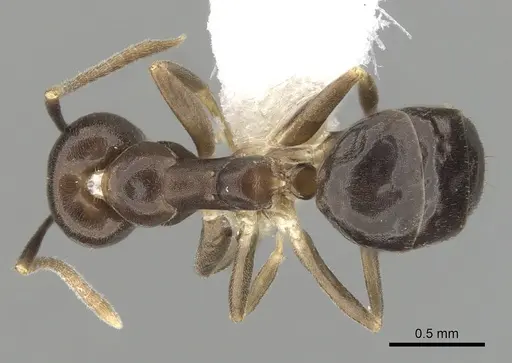
CASENT0252152
View on AntWeb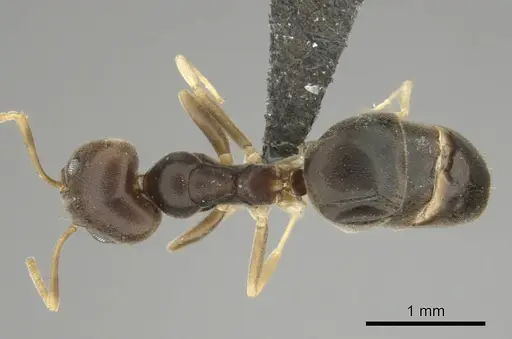
CASENT0252157
View on AntWeb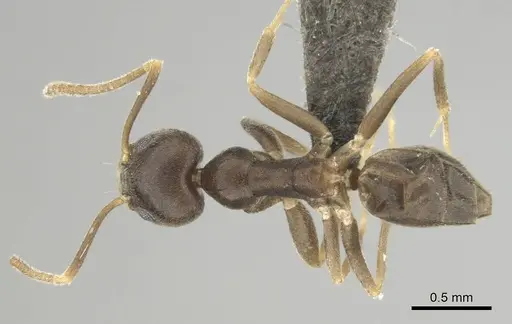
CASENT0345065
View on AntWeb
CASENT0345066
View on AntWeb
CASENT0345067
View on AntWeb
CASENT0345068
View on AntWeb
CASENT0451074
View on AntWeb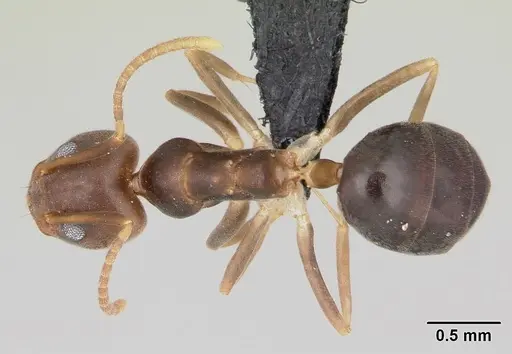
CASENT0886011
View on AntWeb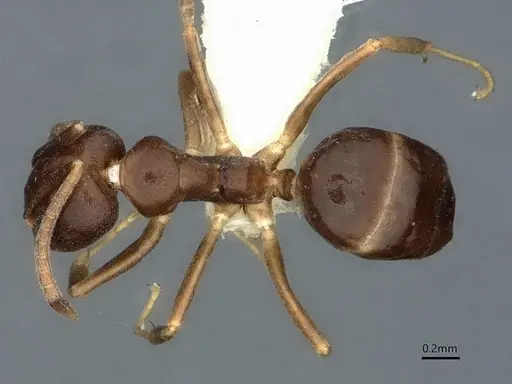
CASENT0898421
View on AntWeb
CASENT0898422
View on AntWeb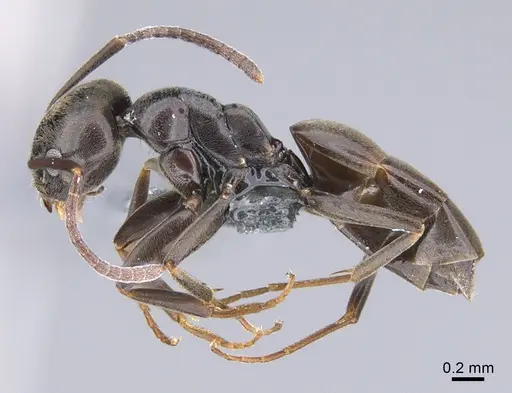
CASENT0898423
View on AntWeb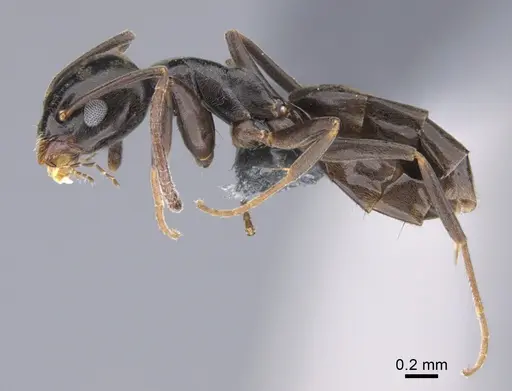
CASENT0898424
View on AntWeb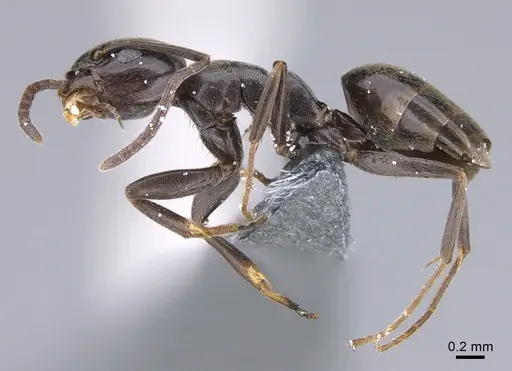
CASENT0898425
View on AntWeb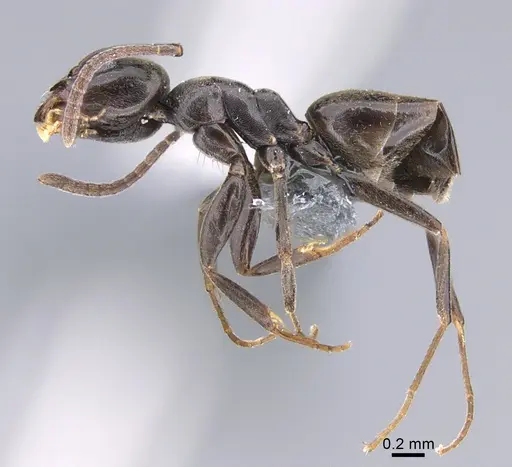
CASENT0898426
View on AntWeb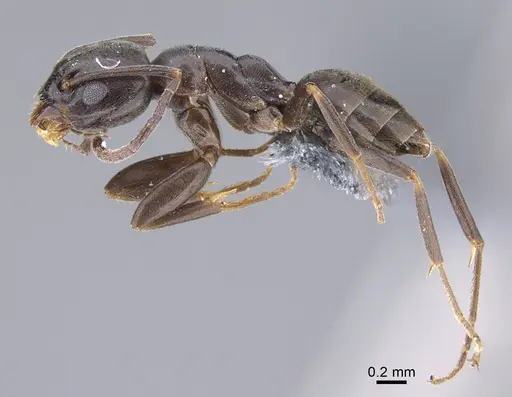
CASENT0903053
View on AntWeb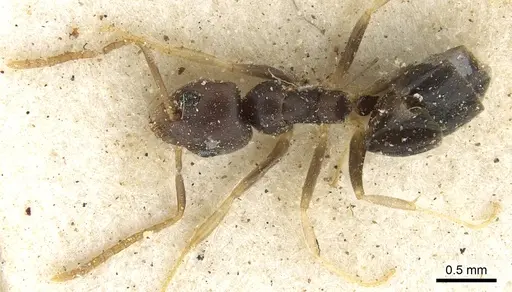
CASENT0909787
View on AntWeb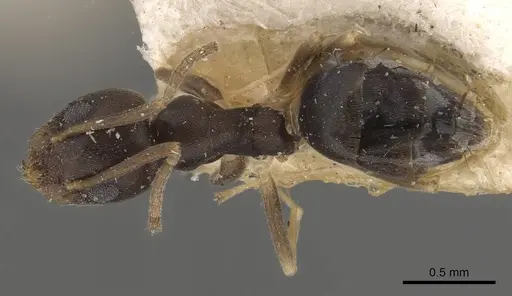
CASENT0909788
View on AntWeb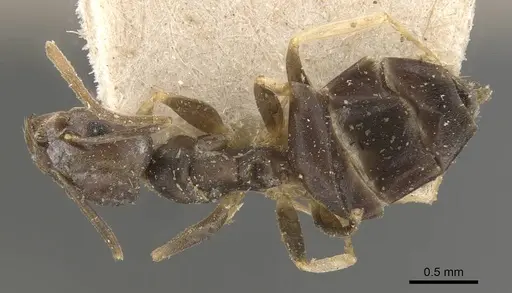
CASENT4026026
View on AntWeb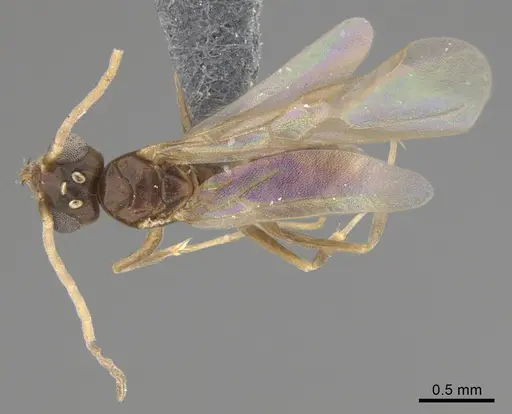
FOCOL2865
View on AntWeb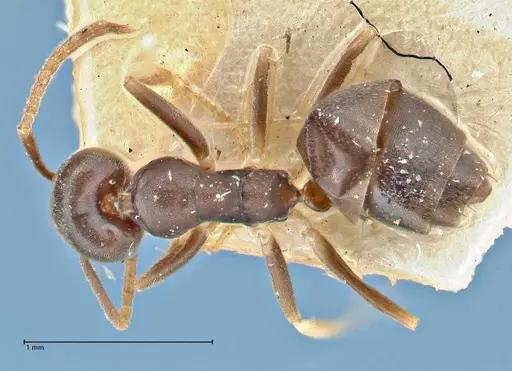
FOCOL2866
View on AntWeb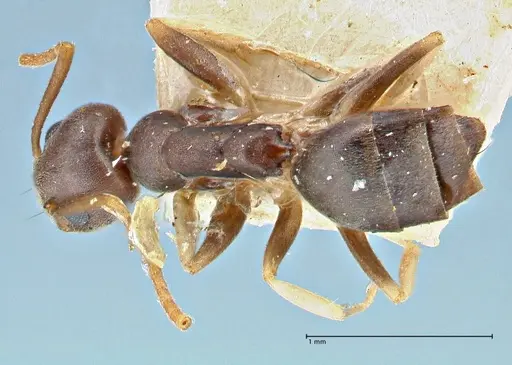
FOCOL2867
View on AntWeb
SAM-HYM-C004817
View on AntWeb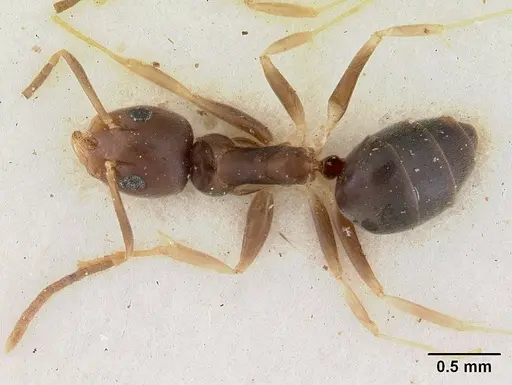
Literature
Loading distribution map...Loading products...