
Technomyrmex vapidus
- Sci. Name
- Technomyrmex vapidus
- Tribe
- Tapinomini
- Subfamily
- Dolichoderinae
- Author
- Bolton, 2007
- Distribution
- Found in 0 countries
Introduction
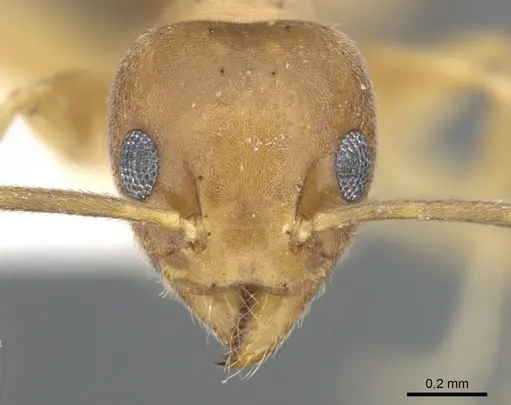
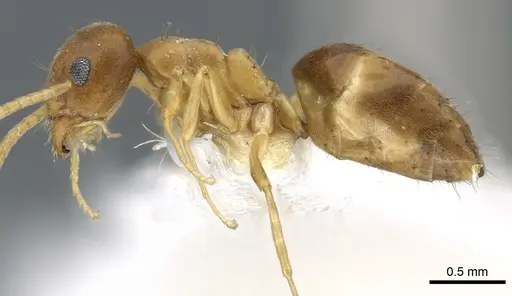
Technomyrmex vapidus is a small ant species with workers measuring 2.6-3.2mm (TL) . Workers have a light orange-brown head, dull yellow mesosoma and petiole, and a distinctly darker gaster . It belongs to the Technomyrmex albipes group, specifically the T. pallipes complex, and is closely related to Technomyrmex pallipes but can be distinguished by its brighter coloration and smaller eyes positioned more posteriorly on the head . This species is found in Kenya and Tanzania in East Africa, where it nests under stones and forages both on the ground and in low vegetation . Like other Dolichoderinae ants, it lacks a functional stinger but defends itself by exuding a sticky, foul-smelling substance from an anal gland.
Quick Summary
- Difficulty: Medium
- Origin & Habitat: East Africa – Kenya and Tanzania. Inhabits savannah environments with some records on savannah trees such as Lannea schweinfurthii [2][1]. Nests under stones and forages on ground and low vegetation.
- Colony Type: Colony structure is unconfirmed. Based on related Technomyrmex species, likely monogyne (single queen) colonies, though this requires confirmation for this specific species.
- Size & Growth:
- Queen: Undescribed – queen caste has not been documented in scientific literature [1].
- Worker: 2.6-3.2mm (TL), with holotype measuring 3.2mm [1].
- Colony: Unknown – no colony size data available for this species.
- Growth: Moderate – inferred from similar small Dolichoderinae species.
- Development: Estimated 6-8 weeks at optimal temperature based on genus-level patterns for small tropical ants. (Direct development data unavailable for this species – estimates based on related Technomyrmex species.)
- Antkeeping:
- Temperature: Keep at 22-26°C. As an East African species from savannah environments, they prefer warm but not hot conditions. A gentle gradient is recommended.
- Humidity: Moderate humidity – around 50-70%. They nest under stones in nature, suggesting they prefer stable, moderately humid conditions with occasional dry patches. Avoid waterlogging the nest.
- Diapause: Unlikely required – being from tropical East Africa, they probably do not need a true hibernation period. A slight cool-down during winter months (to around 18-20°C) may be beneficial but is not necessary.
- Nesting: Test tube setups work well for founding colonies. Once established, they do well in Y-tong (AAC) nests or naturalistic setups with a layer of soil and flat stones on top to mimic their natural nesting under stones. They prefer tight, secure chambers.
- Behavior: Generally docile and non-aggressive, but will defend their nest if threatened. Like other Dolichoderinae, they lack stingers and instead exude a sticky, foul-smelling substance from an anal gland as defense. Workers are active foragers that search both on the ground and in low vegetation. Their small size (under 3.2mm) means escape prevention is critical – use fine mesh barriers (≤0.5mm) and tight-fitting lids. They are not particularly skittish and typically adapt well to captive conditions.
- Common Issues: escape prevention is critical due to their tiny size – they can squeeze through standard mesh., limited published information means many care parameters are inferred from related species., their defense secretions can damage some synthetic materials – avoid rubber or certain plastics in direct contact with the nest., wild-caught colonies may carry parasites that can cause colony failure in captivity., nest flooding should be avoided – provide a moisture gradient rather than constantly wet conditions.
Housing and Nest Setup
For founding colonies, a standard test tube setup works well. Use a small test tube with a water reservoir sealed with a cotton plug – the colony will use the moisture gradient to regulate their chamber. Once the colony outgrows the test tube (several dozen workers), consider moving them to a more permanent formicarium. Y-tong (AAC) nests are excellent as they provide the tight, secure chambers these small ants prefer. Naturalistic setups with a soil layer and flat stones on top mimic their natural nesting under stones. Regardless of setup, ensure escape prevention is excellent – these ants are tiny and can squeeze through standard mesh. Use fine mesh (at least 0.5mm openings) or apply fluon to barrier edges. Provide a small area of slightly moist substrate to maintain humidity without flooding the nest. [2][1]
Feeding and Diet
Technomyrmex species are generalist foragers that typically feed on honeydew, nectar, and small insects. In captivity, offer a mix of sugar sources (honey water, sugar water, or commercial ant nectar) and protein sources. Small live prey like fruit flies, pinhead crickets, or small mealworms work well as protein. They are not aggressive hunters but will readily scavenge dead insects. Feed sugar sources constantly – replace every 2-3 days to prevent mold. Offer protein 2-3 times per week, adjusting based on colony size and brood production. Remove uneaten protein after 24-48 hours to prevent spoilage. [1]
Temperature and Seasonal Care
As an East African species, Technomyrmex vapidus prefers warm conditions in the 22-26°C range. Avoid sustained temperatures below 20°C or above 30°C. A heating cable on one side of the nest can create a gentle gradient, allowing workers to choose their preferred temperature. Unlike temperate species, they likely do not require a true hibernation period. However, a slight seasonal reduction in temperature during winter months (dropping to around 18-20°C) may help simulate natural cycles and promote colony health. Monitor colony activity – if workers become sluggish, slightly increase temperature. Direct development data is unavailable, so adjust conditions based on brood production.
Defense and Handling
As Dolichoderinae ants, Technomyrmex vapidus does not have a functional stinger. Instead, they defend themselves by exuding a sticky, foul-smelling substance from an anal gland. This secretion can cause mild irritation and has a strong odor but is not dangerous to humans. When handling or observing these ants, avoid disturbing them unnecessarily. If you need to move a colony, do so gently and minimize vibrations. Their defense secretion can damage some synthetics, so avoid rubber or certain plastics in direct contact with the nest. These ants are generally docile and will flee rather than attack when given the opportunity.
Colony Development
The queen caste has not been described for this species, so exact founding behavior is unknown. Based on genus patterns, Technomyrmex queens are likely claustral – the queen seals herself in a chamber and lives off stored fat reserves until her first workers emerge. Expect the first workers (nanitics) to be smaller than mature workers. Development from egg to worker likely takes 6-8 weeks at optimal temperature (22-26°C), similar to other small tropical Dolichoderinae. Growth rate is moderate – colonies may take several months to reach 50+ workers. Be patient with founding colonies and avoid disturbing the nest chamber during the founding period. If the queen dies without producing workers, it is likely due to stress or poor founding conditions rather than a species-specific issue.
Frequently Asked Questions
How long does it take for Technomyrmex vapidus to produce first workers?
Based on genus-level patterns for small tropical ants, expect 6-8 weeks from egg to first worker at optimal temperature (22-26°C). The exact timeline has not been documented for this specific species.
Can I keep Technomyrmex vapidus in a test tube?
Yes, test tubes work well for founding colonies. Use a small test tube with a water reservoir and cotton plug. Ensure excellent escape prevention due to their tiny size – use fine mesh (≤0.5mm openings) or fluon barriers.
What do Technomyrmex vapidus eat?
They are generalist feeders. Offer sugar sources (honey water, sugar water) constantly and protein (small insects like fruit flies, pinhead crickets) 2-3 times per week.
Are Technomyrmex vapidus good for beginners?
They can be suitable for motivated beginners, but the limited species-specific information makes them more of a medium-difficulty species. They are peaceful, do not sting, and adapt well to captivity. The main challenge is their tiny size requiring excellent escape prevention and the need to rely on inferred care parameters.
What temperature do Technomyrmex vapidus need?
Keep them at 22-26°C. As an East African species, they prefer warm conditions but not extreme heat. Avoid temperatures below 20°C or above 30°C for extended periods.
Do Technomyrmex vapidus need hibernation?
Unlikely. Being from tropical East Africa, they probably do not require a true hibernation period. A slight cool-down in winter to around 18-20°C may be beneficial but is not required.
How big do Technomyrmex vapidus colonies get?
The maximum colony size is unknown – this has not been documented in scientific literature. Based on related species, colonies likely reach several hundred workers over time, but this is an estimate.
Why are my Technomyrmex vapidus escaping?
Their small size (under 3.2mm) makes them excellent escape artists. Use fine mesh (≤0.5mm), apply fluon to barrier edges, and ensure all lids fit tightly. Check for any small gaps in your setup.
Can I keep multiple Technomyrmex vapidus queens together?
Not recommended without more information. The colony structure (monogyne vs polygyne) has not been documented for this species. Combining unrelated queens has not been studied and could lead to aggression.
Report an Issue
The current care sheet is based fully on literature. See inconsistencies, or something that's incorrect? Please , it will be resolved after review from an admin. Contributing to the blogs tab also helps providing information, to make us be able to further improve the caresheets. Thank you for your support!
References

This caresheet is licensed under CC BY-SA 4.0 .
Community Blogs
CASENT0903060
View on AntWeb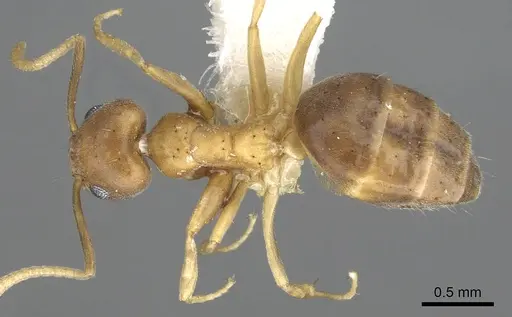
Literature
Loading distribution map...Loading products...