
Technomyrmex sundaicus
- Sci. Name
- Technomyrmex sundaicus
- Tribe
- Tapinomini
- Subfamily
- Dolichoderinae
- Author
- Emery, 1900
- Distribution
- Found in 2 countries
Introduction
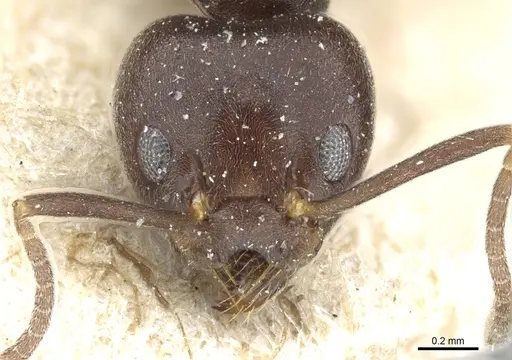
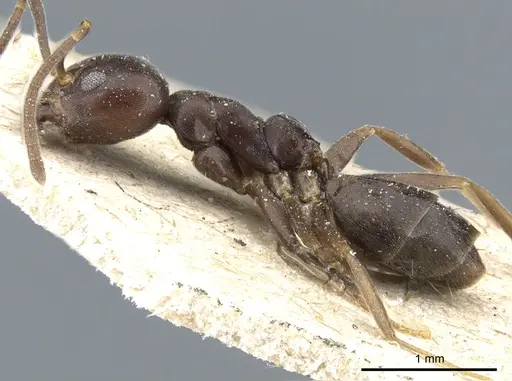
Technomyrmex sundaicus is a small, slender ant, with workers measuring about 3-4mm in total length . They have a uniform drab brown color across the head, mesosoma, petiole, and gaster, with paler trochanters and tarsi . The head is longer than wide with a deeply concave posterior margin, and the mesosoma is stout . This species belongs to the Technomyrmex bicolor group and is very similar to T. kraepelini, but can be told apart by its even brown color and coxae that are the same shade as the body . It is found across the Indomalaya region: Borneo, Indonesia, Malaysia, the Philippines, and Thailand, where it inhabits lowland evergreen forests and swamp-forests, nesting in dead wood and foraging in leaf litter . It is considered a rare species in collections .
Quick Summary
- Difficulty: Medium
- Origin & Habitat: Native to the Indomalaya region: Borneo, Indonesia, Malaysia, Philippines, and Thailand. Inhabits lowland evergreen forests and swamp-forests, nesting in dead wood and foraging in leaf litter during both day and night [2][3][1].
- Colony Type: Colony structure is not documented. Workers have been collected in leaf litter during both day and night, suggesting flexible foraging periods [3]. The species is rare, and there are no data on queen number or social organization.
- Size & Growth:
- Queen: Not documented in available research, queen measurements are unavailable.
- Worker: ~3-4mm (TL) [1][2].
- Colony: Unknown, no data on maximum colony size.
- Growth: Unknown, no development studies are available.
- Development: Unknown, no direct data for this species. Related Technomyrmex species typically develop in 4-8 weeks at warm temperatures, but this is unconfirmed here. (Development timeline has not been studied.)
- Antkeeping:
- Temperature: Based on the tropical lowland habitat, keep at 24-28°C year-round. Avoid temperatures below 22°C. Provide a gentle heating gradient so workers can choose their preferred spot [2][1].
- Humidity: High humidity, keep the nest substrate consistently moist but not waterlogged. The natural habitat in lowland forests is very humid [2][3].
- Diapause: No, as a tropical Southeast Asian species, there is no need for hibernation. Keep temperatures stable year-round [2][1].
- Nesting: Mimic their natural dead‑wood nests. Y‑tong (AAC) or plaster nests work well. A test tube with a water reservoir is fine for founding. Ensure the nest stays dark and humid but not flooded [2].
- Behavior: Technomyrmex sundaicus is a small (under 4mm), timid ant that forages in leaf litter. Workers are active both day and night [3]. They belong to the Dolichoderinae subfamily and lack a functional stinger, instead, they defend by releasing sticky, foul‑smelling compounds from an anal gland (a ‘smear’ defense). Their bite is mild and they are not aggressive. Because of their small size, they can easily escape through tiny gaps, use Fluon or PTFE barriers and seal all openings in the setup.
- Common Issues: rare availability, this species is seldom collected and has limited captive breeding data., humidity fluctuations, as a forest floor dweller, consistent high humidity is critical, dry conditions can cause stress or death., temperature sensitivity, they need constant tropical warmth, exposure below 22°C may be fatal., small size, workers are under 4mm and can slip through standard escape prevention, use extra‑fine barriers., unknown founding behavior, since colony founding hasn’t been observed, be gentle with newly caught queens and avoid disturbing the nest.
Housing and Nest Setup
Technomyrmex sundaicus naturally nests in dead wood in lowland evergreen forests [2]. For captive care, provide a nest that mimics this environment. Y‑tong (AAC) or plaster nests retain moisture well and offer a dark, enclosed space. A test tube with a water reservoir (cotton plug) works for founding colonies, keep the tube partially horizontal so workers can escape the wet end. The outworld need only be simple, as these litter‑dwelling ants prefer a plain foraging area. Because workers are under 4mm, you must use Fluon or PTFE barriers on the nest rim and seal any gaps to prevent escapes [1].
Feeding and Diet
Technomyrmex ants are typically omnivorous, feeding on honeydew, nectar, and small arthropods. Offer a constant source of sugar water (1:1 ratio) or diluted honey. For protein, provide small prey like fruit flies, newly hatched mealworms, or tiny crickets. Since the workers are small, prey must be appropriately sized. Feed 2-3 times per week and remove uneaten food within 48 hours to prevent mold. There are no published dietary studies for this species, so observe colony preferences.
Temperature and Seasonal Care
As a tropical lowland species from Southeast Asia, Technomyrmex sundaicus requires warm, stable conditions year‑round. Keep the nest area at 24-28°C, avoiding temperatures below 22°C. A small heating cable placed on the top of the nest (not underneath) can create a gentle gradient, allowing workers to self‑regulate. No hibernation or diapause is needed, these ants come from the tropics and have little seasonal variation. Keep them away from air conditioning vents and cold drafts [2][1].
Behavior and Colony Dynamics
Workers are active foragers that search leaf litter both during the day and night, suggesting flexible activity patterns [3]. As a Dolichoderinae ant, they lack a stinger and instead defend by exuding sticky, foul‑smelling compounds from an anal gland (a 'smear' defense). Their bite is mild and they are not aggressive toward humans or other colonies. Colonies are likely small in the wild, but exact sizes are unknown. Be gentle during colony transfers, their small size makes them fragile. Queen number and colony structure remain unstudied.
Frequently Asked Questions
How long does it take for Technomyrmex sundaicus to produce first workers?
The egg‑to‑worker development time is unknown for this species because no studies have tracked it. Based on related Technomyrmex species, it might take 4-8 weeks at warm temperatures (around 26°C), but this is uncertain. Be patient with founding colonies.
Can I keep Technomyrmex sundaicus in a test tube?
Yes, test tubes work well for founding. Use a standard setup with a water reservoir and cotton plug. Keep the tube humid but not flooded, and apply Fluon on the rim for escape prevention. Once the colony has around 20-30 workers, consider moving to a Y‑tong or plaster nest.
What do Technomyrmex sundaicus eat?
They are omnivorous. Provide a constant source of sugar water or honey water. For protein, offer small insects like fruit flies, tiny mealworms, or other suitably sized prey. Remove uneaten food after 48 hours to prevent mold.
Are Technomyrmex sundaicus good for beginners?
This species is rated Medium difficulty. While not extremely hard, it is very rare in the hobby and has little documented care information. They need tropical warmth and high humidity. Beginners may want to start with a more common, well‑studied species first.
Do Technomyrmex sundaicus need hibernation?
No. As a tropical species from Southeast Asia, they do not require hibernation or diapause. Keep temperatures stable year‑round in the 24-28°C range and avoid prolonged exposure below 22°C [2][1].
How big do Technomyrmex sundaicus colonies get?
The maximum colony size is not documented. This is considered a rare species with probably modest colony sizes, likely dozens to perhaps low hundreds of workers, not the thousands seen in some common species [2].
Why are my Technomyrmex sundaicus dying?
Common causes: temperatures below 22°C (they need constant warmth), dry air (they need high humidity), mold from over‑watering or leftover food, or stress from frequent disturbance. Also, wild‑caught colonies may arrive stressed or with parasites. Keep the nest humid, warm, and quiet.
Can I keep multiple queens together?
The colony structure (single‑queen vs multi‑queen) has not been documented. It is not recommended to combine unrelated foundresses, as this could cause aggression. Start with a single queen for best results.
When should I move Technomyrmex sundaicus to a formicarium?
Move from a test tube to a proper nest (Y‑tong, plaster, or naturalistic setup) once the colony has around 20-30 workers and the test tube begins to degrade or becomes too cramped. Ensure the new nest has similar humidity to avoid shock.
Report an Issue
The current care sheet is based fully on literature. See inconsistencies, or something that's incorrect? Please , it will be resolved after review from an admin. Contributing to the blogs tab also helps providing information, to make us be able to further improve the caresheets. Thank you for your support!
References

This caresheet is licensed under CC BY-SA 4.0 .
Community Blogs
CASENT0904026
View on AntWeb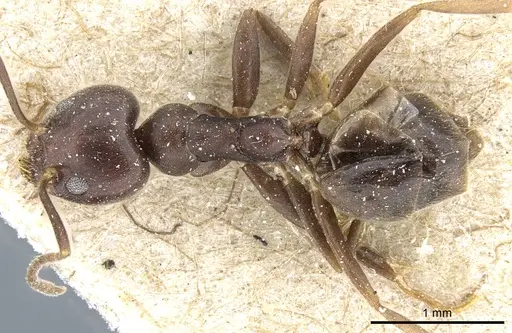
Literature
Loading distribution map...Loading products...