
Technomyrmex setosus
- Sci. Name
- Technomyrmex setosus
- Tribe
- Tapinomini
- Subfamily
- Dolichoderinae
- Author
- Collingwood, 1985
- Distribution
- Found in 1 countries
Introduction
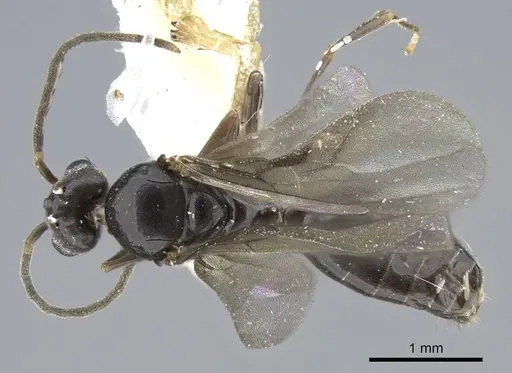
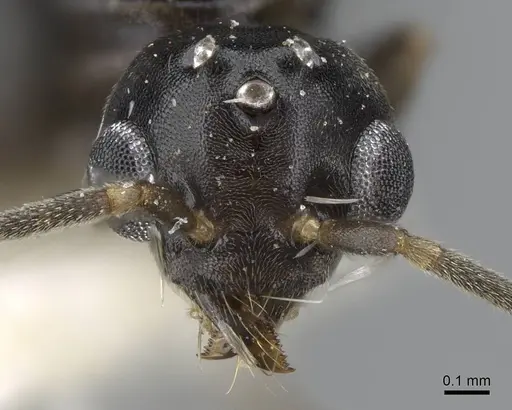
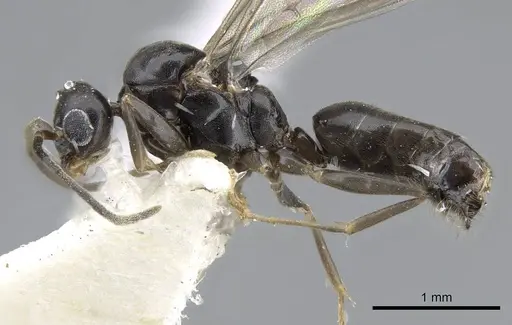
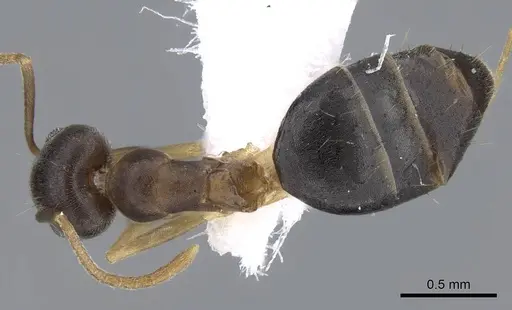
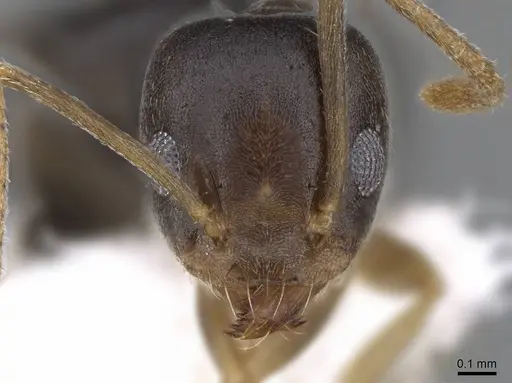
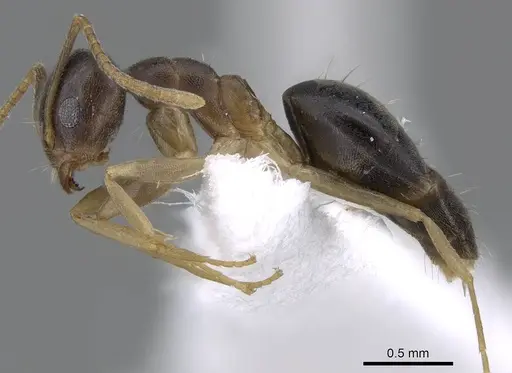
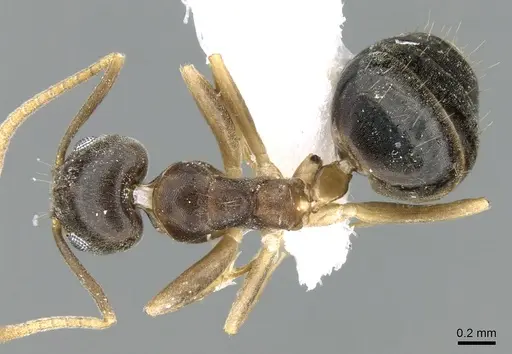
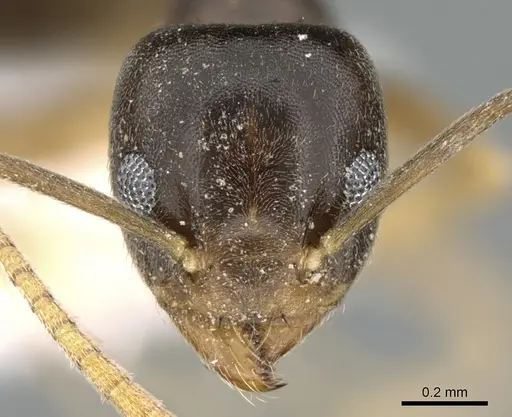
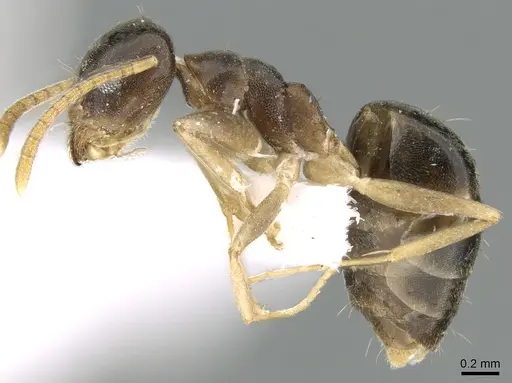
Technomyrmex setosus is a small ant species native to the Arabian Peninsula, found in Saudi Arabia, Yemen, and Oman. Workers measure 2.4-3.3mm with a two-tone coloration: the head and gaster are dark brown while the mesosoma is a noticeably lighter yellowish-brown . This species belongs to the Technomyrmex albipes group and is one of several setae-bearing species in the region . This ant inhabits mountainous regions of southwestern Saudi Arabia, where it nests under stones near Acacia and Juniperus trees, often foraging on trunks and branches . Workers are commonly found ascending tree trunks in search of honeydew and small prey, a behavior common in the genus . The species thrives in dry, rocky areas with rich organic material in the soil and is often found alongside other ants like Lepisiota obtusa .
Quick Summary
- Difficulty: Medium
- Origin & Habitat: Endemic to the Arabian Peninsula, found in Saudi Arabia, Yemen, and Oman. Inhabits mountainous regions in the southwestern Asir and Al-Baha provinces, typically nesting under stones near Acacia trees and foraging on tree trunks in wadis with native vegetation [1][4].
- Colony Type: Unknown, colony structure is not documented in scientific literature.
- Size & Growth:
- Antkeeping:
- Temperature: Based on its natural warm, arid mountain habitat, keep temperatures around 25-30°C. Create a temperature gradient with a heating cable on one side so workers can self-regulate.
- Humidity: Low to moderate, prefer dry conditions. Provide a water source (test tube reservoir) for drinking but avoid damp substrates. Natural habitat has dry soils with decaying organic material [1].
- Diapause: Likely minimal or no true diapause, species originates from a warm climate with mild winters. May show reduced activity during cooler months but does not require hibernation.
- Nesting: Use dry, well-drained nesting materials. Y-tong (AAC), plaster, or soil nests work well. Provide a test tube with cotton and water reservoir for founding. Avoid overly humid setups. Ensure all openings are sealed with fine mesh to prevent escapes.
- Behavior: Workers are active foragers that readily climb surfaces. They are not aggressive and typically flee when disturbed. Like other Dolichoderinae, they lack a functional sting and instead exude a sticky, foul-smelling chemical from an anal gland for defense. Their small size (under 4mm) means they can squeeze through tiny gaps, so escape prevention must include fine mesh barriers on all openings [1].
- Common Issues: small size means escapes are likely without fine mesh barriers, dry habitat requirements can be challenging to balance with humidity needs for some keepers, limited scientific data on captive care requirements, some trial and error expected, wild-caught colonies may have parasites or fail to adapt to captive conditions, foraging on vertical surfaces may require enrichment in captivity
Housing and Nest Setup
Technomyrmex setosus prefers dry nesting conditions, reflecting its natural habitat under stones in arid mountains [1]. Y-tong (AAC), plaster, or soil nests work well, avoid overly humid setups. Provide a test tube with a cotton plug and water reservoir for founding colonies, then transition to a formicarium as the colony grows. Since workers are small (2.4-3.3mm), ensure all connections between nest and outworld are tight. Use fine mesh over all openings to prevent escapes [1].
Feeding and Diet
In the wild, T. setosus workers forage on tree trunks and branches, likely collecting honeydew and hunting small arthropods [1]. In captivity, offer sugar water or honey as an energy source, along with small protein sources like fruit flies, small crickets, or mealworms. Provide feeding stations that allow climbing, as they naturally forage on vertical surfaces. Remove uneaten protein within 24-48 hours to prevent mold. Always keep fresh water available.
Temperature and Seasonal Care
These ants come from the warm Arabian Peninsula and prefer temperatures around 25-30°C. Maintain a temperature gradient in the setup so workers can choose their preferred zone. A heating cable placed on one side of the nest works well. During winter, room temperature may be sufficient as they do not require hibernation. If workers become sluggish, slightly increase temperature. Avoid placing the nest near moisture sources that could increase humidity, as they are adapted to dry conditions.
Behavior and Colony Dynamics
Technomyrmex setosus workers are active foragers that climb tree trunks in the wild [1]. They are not aggressive and will flee rather than engage. As a member of Dolichoderinae, this species lacks a functional sting, instead, it uses chemical defenses by exuding sticky, foul-smelling cyclopentanoid monoterpenes from an anal gland. Colonies likely grow to moderate size, though specific data is unavailable. Workers communicate via chemical trails and recruit nestmates to food. The species is endemic to the Arabian Peninsula and has not been documented as invasive elsewhere.
Handling and Observation
Due to their small size and active foraging, observe T. setosus through the clear walls of a formicarium rather than handling directly. If you need to move the colony, use gentle coaxing with a soft brush. Their small size (under 4mm) makes them fragile. The two-tone coloration (dark head and gaster, yellowish mesosoma) makes them easy to identify among Arabian ants [1]. Provide enrichment like small twigs or mesh surfaces in the outworld to encourage natural climbing behaviors.
Frequently Asked Questions
How long does it take for Technomyrmex setosus to have first workers?
No specific data is available for this species. Development time from egg to worker likely depends on temperature, but exact timing is unknown.
Can I keep Technomyrmex setosus in a test tube?
Yes, test tubes work well for founding colonies. Use a standard test tube with a cotton stopper and small water reservoir. Ensure escape prevention is excellent, these tiny ants can squeeze through gaps. Move to a formicarium once the colony reaches manageable size (e.g.,20-30 workers).
What temperature do Technomyrmex setosus need?
Keep them warm at around 25-30°C, which matches their natural warm Arabian habitat. Create a gradient with a heating cable so they can self-regulate.
Are Technomyrmex setosus good for beginners?
Rated as medium difficulty. Their straightforward temperature and humidity needs make them manageable for keepers with some experience, but escape prevention is critical due to their small size, and limited care data is available.
How big do Technomyrmex setosus colonies get?
Colony size is not documented in scientific literature. Based on typical Technomyrmex species, colonies likely reach several hundred workers over time, but this is unconfirmed.
Do Technomyrmex setosus need hibernation?
No true hibernation is required. This species comes from a warm climate with mild winters, so keep them at room temperature year-round. Activity may slow slightly during cooler months.
What do Technomyrmex setosus eat?
They are omnivorous. In the wild, they collect honeydew and hunt small arthropods. In captivity, provide sugar water or honey, and small insects like fruit flies or pinhead crickets. They naturally forage on vertical surfaces.
Where is Technomyrmex setosus found in the wild?
This species is endemic to the Arabian Peninsula, found only in Saudi Arabia, Yemen, and Oman. It lives in mountainous regions of southwestern Asir and Al-Baha provinces, nesting under stones near Acacia trees and foraging on tree trunks in wadis [1].
Why is my Technomyrmex setosus colony dying?
Common causes include: excessive humidity (they prefer dry conditions), poor escape prevention (escapes), temperatures too low (need 25-30°C), or lack of protein. Also ensure fresh water is always available. Wild-caught colonies may carry parasites.
When should I move my Technomyrmex setosus to a formicarium?
Move from a test tube to a formicarium when the colony reaches about 20-30 workers or the test tube becomes crowded. Ensure the new setup maintains dry conditions and has proper escape prevention.
Report an Issue
The current care sheet is based fully on literature. See inconsistencies, or something that's incorrect? Please , it will be resolved after review from an admin. Contributing to the blogs tab also helps providing information, to make us be able to further improve the caresheets. Thank you for your support!
References

This caresheet is licensed under CC BY-SA 4.0 .
Community Blogs
Literature
Loading distribution map...Loading products...