
Technomyrmex schoutedeni
- Sci. Name
- Technomyrmex schoutedeni
- Tribe
- Tapinomini
- Subfamily
- Dolichoderinae
- Author
- Forel, 1910
- Distribution
- Found in 1 countries
Introduction
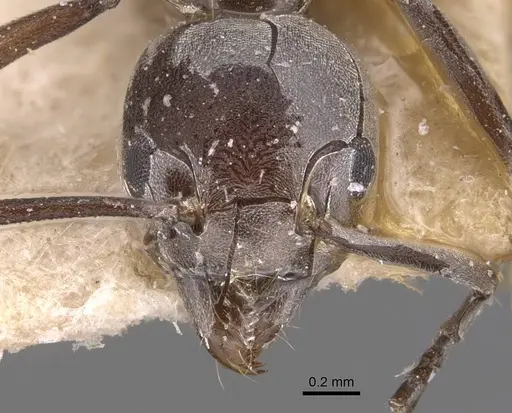
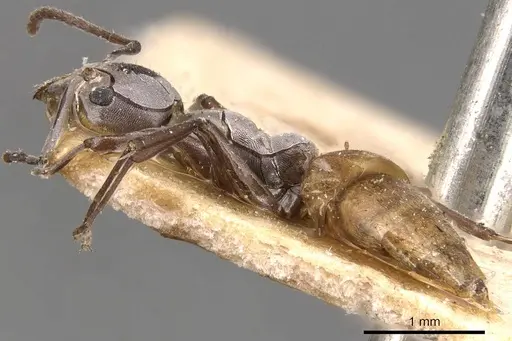
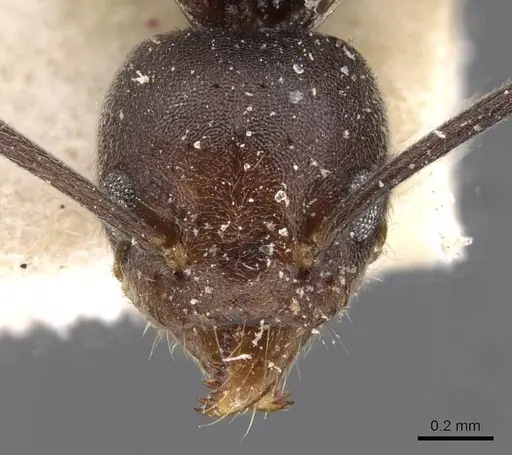
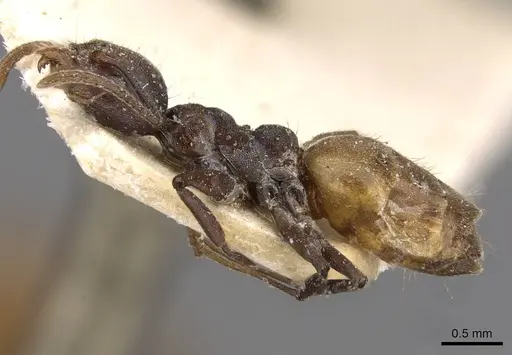
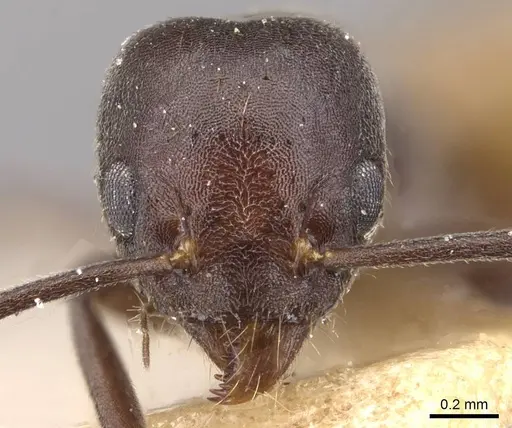
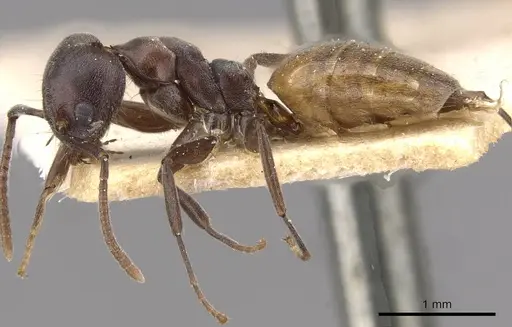
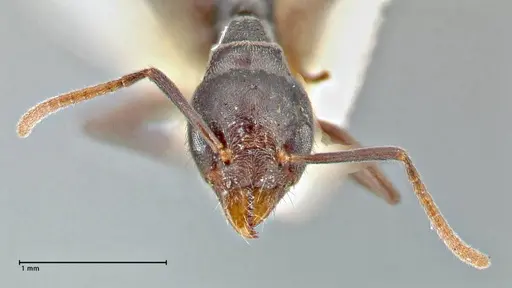
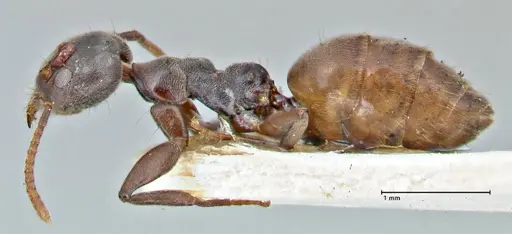
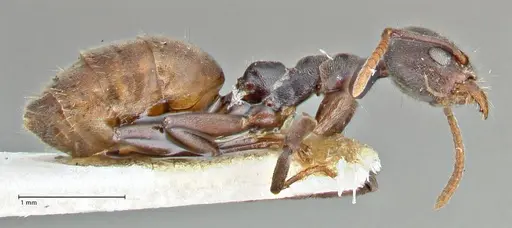
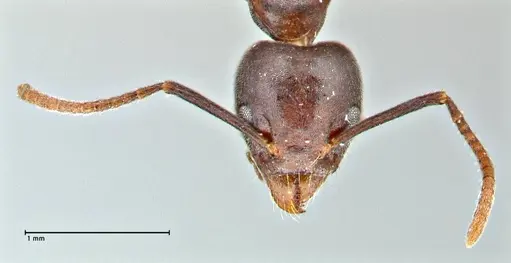
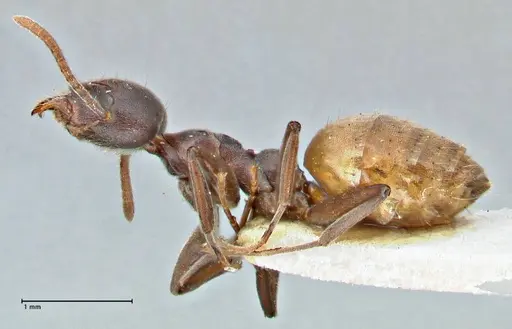
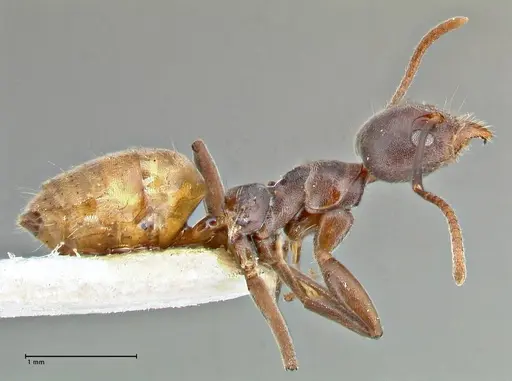
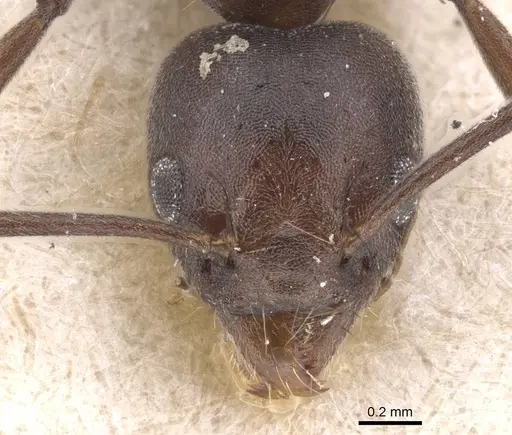
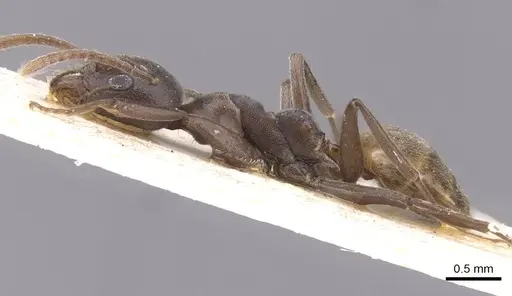
Technomyrmex schoutedeni is a medium-sized arboreal ant from the Afrotropical region, specifically Cameroon and the Democratic Republic of Congo . Workers measure 3.9-4.7 mm in total length . It belongs to the subfamily Dolichoderinae, meaning it lacks a functional stinger and instead defends itself by smearing a foul-smelling sticky substance from its anal gland. This makes them harmless to humans, though the secretion can be irritating. They are closely related to Technomyrmex zimmeri and Technomyrmex pilipes . This species nests above ground: in tree hollows, under bark, or other elevated spots. That's quite different from ground-nesting ants and shapes how you should set up their captive home. Because so little is documented about their captive care, keepers may need to experiment based on general arboreal ant husbandry.
Quick Summary
- Difficulty: Medium
- Origin & Habitat: Cameroon and Democratic Republic of Congo in the Afrotropical region. As an arboreal species, they inhabit tree hollows and under bark in tropical forests [1][2].
- Colony Type: Not documented in scientific literature. Arboreal nesting habits suggest they may live in tree cavities, but exact social structure is unknown.
- Size & Growth:
- Antkeeping:
- Temperature: Keep at 24-28°C (warm tropical conditions), inferred from geographic range [2]. Use a heat source if room temperature drops below this.
- Humidity: Moderate humidity, keep the nesting substrate slightly moist but not waterlogged. Since the ants are arboreal, a humidity gradient may help, avoid condensation.
- Diapause: Probably not required, tropical species typically do not need hibernation, but specific data are lacking.
- Nesting: Arboreal nest required. Use Y-tong, cork bark, or elevated nest chambers. Provide plenty of climbing surfaces in the outworld.
- Behavior: Docile and non-aggressive. Cannot sting, but can smear a foul-smelling defensive secretion. Workers are good climbers, so secure barriers are essential. They are active foragers that will explore their setup.
- Common Issues: arboreal setup is essential, they will not thrive in ground-based test tube setups., escape prevention is important, they are good climbers and will find gaps., limited availability in the antkeeping hobby., tropical temperature requirements may need heated setups in cooler climates., limited documented care information, you may need to experiment with setups.
Housing and Nest Setup
Little is documented specifically for Technomyrmex schoutedeni. Based on general arboreal ant care principles, you should provide a vertical nest space above the substrate. Options include a Y-tong (AAC) block, a cork bark setup, or an elevated plaster nest. The nest area should be warm and slightly humid. In the outworld, add twigs, fake plants, or mesh to let workers climb and forage naturally. A test tube with water should always be available, you can also mist the outworld occasionally but avoid pooling water. [2]
Temperature and Heating
As a tropical species from Central Africa, Technomyrmex schoutedeni needs warmth. Maintain temperatures around 24-28°C. If your room is cooler, use a heating cable or mat on one side of the nest to create a gradient. Avoid placing heat directly under water sources to prevent excess condensation. Stable temperatures are better than fluctuations. A simple thermostat can help. [2]
Feeding and Diet
These ants are omnivorous. Offer a constant sugar source (sugar water, honey water) and provide protein 2-3 times a week in the form of small insects (fruit flies, small crickets, mealworms). Because they are arboreal foragers, place food on elevated surfaces rather than on the ground. Remove uneaten food to prevent mold. Fresh water must always be available. [2]
Behavior and Colony Dynamics
Little is known about the natural behavior of this species in captive conditions. They are generally docile and do not sting. Like other Dolichoderinae, they defend themselves with a sticky, foul-smelling secretion from the anal gland, harmless to humans but can irritate eyes. Workers are active climbers and will explore their environment. Because their colony structure is unstudied, it is best to start with a single queen and monitor growth. Use secure barriers to prevent escapes. [2]
Acquiring and Establishing a Colony
Technomyrmex schoutedeni is rarely available in the hobby. If you obtain a queen, provide a quiet, warm, and humid setup. A test tube with water and a cotton plug can be used during founding, but once the first workers emerge, they will need an arboreal nest. Since founding behavior is unconfirmed, you should assume the queen needs no food until workers appear. Be patient, development times are unknown. Transition to a proper nest when the colony reaches about 10-20 workers. [2]
Frequently Asked Questions
Can I keep Technomyrmex schoutedeni in a test tube setup?
You can use a test tube for a founding queen, but this species is arboreal and will need an elevated nest once workers arrive. Plan to move them to a Y-tong, cork bark, or other vertical nest when the colony reaches around 20 workers.
What temperature do Technomyrmex schoutedeni need?
Keep them at 24-28°C. They are tropical ants from Central Africa. In cooler climates, use a heating cable or mat to maintain these temperatures.
How long does it take for Technomyrmex schoutedeni to raise first workers?
This is not documented for this species. Development times likely depend on temperature, but no specific data are available. Expect at least several weeks.
Are Technomyrmex schoutedeni good for beginners?
They are rated medium difficulty. While docile, they have specific arboreal requirements and many care aspects are undocumented. They may suit keepers with some experience who are interested in tree-nesting ants.
What do Technomyrmex schoutedeni eat?
They are omnivorous. Provide sugar water or honey regularly, and offer small insects (fruit flies, crickets) 2-3 times a week. Place food on elevated surfaces since they are arboreal foragers.
Do Technomyrmex schoutedeni need hibernation?
Probably not, as they are a tropical species from Central Africa. Specific diapause requirements are not documented, but you can keep them active year-round with stable warmth.
How big do Technomyrmex schoutedeni colonies get?
Unknown, there is no published data on colony size for this species. Related arboreal ants often reach several hundred workers, but that is a guess.
Can I keep multiple Technomyrmex schoutedeni queens together?
Not recommended, colony structure is unconfirmed. It is safest to keep one queen per colony until more is known.
Why are my Technomyrmex schoutedeni escaping?
They are good climbers and may escape through gaps. Use tight barriers, fluon, or petroleum jelly on rims. Arboreal ants are naturally exploratory, so secure all connections.
Report an Issue
The current care sheet is based fully on literature. See inconsistencies, or something that's incorrect? Please , it will be resolved after review from an admin. Contributing to the blogs tab also helps providing information, to make us be able to further improve the caresheets. Thank you for your support!
References

This caresheet is licensed under CC BY-SA 4.0 .
Community Blogs
CASENT0905069
View on AntWeb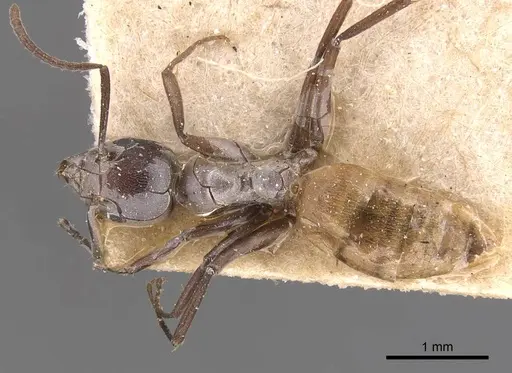
CASENT0909759
View on AntWeb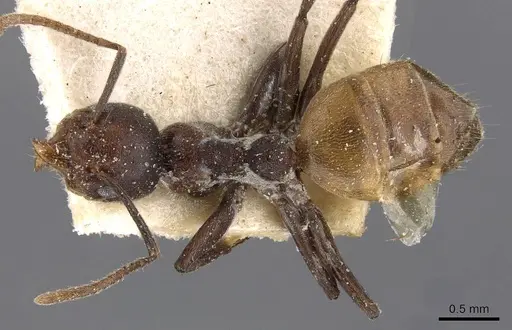
CASENT0909807
View on AntWeb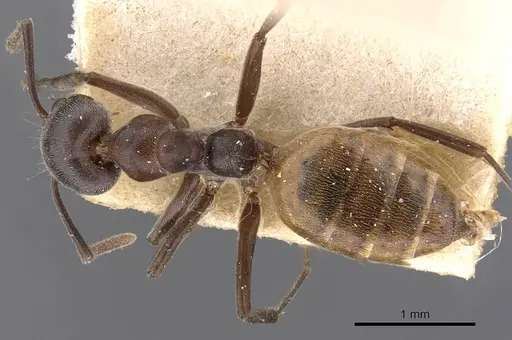
FOCOL2853
View on AntWeb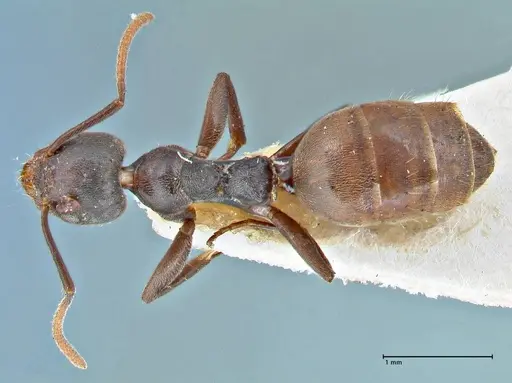
FOCOL2854
View on AntWeb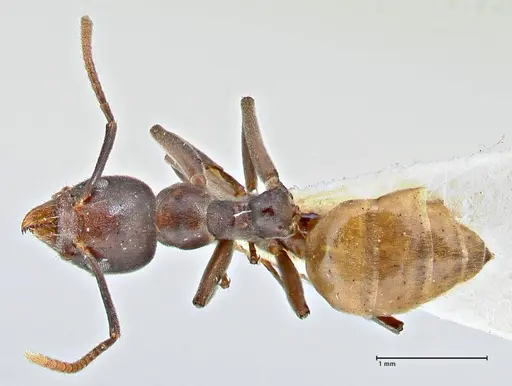
RMCAENT000017799
View on AntWeb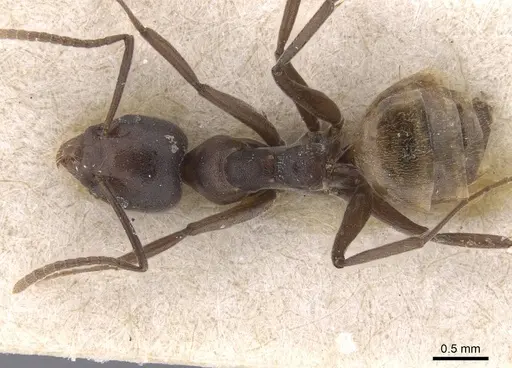
Literature
Loading distribution map...Loading products...