
Technomyrmex parviflavus
- Sci. Name
- Technomyrmex parviflavus
- Tribe
- Tapinomini
- Subfamily
- Dolichoderinae
- Author
- Bolton, 2007
- Distribution
- Found in 3 countries
Introduction
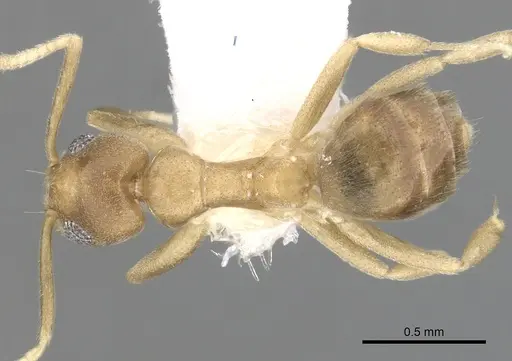
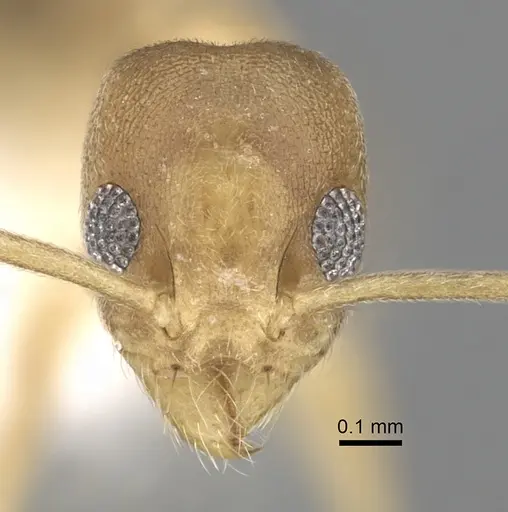
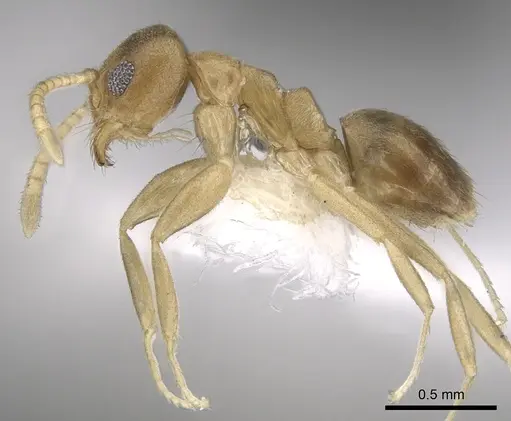
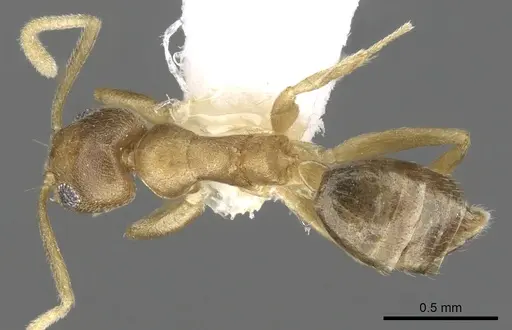
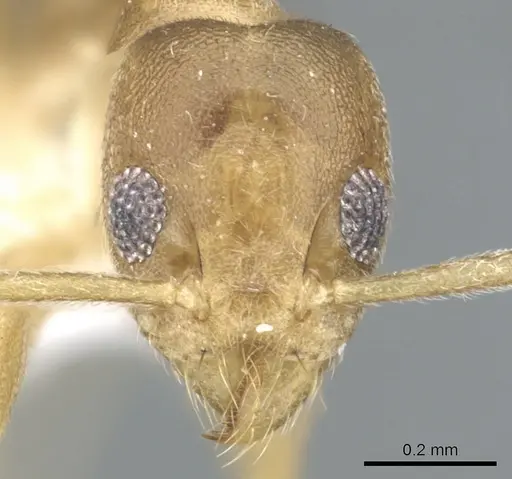
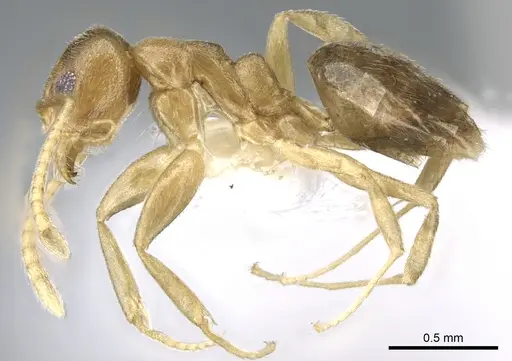
Technomyrmex parviflavus is a small, slender ant from the Dolichoderinae subfamily. Its name combines 'parvus' (small) and 'flavus' (yellow), so workers are tiny and yellowish to light brown. This species is native to central Africa, with a documented record from Ituri province in the Democratic Republic of Congo . Like other dolichoderines, they lack a functional sting. Instead, they defend themselves by exuding a sticky, foul-smelling substance from an anal gland (a defense known as 'smear'). They are typically found in forested areas, and some Technomyrmex species also nest in human structures.
Quick Summary
- Difficulty: Easy
- Origin & Habitat: Democratic Republic of Congo (Ituri province) [1]. In nature, Technomyrmex species nest in forests, under stones, in rotting wood, or in cavities. Some are comfortable in human-modified environments.
- Colony Type: Colony structure is undocumented for this species. Some Technomyrmex species have a single queen (monogyne), others have multiple queens (polygyne). The social structure of Technomyrmex parviflavus is unconfirmed.
- Size & Growth:
- Queen: Estimated 5-7 mm based on genus typical sizes
- Worker: Estimated 2-3 mm based on genus typical sizes
- Colony: Likely up to several hundred workers at maturity (estimated from genus patterns)
- Growth: Moderate, inferred from related species
- Development: Estimated 6-8 weeks at tropical temperatures (24-28°C) based on typical Dolichoderinae development (Development time is inferred from genus-level data, specific timing for this species is unconfirmed)
- Antkeeping:
- Temperature: Keep at 24-28°C. These are tropical ants that prefer warm conditions. A heating cable on one side of the nest can create a suitable gradient.
- Humidity: Moderate humidity. Keep the nest substrate slightly moist but not waterlogged. Provide a water source.
- Diapause: Unlikely required, as a tropical species, they probably do not need a true hibernation period. Reduced activity may occur at cooler temperatures, but a cold winter rest is not needed.
- Nesting: Y-tong (AAC) nests work well for these small ants. They also do well in test tube setups or plaster nests. Provide moderate humidity and avoid overly dry conditions.
- Behavior: Technomyrmex parviflavus is generally calm and not aggressive. Workers are small but active foragers. They primarily feed on honeydew, sugar sources, and small insects. When threatened, they exude a sticky, foul-smelling substance from their anal glands as a defense, this is a minor irritant, not dangerous. Their very small size means they can escape through tiny gaps, so excellent escape prevention is essential.
- Common Issues: escape prevention is critical due to their very small size, use fine mesh and tight-fitting lids, tropical species may struggle in cool rooms below 22°C, colonies can be slow to establish initially, patience is needed during founding, may decline sugar water if not accustomed to it, offer variety in diet, wild-caught colonies may carry parasites that can cause colony failure
Housing and Nest Setup
Technomyrmex parviflavus is a small ant that does well in various nest types. Y-tong (AAC) nests are excellent because they hold humidity well and provide appropriately scaled chambers for these tiny ants. Test tube setups also work well for founding colonies, place the queen in a test tube with a water reservoir and cotton plug, then wrap the tube in dark material for privacy. For larger colonies, plaster nests or Y-tong nests are suitable as long as humidity is maintained. The key is providing appropriately sized chambers, too large and the ants may feel exposed, too small and they won't have room to expand. A small outworld for foraging allows you to offer food without disturbing the nest.
Feeding and Diet
Like other Technomyrmex species, these ants are omnivorous with a preference for sweet liquids. Offer sugar water, honey diluted with water, or commercial ant nectar as a constant food source. For protein, provide small insects like fruit flies, small mealworms, or cricket pieces. They are not large predators, so prey should be appropriately sized to their worker size. Some keepers report that Technomyrmex species readily accept protein but can be picky about sugar sources, if one type is refused, try another. Offer protein 2-3 times per week, and keep sugar available at all times. Remove uneaten prey after 24-48 hours to prevent mold.
Temperature and Seasonal Care
As a tropical African species, Technomyrmex parviflavus prefers warm conditions. Keep the nest area at 24-28°C for optimal colony development. A heating cable placed on one side of the nest creates a temperature gradient that allows ants to self-regulate. Avoid temperatures below 22°C for extended periods, this species is not cold-tolerant and may experience colony decline. Unlike temperate species, they do not require a diapause period. During cooler months, simply reducing temperature slightly to around 20-22°C may slow activity naturally, but a true hibernation is not necessary or recommended.
Behavior and Temperament
Technomyrmex parviflavus is a calm, non-aggressive species suitable for antkeepers of all experience levels. Workers are small but numerous and actively forage for food. When threatened, they exude a sticky, foul-smelling substance from an anal gland, this causes minor skin irritation but is not dangerous to humans. Their small size means they are excellent escape artists. Always use fine mesh (0.5mm or smaller) on any ventilation holes, and ensure all lids fit tightly. These ants are diurnal and will show regular activity patterns in the outworld. They are not known for biting, making them a relatively safe species to handle if necessary.
Colony Establishment and Growth
A founding queen likely seals herself into a small chamber and lays eggs while living on her stored fat reserves, this is typical claustral founding for many dolichoderines. After an estimated 3-6 weeks (depending on temperature), the first nanitic workers will emerge. These first workers are smaller than mature workers but will begin foraging to support the colony. Growth is moderate, expect the colony to reach up to 100 workers within the first year under good conditions. Colonies may eventually reach several hundred workers. Patience is important during the founding phase as the queen is vulnerable and disturbances can cause abandonment of brood.
Frequently Asked Questions
How long does it take for Technomyrmex parviflavus to get first workers?
From egg to first worker typically takes an estimated 6-8 weeks at optimal temperatures of 24-28°C. The exact timing depends on temperature, warmer conditions speed development, cooler conditions slow it. The queen likely claustrally seals herself until her first workers emerge.
Can I keep Technomyrmex parviflavus in a test tube?
Yes, test tubes work well for founding colonies. Use a standard test tube with a water reservoir and cotton plug. Keep it dark and undisturbed during the founding phase. Once the colony has around 20 workers, consider moving to a larger nest like a Y-tong or plaster formicarium.
What do Technomyrmex parviflavus eat?
They are omnivorous with a sweet tooth. Offer sugar water, honey water, or commercial ant nectar regularly. For protein, provide small insects like fruit flies, small mealworms, or cricket pieces. Remove uneaten prey after a day or two.
Are Technomyrmex parviflavus good for beginners?
Likely yes, they are calm, don't sting, and have straightforward care requirements. The main challenge is their small size requiring good escape prevention. They adapt well to captive conditions and are forgiving of minor care mistakes.
How big do Technomyrmex parviflavus colonies get?
Based on genus patterns, colonies likely reach up to several hundred workers at maturity. The exact maximum is unconfirmed for this species, but expect a moderately sized colony rather than massive supercolonies.
Do Technomyrmex parviflavus need hibernation?
No, as a tropical African species, they do not require hibernation or diapause. They may show reduced activity in cooler conditions, but a true winter rest is not necessary or recommended.
Why are my Technomyrmex parviflavus escaping?
Their small size makes them excellent escape artists. Use fine mesh (0.5mm or smaller) on all ventilation, ensure lids fit tightly, and apply fluon or other barriers to escape-prone areas. Check all connections between nest and outworld for gaps.
When should I move my colony to a formicarium?
Move to a larger nest when the colony reaches around 20 workers or when the test tube shows signs of mold from excess moisture or uneaten food. Y-tong or plaster nests work well as they provide good humidity control.
Can I keep multiple Technomyrmex parviflavus queens together?
This is not recommended, while colony structure is undocumented for this species, combining unrelated queens typically leads to fighting. Start with one queen for your founding colony.
Report an Issue
The current care sheet is based fully on literature. See inconsistencies, or something that's incorrect? Please , it will be resolved after review from an admin. Contributing to the blogs tab also helps providing information, to make us be able to further improve the caresheets. Thank you for your support!
References

This caresheet is licensed under CC BY-SA 4.0 .
Community Blogs
Literature
Loading distribution map...Loading products...