
Technomyrmex moerens
- Sci. Name
- Technomyrmex moerens
- Tribe
- Tapinomini
- Subfamily
- Dolichoderinae
- Author
- Santschi, 1913
- Distribution
- Found in 5 countries
Introduction
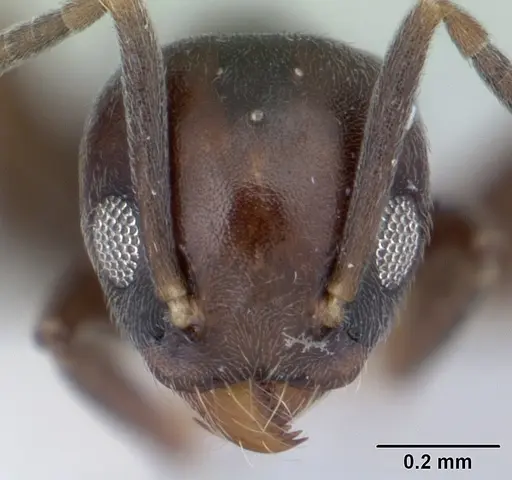
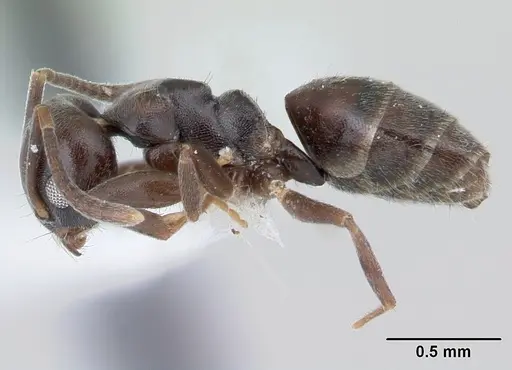
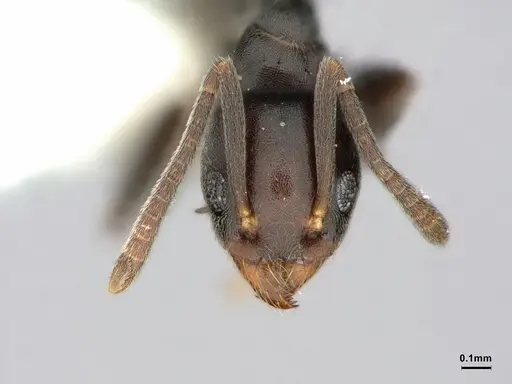
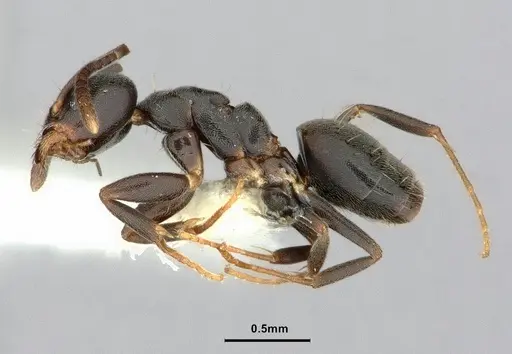
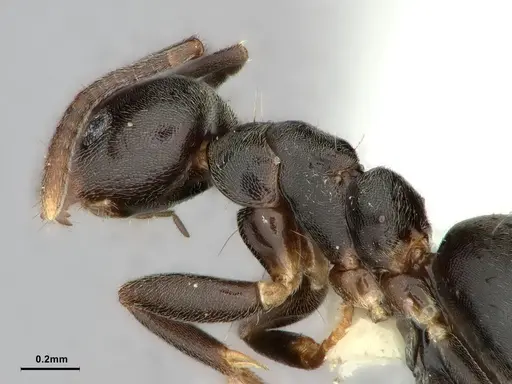
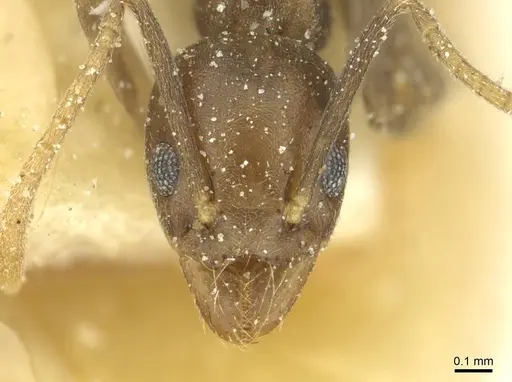
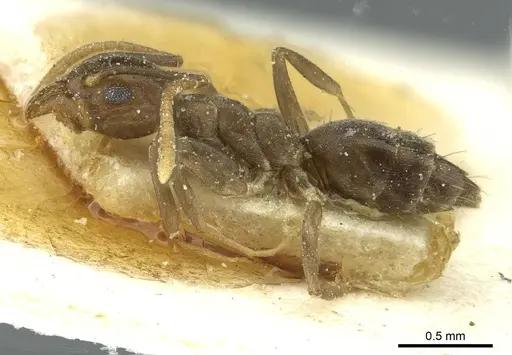
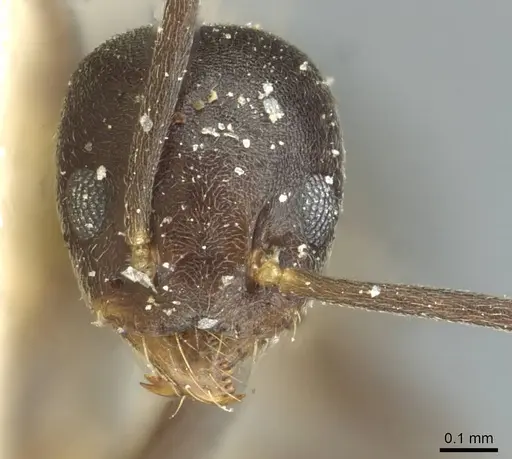
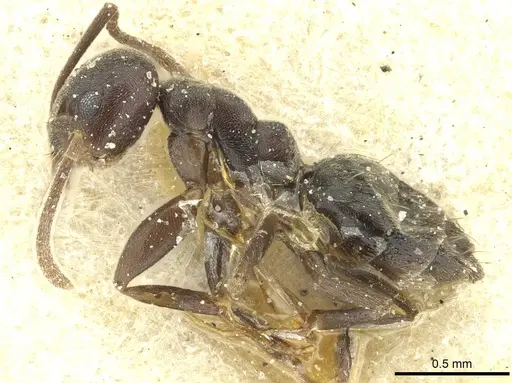
Technomyrmex moerens is a small, dark brown to black ant. Workers measure 2.4–3.1mm in total length . It belongs to the subfamily Dolichoderinae, which means workers lack a functional stinger and instead defend themselves by exuding sticky, foul-smelling secretions from an anal gland (smear defense). This species is part of the Technomyrmex albipes group and is widely distributed across sub-Saharan Africa, recorded in countries including Ghana, Nigeria, Congo, Kenya, and Tanzania . Workers have long setae (hairs) on the first gastral segment, usually longer than the maximum diameter of their eye, and they lack setae on the propodeal declivity . A notable trait is that worker-queen intercastes (intermediate forms between workers and queens) are common, giving the colony flexible caste development . In the wild, T. moerens nests in wood – either fallen timber or twigs and branches of standing trees – and forages both on the ground and in trees. It is particularly common in cocoa plantations in Ghana .
Quick Summary
- Difficulty: Easy
- Origin & Habitat: Sub-Saharan Africa – found in forest and woodland zones across countries including Ghana, Nigeria, Congo, Kenya, Tanzania, Uganda, and others [1]. Nests in wood, such as fallen timber or twigs/branches of standing trees [1].
- Colony Type: Colony structure is not directly documented. Based on the genus Technomyrmex, it is likely monogyne (single queen), but this is unconfirmed. Worker-queen intercastes occur commonly, meaning some workers develop queen-like traits [1].
- Size & Growth:
- Queen: Unknown – not documented. Estimates based on related species suggest around 4–5mm, but this is speculative.
- Worker: 2.4–3.1mm [1] (total length)
- Colony: Unknown from direct studies. Based on related species, likely up to several hundred workers. This is an estimate.
- Growth: Moderate – estimated from typical tropical Dolichoderinae development.
- Development: 6–8 weeks (estimated based on typical tropical Dolichoderinae development at 24–28°C) (Development time is not directly studied for this species – this is an estimate.)
- Antkeeping:
- Temperature: Keep at 24–28°C. This is a tropical species from sub-Saharan Africa. A heating cable on one side of the nest can create a gradient if room temperature is lower (inferred from habitat).
- Humidity: Maintain moderate to high humidity. These ants nest in wood, so the nest material should be damp but not waterlogged. Provide a water tube as a moisture source and mist occasionally (inferred from natural nesting in rotting wood).
- Diapause: Unlikely required – as a tropical species from sub-Saharan Africa, they do not experience prolonged cold periods. A slight reduction to around 20–22°C during winter months may be beneficial if kept in temperate climates, but this is optional (inferred from tropical origin).
- Nesting: Use a wood-based nest setup – these ants naturally nest in rotting wood and twigs. A Y-tong (AAC) nest, plaster nest with wood insert, or naturalistic setup with wood pieces works well. Avoid completely dry conditions (inferred from natural nesting in wood).
- Behavior: Workers are active foragers that search both on the ground and in vegetation. They are not aggressive and rely on smear defense (exuding sticky, foul-smelling secretions from the anal gland) as their primary defense (standard for Dolichoderinae). They are small ants but not particularly prone to escaping – standard escape prevention with fluon on test tube barriers is sufficient. They likely tend aphids and collect honeydew (inferred from Dolichoderinae foraging patterns). Worker-queen intercastes are common, adding flexibility to colony dynamics [1].
- Common Issues: mold growth in the nest if humidity is too high or ventilation is poor – ensure some airflow, colonies may struggle if kept too cold – maintain temperatures above 22°C, small colony size initially means founders are vulnerable – keep founding queens in quiet, dark locations, escape prevention should still be used despite their moderate size – they can squeeze through small gaps
Housing and Nest Setup
Technomyrmex moerens naturally nests in wood, so a wood-based captive environment works best [1]. A Y-tong (AAC) nest with a water chamber to maintain humidity, a plaster nest with wood inserts, or a naturalistic setup with pieces of rotting wood all work well. The nest should be kept humid but with some ventilation to prevent mold. These ants are small (under 3mm) so the nest chambers should be appropriately scaled. Provide an outworld area for foraging – a simple plastic box or glass jar works as a foraging arena. Use a test tube with a water reservoir for the founding queen, connected to the nest once the colony grows (inferred from natural nesting behavior).
Feeding and Diet
Like most Dolichoderinae ants, T. moerens is likely a generalist feeder. In the wild, they forage both on the ground and in trees, suggesting they collect honeydew from aphids and scale insects, and hunt small insects and arthropods. In captivity, offer a varied diet: sugar water or honey as an energy source, and small protein sources like fruit flies, small crickets, or mealworm pieces. They are small ants, so prey items should be appropriately sized. Remove uneaten prey after 24–48 hours to prevent mold. They likely accept most standard ant foods but may prefer liquid sugar sources (inferred from foraging behavior).
Temperature and Seasonal Care
As a species from sub-Saharan Africa, Technomyrmex moerens prefers warm conditions. Keep the nest and foraging area at 24–28°C for optimal colony development. A slight temperature gradient (warm end around 28°C, cooler end around 24°C) allows ants to regulate their own temperature. If your room temperature is below this range, use a heating cable on one side of the nest – place it on top of the nest, not underneath, to avoid evaporating moisture too quickly. Since this is a tropical species, diapause is not strictly required, but a slight reduction to around 20–22°C during winter months may simulate natural seasonal changes if you live in a temperate region. Avoid temperatures below 20°C for extended periods (inferred from African distribution).
Behavior and Colony Dynamics
This species has an interesting trait: worker-queen intercastes are common, meaning some workers develop queen-like characteristics including ocelli (simple eyes) and a slightly differentiated mesonotum [AntWiki
Report an Issue
The current care sheet is based fully on literature. See inconsistencies, or something that's incorrect? Please , it will be resolved after review from an admin. Contributing to the blogs tab also helps providing information, to make us be able to further improve the caresheets. Thank you for your support!
References

This caresheet is licensed under CC BY-SA 4.0 .
Community Blogs
CASENT0178277
View on AntWeb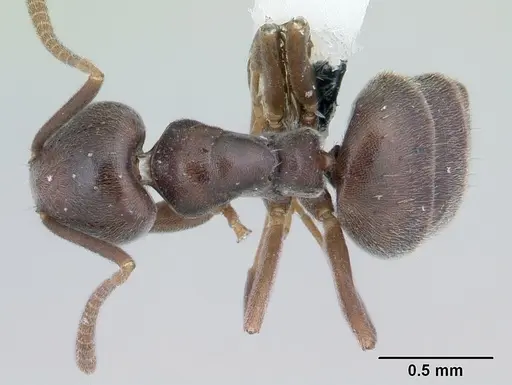
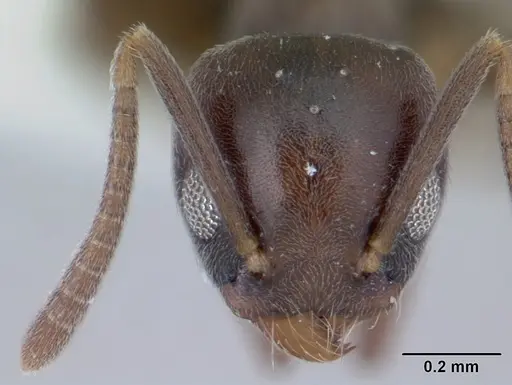
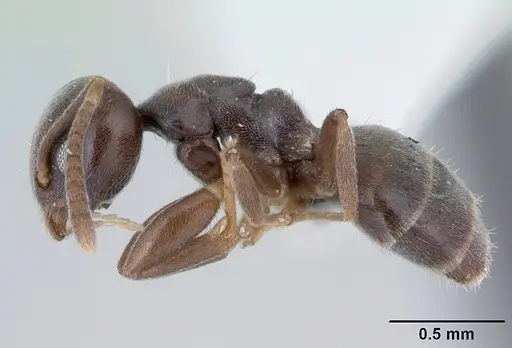
CASENT0178278
View on AntWeb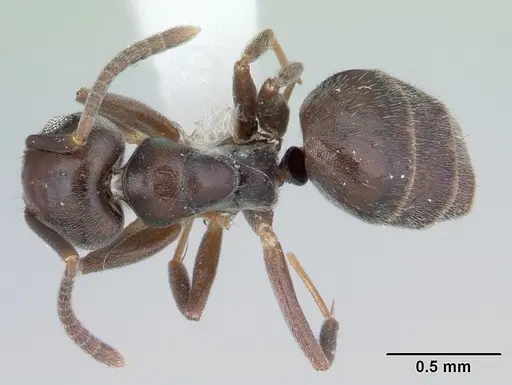
CASENT0217127
View on AntWeb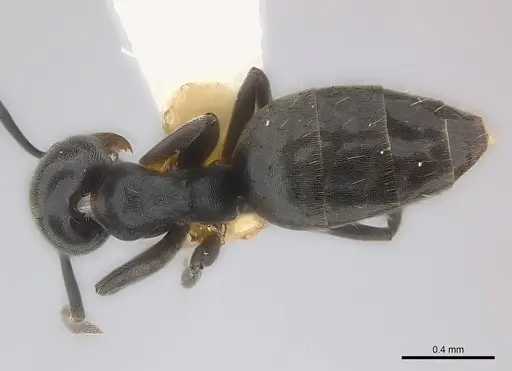
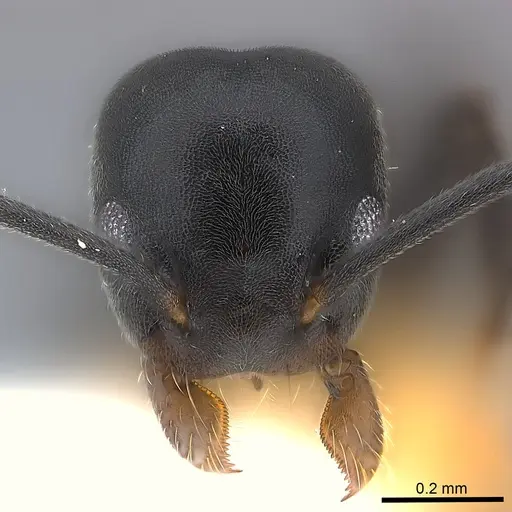
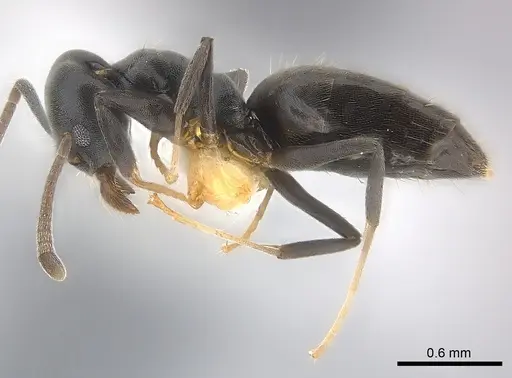
CASENT0235732
View on AntWeb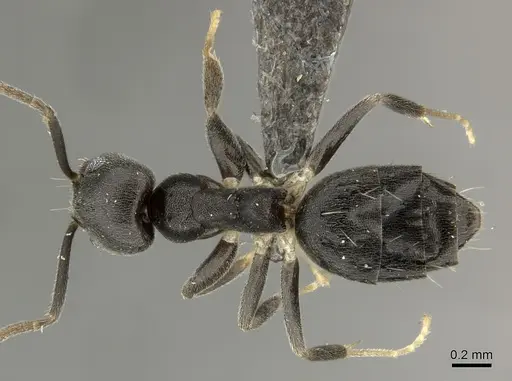
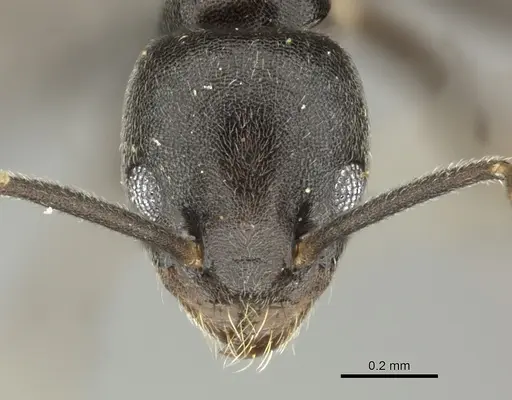
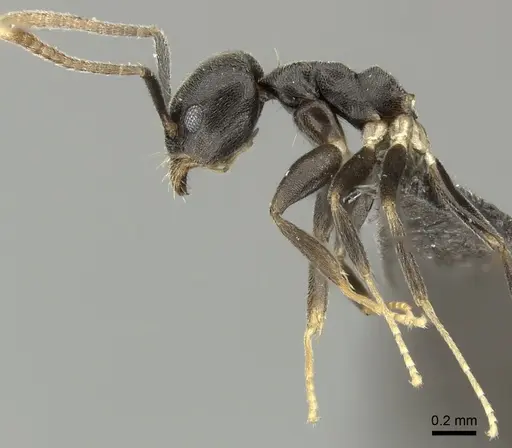
CASENT0249796
View on AntWeb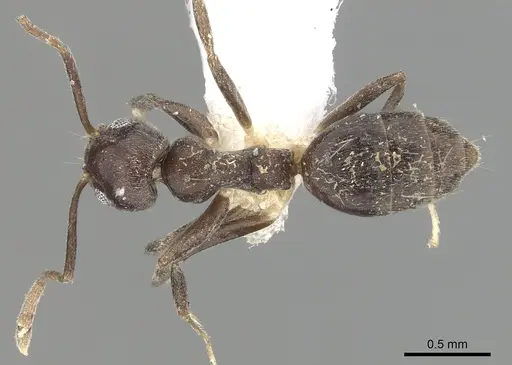
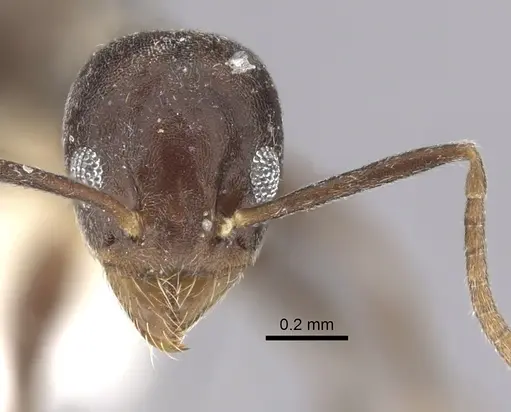
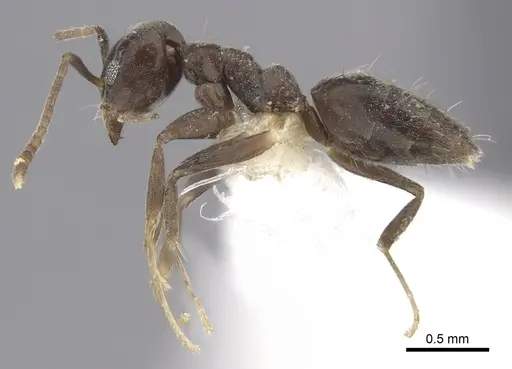
CASENT0886033
View on AntWeb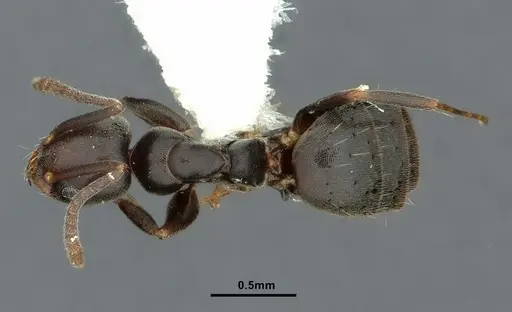
CASENT0911589
View on AntWeb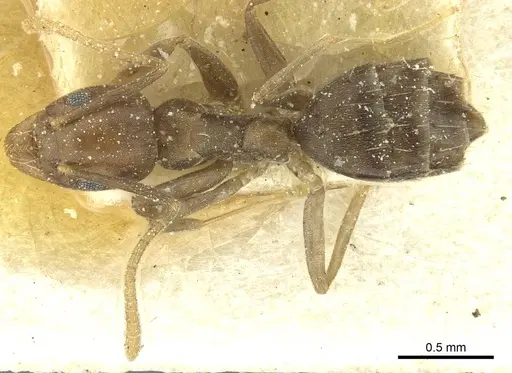
CASENT0911590
View on AntWeb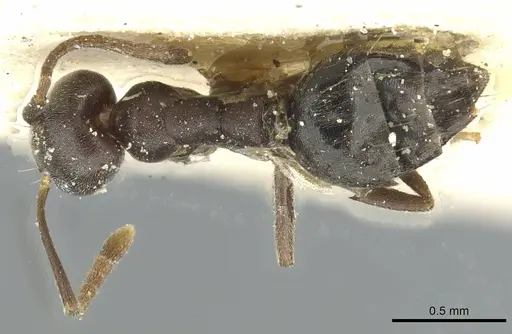
Literature
Loading distribution map...Loading products...