
Technomyrmex madecassus
- Sci. Name
- Technomyrmex madecassus
- Tribe
- Tapinomini
- Subfamily
- Dolichoderinae
- Author
- Forel, 1897
- Distribution
- Found in 3 countries
Introduction
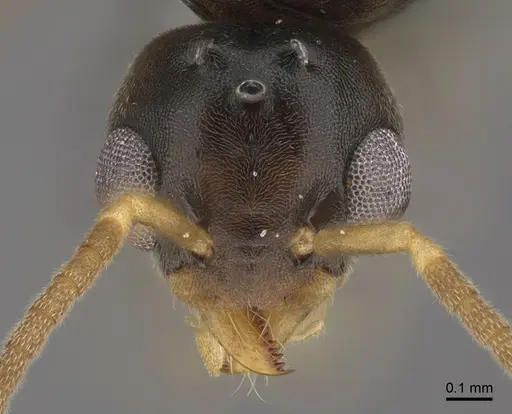
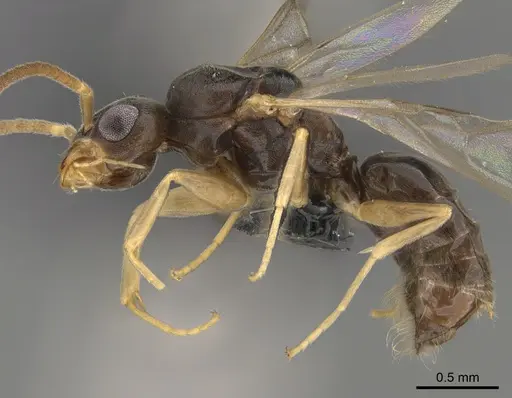
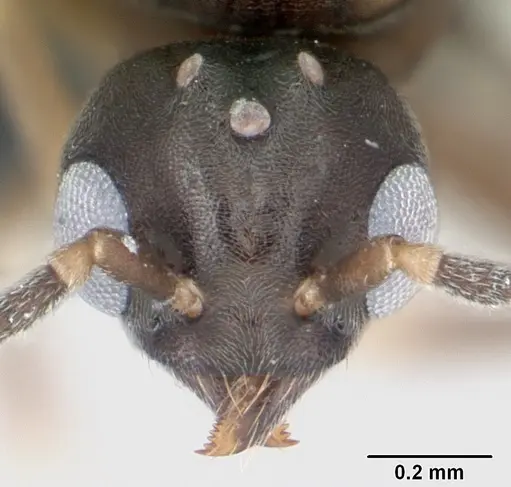
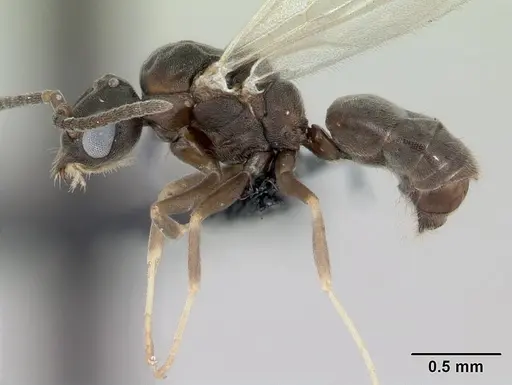
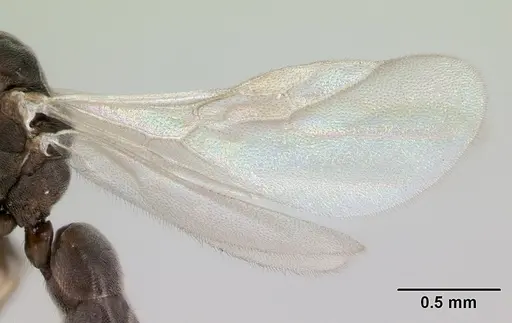
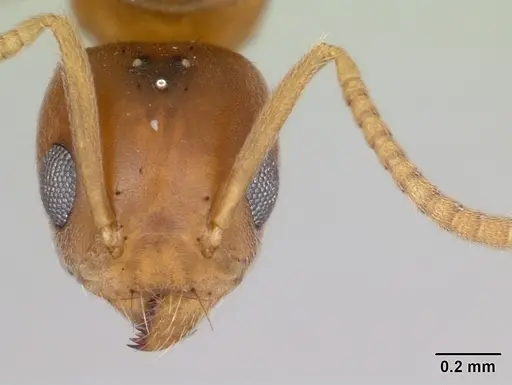
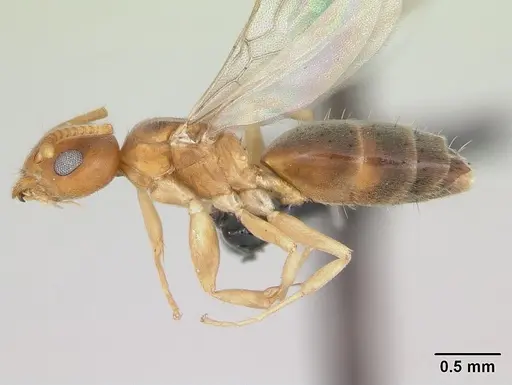
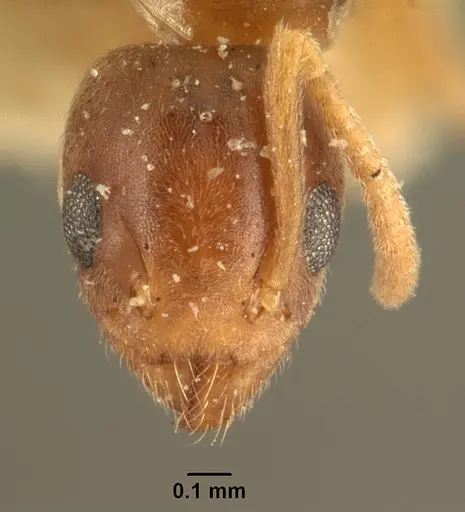
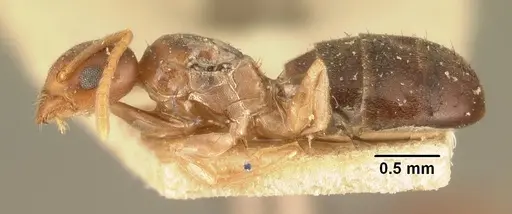
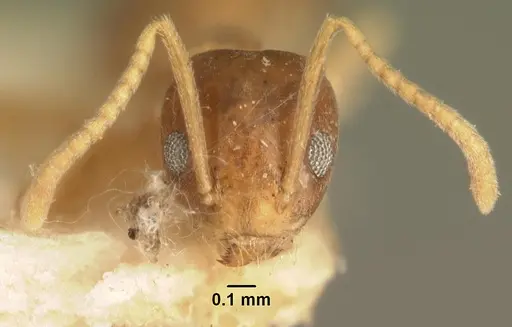
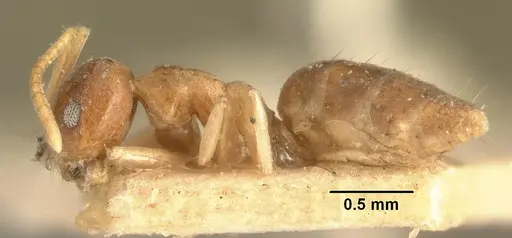
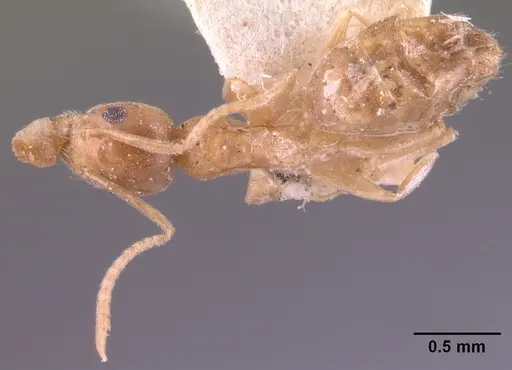
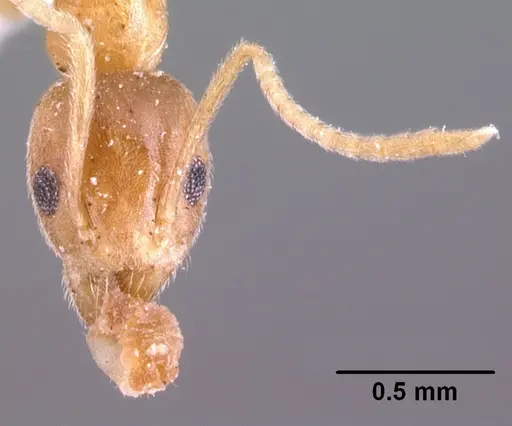
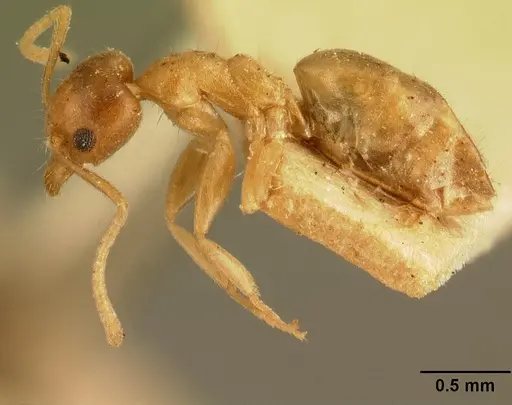
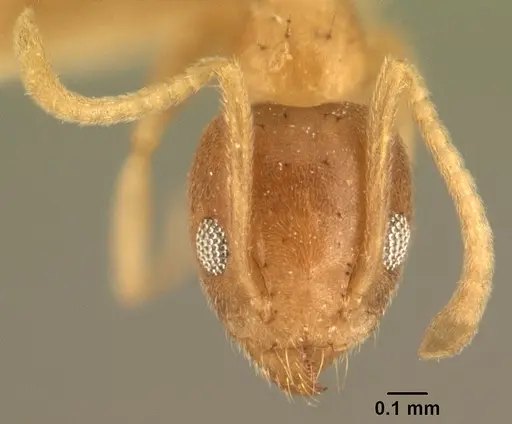
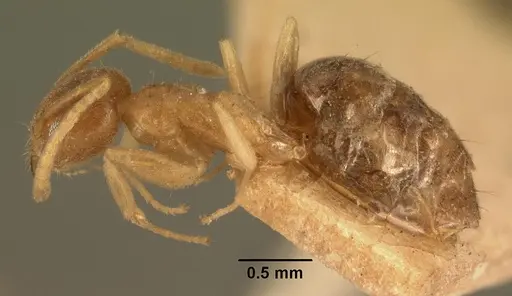
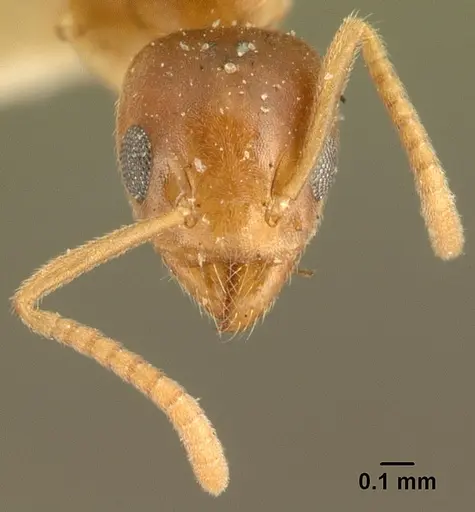
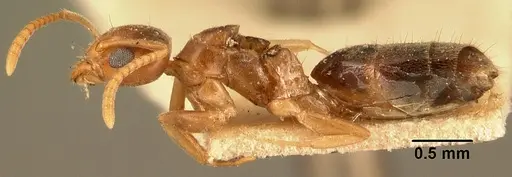
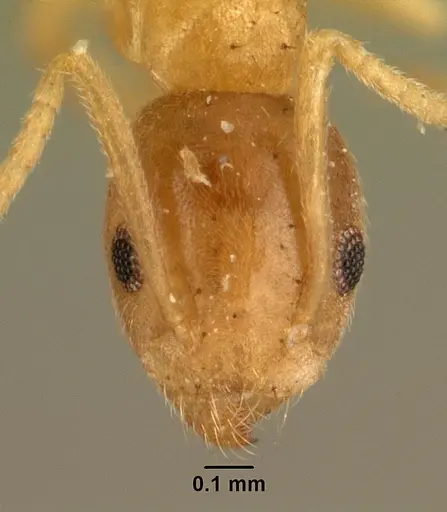
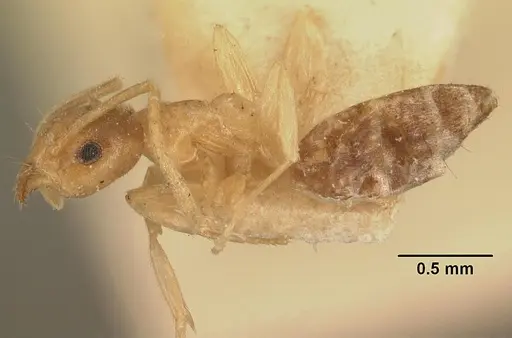
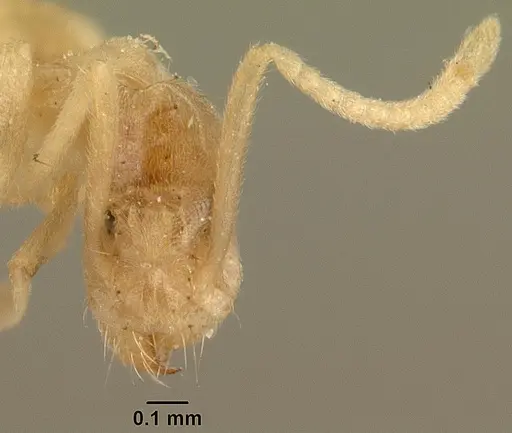
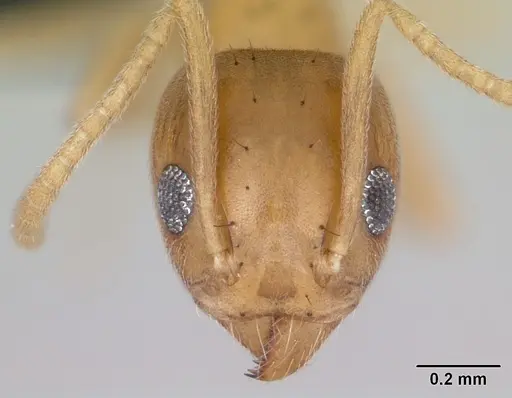
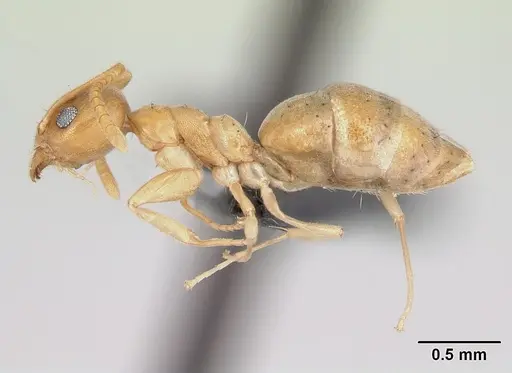
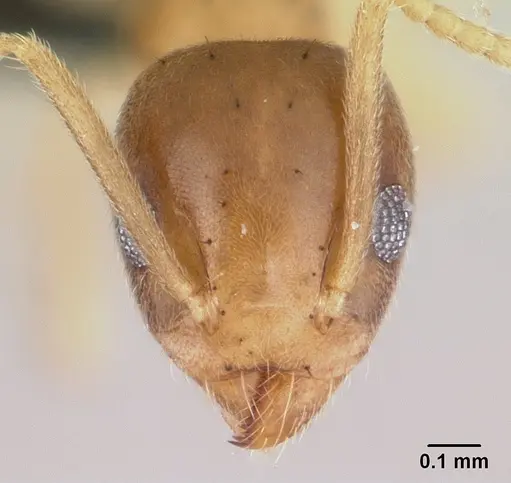
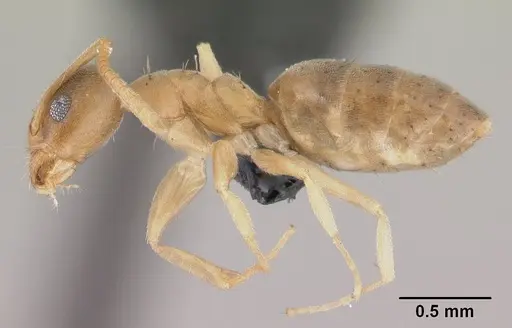
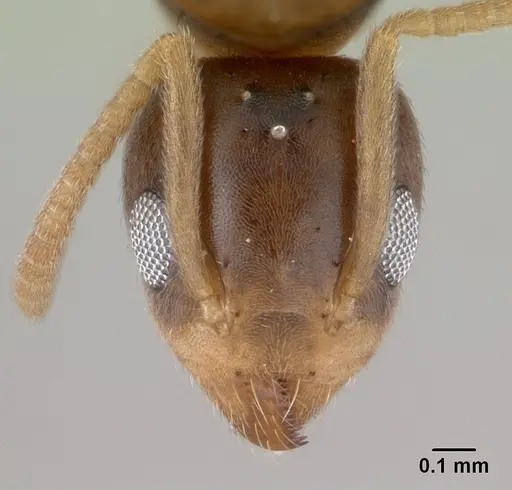
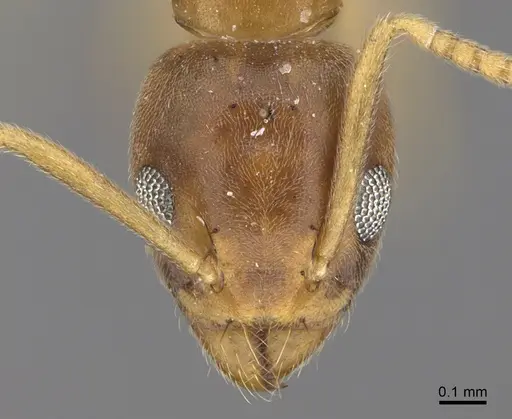
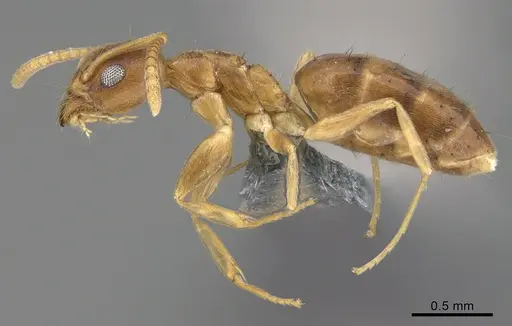
Technomyrmex madecassus is a small dolichoderine ant native to Madagascar, Comoros, and Mayotte. Workers are yellow to brownish-yellow, often with the head or gaster darker than the mesosoma, and measure 2.2–3.1 mm in total length . They are found in both humid forests and drier deciduous woodlands, nesting in leaf litter, fallen twigs, rotten logs, tree stumps, and arboreal branches . What makes this species interesting is the presence of worker-queen intercastes alongside normal winged queens, a trait it shares with its close relatives . This means some workers can develop queen-like features, adding an extra layer of complexity to colony structure.
Quick Summary
- Difficulty: Easy
- Origin & Habitat: Native to Madagascar, Comoros, and Mayotte. Type locality: Nossi-Bé (Nosibé) [4][5]. Inhabits tropical forests, including dry deciduous forest and grassland edges. Nests on the forest floor in leaf litter, rotten wood, and tree stumps, as well as in tree branches and twigs [1][2]. Habitat preferences include both dry and humid sites, and both terrestrial and arboreal foraging [3].
- Colony Type: Colony structure is not fully documented. Like other Technomyrmex, colonies likely have single or multiple queens. Worker-queen intercastes (intermediate forms) occur alongside alate queens [1].
- Size & Growth:
- Queen: No body size data available in literature. Queen size unknown.
- Worker: 2.2–3.1 mm (total length) [1]
- Colony: Colony size not documented. Based on similar Technomyrmex species, likely reaches several hundred workers at most.
- Growth: Moderate (estimated based on tropical origin)
- Development: Estimated 6–8 weeks under warm conditions (no species-specific data) (Development likely faster than temperate species, consistent warmth helps.)
- Antkeeping:
- Temperature: These are tropical ants from Madagascar – keep warm year-round. Recommended range: 24–28°C, using a heating cable to create a gradient. Avoid temperatures below 20°C or above 32°C. Species-specific data not available, guidance based on natural habitat [1].
- Humidity: Moderate to high humidity. In nature they occur in both humid forest and dry deciduous forest [2][3]. Keep the nest substrate moist but not waterlogged, with a drier area available. Use a water tube or moist cotton to maintain moisture.
- Diapause: No – tropical species, no hibernation needed. Maintain warm conditions year-round.
- Nesting: Highly adaptable. Will accept test tubes, Y-tong (AAC), plaster, or naturalistic setups. Provide both ground-level chambers and vertical space – they nest in rotting wood and twigs in the wild [1]. Wood-based or plaster nests with bark pieces work well.
- Behavior: Generally calm and non-aggressive. Workers are active foragers on the ground and vegetation. Their small size (2.2–3.1 mm) means escapes are easy without fine mesh barriers. When threatened, they exude sticky, foul-smelling anal gland secretions (typical of Dolichoderinae) instead of stinging. Not highly defensive, but avoid disturbing the nest unnecessarily.
- Common Issues: small size makes escapes likely without fine mesh and tight seals, tropical species needs consistent warmth – cold snaps can weaken or kill colonies, overheating above 32°C can be fatal, wild-caught colonies may carry parasites, quarantine new colonies, test tube water reservoirs must be sized correctly to avoid flooding
Housing and Nest Setup
Technomyrmex madecassus is extremely adaptable in captivity. In the wild, they nest in leaf litter, rotten logs, twigs, and tree stumps on the forest floor, as well as in branches and twigs in trees [1]. For captive colonies, start with a test tube setup for founding. As the colony grows, move them to a Y-tong (AAC) or plaster nest with horizontal chambers and a vertical element. Naturalistic setups with soil, leaf litter, and pieces of rotting wood work well, but keep the nest sealed to prevent escapes. Always include a water source – a test tube or moist cotton – in a corner of the nest to maintain humidity. Whatever you choose, make sure there’s fine mesh on all ventilation holes, these ants can squeeze through gaps smaller than 1 mm.
Temperature and Heating
Being tropical, Technomyrmex madecassus needs warmth all year. Aim for 24–28°C in the nest area. Room temperature is okay if it stays above 22°C, but you’ll likely need a small heating cable during cooler months. Place the cable along one side of the nest so the ants can choose between warmer and cooler zones. Avoid direct sunlight – it can overheat the nest quickly. Temperatures above 32°C can kill brood and workers. Since no species-specific data exists, these guidelines are based on the ant’s tropical origin [1].
Feeding and Diet
Technomyrmex madecassus is a generalist forager. In the wild, they likely feed on honeydew, nectar, and small insects. For captive colonies, provide constant access to sugar water or honey water (changed every few days to prevent spoilage). Offer small protein sources like fruit flies, pinhead crickets, or chopped mealworms. Since they forage on both the ground and vegetation [1], scatter food at different heights in the outworld to encourage natural behavior. Remove uneaten prey after 24 hours to keep the setup clean. Feed small amounts frequently rather than one large meal.
Humidity and Water
These ants tolerate a range of moisture levels – they’ve been collected from humid forests and dry deciduous woodlands [2][3]. Maintain a humidity gradient in the nest: keep one area moist (damp substrate, but not standing water) and another area drier. A test tube with a cotton plug provides a constant moisture source. Mist the outworld lightly if you see workers clustering near dry areas. Avoid drying out the nest completely – that will quickly kill the colony – and avoid waterlogging, which can drown brood. Consistent moderate moisture is key.
Behavior and Temperament
Technomyrmex madecassus is a calm, non-aggressive ant. Workers are active foragers, constantly exploring on the ground and climbing vertical surfaces, reflecting their natural arboreal habits [1]. Their small size (2.2–3.1 mm) makes them seem timid, but they can become frantic if the nest is disturbed. As a Dolichoderinae, they lack a functional sting and instead release sticky, foul-smelling anal gland secretions when threatened – a chemical defense, not a painful one. They do not spray formic acid. Escape prevention is critical: use fluon, PTFE tape, or fine mesh on any openings. Workers are small enough to get through pinhole gaps.
Colony Development
Colony growth is moderate. Under optimal conditions (24–28°C), first workers (nanitics) should appear in about 6–8 weeks, though no species-specific data exists. After that, growth accelerates as the queen lays more eggs. Technomyrmex colonies do not reach the massive sizes of some other ant genera – at full size, expect several hundred workers at most. The presence of worker-queen intercastes has been documented [1]. These intercastes are normal and do not indicate anything is wrong with the colony. They may even help in reproduction if the primary queen dies, but that is not confirmed.
Frequently Asked Questions
How long does it take for Technomyrmex madecassus to raise first workers?
First workers likely appear in 6–8 weeks under warm conditions (24–28°C). This is an estimate based on typical tropical dolichoderine development – no species-specific timing is available.
What do Technomyrmex madecassus ants eat?
They are generalist feeders. Provide sugar water or honey water constantly, and offer small protein sources like fruit flies, pinhead crickets, or chopped mealworms. They forage actively on both ground and vegetation [1].
What temperature do Technomyrmex madecassus ants need?
Keep them at 24–28°C. These tropical ants from Madagascar need consistent warmth year-round. Use a heating cable to create a temperature gradient. Avoid temperatures below 20°C or above 32°C. No species-specific data exists – guidance based on tropical origin [1].
Are Technomyrmex madecassus good for beginners?
Yes, they are considered easy to keep. They adapt to various nest types, are peaceful, and don’t have demanding care. Their small size requires good escape prevention, but otherwise they are straightforward.
How big do Technomyrmex madecassus colonies get?
Colony size is not documented. Based on similar Technomyrmex species, they likely reach several hundred workers at most. They are not one of the large-colony ant species.
Do Technomyrmex madecassus need hibernation?
No. As a tropical species from Madagascar, they do not require diapause. Keep warm temperatures year-round.
Can I keep Technomyrmex madecassus in a test tube?
Yes, test tubes are ideal for founding colonies and small groups. Ensure the water reservoir is sized correctly to provide humidity without flooding. Use fine mesh on the opening to prevent escapes.
Why are my Technomyrmex madecassus escaping?
Their small size (2.2–3.1 mm) lets them squeeze through tiny gaps. Use tight lids, fine mesh on ventilation, and apply PTFE tape (fluon) around the outworld rim to stop escapes.
Where is Technomyrmex madecassus native to?
It is native to Madagascar, Comoros, and Mayotte [1]. Type locality: Nossi-Bé [4][5].
Report an Issue
The current care sheet is based fully on literature. See inconsistencies, or something that's incorrect? Please , it will be resolved after review from an admin. Contributing to the blogs tab also helps providing information, to make us be able to further improve the caresheets. Thank you for your support!
References

This caresheet is licensed under CC BY-SA 4.0 .
Community Blogs
CASENT0049658
View on AntWeb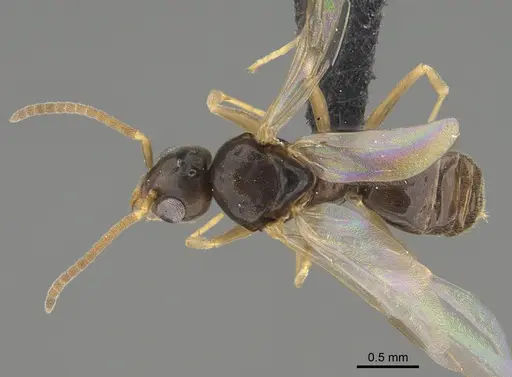

CASENT0049870
View on AntWeb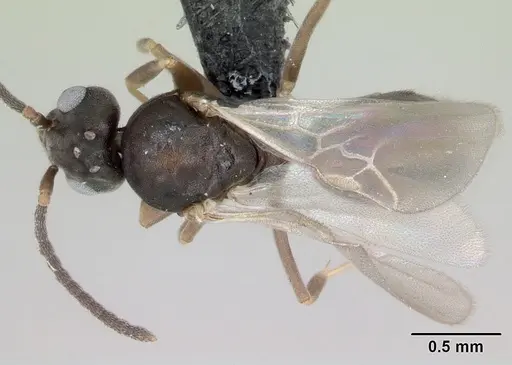
CASENT0082702
View on AntWeb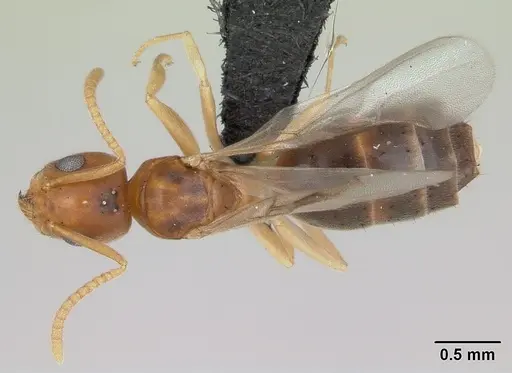
CASENT0101555
View on AntWeb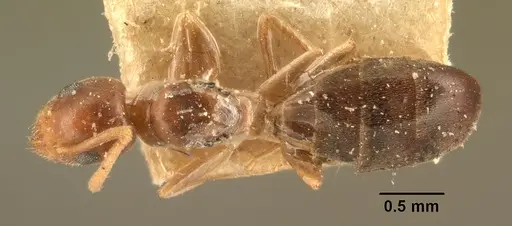
CASENT0101614
View on AntWeb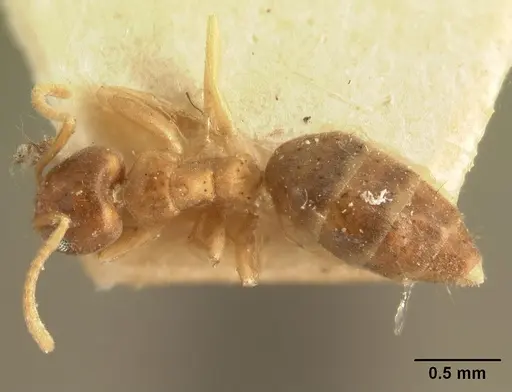
CASENT0101636
View on AntWeb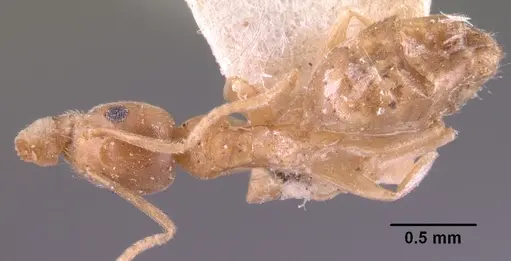
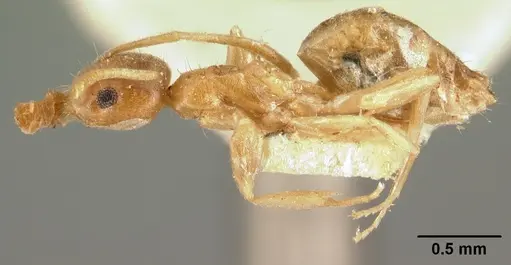
CASENT0101705
View on AntWeb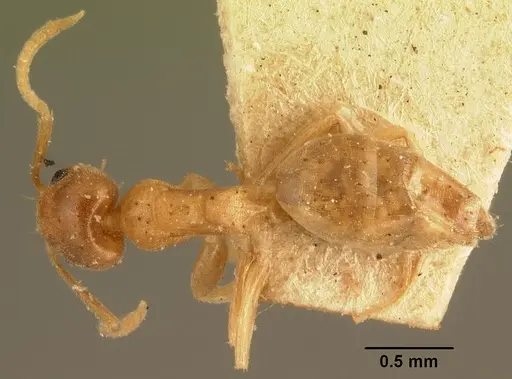
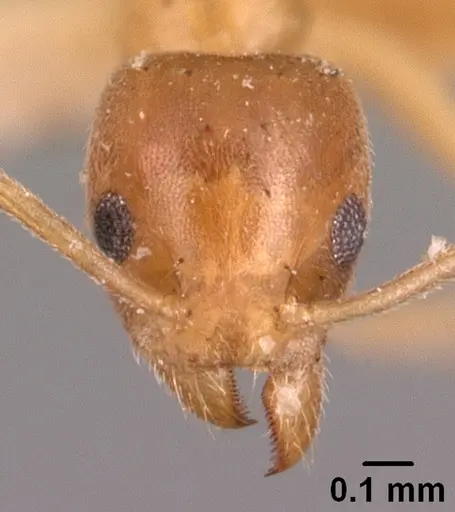
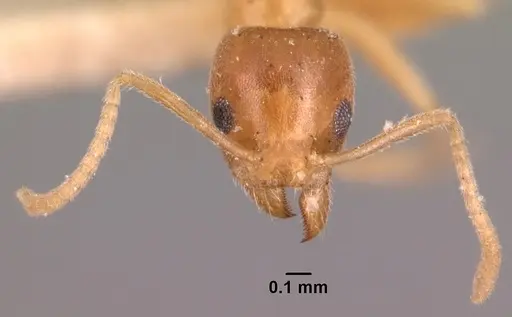
CASENT0101832
View on AntWeb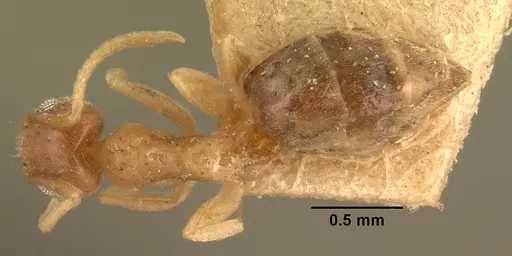
CASENT0101956
View on AntWeb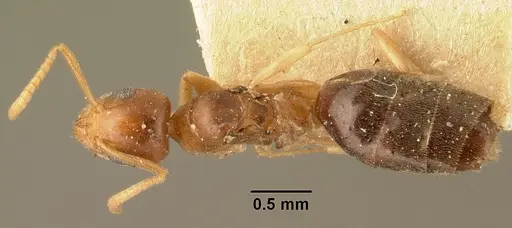
CASENT0101960
View on AntWeb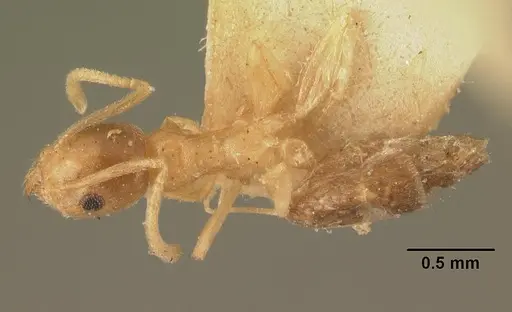
CASENT0101974
View on AntWeb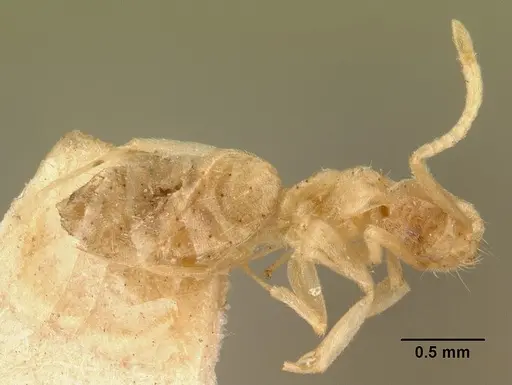
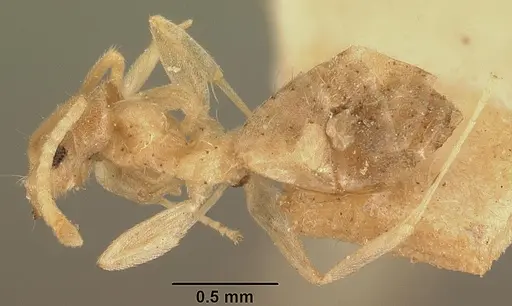
CASENT0104646
View on AntWeb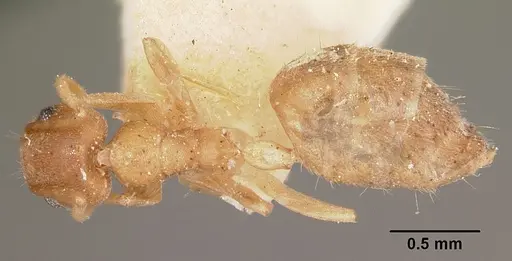
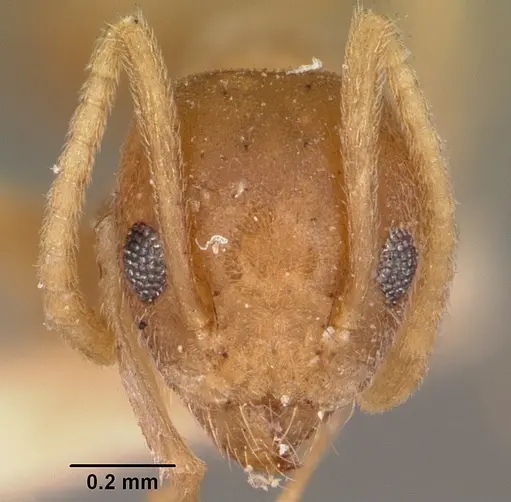
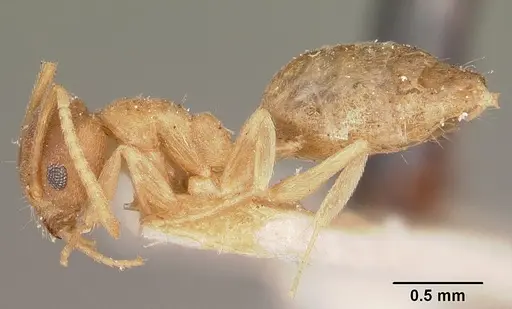
CASENT0128740
View on AntWeb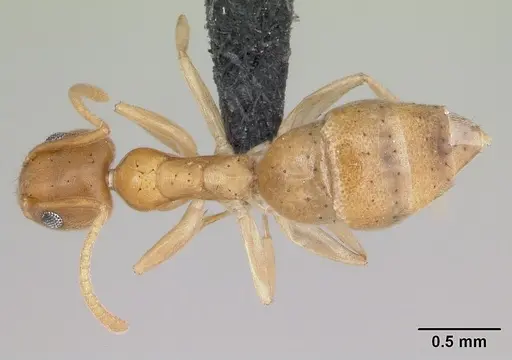
CASENT0146307
View on AntWeb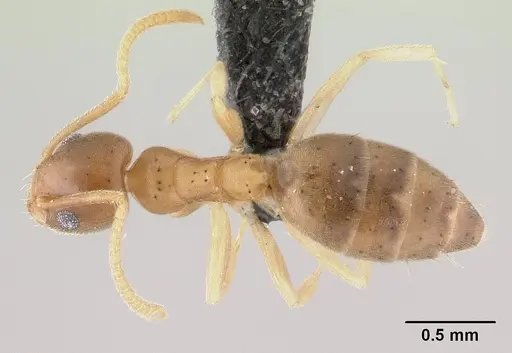
CASENT0146311
View on AntWeb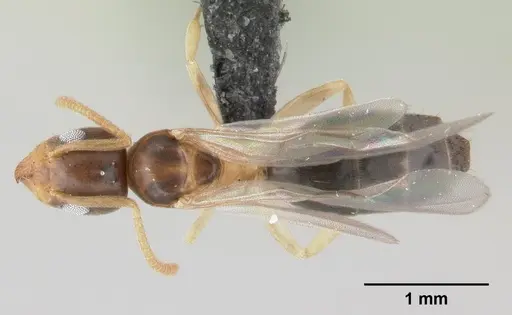
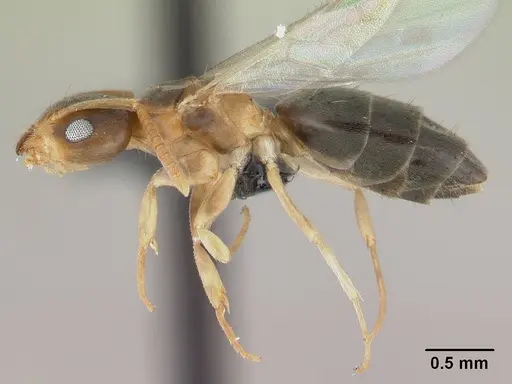
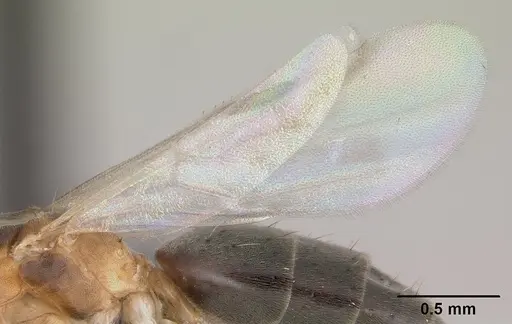
CASENT0345043
View on AntWeb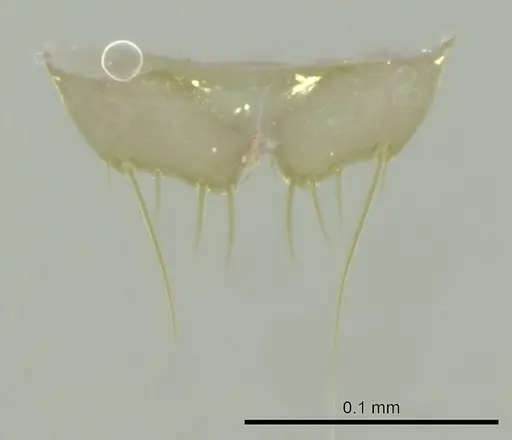
CASENT0345044
View on AntWeb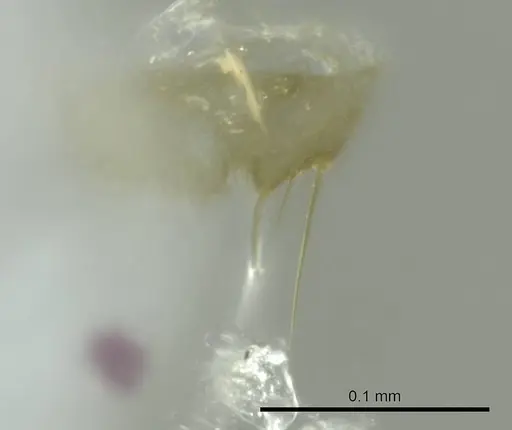
CASENT0345045
View on AntWeb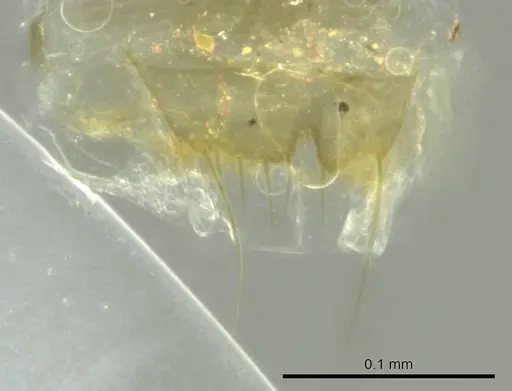
CASENT0345046
View on AntWeb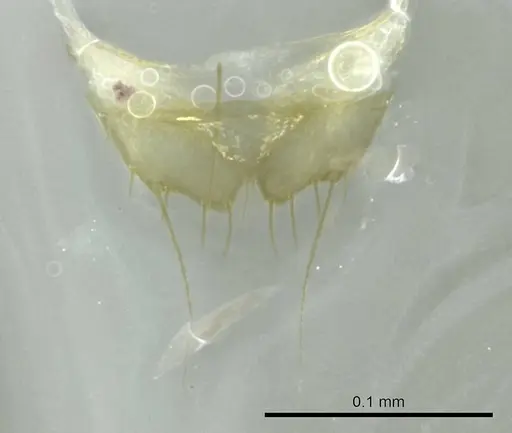
CASENT0345047
View on AntWeb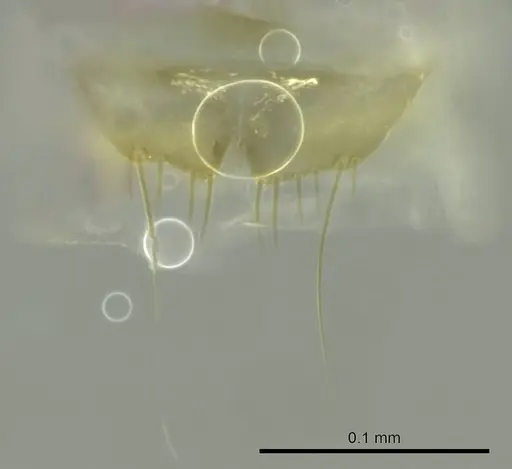
CASENT0345048
View on AntWeb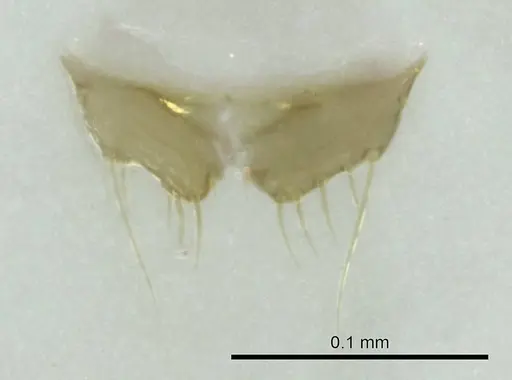
CASENT4023437
View on AntWeb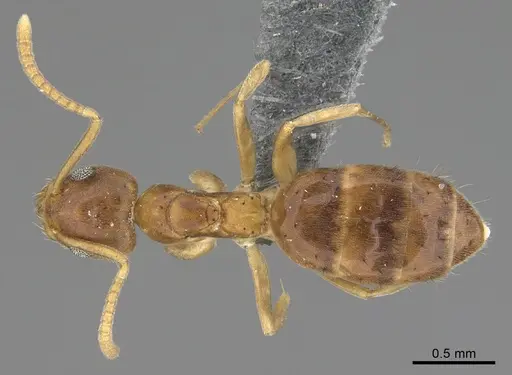
Literature
Loading distribution map...Loading products...