
Technomyrmex laurenti
- Sci. Name
- Technomyrmex laurenti
- Tribe
- Tapinomini
- Subfamily
- Dolichoderinae
- Author
- Emery, 1899
- Distribution
- Found in 1 countries
Introduction
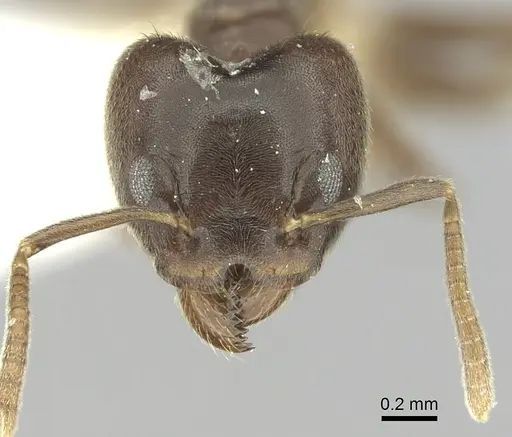
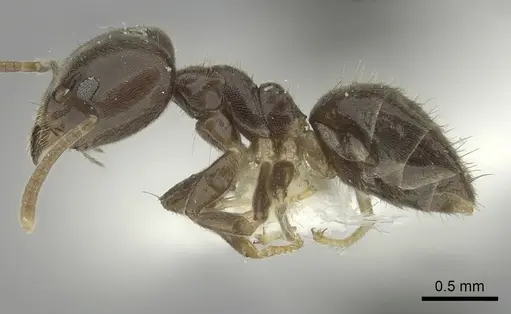
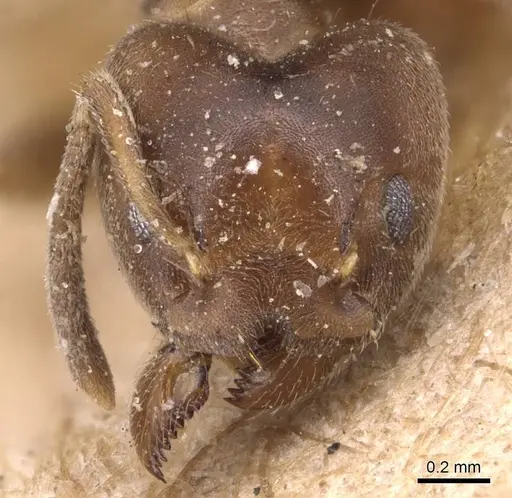
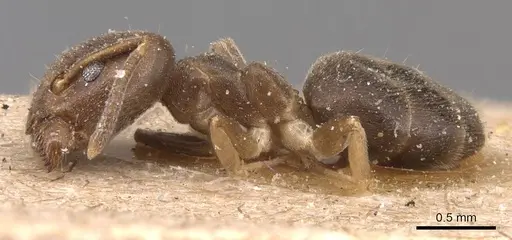
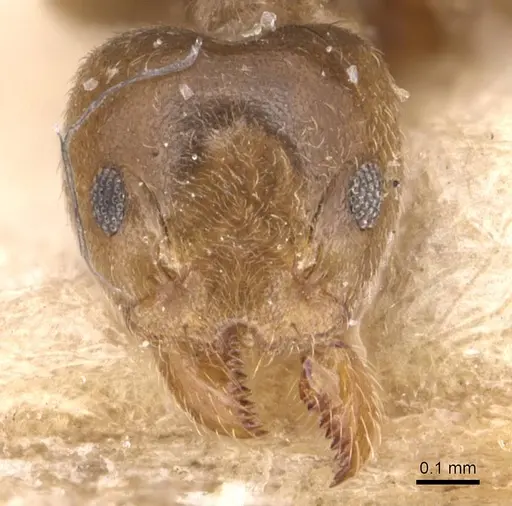
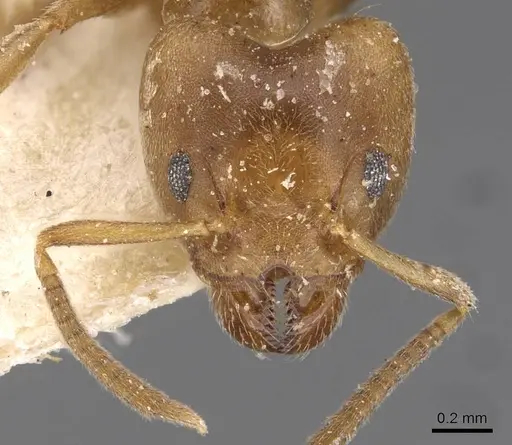
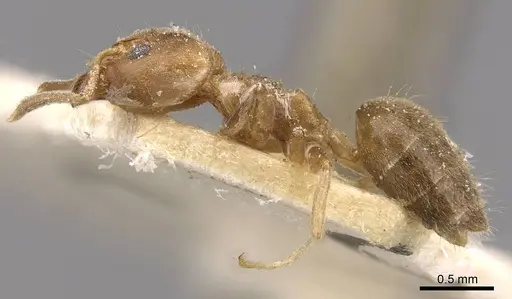
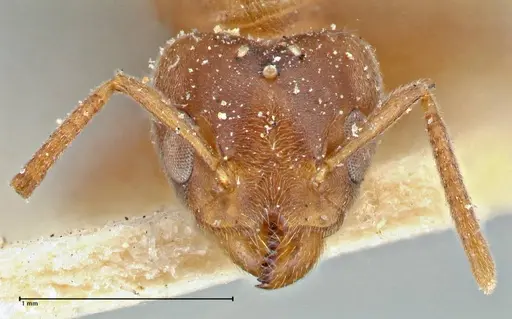
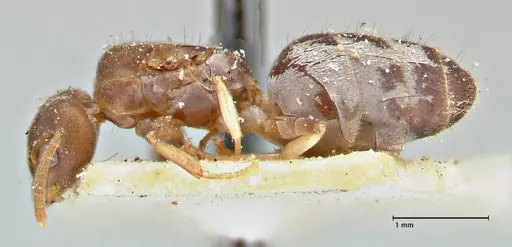
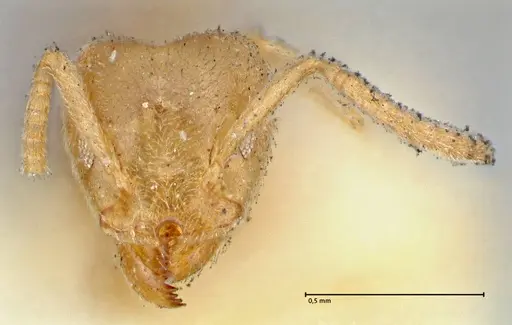
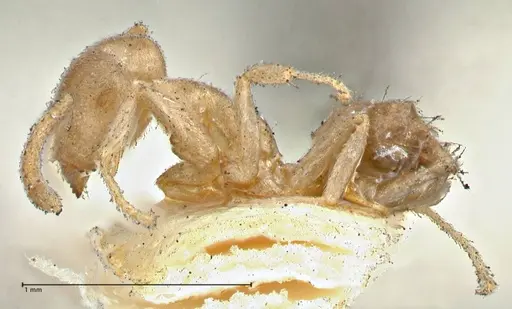
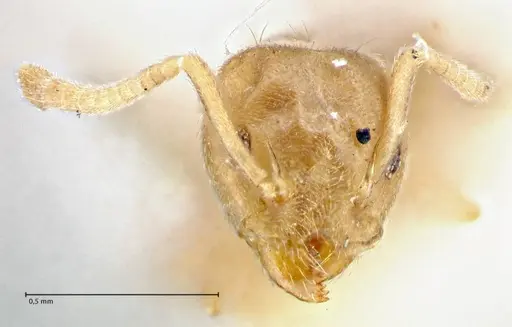
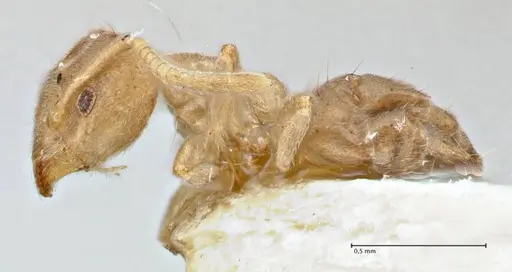
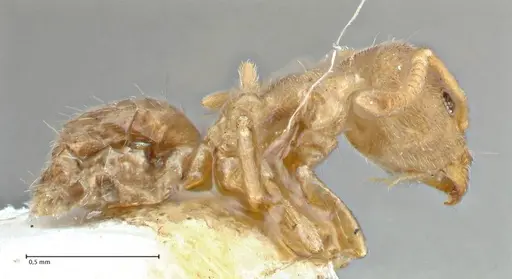
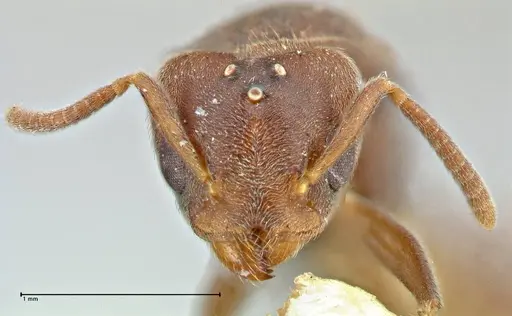
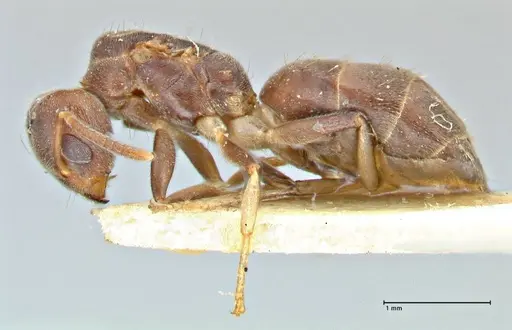
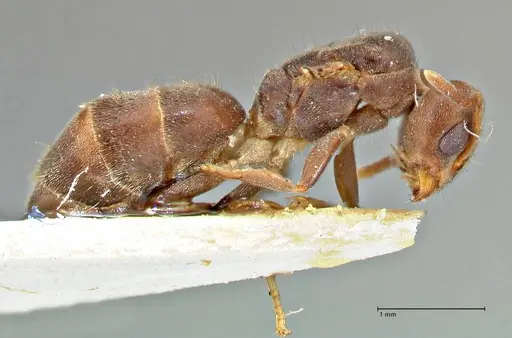
Technomyrmex laurenti is a small ant species known only from the Democratic Republic of Congo in tropical Central Africa . Workers are estimated at 3-4 mm, with the typical Dolichoderinae look: smooth, glossy body and a single petiole node. As members of the Dolichoderinae subfamily, they lack a functional stinger and instead defend themselves by exuding a sticky, foul‑smelling secretion from their anal gland. In their natural habitat they live in humid forests, nesting in rotting wood, under loose bark, or in soil cavities. Because so little is known about this species, most care advice is drawn from general patterns in the genus Technomyrmex and the subfamily Dolichoderinae.
Quick Summary
- Difficulty: Medium
- Origin & Habitat: Democratic Republic of Congo in tropical Central Africa, humid forests where they nest in rotting wood, under loose bark, or in soil cavities [1][2].
- Colony Type: Colony structure is unconfirmed for this species. Many Technomyrmex species form multi‑queen colonies, but that has not been documented for T. laurenti.
- Size & Growth:
- Queen: Estimated 6-8 mm based on typical Technomyrmex queen sizes [3]
- Worker: Estimated 3-4 mm based on typical Technomyrmex worker sizes [3]
- Colony: Unknown, colony size has not been documented for this species. Related Technomyrmex can reach several hundred workers [3].
- Growth: Moderate, inferred from typical Technomyrmex development [3]
- Development: Estimated 6-8 weeks at 25-28 °C, based on related Dolichoderinae [3] (Direct observations for T. laurenti are unavailable, timing is inferred from general tropical Dolichoderinae patterns.)
- Antkeeping:
- Temperature: Keep at 24-28 °C, warm, tropical conditions. A slight gradient helps workers self‑regulate. Avoid prolonged temperatures below 22 °C. [3]
- Humidity: Keep the nest substrate consistently moist but not waterlogged. These forest ants need stable moisture. [3]
- Diapause: No, as a tropical species, they do not require hibernation. Keep temperatures stable year‑round.
- Nesting: Y‑tong (AAC) or plaster nests work well. They prefer chambers with some moisture retention. Avoid completely dry setups. [3]
- Behavior: Active foragers that explore their surroundings. Colony defense is strong, they raise their abdomen and exude a sticky, foul‑smelling secretion from the anal gland (formic acid is NOT used). Workers are small (3-4 mm) and can escape through very small gaps, use fine‑mesh or tight seals. They are not stinging ants, but the secretion can irritate skin and eyes. [3]
- Common Issues: tropical temperature requirements mean colonies can struggle in cool rooms or during winter, maintain 24-28 °C consistently, defensive secretion can cause stress if the colony is overhandled, escape prevention is critical, workers fit through gaps as small as 2 mm, colonies may decline if fed only sugar, they need regular protein, humidity must be kept steady, dry conditions can quickly kill the colony
Housing and Nest Setup
Technomyrmex laurenti does well in standard ant‑keeping setups. Y‑tong (AAC) nests are excellent because they hold humidity well and provide dark chambers. Plaster nests also work, especially if one side is kept slightly moistened. For the outworld, a simple plastic container with smooth walls is fine, these ants are not exceptional climbers on smooth surfaces but can climb textured materials. Start the founding queen in a test tube setup, then move the colony to a proper nest when it reaches about 15-20 workers. Because workers are only 3-4 mm, use fine mesh or tight seals on all connections to prevent escapes. [3]
Feeding and Diet
Like other Technomyrmex, T. laurenti is omnivorous with a strong preference for sugar sources. Offer sugar water, honey, or diluted maple syrup as a constant food source. They also need regular protein, small insects like fruit flies, small crickets, or mealworm pieces work well. Many Technomyrmex tend aphids and scale insects for honeydew, so you may experiment with providing small aphid colonies, though this is optional. Feed protein 2-3 times per week and keep sugar available at all times. Remove uneaten prey after 24-48 hours to prevent mold. [3]
Temperature and Seasonal Care
As a tropical species from the Democratic Republic of Congo, T. laurenti needs warm conditions year‑round. Keep the nest area at 24-28 °C. A heating cable on one side of the nest can create a beneficial gradient, but always provide a cooler area so workers can self‑regulate. Room temperature below 22 °C for extended periods can stress the colony and slow or stop brood development. There is no diapause requirement, maintain consistent tropical temperatures all year. Monitor during winter if your room temperature drops. [3]
Behavior and Colony Dynamics
Technomyrmex laurenti shows typical Technomyrmex behavior. Workers are active foragers that systematically search the outworld. When they find food, they recruit nestmates using chemical trails, expect rapid recruitment to good food sources. Colony defense is strong, when threatened, workers raise their abdomen and exude a sticky, foul‑smelling secretion from the anal gland. This secretion is not dangerous to humans but can be irritating, and it can harm other insects. Colony size is unknown, but related species reach several hundred workers. Founding method is unconfirmed, most Dolichoderinae are claustral, but this is only a guess. [3]
Frequently Asked Questions
How long does it take for Technomyrmex laurenti to get their first workers?
Based on typical tropical Dolichoderinae development, expect 6-8 weeks from founding to first workers at 25-28 °C. This is an estimate since specific data for T. laurenti is not available. [3]
What temperature do Technomyrmex laurenti need?
Keep them warm at 24-28 °C. This tropical species does not tolerate cool temperatures well. Avoid letting the nest area drop below 22 °C for extended periods. [3]
Can I keep multiple Technomyrmex laurenti queens together?
This has not been documented for this species. Many Technomyrmex are polygynous (multi‑queen), but we have no confirmed information for T. laurenti. Starting with a single queen is the safest approach. [3]
How big do Technomyrmex laurenti colonies get?
Colony size has not been documented for this species. Based on related Technomyrmex, they may reach several hundred workers at maturity. [3]
Do Technomyrmex laurenti need hibernation?
No. As a tropical species from Central Africa, they do not require diapause or hibernation. Keep temperatures stable and warm year‑round. [3]
What do Technomyrmex laurenti eat?
They are omnivorous with a strong preference for sugar. Offer sugar water, honey, or maple syrup constantly. Provide protein (small insects) 2-3 times per week. They will also tend honeydew‑producing insects if given the opportunity. [3]
Are Technomyrmex laurenti good for beginners?
They are rated as medium difficulty. Their tropical temperature requirements and need for consistent humidity make them slightly more demanding than temperate species. They are not the hardest species but do require attention to heating and humidity. [3]
When should I move Technomyrmex laurenti to a formicarium?
Wait until the colony has 15-20 workers and the founding test tube is becoming cramped. Make sure your formicarium is properly set up with appropriate humidity levels before transferring. [3]
Why is my Technomyrmex laurenti colony declining?
Common causes include: temperatures below 22 °C, insufficient humidity, feeding only sugar without protein, or stress from excessive disturbance. Check your temperature and humidity first, ensure protein is offered, and minimize nest disturbances. [3]
Report an Issue
The current care sheet is based fully on literature. See inconsistencies, or something that's incorrect? Please , it will be resolved after review from an admin. Contributing to the blogs tab also helps providing information, to make us be able to further improve the caresheets. Thank you for your support!
References

This caresheet is licensed under CC BY-SA 4.0 .
Community Blogs
CASENT0249790
View on AntWeb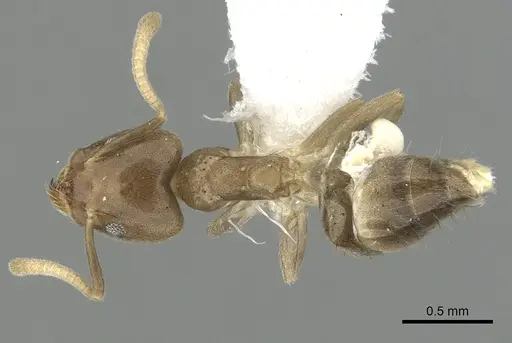
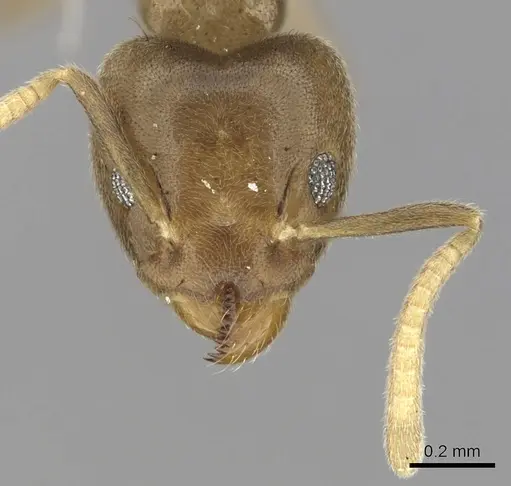
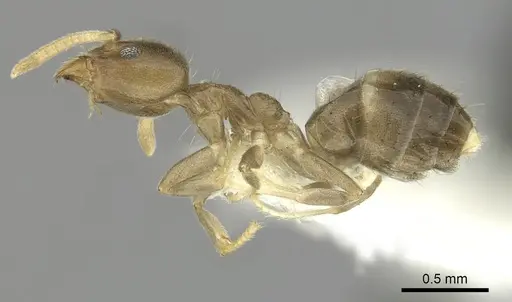
CASENT0249791
View on AntWeb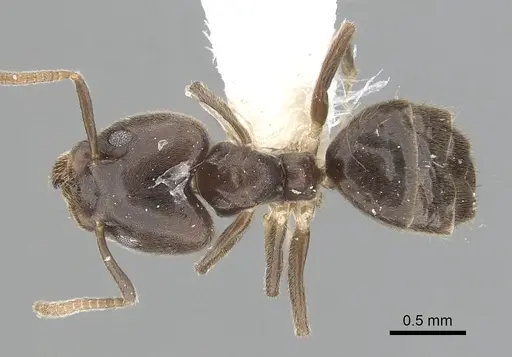
CASENT0417902
View on AntWeb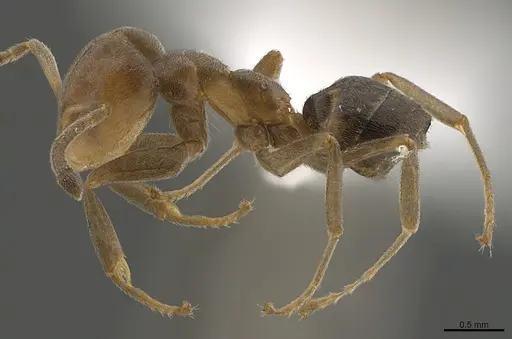
CASENT0905123
View on AntWeb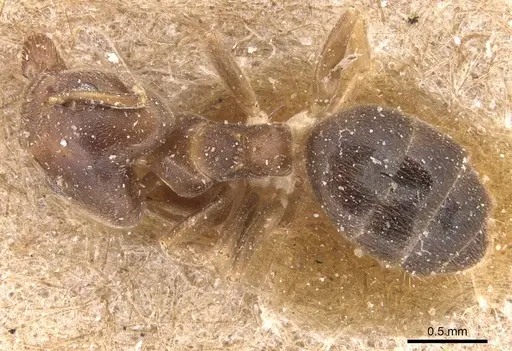
CASENT0905124
View on AntWeb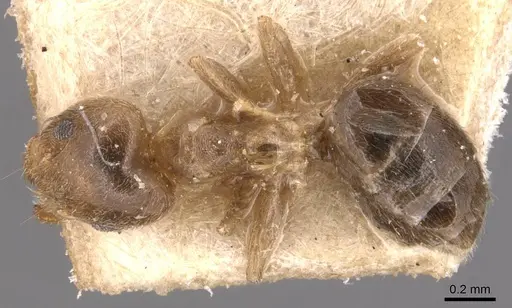
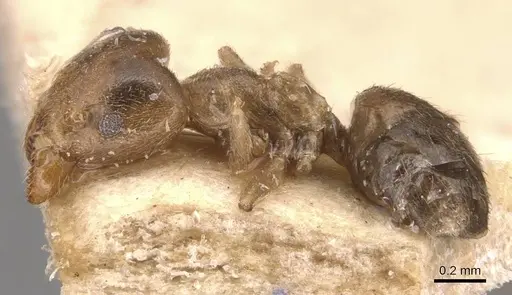
CASENT0909754
View on AntWeb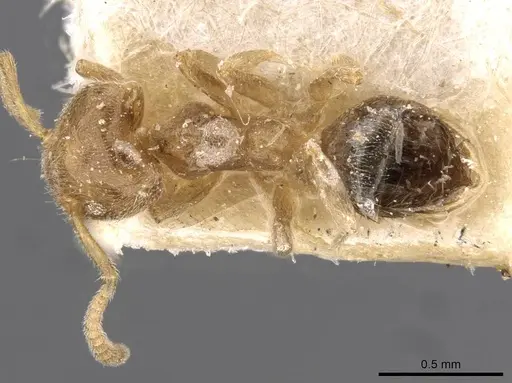
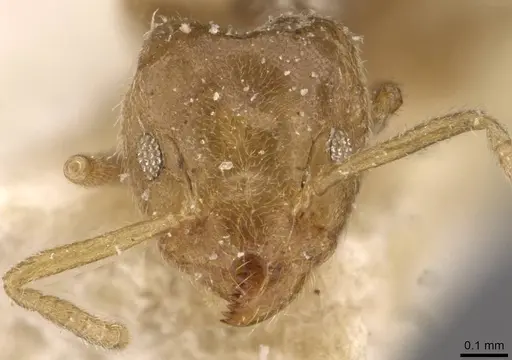
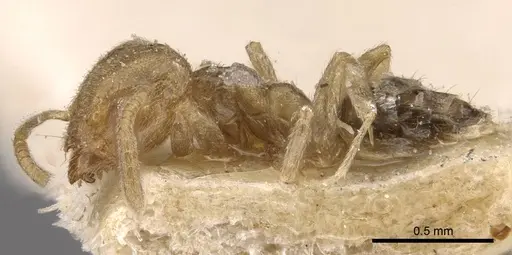
CASENT0909755
View on AntWeb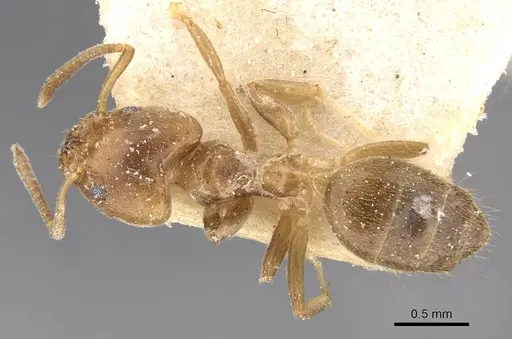
FOCOL2849
View on AntWeb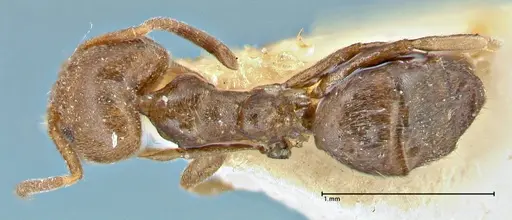
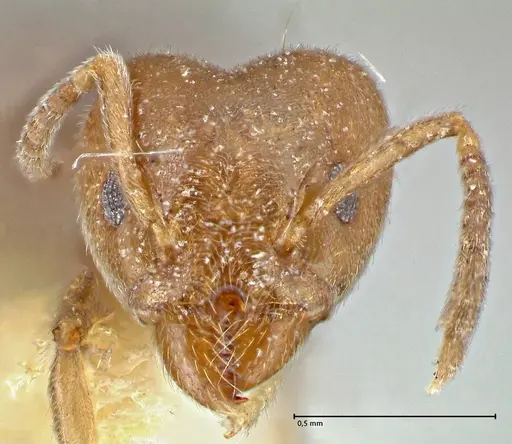
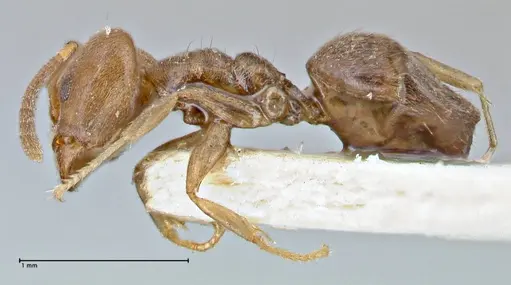
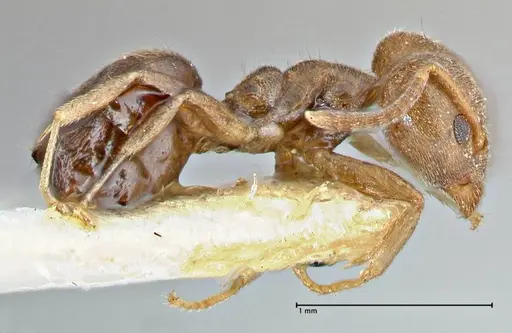
FOCOL2855
View on AntWeb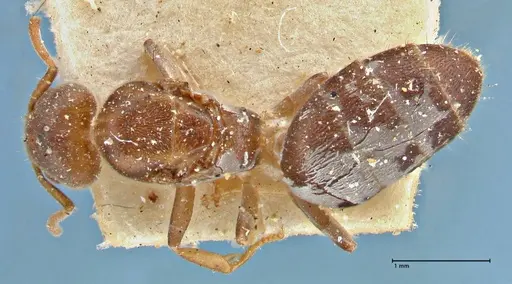
FOCOL2856
View on AntWeb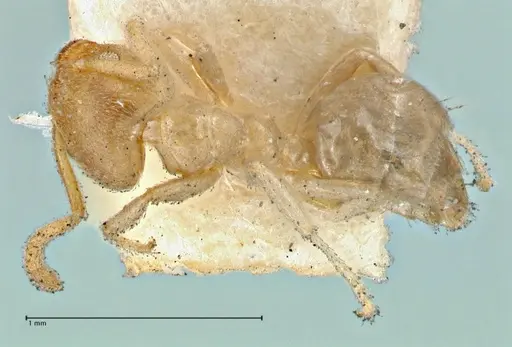
FOCOL2857
View on AntWeb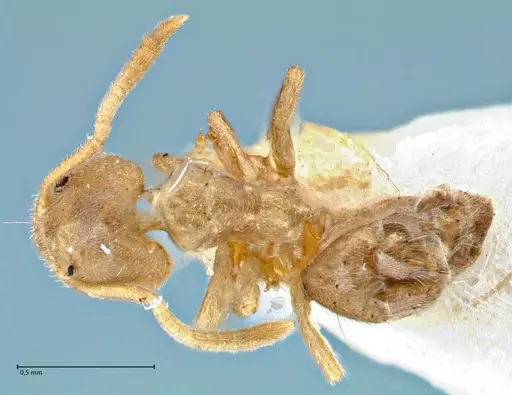
FOCOL2858
View on AntWeb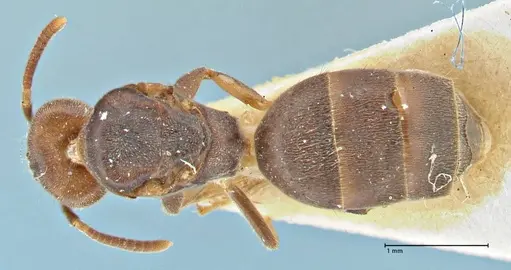
Literature
Loading distribution map...Loading products...