
Technomyrmex innocens
- Sci. Name
- Technomyrmex innocens
- Tribe
- Tapinomini
- Subfamily
- Dolichoderinae
- Author
- Bolton, 2007
- Distribution
- Found in 2 countries
Introduction
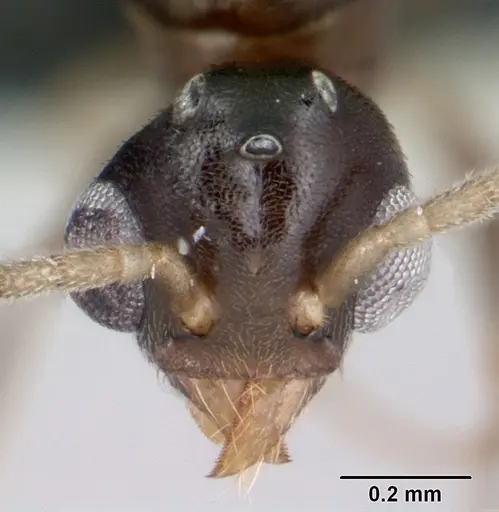
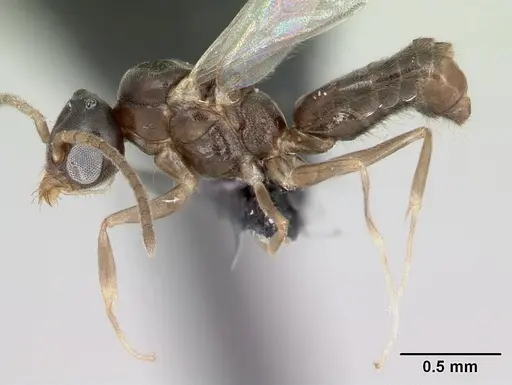
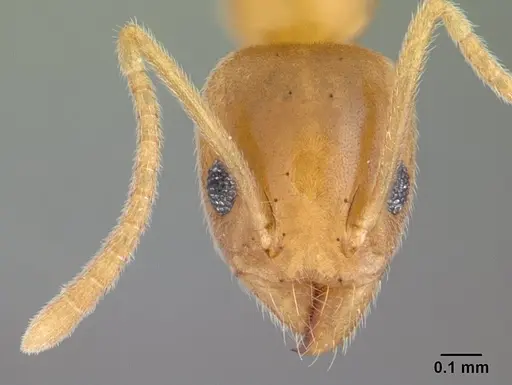
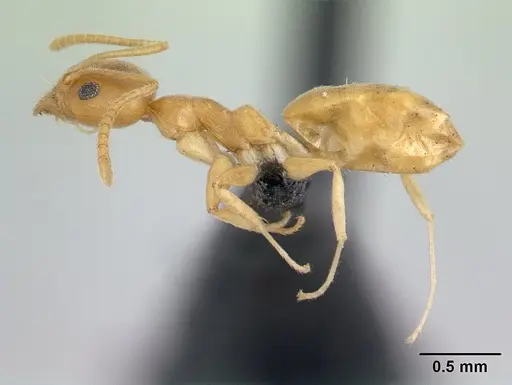
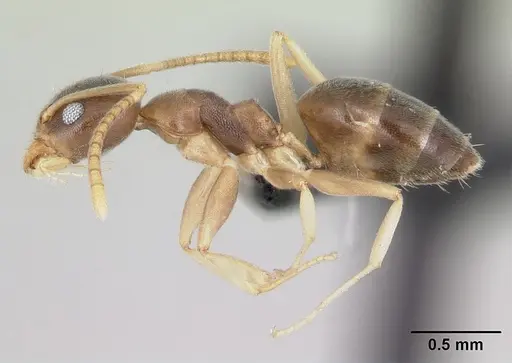
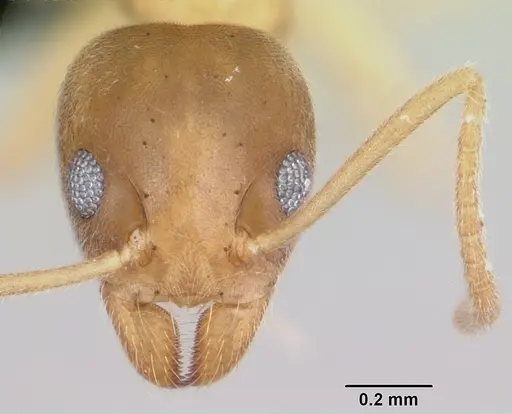
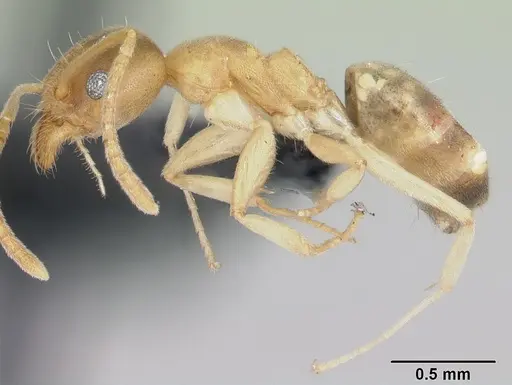
Technomyrmex innocens is a small, yellow to light brownish-yellow ant native to Madagascar and Mayotte in the Malagasy region. Workers measure 2.3-3.1mm in total length with a slender build typical of the Dolichoderinae subfamily. They belong to the Technomyrmex albipes group and can be identified by their distinctive setae (bristles) on the dorsal head and the widely separated metathoracic spiracles visible in dorsal view . These ants are versatile foragers, found both in low vegetation and on the forest floor, where they inhabit litter, rotten wood, and decaying sticks in tropical dry forest environments . Unlike many ants, T. innocens shows flexibility in nesting habits - they are both arboreal (tree-dwelling) and terricolous (ground-dwelling), which is relatively uncommon in the genus . This adaptability makes them an interesting species for antkeepers who want a small, active ant with straightforward care requirements. As Dolichoderinae ants, they lack a functional stinger and instead defend themselves using sticky, foul-smelling chemical secretions from anal glands, making them a safe choice for beginners.
Quick Summary
- Difficulty: Easy
- Origin & Habitat: Madagascar and Mayotte in the Malagasy region. They inhabit tropical dry forests where they forage in low vegetation and nest in litter, rotten wood, and decaying sticks on the forest floor [1][2].
- Colony Type: Colony structure is not well documented in scientific literature. Worker-queen intercastes (intermediate forms between workers and queens) are known to exist, along with alate (winged) queens [1]. This suggests the species may have flexible caste development. Based on genus patterns, colonies are likely monogyne (single queen), but this is unconfirmed.
- Size & Growth:
- Queen: Size data unavailable for pure queens, worker-queen intercastes are similar to workers in size (~2.3-3.1mm total length) [1].
- Worker: 2.3-3.1mm total length [1]
- Colony: Not documented in scientific literature. Based on related Technomyrmex species, expect at most several hundred workers at maturity.
- Growth: Moderate
- Development: Unknown (Development time is not documented for this species. Based on typical tropical Dolichoderinae, expect roughly 6-8 weeks at warm temperatures, but this is speculative.)
- Antkeeping:
- Temperature: Keep warm, these are tropical ants. Aim for 24-28°C for consistent activity and brood development. Temperatures below 22°C may slow the colony. A heating cable on one side of the nest can create a gentle gradient [2].
- Humidity: Moderate to high humidity. Keep the nest substrate moist but not waterlogged, the substrate should feel damp to the touch. Provide a gradient by allowing some areas to dry slightly. Their natural habitat in tropical dry forest experiences a mix of humid and drier conditions [1][2].
- Diapause: No, they are tropical and remain active year-round if kept warm. Do not expose to cold temperatures.
- Nesting: They accept various nest types including test tubes, Y-tong (AAC) nests, and naturalistic setups with rotten wood or cork bark. Their small size means chambers should be appropriately scaled. Provide both vertical climbing space and ground-level chambers to match their arboreal and terricolous habits [2].
- Behavior: Technomyrmex innocens workers are calm, non-aggressive generalist foragers. They do not sting, as Dolichoderinae ants, they defend themselves by exuding sticky, foul-smelling compounds from anal glands. These secretions can deter predators but are harmless to keepers. Their tiny size (under 4mm) means they can escape through tiny gaps, so use fine-mesh ventilation and seal all cracks. They are not particularly territorial toward other colonies.
- Common Issues: escape prevention is critical due to their tiny size, they can squeeze through standard test tube cotton if not properly sealed, colonies may decline if humidity drops too low, monitor substrate moisture regularly, their small size makes them vulnerable to drowning in water reservoirs, use appropriate cotton or sponge barriers, slow initial colony growth can frustrate beginners, patience is needed during the founding phase, wild-caught colonies may carry parasites that can devastate captive colonies
Housing and Nest Setup
Technomyrmex innocens is a small ant that adapts well to various captive setups. Test tubes work well for founding colonies, use a water reservoir with a cotton barrier, but ensure the gap is small enough to prevent workers from drowning. For established colonies, Y-tong (AAC) nests provide excellent visibility and humidity control. You can also use naturalistic setups with cork bark or rotting wood pieces, which mimic their natural habitat of decaying vegetation on the forest floor [1]. Because they are both arboreal and terricolous, providing some vertical climbing space alongside horizontal chambers gives them options to explore and forage naturally [2]. A small outworld for foraging allows you to observe their active hunting and honeydew-collection behaviors.
Feeding and Diet
These ants are generalist foragers with a typical Dolichoderine diet. They readily accept sugar sources, offer diluted honey water, sugar water, or small drops of honeydew. For protein, provide small live prey such as fruit flies, pinhead crickets, or mealworm pieces. In their natural habitat, they forage in low vegetation, so they likely collect honeydew from aphids and scale insects, you can offer artificial honeydew or diluted sugar water as a substitute [1]. Feed small amounts every 2-3 days, removing uneaten prey after 24 hours to prevent mold. A constant sugar source should be available. Their small size means even tiny prey items are appropriate, adjust food portions accordingly.
Temperature and Seasonal Care
As tropical ants from Madagascar, Technomyrmex innocens requires warm temperatures year-round. Keep the nest area at 24-28°C for optimal brood development. Temperatures below 22°C may slow their activity and development. Room temperature is often sufficient if your home stays in this range, but you can use a heating cable on one side of the nest to create a gentle gradient. Avoid placing the nest in direct sunlight, which can cause temperature swings and moisture loss. Since they do not require diapause (winter rest), you can maintain these temperatures consistently throughout the year. Monitor for condensation inside the nest, some moisture is good, but excessive condensation can indicate temperature imbalances or over-watering [2].
Humidity Management
These ants prefer moderate to high humidity consistent with their tropical forest habitat. The substrate should feel damp to the touch but never waterlogged, standing water in the nest can drown colonies. In test tube setups, the water reservoir provides humidity through evaporation. For larger nests, mist the substrate periodically and allow it to dry slightly between waterings. Watch for condensation on nest walls, excessive condensation suggests the nest is too wet or the temperature gradient is too steep. Providing a gradient with both moist and slightly drier areas lets ants regulate their own humidity preferences. Their natural habitat includes both humid and drier microsites, so they can adapt to some variation [1][2].
Behavior and Colony Dynamics
Technomyrmex innocens workers are active, generalist foragers that patrol their territory consistently. They do not exhibit aggressive swarming behavior but will defend the nest if threatened. As Dolichoderinae ants, they lack a functional stinger, their primary defense is exuding sticky, foul-smelling chemical secretions from anal glands, which can deter predators but poses minimal risk to keepers. Workers communicate through chemical trails and can recruit nestmates to food sources. Colonies grow moderately, expect the first workers (nanitics) to emerge, though development time is not precisely documented. The presence of worker-queen intercastes in this species suggests flexible caste development, though this is not something keepers typically observe in captive colonies [1][2].
Frequently Asked Questions
Can I keep Technomyrmex innocens in a test tube?
Yes, test tubes work well for founding colonies. Use a water reservoir with cotton barrier, but ensure the gap is small enough to prevent these tiny ants from drowning. Seal any gaps around the cotton with additional barriers if needed. Once the colony grows noticeably, consider moving to a larger setup like a Y-tong nest. Their founding type is unconfirmed, but test tube housing supports claustral founding if that is the case.
How long until Technomyrmex innocens produces first workers?
This is not documented for this species. Based on related tropical Dolichoderinae, first workers may appear approximately 6-8 weeks after the queen lays eggs when kept at optimal temperatures of 24-28°C, but this is speculative. Growth rate is moderate, colonies may take several months to reach noticeable size.
What do Technomyrmex innocens eat?
They are generalist foragers that accept both sugar and protein. Offer sugar water, honey, or honeydew as a constant carbohydrate source. For protein, provide small live prey like fruit flies, tiny crickets, or mealworm pieces. Adjust portion sizes to their small body size, even small insects are substantial prey for these 2-3mm ants.
Do Technomyrmex innocens need hibernation?
No, they do not require hibernation. These are tropical ants from Madagascar that remain active year-round when kept warm. Maintain temperatures of 24-28°C consistently. Unlike temperate species, they do not enter diapause and may decline if temperatures drop significantly.
Are Technomyrmex innocens good for beginners?
Yes, they are considered an easy species suitable for beginners. They are small, calm, and do not require hibernation. Their main care requirements are straightforward: warm temperatures (24-28°C), moderate humidity, and regular feeding. The primary challenges are escape prevention due to their tiny size and maintaining consistent humidity levels. Note that their founding behavior and exact colony size are unstudied, so some patience with uncertainties is needed.
How big do Technomyrmex innocens colonies get?
Colony size is not documented in scientific literature. Based on related species in the genus, colonies likely reach several hundred workers at maturity, but this is an estimate. They are not among the largest ant species. Exact size depends on environmental conditions and care.
When should I move Technomyrmex innocens to a formicarium?
Move them when the test tube becomes crowded or the colony reaches a noticeable size (20-30 workers is a good guideline). Signs that they need more space include workers clustering near the cotton barrier, reduced brood production, or the water reservoir running low frequently. A Y-tong or naturalistic setup works well for this species [1].
Why are my Technomyrmex innocens dying?
Common causes include: low humidity (keep substrate damp), temperatures below 22°C (ensure warmth), escape-related losses (check for tiny gaps), drowning in water reservoirs (use appropriate barriers), or parasites from wild-caught colonies. Review each parameter and make gradual adjustments. If the colony was wild-caught, parasites are a common cause of decline. Without specific research on this species, these are general hypotheses for tropical dolichoderines.
Can I keep multiple Technomyrmex innocens queens together?
This is not recommended. While worker-queen intercastes exist in this species, they represent intermediate castes within a single colony, not multiple reproductive queens. Combining unrelated foundresses (pleometrosis) has not been documented for this species and is likely to result in aggression. Keep single-queen colonies for best success. The colony type (monogyne vs polygyne) is unconfirmed, but the presence of intercastes does not imply multiple queens.
Report an Issue
The current care sheet is based fully on literature. See inconsistencies, or something that's incorrect? Please , it will be resolved after review from an admin. Contributing to the blogs tab also helps providing information, to make us be able to further improve the caresheets. Thank you for your support!
References

This caresheet is licensed under CC BY-SA 4.0 .
Community Blogs
CASENT0052478
View on AntWeb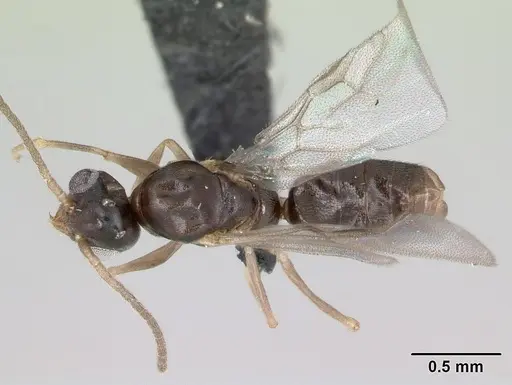
CASENT0132935
View on AntWeb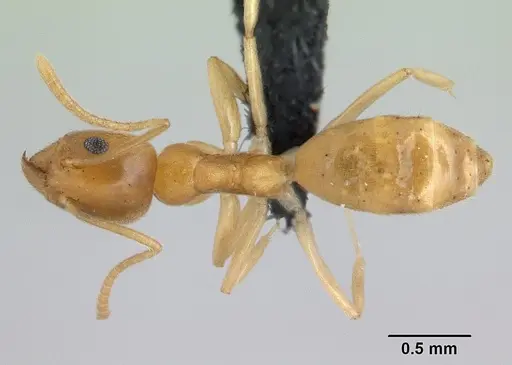
CASENT0345036
View on AntWeb
CASENT0345037
View on AntWeb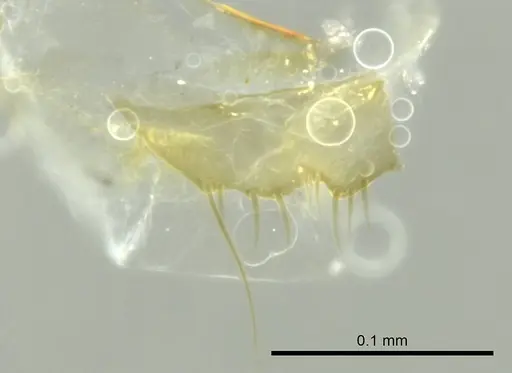
CASENT0345038
View on AntWeb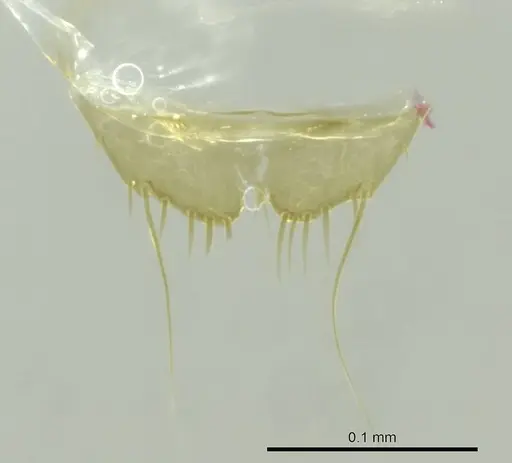
CASENT0345042
View on AntWeb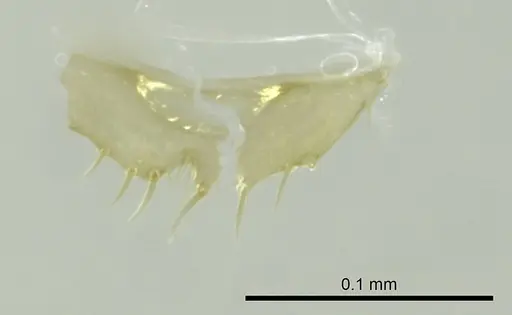
CASENT0435441
View on AntWeb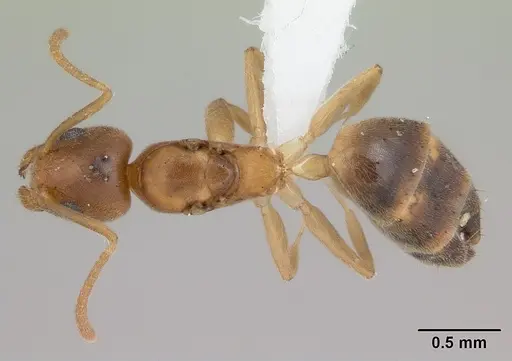
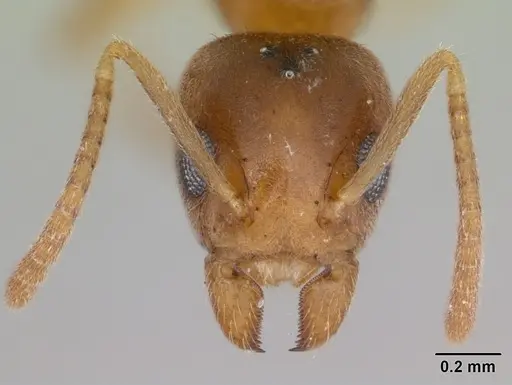
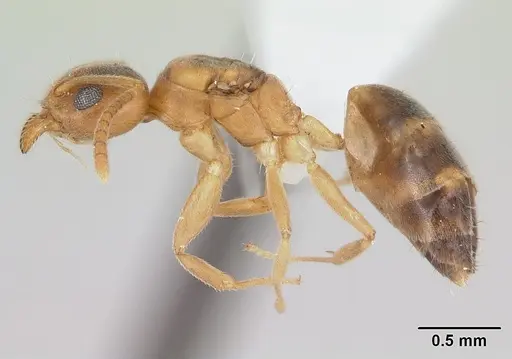
CASENT0443365
View on AntWeb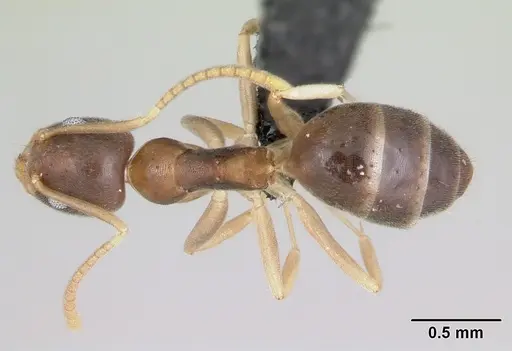
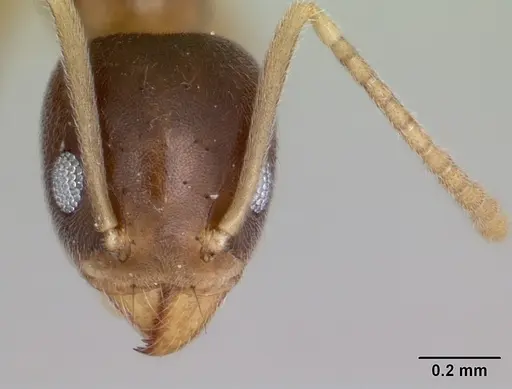
CASENT0485542
View on AntWeb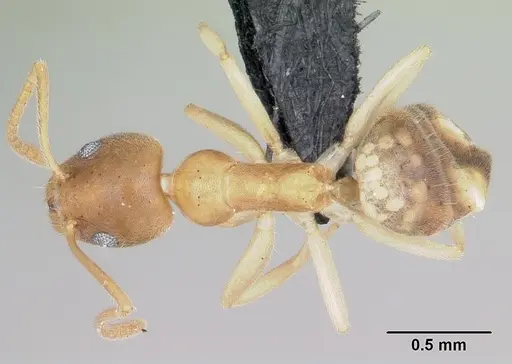
Literature
Loading distribution map...Loading products...