
Technomyrmex grandis
- Sci. Name
- Technomyrmex grandis
- Tribe
- Tapinomini
- Subfamily
- Dolichoderinae
- Author
- Emery, 1887
- Distribution
- Found in 2 countries
Introduction
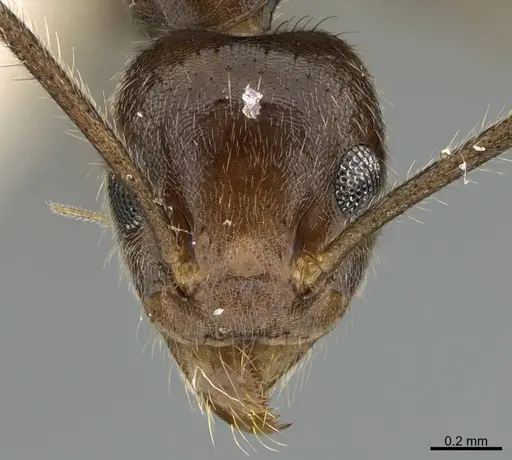
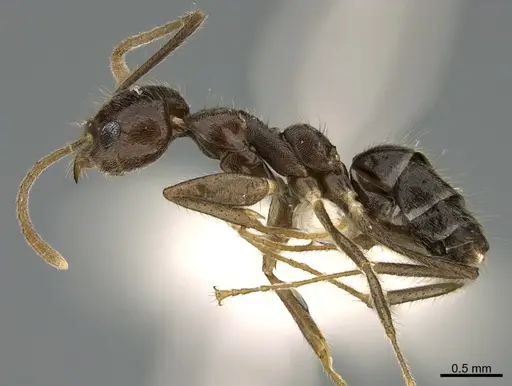
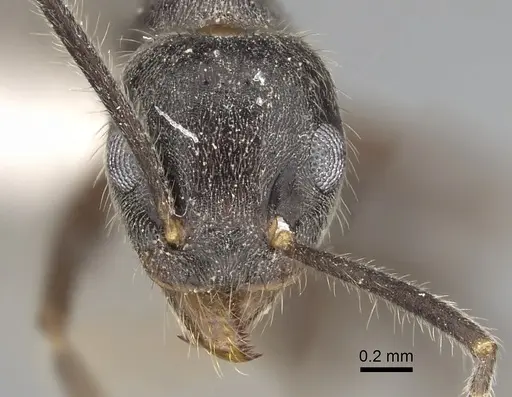
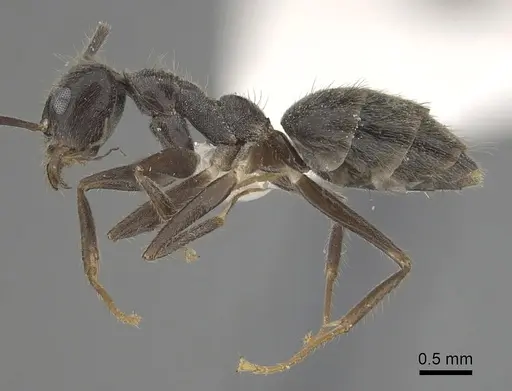
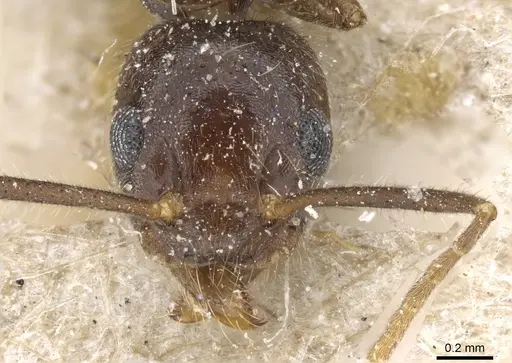
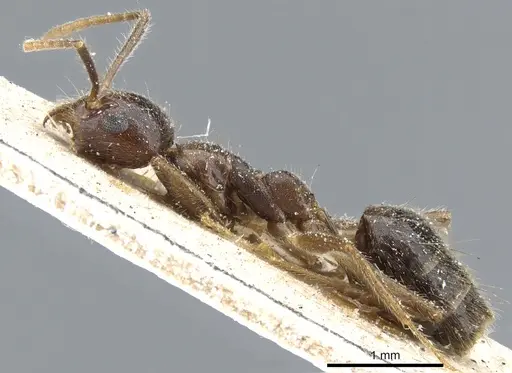
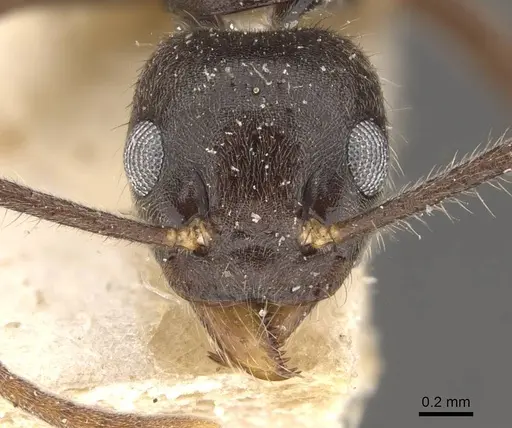
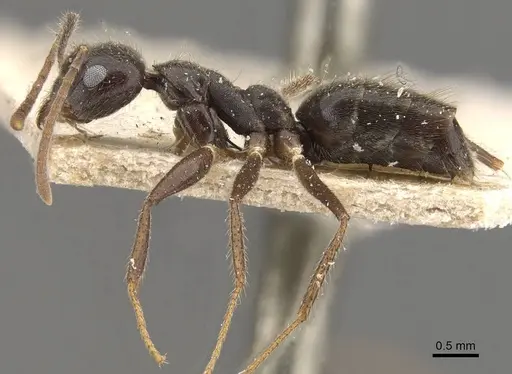
Technomyrmex grandis is a large ant species native to Southeast Asian rainforests. Workers are 3.8-4.8mm and covered in extremely dense, long setae (bristle-like hairs), making them one of the most recognizable ants in the region . Their bodies are dark brown to black with eyes positioned far back on the head, and their long scapes are covered in prominent hairs. Queens are larger at 5.25-5.58mm and similarly hairy. This species is restricted to rainforest habitats in Thailand, Malaysia, Indonesia, and the Philippines . Unlike many ants, T. grandis nests in bamboo stems and under tree bark rather than in soil . As a Dolichoderine ant, they lack a stinger and instead defend themselves with foul-smelling chemical secretions.
Quick Summary
- Difficulty: Medium
- Origin & Habitat: Tropical rainforests of Southeast Asia (Thailand, Malaysia, Indonesia, Philippines) [1]. Nests in bamboo stems and under bark of trees.
- Colony Type: Unconfirmed, likely single-queen based on typical Technomyrmex genus patterns, but colony structure is not directly documented for this species.
- Size & Growth:
- Queen: 5.25-5.58mm [1]
- Worker: 3.8-4.8mm [1]
- Colony: At least several hundred workers, a sample from one area recorded 297 individuals [2].
- Growth: Moderate, estimated based on tropical Dolichoderine patterns
- Development: 6-8 weeks estimated based on related Dolichoderine species (Development time is not directly studied for this species. Tropical species typically develop faster than temperate ones.)
- Antkeeping:
- Temperature: Keep warm and stable, as a rainforest species, aim for 24-28°C. Use a heating cable on one side to create a gradient [1].
- Humidity: High humidity, keep the nest substrate consistently moist but not waterlogged. Provide a water tube and good ventilation [1].
- Diapause: No, tropical species, no hibernation needed. Maintain warm conditions year-round [1].
- Nesting: Provide dark, enclosed spaces that mimic bamboo stems or under-bark cavities. Y-tong, plaster, or 3D-printed nests work well. Add cork or bamboo sections [1].
- Behavior: T. grandis workers are moderately active generalist foragers. They are not aggressive toward humans but will use chemical defenses if threatened. Escape prevention is important but standard barriers work for their medium size.
- Common Issues: tropical species needs constant warmth, cold drafts can stress or kill colonies, high humidity requirement means mold can be an issue if ventilation is poor, wild-caught colonies may carry parasites that cause colony collapse, prefer enclosed nesting spaces, open nests may cause stress and failed brood development, lack of protein can lead to brood cannibalism or colony decline
Housing and Nest Setup
Technomyrmex grandis nests in bamboo stems and under tree bark in the wild, so captive colonies appreciate dark, enclosed spaces that mimic these conditions [1]. Y-tong (AAC) nests, plaster nests, or 3D-printed nests with narrow chambers work well. You can also provide natural materials like cork, cardboard tubes, or short bamboo sections inside the setup. Keep the nest area dark, these rainforest ants prefer dim conditions. Since they need high humidity, choose a nest that retains moisture well without becoming waterlogged. A water tube connected to a cotton reservoir helps maintain humidity inside the formicarium.
Feeding and Diet
Like other Dolichoderine ants, T. grandis is a generalist feeder. They likely consume honeydew from aphids and scale insects, nectar from flowers, and small insects for protein. In captivity, offer sugar water or honey water as a constant energy source. For protein, provide small insects like fruit flies, small crickets, mealworms, or waxworms. Since they come from rainforest habitats where food sources are abundant year-round, feed them regularly with protein offered 2-3 times per week and sugar water always available. Remove uneaten prey after 24-48 hours to prevent mold.
Temperature and Humidity
As a tropical rainforest species from Southeast Asia, Technomyrmex grandis needs warm and humid conditions [1]. Keep the nest area at roughly 24-28°C, a heating cable on one side creates a gradient so workers can choose their comfort zone. Place the heating on top of the nest, not underneath, to avoid drying out the substrate. Humidity should be high, keep the nest substrate consistently moist but not waterlogged. A water tube provides a constant moisture source. Good ventilation is important to prevent mold while maintaining humidity.
Seasonal Care and Nuptial Flights
In the wild, alate (winged) queens and males appear during September to December, which is the rainy season in Thailand [1]. This means nuptial flights likely occur during these months. In captivity, you do not need to simulate hibernation since this is a tropical species, keep conditions stable and warm year-round. If you want to encourage reproduction, you might slightly increase humidity during the rainy season months, but this is not required. The founding behavior (how queens start new colonies) is not documented for this species.
Behavior and Defense
Technomyrmex grandis workers are moderately active and forage throughout their territory. They are not particularly aggressive toward keepers but will defend their nest if threatened. They have a terminal cloacal slit [3]. As a Dolichoderine ant, they lack a functional stinger, instead, they exude sticky, foul-smelling chemical secretions from their anal gland to deter predators. When handling or working near the colony, go slowly and gently to avoid triggering defensive responses. The dense setae on their bodies may also help deter small predators.
Growth and Development
Queens measure 5.25-5.58mm and workers 3.8-4.8mm [1]. The development timeline from egg to worker is not specifically documented for this species, but based on typical Dolichoderine patterns in tropical conditions, expect around 6-8 weeks for the first workers to emerge. Colonies likely grow to at least several hundred workers over time [2]. The dense, long setae that make this species so distinctive appear even in the worker caste, newly emerged workers have the same fuzzy appearance as mature workers.
Frequently Asked Questions
How long does it take for Technomyrmex grandis to have first workers?
The exact development time is not documented for this species, but based on typical Dolichoderine patterns, expect 6-8 weeks from egg to first worker at warm tropical temperatures. The first workers will be smaller than mature workers but already have the distinctive long, dense setae.
What do Technomyrmex grandis ants eat?
They are generalist feeders. Offer sugar water or honey water as a constant energy source, and protein sources like small insects (fruit flies, small crickets, mealworms) 2-3 times per week. They likely also consume honeydew in the wild.
What temperature do Technomyrmex grandis need?
Keep them warm at around 24-28°C. They are tropical rainforest ants from Southeast Asia and need consistently warm conditions year-round [1]. A heating cable on one side of the nest creates a gradient for workers to regulate their temperature.
Do Technomyrmex grandis need hibernation?
No. As a tropical species, they do not require hibernation or diapause. Keep them warm and humid year-round [1]. Their natural habitat in Southeast Asian rainforests does not have cold winters.
Are Technomyrmex grandis good for beginners?
They are rated as Medium difficulty. They require warm, humid conditions typical of tropical ants, which means you need to monitor temperature and humidity carefully. If you have experience keeping other tropical ant species, this could be a good choice. Beginners might find the humidity requirements challenging.
How big do Technomyrmex grandis colonies get?
The maximum colony size is not documented for this species. A study recorded 297 individuals from one sample [2], suggesting colonies can reach at least several hundred workers. Queens are 5.25-5.58mm and workers 3.8-4.8mm [1].
Where is Technomyrmex grandis found in the wild?
They are found in Southeast Asian rainforests in Thailand, Malaysia, Indonesia (including Sumatra), and the Philippines [1]. They are restricted to rainforest habitats and nest in bamboo stems and under tree bark.
When do Technomyrmex grandis have nuptial flights?
Alate queens and males appear during September to December, which is the rainy season in their native range [1]. If you are trying to catch a queen, this is the time to look for newly mated queens.
Can I keep Technomyrmex grandis in a test tube setup?
Test tubes can work for founding colonies, but this species prefers dark, enclosed spaces. A test tube setup needs to be kept humid and warm. For established colonies, consider moving them to a Y-tong or plaster nest that can maintain higher humidity better than a simple test tube.
How do I identify Technomyrmex grandis?
They are one of the most distinctive Technomyrmex species due to their extremely dense, long setae (bristle-like hairs) covering their bodies. The longest setae on the head and abdomen are longer than the maximum diameter of the eye. They have eyes positioned far back on the head, and long scapes with conspicuous hairs. Color is medium brown to black [1].
Why is my Technomyrmex grandis colony dying?
Common causes include: temperatures dropping below 24°C (they need warmth), humidity too low (keep substrate consistently moist), mold from poor ventilation, or stress from too much light (prefer dark nests). Check that heating is consistent and that the nest substrate stays moist but not waterlogged. Wild-caught colonies may also carry parasites.
Report an Issue
The current care sheet is based fully on literature. See inconsistencies, or something that's incorrect? Please , it will be resolved after review from an admin. Contributing to the blogs tab also helps providing information, to make us be able to further improve the caresheets. Thank you for your support!
References

This caresheet is licensed under CC BY-SA 4.0 .
Community Blogs
CASENT0217457
View on AntWeb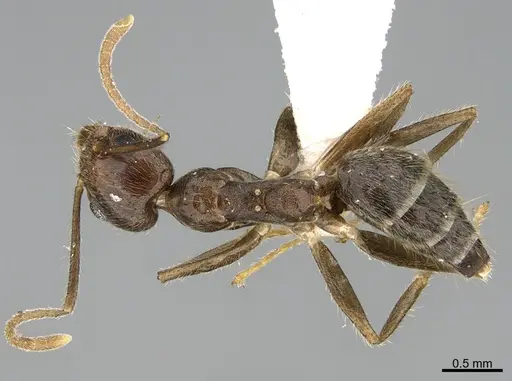
CASENT0249785
View on AntWeb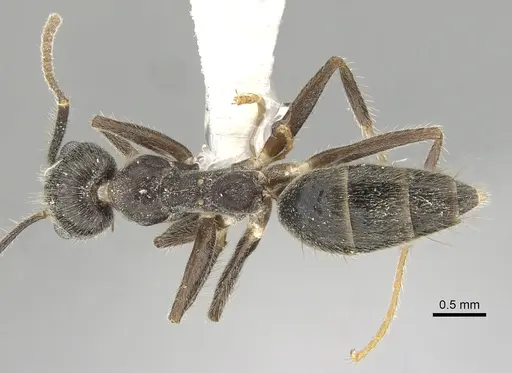
CASENT0905064
View on AntWeb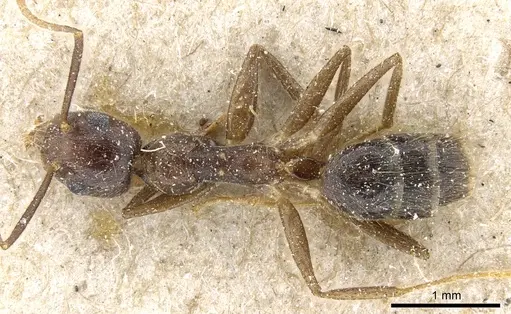
CASENT0909798
View on AntWeb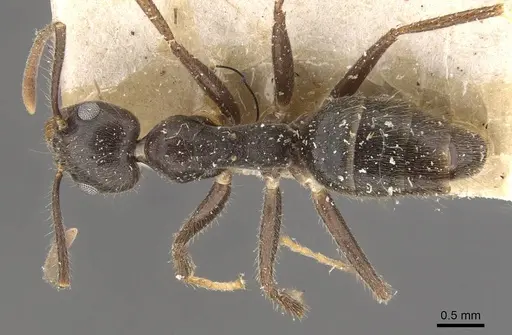
Literature
Loading distribution map...Loading products...