
Technomyrmex gorgona
- Sci. Name
- Technomyrmex gorgona
- Tribe
- Tapinomini
- Subfamily
- Dolichoderinae
- Author
- Fernández & Guerrero, 2008
- Distribution
- Found in 1 countries
Introduction
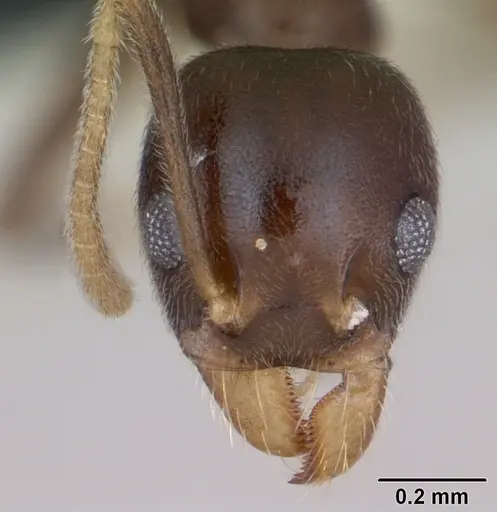
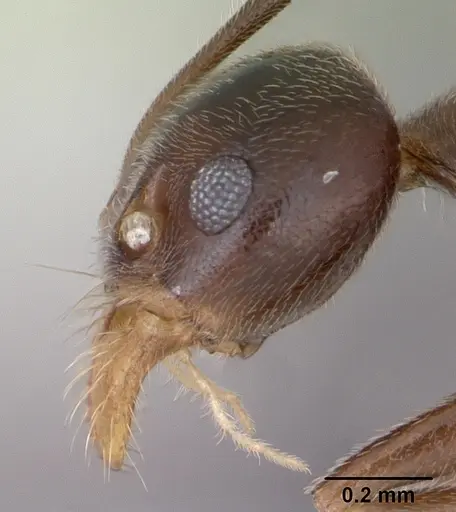
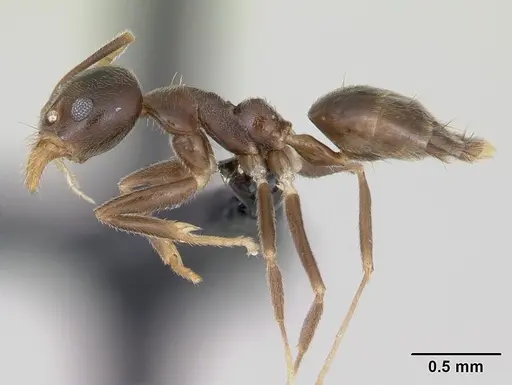
Technomyrmex gorgona is a small tropical ant found only on Gorgona Island off the Pacific coast of Colombia. Workers measure 3.17-3.32mm and have a dark brown color, which sets them apart from related species like Technomyrmex fulvus . Like other Technomyrmex, they are probably attracted to sweet liquids and may tend aphids for honeydew in the wild. This species is extremely rare - it was only described in 2008 and is known only from a single protected island location. As a Dolichoderinae ant, they lack a functional stinger. Instead, they defend themselves by exuding a sticky, foul-smelling secretion from an anal gland. Their small size and restricted range make them a challenge suited only for experienced keepers.
Quick Summary
- Difficulty: Expert
- Origin & Habitat: Gorgona Island, a small continental island in the Pacific Ocean off the coast of Cauca, Colombia. The island has a tropical humid climate at low elevation (180m) [1][2][3].
- Colony Type: Unknown, only three workers have ever been documented. No colony data exists for this species. Any inferences about social structure are speculative.
- Size & Growth:
- Queen: Undescribed, queen size not yet documented in scientific literature
- Worker: 3.17-3.32mm [1]
- Colony: Unknown, no colony data available
- Growth: Unknown, no development data exists for this species
- Development: Unknown [1] (No data exists for this species. Keep at stable tropical temperatures and observe if you have a colony.)
- Antkeeping:
- Temperature: Keep warm and stable. Based on the tropical island habitat at 180m elevation, aim for temperatures in the low-to-mid 20s°C. Use a heating cable with a thermostat if your room is cooler [1].
- Humidity: High humidity required. Keep the nest substrate consistently moist but not waterlogged. The species comes from a humid tropical island, so aim for a moist environment [1].
- Diapause: Unlikely. As a tropical species from near the equator, no diapause is expected. Maintain year-round warm conditions.
- Nesting: Y-tong (AAC), plaster, soil, or 3D-printed nests with chambers scaled to their 3mm worker size. They likely prefer humid nest environments.
- Behavior: They belong to Dolichoderinae tribe Tapinomini, which practice 'smear' defense, exuding sticky, foul-smelling secretions from an anal gland. They are generally non-aggressive but use this chemical defense when threatened. Their small size (3mm) means escape prevention is critical, they can fit through tiny gaps. They are likely fast-moving and active foragers. They probably don't sting.
- Common Issues: very limited availability, this species is extremely rare in the antkeeping hobby and may not be available for purchase., no captive breeding data exists, all care is inferred from related species., escape prevention is critical due to their tiny 3mm size., tropical humidity requirements can be difficult to maintain consistently, risk of mold in wet conditions., lack of species-specific care information means keepers must adapt from related species., overheating is a risk if heat source is too strong, use a thermostat., this species is only known from a protected area (Gorgona National Park), collection may require permits. ensure ethical sourcing.
Species Background and Rarity
Technomyrmex gorgona was described in 2008 based on three workers collected from Gorgona Island, Colombia [1]. It is the second native Technomyrmex species in the New World [1]. Workers are dark brown with heavy fine punctuation on the mesonotum and propodeum, which distinguishes them from Technomyrmex fulvus [4][1]. The species is only known from Gorgona National Park, a protected area [2][3]. No queens or males have been documented. This extreme rarity means there is no captive care data, everything beyond the worker description is inferred from related species. Keepers should be aware that collection from the type locality may require permits.
Housing and Nest Setup
Given their 3mm worker size and the unknown queen size, start with a Y-tong (AAC) or plaster nest with small chambers. A soil nest with fine-grained substrate could also work. The nest needs to maintain high humidity, use a water reservoir or moist sponge to keep the substrate consistently damp. Escape prevention is critical: use fine mesh (max 0.5mm openings) on ventilation holes and coat the outworld walls with PTFE or fluon. All connections must be sealed. Start with a small outworld for foraging to monitor the colony easily.
Feeding and Diet
Based on typical Technomyrmex behavior, these ants are likely strongly attracted to sweet substances. Offer sugar water, honey water, or diluted maple syrup regularly. They may also accept small protein sources like fruit flies, tiny crickets, or mealworm pieces. In the wild, Technomyrmex species often tend aphids and scale insects for honeydew, so if your colony grows established, you might consider offering an aphid colony. Feed small amounts every few days and remove any uneaten sweet food within 24 hours to prevent mold.
Temperature and Humidity
Based on the tropical island habitat (180m elevation, humid climate), keep the colony warm and humid. Aim for temperatures in the low-to-mid 20s°C (e.g.,22-26°C). Use a heating cable with a thermostat. For humidity, keep the nest substrate moist but not waterlogged. Monitor for condensation, some is fine but excess can lead to mold [1].
Behavior and Defense
Technomyrmex gorgona belongs to the subfamily Dolichoderinae, tribe Tapinomini, which use a 'smear' defense. They lack a functional sting. When threatened, they exude a sticky, foul-smelling secretion from an anal gland. They are generally non-aggressive and safe for humans. Their small size (3mm) and fast movement mean they can escape through tiny gaps. Ensure your setup is escape-proof.
Frequently Asked Questions
How do I get Technomyrmex gorgona ants?
Extremely difficult. Only known from Gorgona National Park, Colombia. Collection may require permits. Unlikely to be available from commercial sellers. Connect with researchers or specialized collectors [1][2][3].
What do Technomyrmex gorgona ants eat?
Based on typical Technomyrmex behavior, offer sweet liquids (sugar water, honey water) and small insects. They likely tend aphids in the wild. No specific data for this species.
What temperature do Technomyrmex gorgona ants need?
Keep warm (roughly 22-26°C) based on their tropical island habitat. Use a heat source with thermostat if needed [1].
Do Technomyrmex gorgona ants need hibernation?
Probably not. Tropical species near equator likely don't need diapause. Keep warm year-round.
How big do Technomyrmex gorgona colonies get?
Unknown. No data exists for this species.
Are Technomyrmex gorgona ants good for beginners?
No. Rated Expert due to extreme rarity, lack of care data, and specific tropical requirements. Unless you already have experience with rare tropical species, choose a more documented species.
Why are Technomyrmex gorgona ants so rare?
Only known from Gorgona Island, a protected location in Colombia. Described in 2008 from three workers. No other populations have been found [1][2][3].
How long does it take for Technomyrmex gorgona eggs to become workers?
Unknown, no data exists. Monitor your colony and record observations to contribute to knowledge.
Can I keep Technomyrmex gorgona in a test tube setup?
A test tube setup can work for small colonies, but given the unknown queen size and high humidity needs, a Y-tong (AAC) nest with moisture control may be better. Ensure escape prevention.
Report an Issue
The current care sheet is based fully on literature. See inconsistencies, or something that's incorrect? Please , it will be resolved after review from an admin. Contributing to the blogs tab also helps providing information, to make us be able to further improve the caresheets. Thank you for your support!
References

This caresheet is licensed under CC BY-SA 4.0 .
Community Blogs
CASENT0173586
View on AntWeb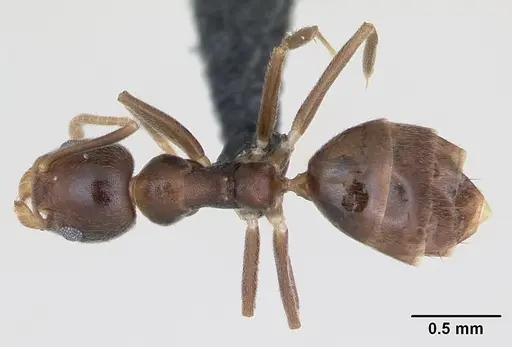
Literature
Loading distribution map...Loading products...