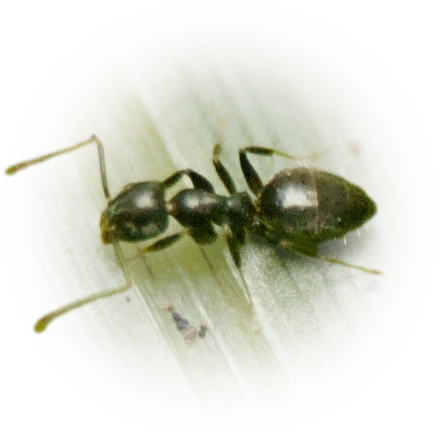
Difficult White-footed Ant
Technomyrmex difficilis
- Sci. Name
- Technomyrmex difficilis
- Tribe
- Tapinomini
- Subfamily
- Dolichoderinae
- Author
- Forel, 1892
- Common Name
- Difficult White-footed Ant
- Distribution
- Found in 7 countries
Introduction
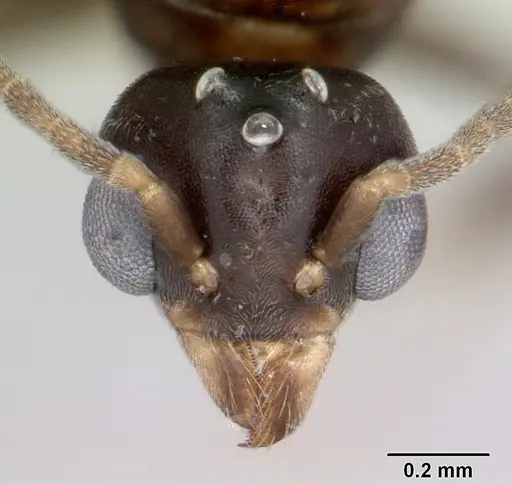
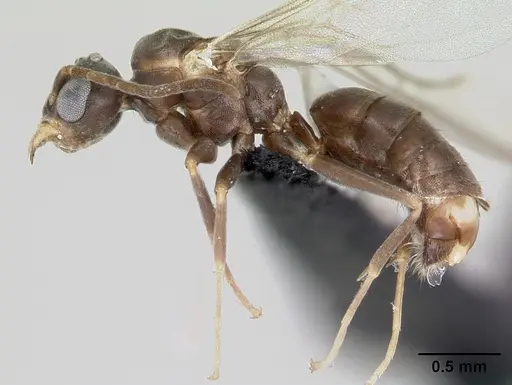
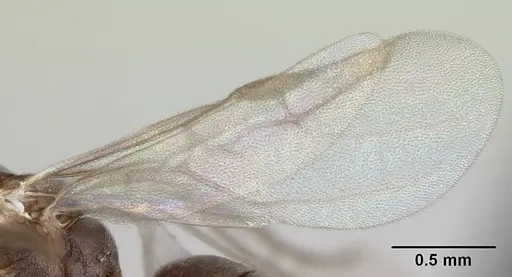
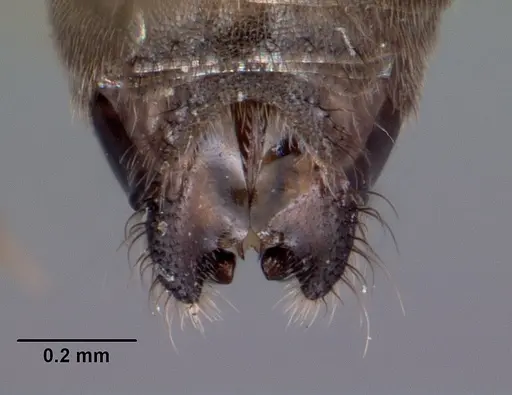
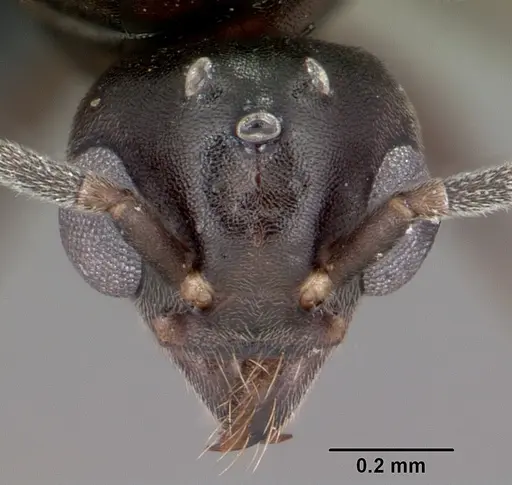
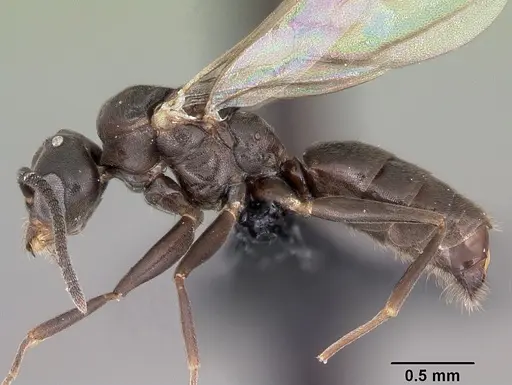
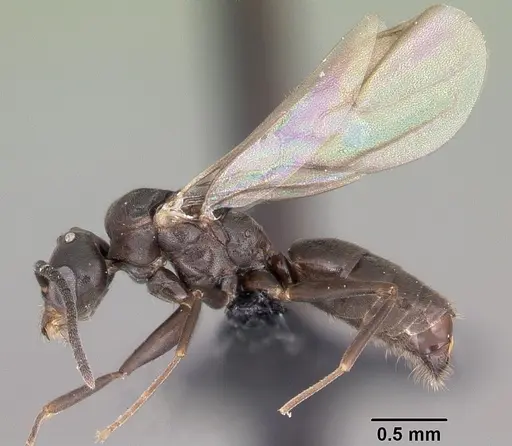
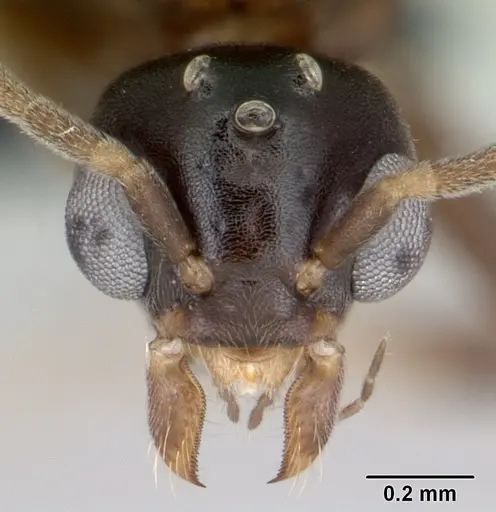
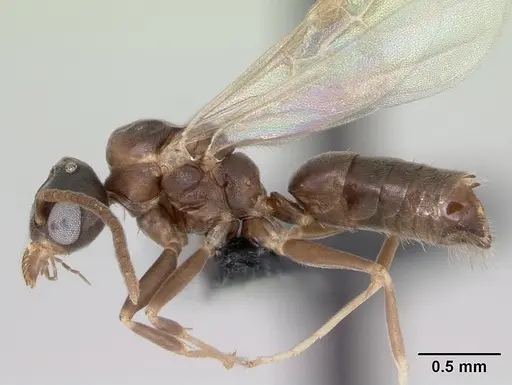
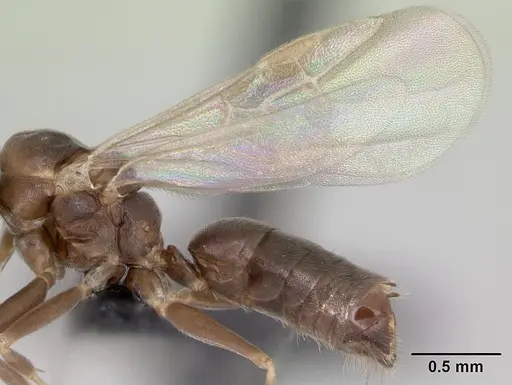
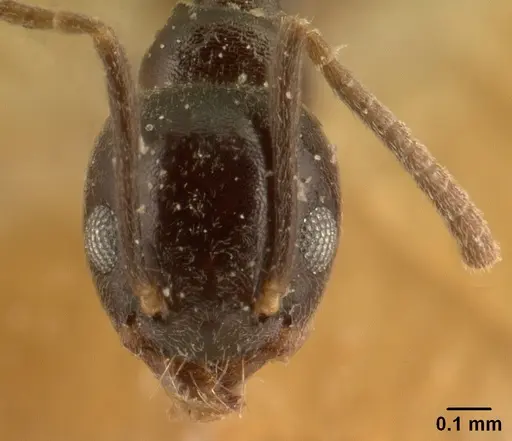
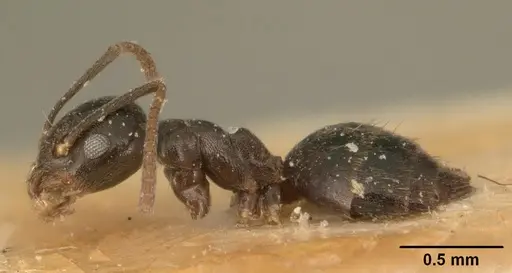
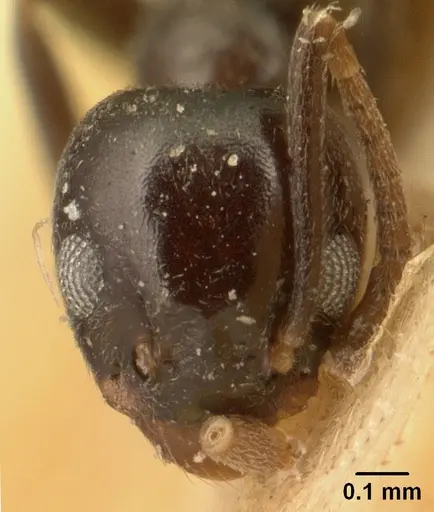
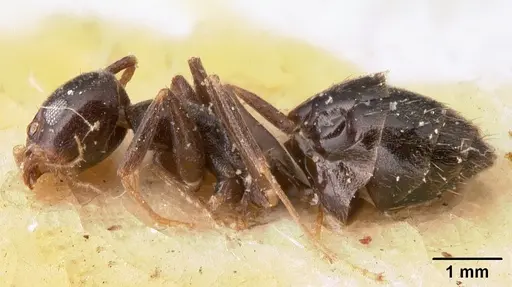
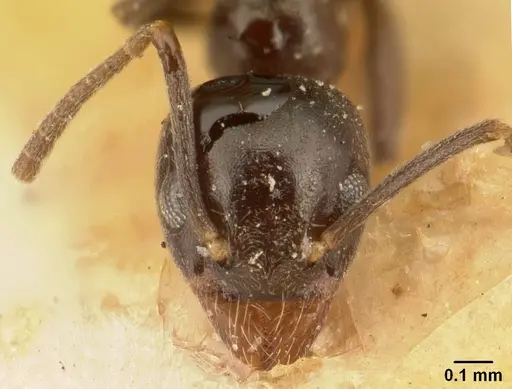
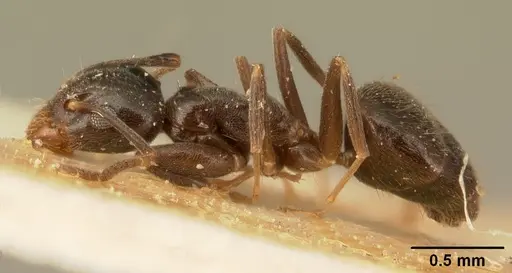
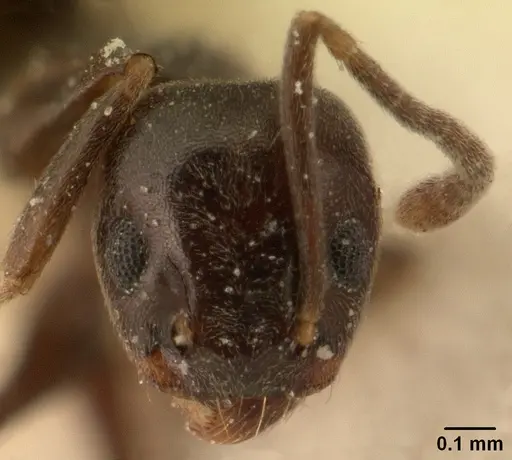
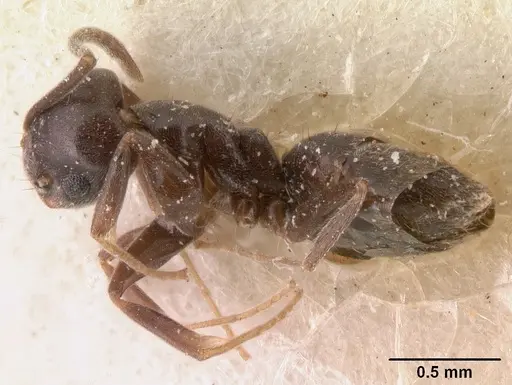
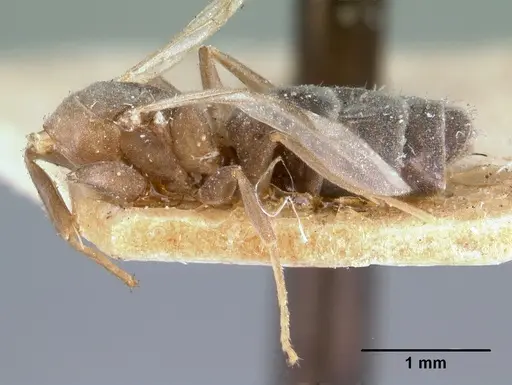
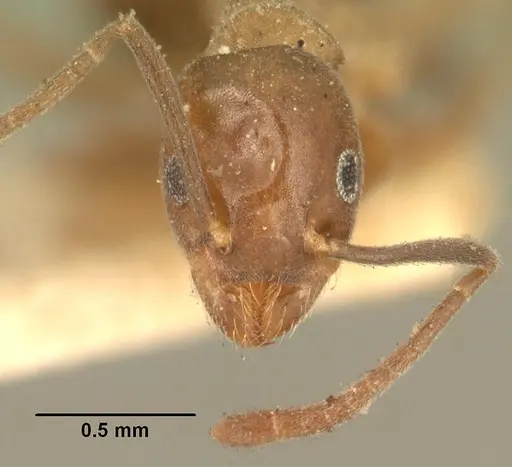
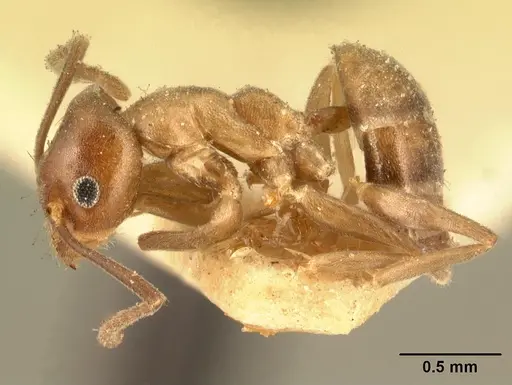
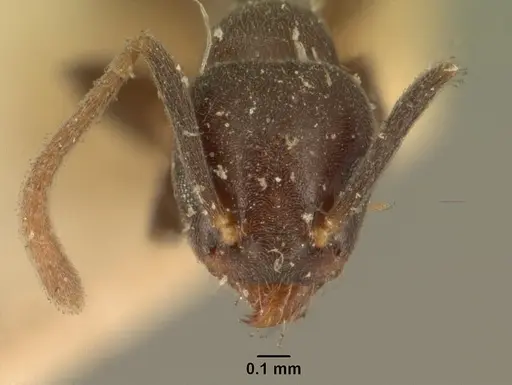
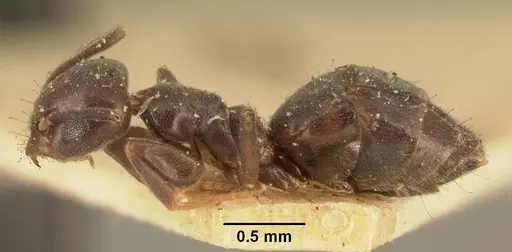
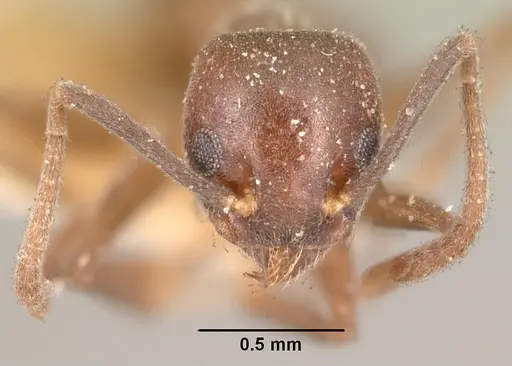
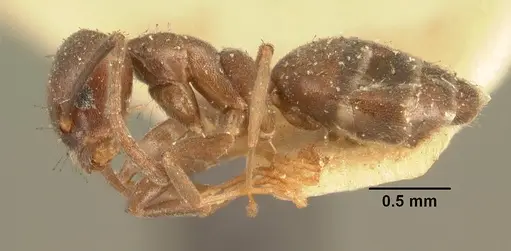
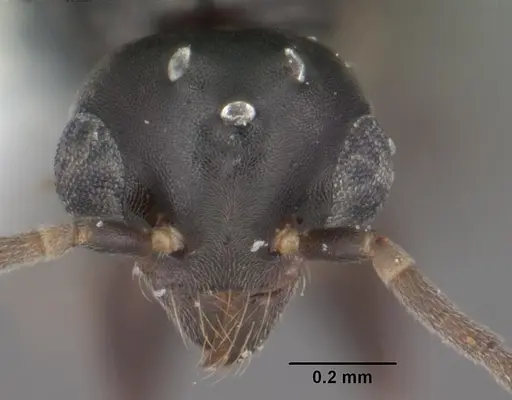
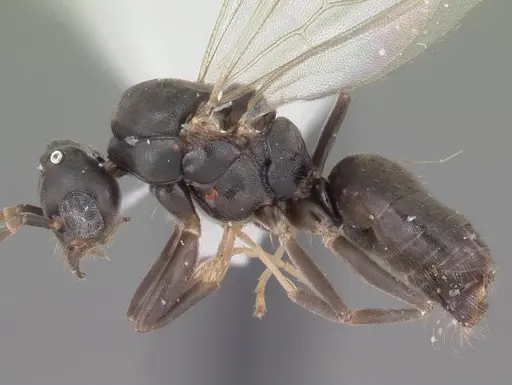
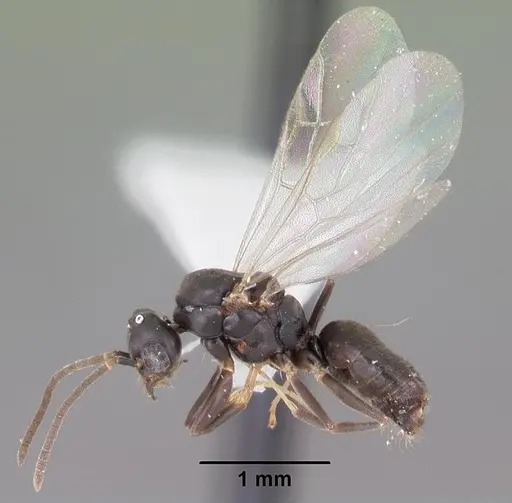
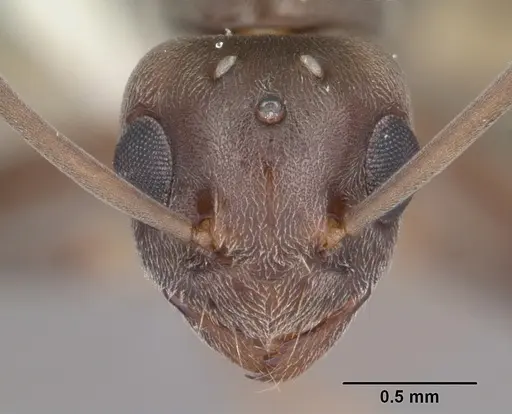
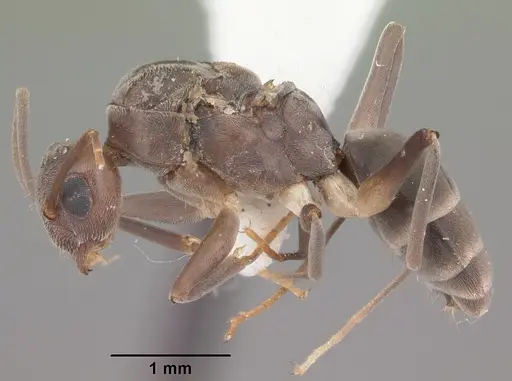
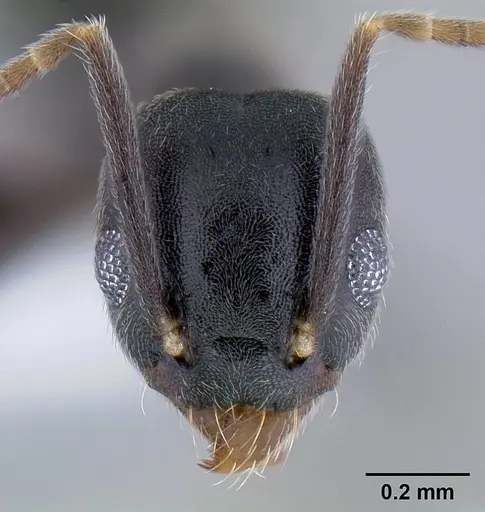
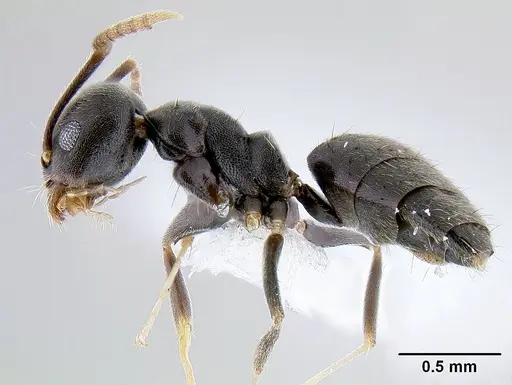
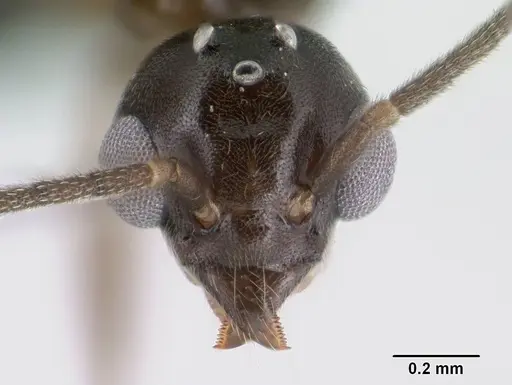
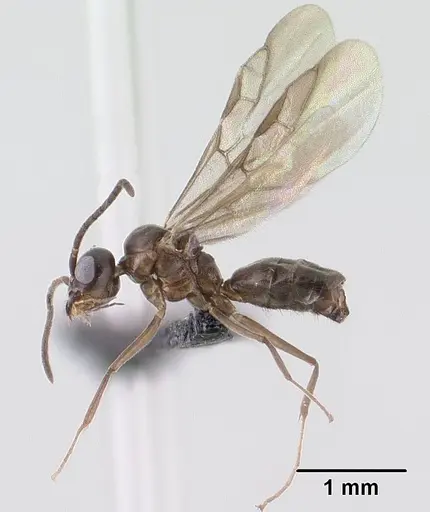
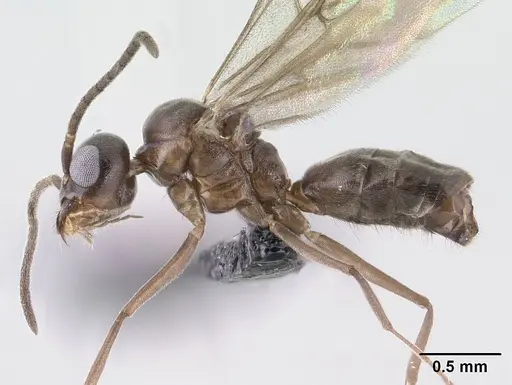
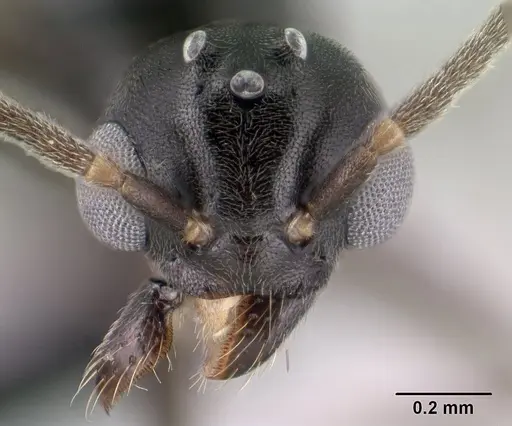
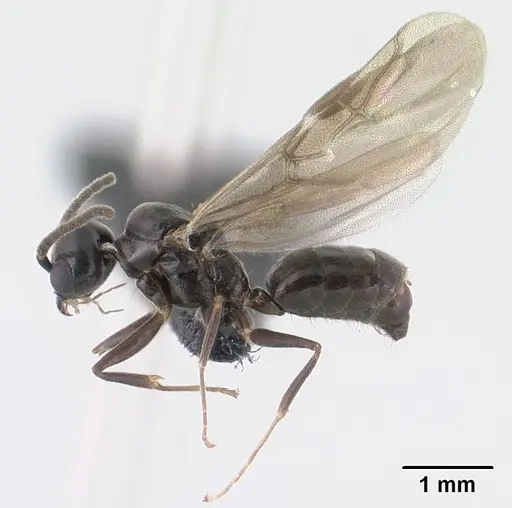
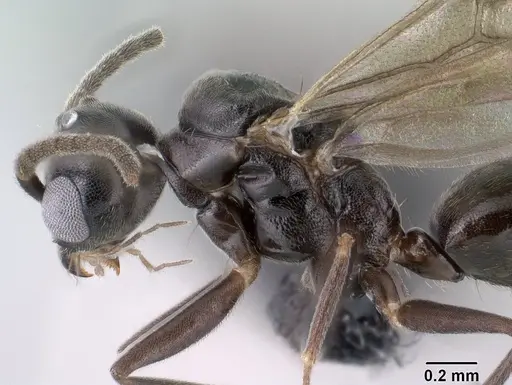
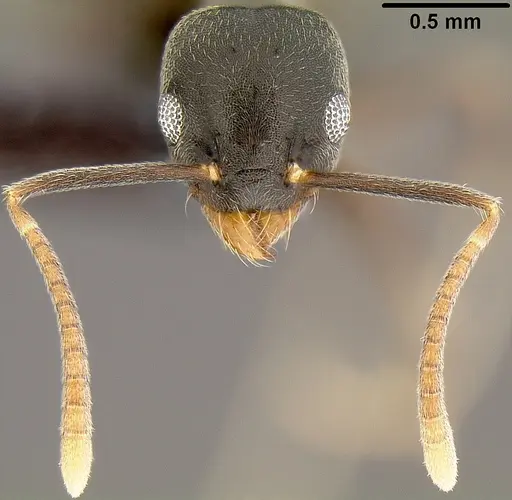
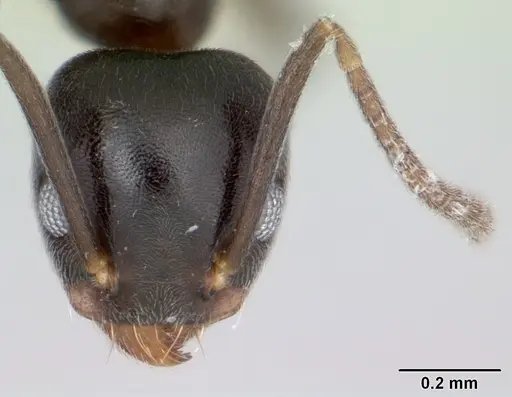
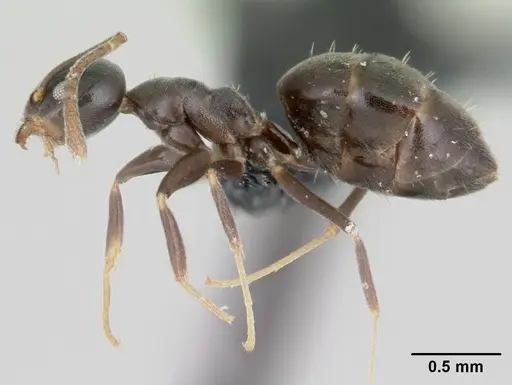
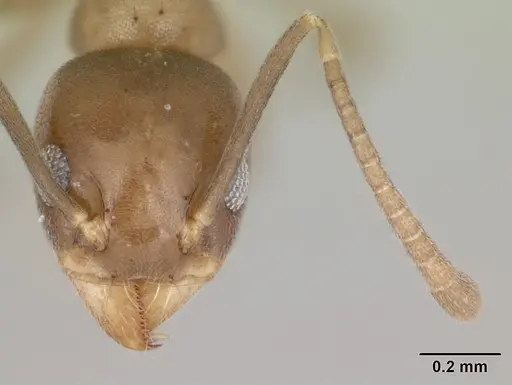
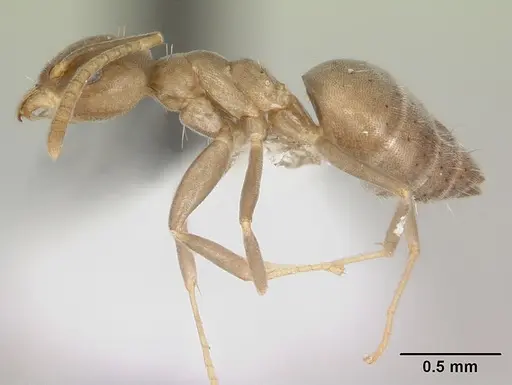
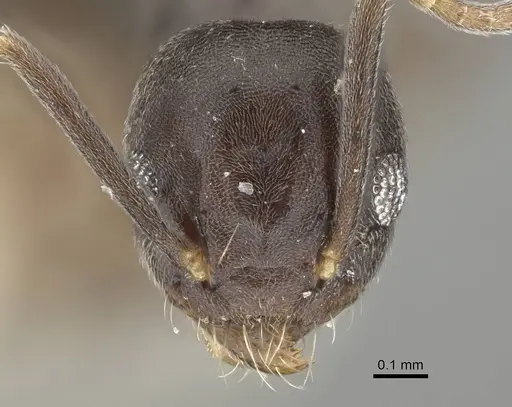
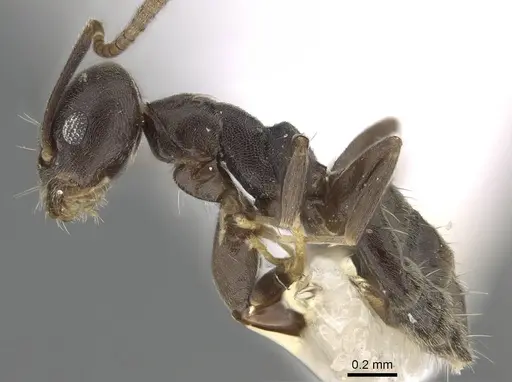
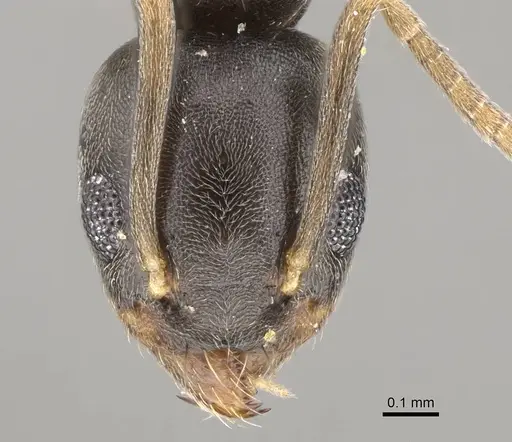
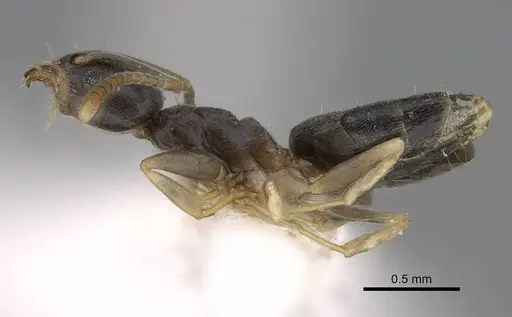
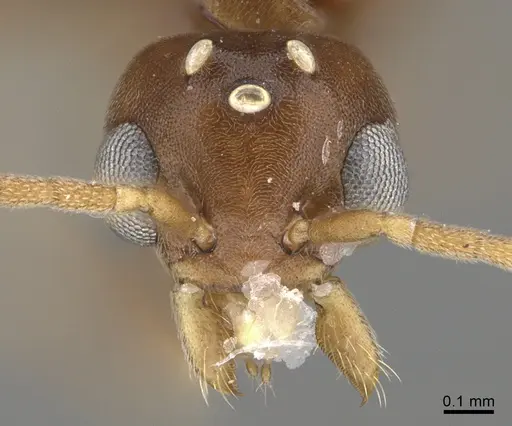
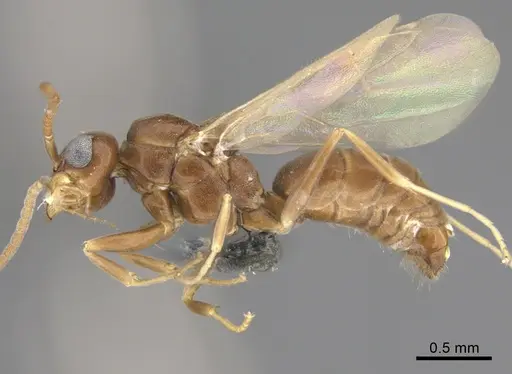
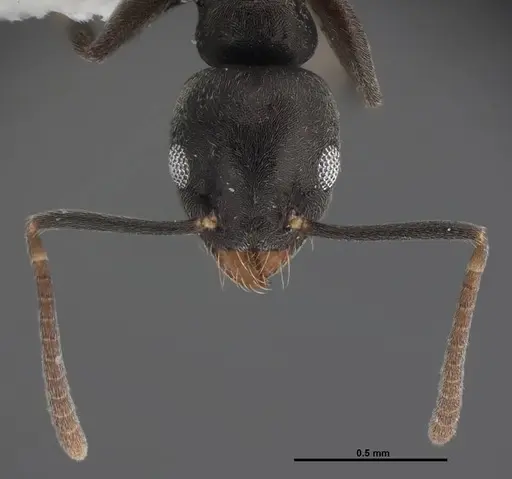
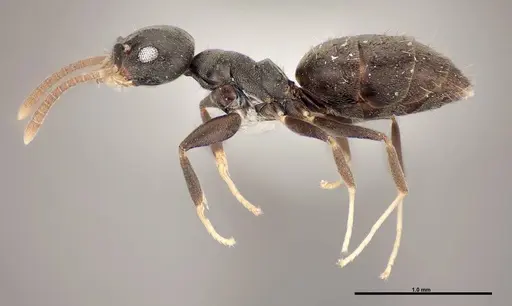
Technomyrmex difficilis is a small, dark ant. Workers measure 2.4 - 3.1 mm and queens reach about 3.3 mm . They have a dark brown to black body, with noticeably pale yellowish-white tarsi (feet) on the middle and hind legs . This species belongs to the Dolichoderinae subfamily, which means they defend themselves by smearing a sticky, foul-smelling secretion from an anal gland, they do not sting. Originally native to Madagascar, this tramp species has spread across tropical and subtropical regions worldwide over the past 60+ years. You can now find them throughout Southeast Asia, Oceania, the Caribbean, and parts of the southeastern United States . The most reliable way to identify them is a single pair of setae (hairs) on the top of the head behind the eyes, a trait missing in the closely related and more common Technomyrmex albipes . This species has an unusual colony structure. Instead of just one queen, colonies produce worker-queen intercastes, individuals with mixed worker and queen features that can lay eggs. The original queen eventually dies, and these intercastes take over reproduction . Colonies become polydomous, meaning they spread across multiple connected nests through a process called budding (splitting off new nest groups). This flexibility makes them a tough invasive pest and a fascinating, but challenging, species to keep.
Quick Summary
- Difficulty: Expert
- Origin & Habitat: Native to Madagascar, but now a pantropical invasive. Found across Southeast Asia, Oceania, the Caribbean, and the southeastern US [3]. In their native range they inhabit diverse forests and urban areas. As a tramp species, they thrive in human-modified landscapes, nesting in tree holes, under palm fronds, in leaf litter, and inside buildings [1][2]. WARNING: This is an invasive species in many regions. Do NOT release any ants outside. Extreme precautions must be taken to prevent escapes.
- Colony Type: Polydomous colonies with worker-queen intercastes. Original queens are replaced by these intercastes. Colonies spread by budding, making them very hard to control [3].
- Size & Growth:
- Queen: ~3.3 mm [2]
- Worker: 2.4, 3.1 mm [1]
- Colony: Large, thousands of workers in the wild. Polydomous colonies can span many nests [3].
- Growth: Fast
- Development: Estimated 4, 6 weeks at 25, 28 °C, based on related tramp species [5] (Warmer conditions speed up development. Intercastes can start reproducing earlier than normal claustral queens.)
- Antkeeping:
- Temperature: Keep at 24, 28 °C (tropical species). A heating cable on one side of the nest creates a useful gradient [5].
- Humidity: Moderate to high, they love moisture. Provide a water tube and keep the nest substrate slightly damp in one area. They are often found in kitchens and bathrooms looking for water [5].
- Diapause: No, tropical origin, no hibernation needed. They may slow down a bit in cooler periods.
- Nesting: Highly flexible but prefer enclosed spaces. Use test tubes for founding, then switch to Y-tong, plaster, or soil nests. Always include a constant water source. Do NOT use acrylic nests.
- Behavior: Calm and non-aggressive toward humans. Workers forage in trails and are drawn to sweet liquids and moisture. Their small size (2.4, 3.1 mm) means they can slip through small gaps, use tight barriers. Escape risk is moderate for their size. They protect aphids and scale insects for honeydew. Defend by smearing smelly anal secretions (no sting).
- Common Issues: Colonies spread by budding and become polydomous, so a single escaped worker can start a new nest., Their constant need for moisture means a dry nest can quickly kill them, always provide a water source., Because they are invasive, you must never release them. Some countries restrict keeping tramp ants, check local laws., Intercastes can replace the queen, so even if the queen dies, the colony continues, don't assume it's dead.
Housing and Nest Setup
Technomyrmex difficilis is very adaptable. For a new colony, a standard test tube with a water reservoir (sealed with cotton) works well, they need constant moisture access [5]. When the colony grows, move them to a Y-tong, plaster, or soil nest. Avoid acrylic nests. Because they are polydomous, you can connect multiple chambers or nest types. Provide a separate water tube or moist area in the outworld. They forage in open spaces but nest in tight, dark cavities. Cover the nest to keep it dark, and use fluon or oil barriers on the outworld walls, these ants can climb smooth surfaces.
Feeding and Diet
These ants love sweet things. In the wild they feed on plant nectar and honeydew from sap-sucking insects [1]. In captivity, always provide a sugar source: honey, sugar water, or diluted maple syrup. They also need protein, dead insects (crickets, flies, mealworms) are taken readily [1]. Offer protein 2, 3 times per week. They will recruit in trails to food. Because they protect Hemiptera for honeydew, you might see them tending aphids in a planted outworld. Remove uneaten protein after a day to avoid mold.
Temperature and Seasonal Care
Keep your colony at 24, 28 °C for best activity and growth. This is a tropical species, related Technomyrmex develop faster in warm conditions [5]. Use a heating cable on one side of the nest to create a gradient. They do not need hibernation (diapause) because they come from Madagascar's tropical climate. They may become a little less active if it's cooler, but year-round warmth is ideal. Room temperature (20, 24 °C) is okay, but growth will be slower.
Colony Structure and Reproduction
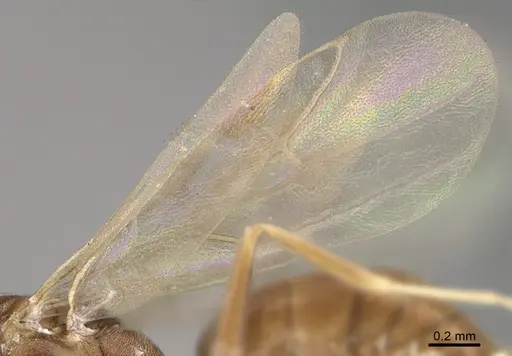
The most unusual feature of Technomyrmex difficilis is its colony structure. Instead of a single queen for life, this species produces worker-queen intercastes, individuals that are halfway between workers and queens [3]. These intercastes have a spermatheca (sperm storage organ) and can lay eggs. When the original queen dies, intercastes take over. Nearly half the colony can be intercastes! Colonies also become polydomous: they create multiple connected nests that can split off by budding. This is why they are so hard to control as pests, destroying one nest doesn't kill the colony. In captivity, you may never see winged reproductives because the colony reproduces through budding.
Behavior and Temperament
Technomyrmex difficilis workers are calm and rarely aggressive toward humans. They forage in trails, most active at night or during cooler parts of the day [1]. Their small size (2.4, 3.1 mm) means they can squeeze through tiny gaps, use tight sealants and barriers. They are strongly attracted to moisture, which explains why they often invade kitchens and bathrooms [5]. They will farm aphids for honeydew. Defensively, they belong to Dolichoderinae, so they smear a sticky, scented secretion from the anal gland, no sting. The secretion can be mildly irritating but is harmless. Overall, they are manageable but require attention to humidity and escape prevention.
Frequently Asked Questions
Can I keep Technomyrmex difficilis in a test tube?
Yes, test tubes work great for founding and small colonies. Make sure to pack the cotton snugly so the ants can't get past it. Always keep the water reservoir full, these ants need constant moisture. A test tube setup with a water section and a cotton plug gives them the damp conditions they love.
How long until first workers appear?
Based on related tramp species, expect the first workers (nanitics) in about 4, 6 weeks at 25, 28 °C. Development speeds up in warmer conditions and slows down at room temperature [5].
Are Technomyrmex difficilis good for beginners?
No, they are classed as Expert difficulty. They are invasive, must never be released, require constant moisture and warmth, and their colony can spread through budding, so one escape could start a new infestation. Only keep them if you have experience and secure setups.
Can I keep multiple queens together?
Their natural structure involves intercastes rather than multiple founding queens. It is not documented that unrelated queens coexist peacefully. The colony already has multiple egg-layers (intercastes) once established, so there is no need to introduce extra queens. It is best to start with one queen and let the colony grow naturally.
What do Technomyrmex difficilis eat?
They need a balanced diet: constant sugar source (honey, sugar water, maple syrup) and protein offered 2, 3 times per week (dead insects, mealworms). They are especially attracted to sweet liquids and will recruit trails to them.
How big do colonies get?
In the wild, colonies can reach thousands of workers and become polydomous (many connected nests). In captivity, with good care they can grow to several hundred workers within a year. Their size is limited only by the space and food you provide.
Do they need hibernation?
No. As a tropical species from Madagascar, they do not require diapause. Keep them warm year-round (24, 28 °C). They may slow down a little during cool spells, but that is normal.
Why are they called 'difficult' white-footed ant?
The common name 'difficult' comes from how hard they are to control as a pest. Their polydomous colonies (multiple nests), budding reproduction, and replacement of queens by intercastes make eradication very difficult [3].
How do I identify Technomyrmex difficilis vs T. albipes?
The key is a single pair of setae (hairs) on the top of the head behind the eyes, Technomyrmex albipes lacks these hairs [4]. Also, Technomyrmex difficilis has noticeably paler tarsi (feet) on the middle and hind legs compared to the tibiae. Look for the yellow-white hind feet under magnification.
Report an Issue
The current care sheet is based fully on literature. See inconsistencies, or something that's incorrect? Please , it will be resolved after review from an admin. Contributing to the blogs tab also helps providing information, to make us be able to further improve the caresheets. Thank you for your support!
References

This caresheet is licensed under CC BY-SA 4.0 .
Community Blogs
CASENT0003175
View on AntWeb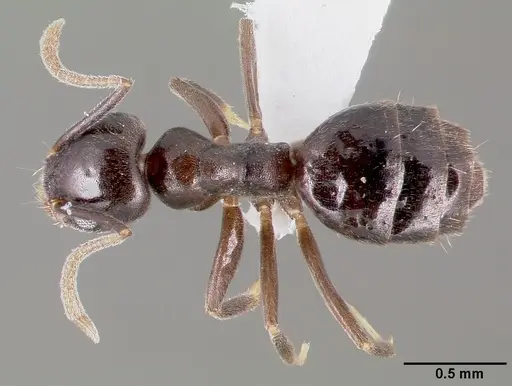
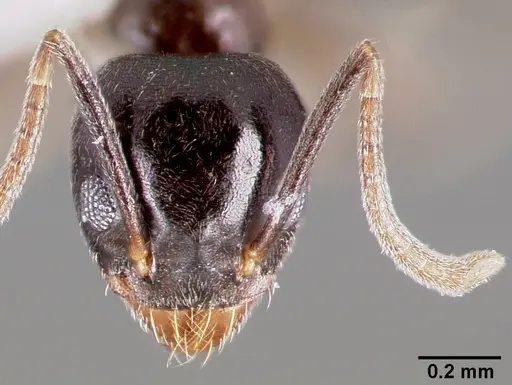
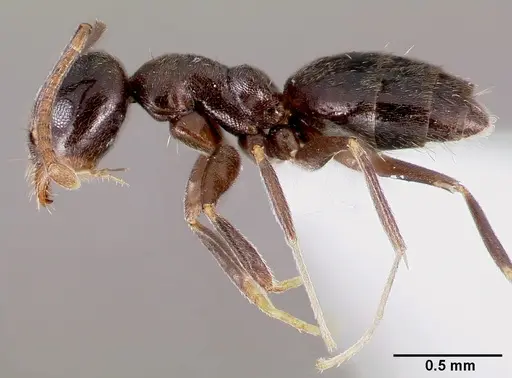
CASENT0003318
View on AntWeb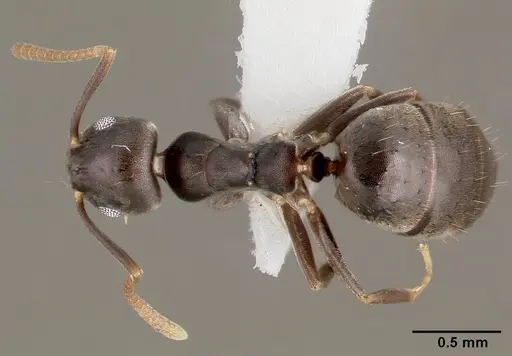
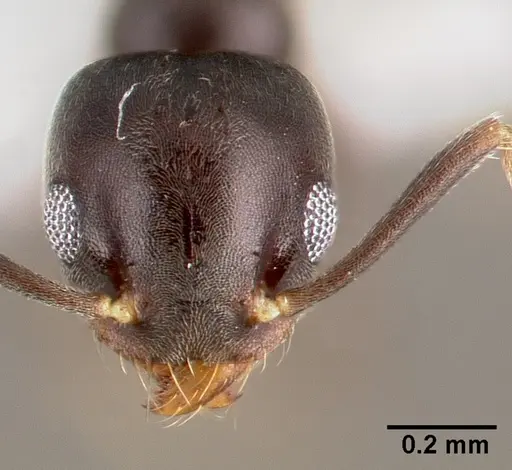
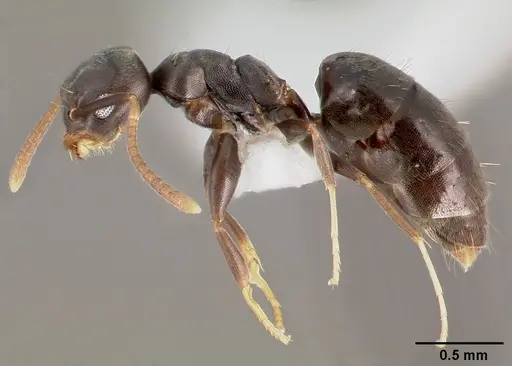
CASENT0007856
View on AntWeb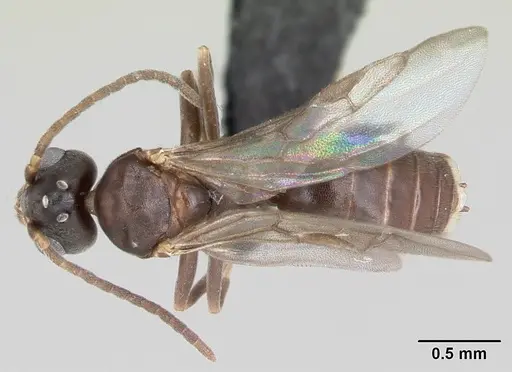
CASENT0049527
View on AntWeb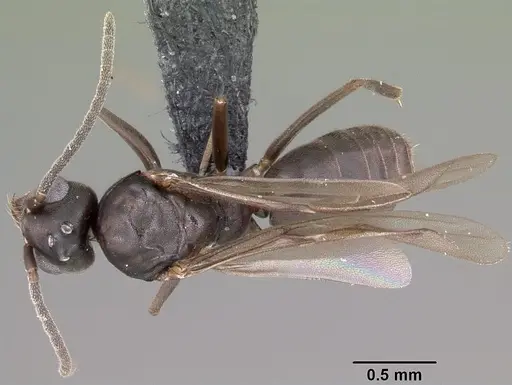
CASENT0049968
View on AntWeb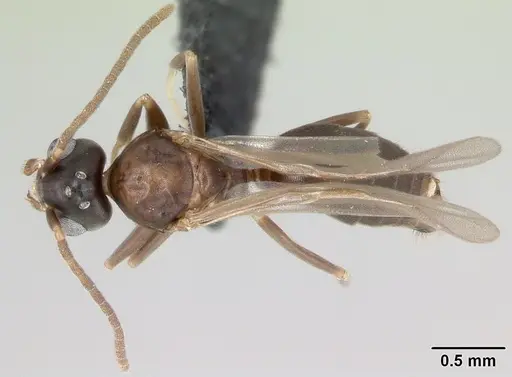
CASENT0101077
View on AntWeb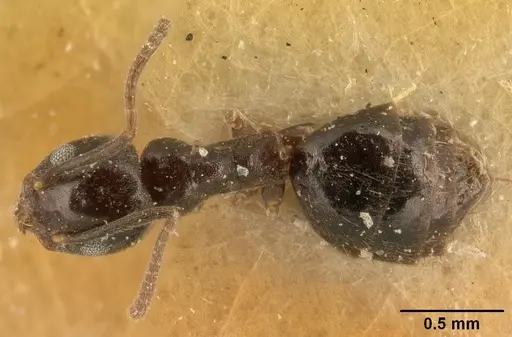
CASENT0101078
View on AntWeb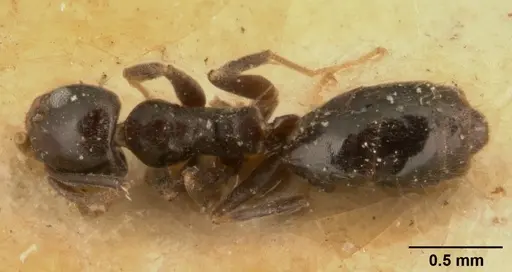
CASENT0101079
View on AntWeb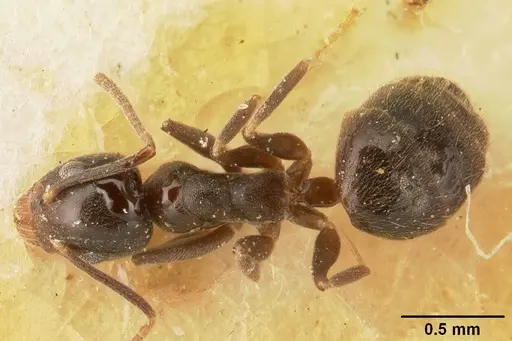
CASENT0101080
View on AntWeb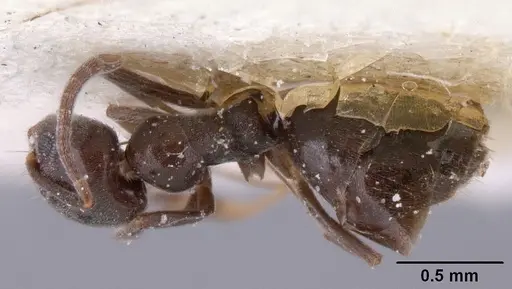
CASENT0101671
View on AntWeb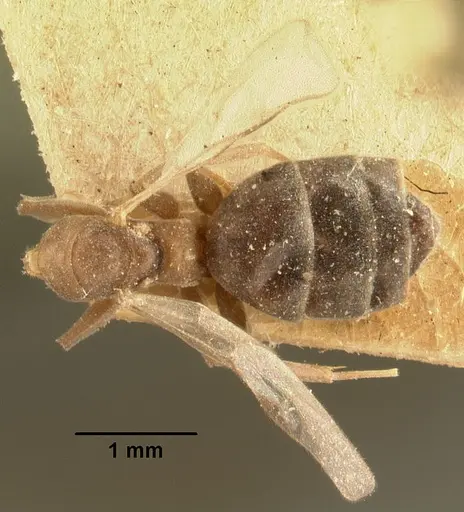
CASENT0101791
View on AntWeb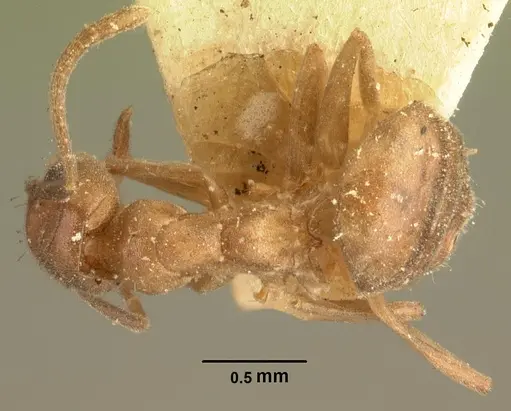
CASENT0101823
View on AntWeb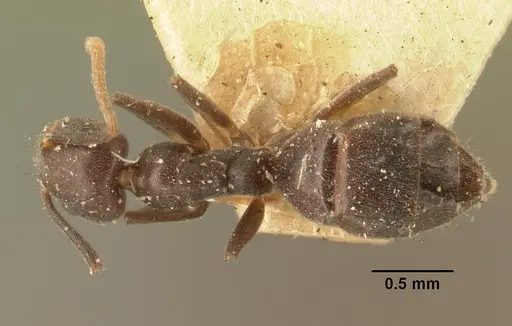
CASENT0101932
View on AntWeb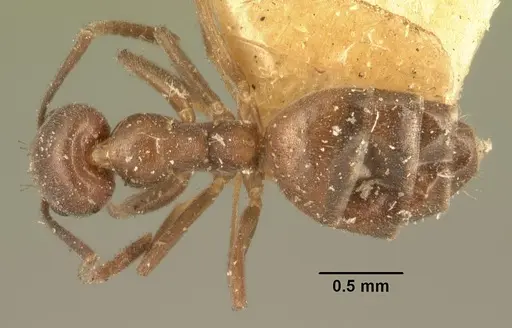
CASENT0102735
View on AntWeb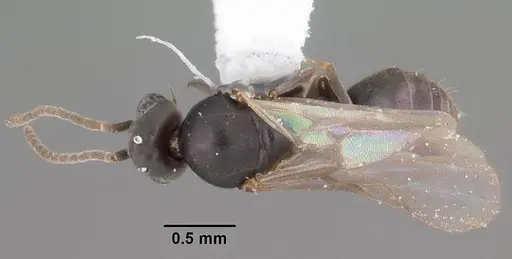
CASENT0104538
View on AntWeb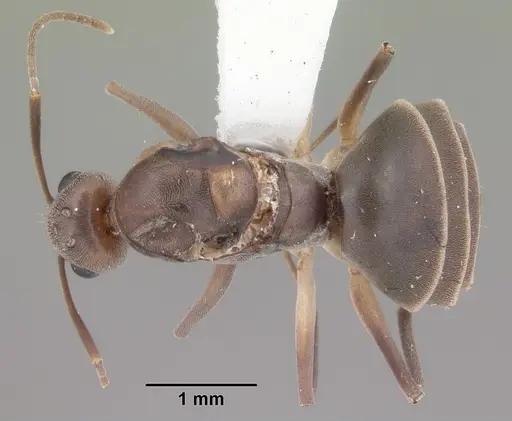
CASENT0106111
View on AntWeb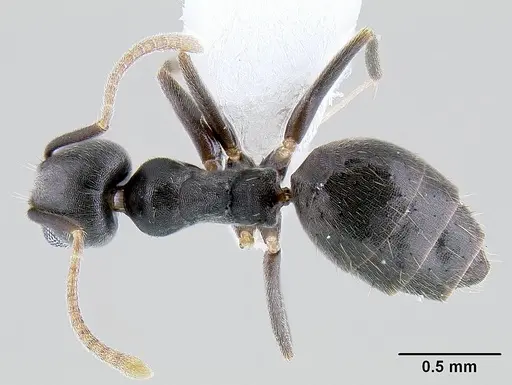
CASENT0138571
View on AntWeb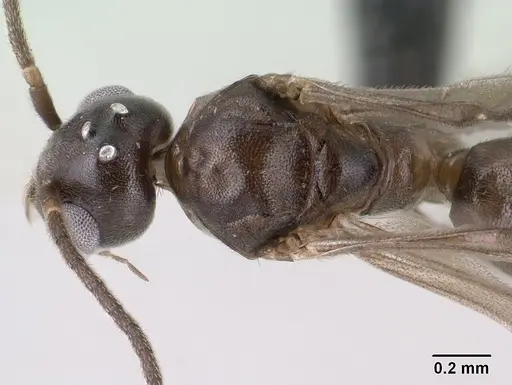
CASENT0143675
View on AntWeb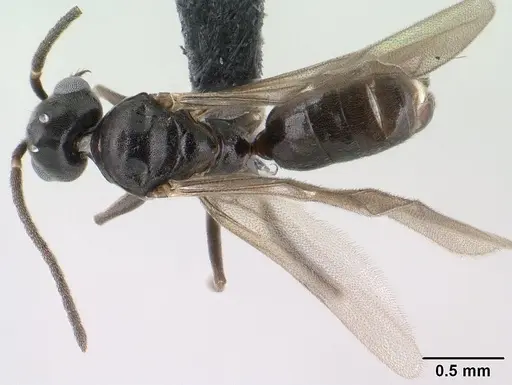
CASENT0171131
View on AntWeb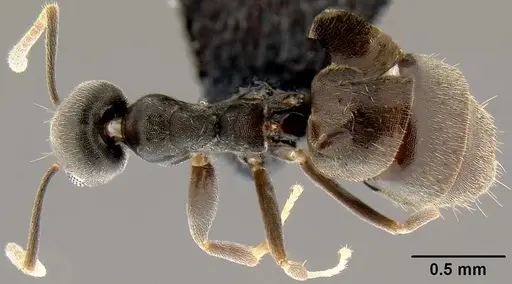
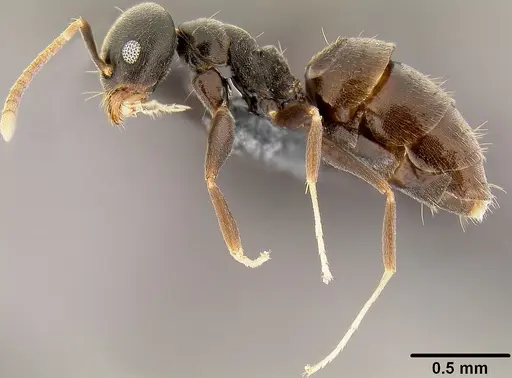
CASENT0249781
View on AntWeb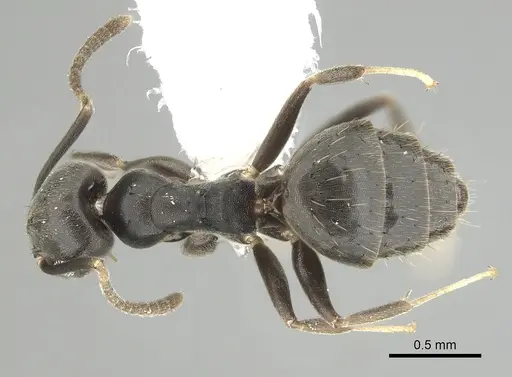
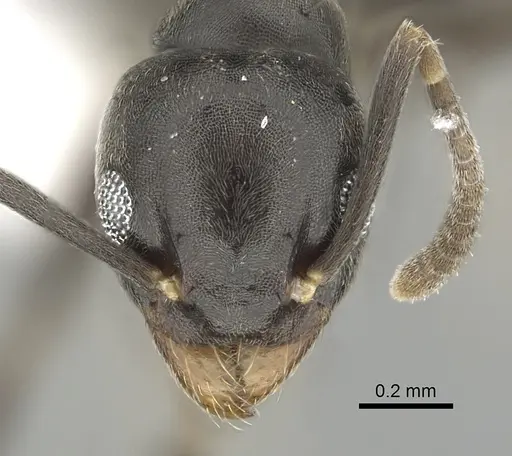
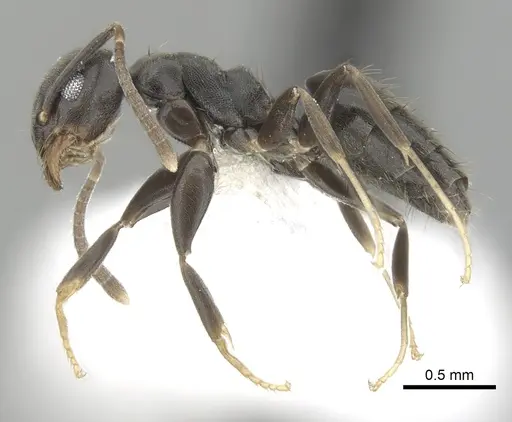
CASENT0345020
View on AntWeb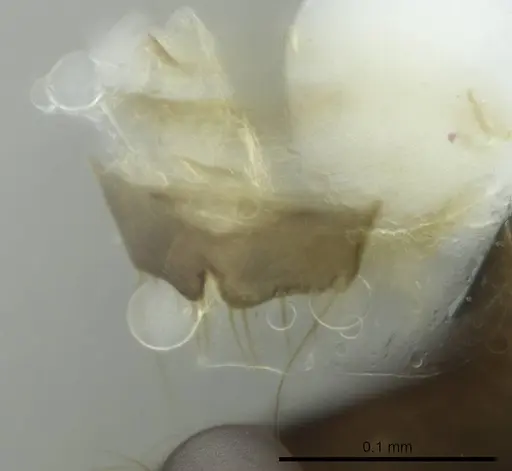
CASENT0345021
View on AntWeb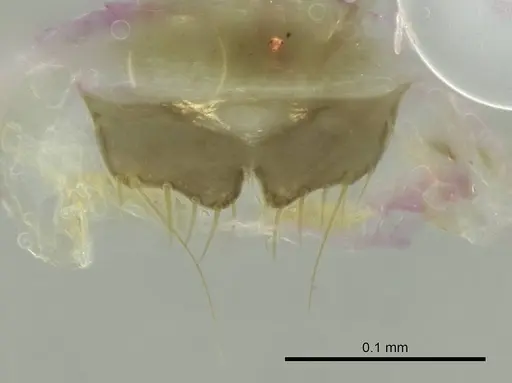
CASENT0345022
View on AntWeb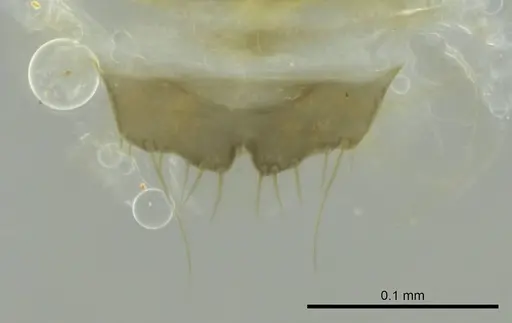
CASENT0345023
View on AntWeb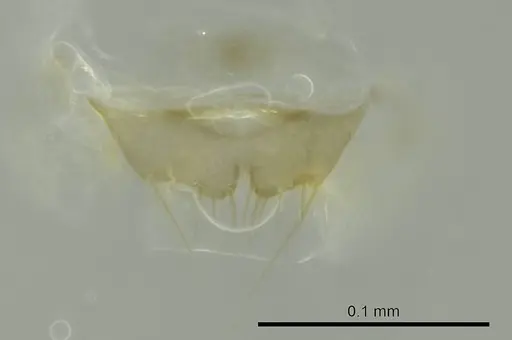
CASENT0419034
View on AntWeb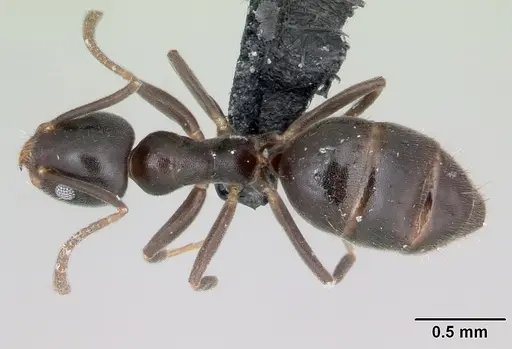
CASENT0419194
View on AntWeb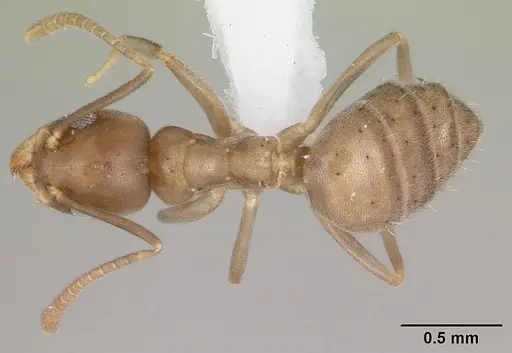
CASENT0919863
View on AntWeb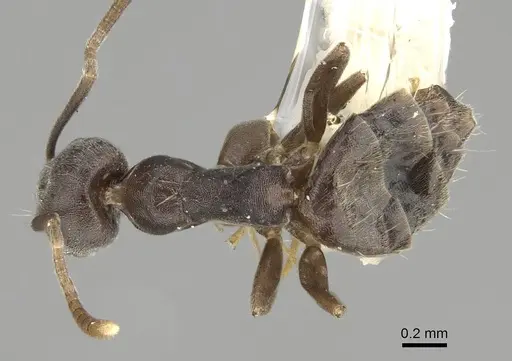
CASENT0922887
View on AntWeb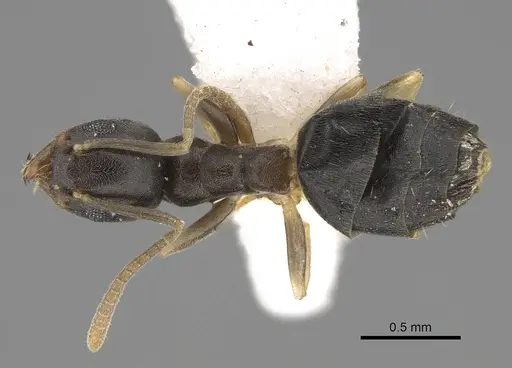
CASENT4025045
View on AntWeb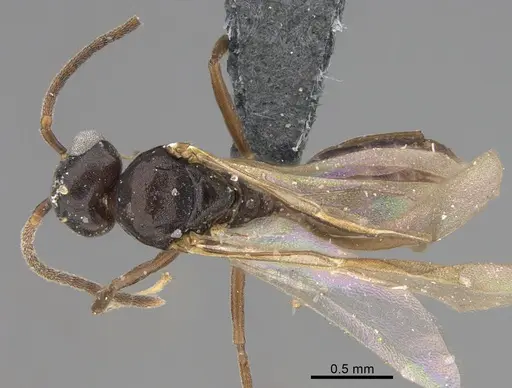
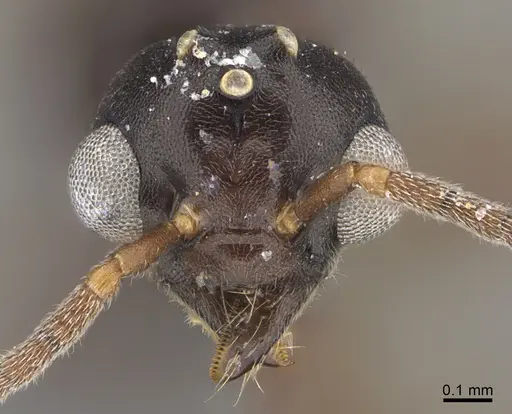
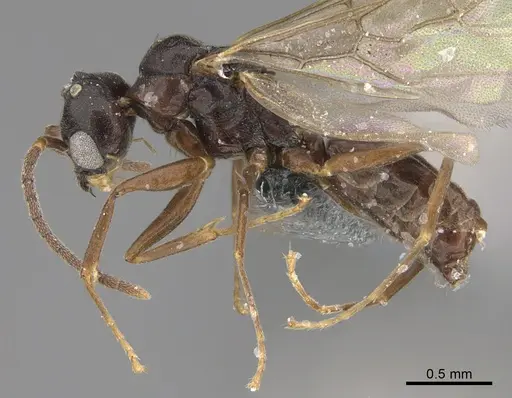
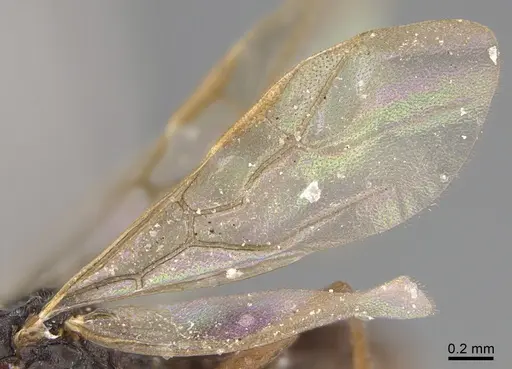
CASENT4025461
View on AntWeb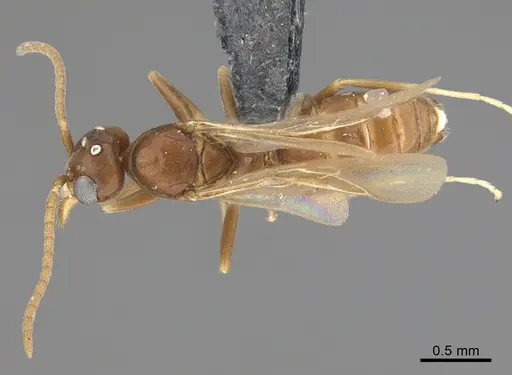
FMNHINS0000078517
View on AntWeb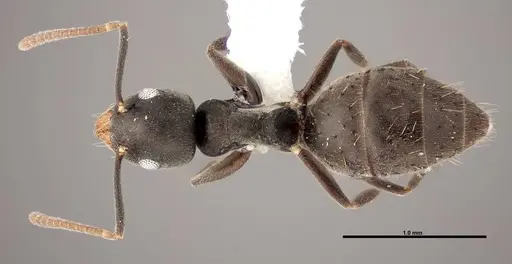
Literature
Loading distribution map...Loading products...