
Technomyrmex curiosus
- Sci. Name
- Technomyrmex curiosus
- Tribe
- Tapinomini
- Subfamily
- Dolichoderinae
- Author
- Fisher & Bolton, 2007
- Distribution
- Found in 1 countries
Introduction
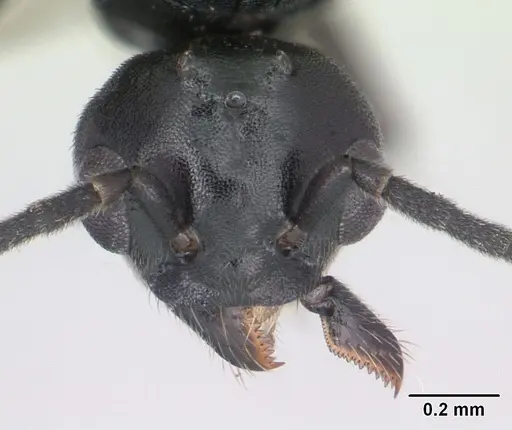
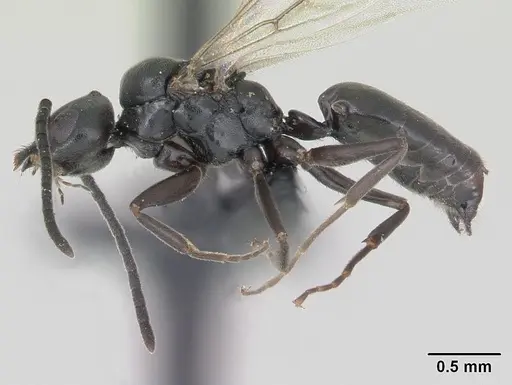
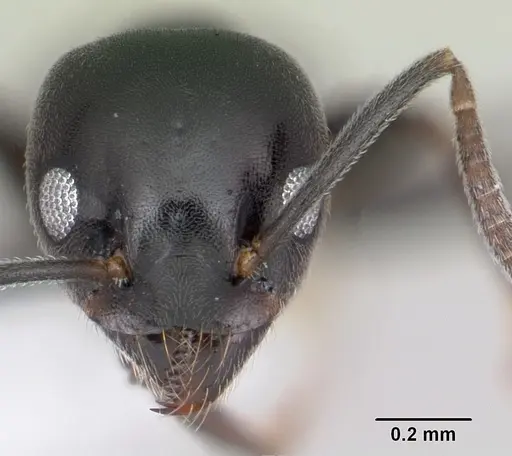
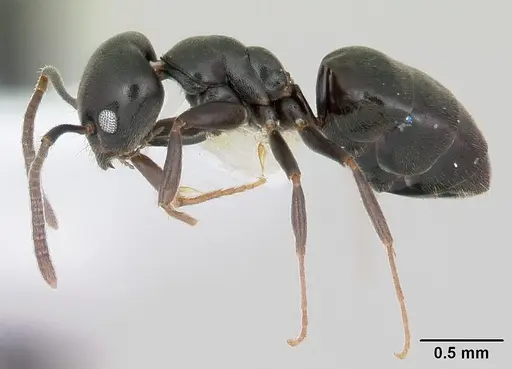
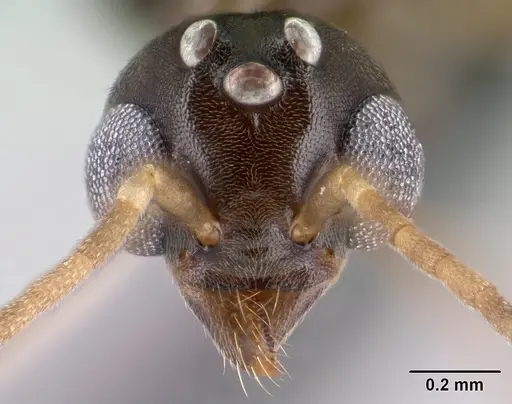
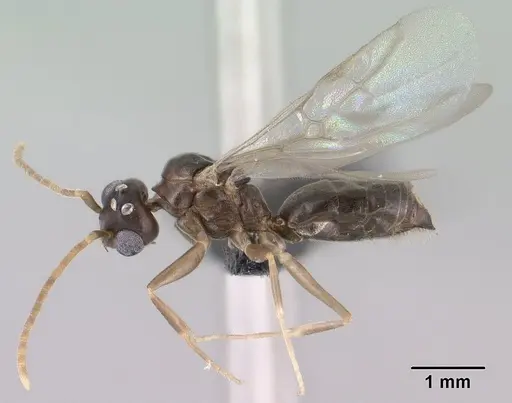
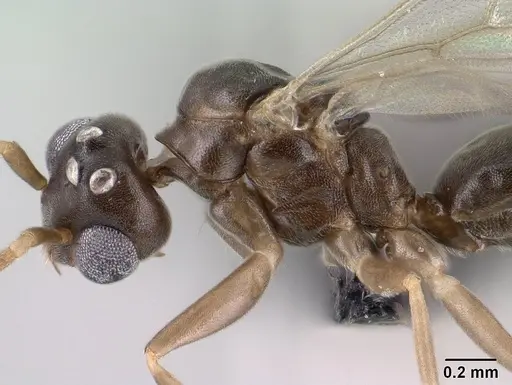
Technomyrmex curiosus is a small, dark ant native to Madagascar, with workers measuring 2.6-2.9 mm in total length . It belongs to the Dolichoderinae subfamily and the Technomyrmex albipes group, and was formally described by Fisher & Bolton in 2007 . The species is easily recognized by its almost hairless body: it lacks bristles on the mesosoma and has virtually none on the first two abdominal segments . Workers are black with slightly lighter tibiae and tarsi. They have a short, compact body shape. The type colony was collected from native grass at a high elevation (2100 m) in Andringitra National Park, Madagascar . Unlike many relatives that have become widespread tramp species, T. curiosus remains confined to its native range.
Quick Summary
- Difficulty: Medium
- Origin & Habitat: Native to the Malagasy region (Madagascar), specifically found in high-elevation grasslands in Andringitra National Park at about 2100 m altitude [1]. The type colony was collected from native grass, indicating it prefers open grassland habitats.
- Colony Type: Colony structure is unconfirmed for this species. There is no documented evidence about queen number or social organization.
- Size & Growth:
- Queen: Undocumented, no queen measurements are available in scientific literature.
- Worker: 2.6-2.9 mm [1]
- Colony: Unknown, no colony size data available.
- Growth: Unknown, growth rate has not been studied.
- Development: Estimated 6-10 weeks based on typical Dolichoderinae development patterns at optimal temperature (unconfirmed for this species). (Development timeline is unconfirmed. Dolichoderinae ants typically develop from egg to worker in 6-8 weeks at warm temperatures, but this varies by species and conditions.)
- Antkeeping:
- Temperature: Keep at 22-26 °C as a starting point. The high‑elevation Madagascar habitat (2100 m) suggests they can tolerate cooler conditions than typical tropical ants, but they likely prefer moderate warmth. Avoid temperatures above 30 °C.
- Humidity: Moderate humidity around 50-70 % should work well. The native grassland habitat suggests they are accustomed to some moisture but not saturated conditions. Provide a water source and allow the nest to dry out slightly between mistings.
- Diapause: Unknown, no documented hibernation requirements. The high‑elevation origin may suggest some cold tolerance, but winter care is unstudied.
- Nesting: Natural nesting occurs in grass tussocks and soil. In captivity, test tubes work well for founding, for established colonies, a plaster or soil nest with fine chambers is suitable. Ensure tight seals to prevent escape.
- Behavior: Technomyrmex ants are generally non‑aggressive and tend to avoid confrontation. Like other Dolichoderinae, they lack a stinger and instead exude a sticky, foul‑smelling substance from their anal gland as a defense (smear defense). Workers are active foragers that likely tend honeydew‑producing insects and collect small prey in nature. Their small size (under 3 mm) means escape prevention is critical, they can fit through very small gaps. They are not known for biting humans and pose minimal danger to keepers.
- Common Issues: small size makes escape prevention critical, use fine mesh and tight‑fitting lids., colony growth rate is unknown, which may lead to overfeeding or premature colony stress if expectations are wrong., no documented hibernation requirements means winter care is uncertain., limited scientific data means many care aspects are based on genus‑level inference rather than species‑specific research., high‑elevation origin may make them sensitive to overheating, avoid temperatures above 30 °C.
Housing and Nest Setup
For founding colonies, a simple test tube setup works well. Fill a test tube one‑third with water, plug with cotton, and place the queen in it. She will settle and begin laying eggs. Once nanitic workers have hatched, you can continue in the test tube or transfer to a small formicarium. For established colonies, plaster or soil nests with small chambers work well, these ants do not need large spaces. Because workers are only 2.6-2.9 mm, they can squeeze through tiny gaps, so always use fine mesh on ventilation holes and check lid seals regularly. [1]
Feeding and Diet
In the wild, Technomyrmex species typically feed on honeydew from aphids and scale insects, plus small insects and other protein sources. In captivity, offer a mix of sugar water or honey (for energy) and protein sources like small fruit flies, pinhead crickets, or other tiny insects. Feed protein roughly twice a week, and keep a constant sugar water supply. Remove uneaten food after 24-48 hours to prevent mold. Since this species is small, prey items should be appropriately sized, tiny insects are better than large ones. Acceptance of sugar sources is likely based on typical Technomyrmex behavior, but has not been specifically documented for T. curiosus. [1]
Temperature and Seasonal Care
Based on the high‑elevation Madagascar habitat (2100 m in Andringitra), these ants likely prefer moderate temperatures rather than extreme heat. Start with a range of 22-26 °C and observe colony behavior. If workers cluster together and show reduced activity, the temperature may be too low. If they avoid the nest area and seem agitated, it may be too warm. Avoid temperatures above 30 °C as this could stress the colony. For winter, if your colony shows reduced activity, you might provide a cooler period around 15-18 °C, but this is speculative since hibernation requirements are unconfirmed. Monitor your specific colony's response to seasonal changes. [1]
Behavior and Handling
Technomyrmex curiosus workers are small, dark ants that are generally calm and non‑aggressive. Like all Dolichoderinae, they lack a functional stinger and instead exude a sticky, foul‑smelling substance from their anal gland as a defense, this is harmless to humans in normal circumstances but can be irritating if ants are disturbed excessively. Workers are active foragers and will readily explore their outworld for food. They do not bite aggressively and are safe to handle gently if necessary. The main handling concern is their small size, they are fragile and can be injured if handled roughly. Their escape abilities should not be underestimated despite their small size. [1]
Frequently Asked Questions
How long does it take for Technomyrmex curiosus to have first workers?
The exact egg‑to‑worker timeline is unconfirmed for this species. Based on typical Dolichoderinae development, expect around 6-10 weeks from egg to first worker at optimal temperature (around 24-26 °C). The first workers (nanitics) will be smaller than mature workers and may take additional time to develop fully.
Can I keep Technomyrmex curiosus in a test tube?
Yes, test tubes work well for founding colonies. Use a standard test tube setup with a water reservoir (cotton‑stopped) and provide the queen with a dark, quiet space to found her colony. Once the colony has 10-20 workers, you can consider moving to a small formicarium if desired.
What do Technomyrmex curiosus eat?
Based on typical Technomyrmex diet, they likely feed on honeydew and small insects. In captivity, offer sugar water or honey for energy and small protein sources like fruit flies, tiny crickets, or other small insects. Feed protein roughly twice weekly with sugar available constantly.
Are Technomyrmex curiosus good for beginners?
This species is rated as Medium difficulty. While not the most challenging ant to keep, there is limited species‑specific care information available, which can make troubleshooting more difficult. Their small size also requires attention to escape prevention. Beginners should be comfortable with basic ant‑keeping setups before attempting this species.
How big do Technomyrmex curiosus colonies get?
Colony size data is not available for this species. Based on related Technomyrmex species, colonies may reach several hundred workers over time, but this is an estimate rather than confirmed data.
Do Technomyrmex curiosus need hibernation?
Hibernation requirements are unconfirmed for this species. The high‑elevation Madagascar origin suggests they may tolerate cooler temperatures, but specific diapause behavior has not been documented. Monitor your colony's activity levels and provide a cooler period in winter if they show reduced activity.
When should I move Technomyrmex curiosus to a formicarium?
You can keep them in a test tube setup for the founding stage. Once the colony reaches around 20-30 workers and the test tube water reservoir needs refilling frequently, or if the colony seems cramped, consider moving to a small formicarium (plaster or soil nest).
Why are my Technomyrmex curiosus dying?
Without specific data on this species, common issues could include: temperature stress (too hot or too cold), inadequate humidity, escape‑related losses due to their tiny size, or poor nutrition. Review basic parameters, ensure temperatures stay below 30 °C, provide appropriate humidity, verify escape prevention is complete, and offer varied food. Limited scientific data means some trial and observation may be necessary.
Can I keep multiple Technomyrmex curiosus queens together?
Colony structure is unconfirmed for this species. Combining unrelated queens is not recommended since this has not been documented and could result in aggression. If you obtain a colony, assume single‑queen structure until proven otherwise.
Report an Issue
The current care sheet is based fully on literature. See inconsistencies, or something that's incorrect? Please , it will be resolved after review from an admin. Contributing to the blogs tab also helps providing information, to make us be able to further improve the caresheets. Thank you for your support!
References

This caresheet is licensed under CC BY-SA 4.0 .
Community Blogs
CASENT0070364
View on AntWeb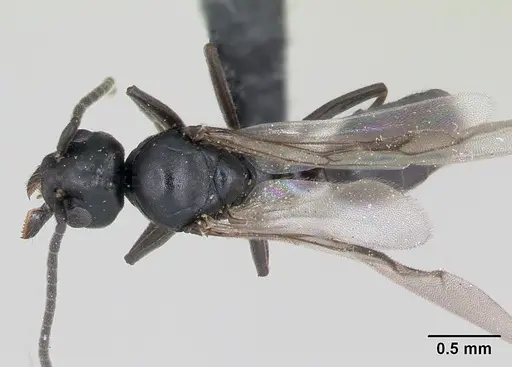
CASENT0103270
View on AntWeb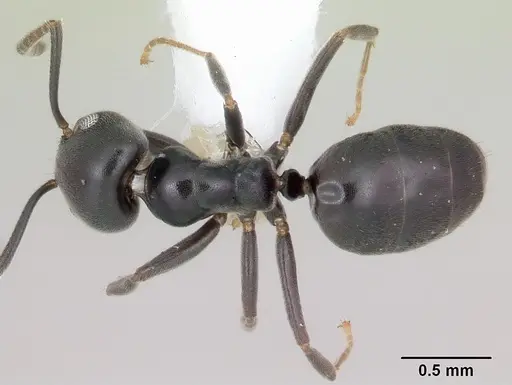
CASENT0143774
View on AntWeb
CASENT0345103
View on AntWeb
CASENT0345104
View on AntWeb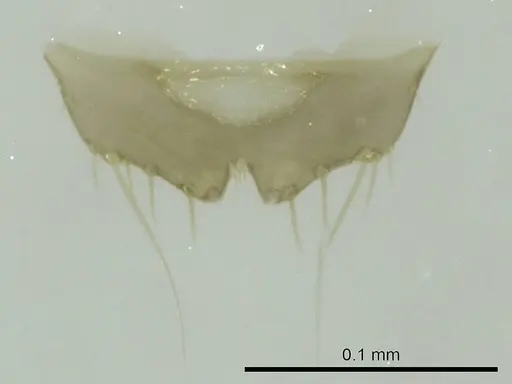
Literature
Loading distribution map...Loading products...