
Technomyrmex brunneus
- Sci. Name
- Technomyrmex brunneus
- Tribe
- Tapinomini
- Subfamily
- Dolichoderinae
- Author
- Forel, 1895
- Distribution
- Found in 6 countries
Introduction
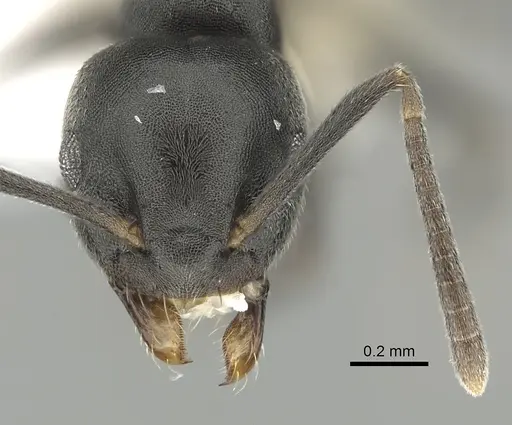
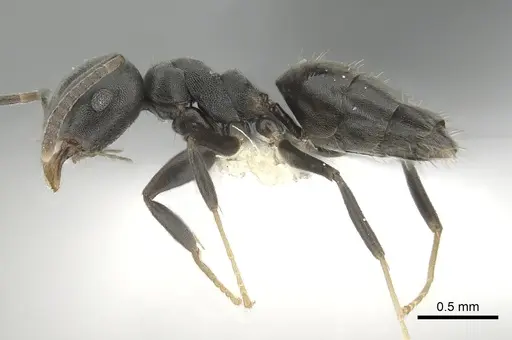
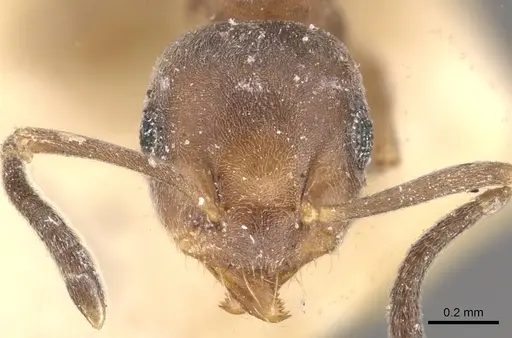
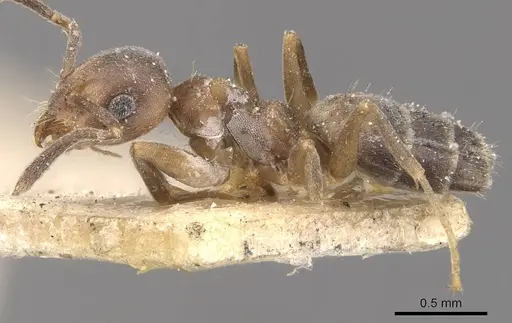
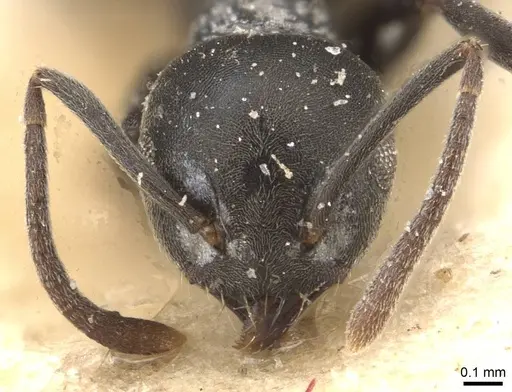
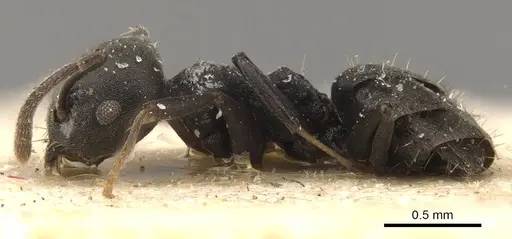
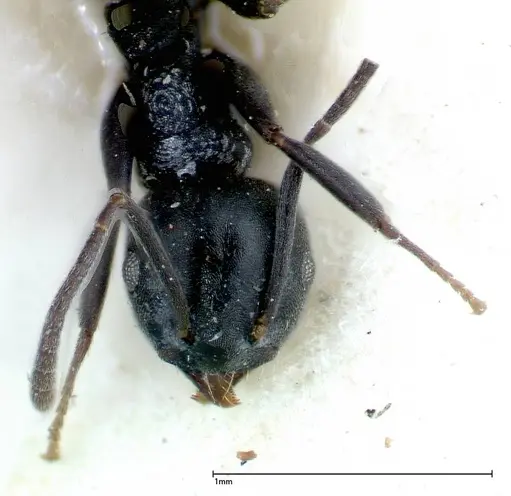
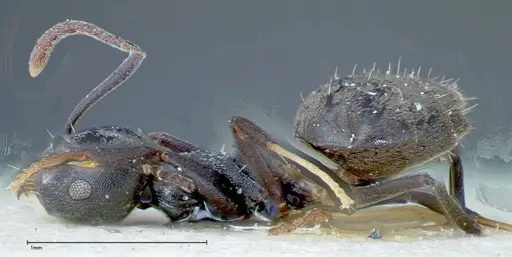
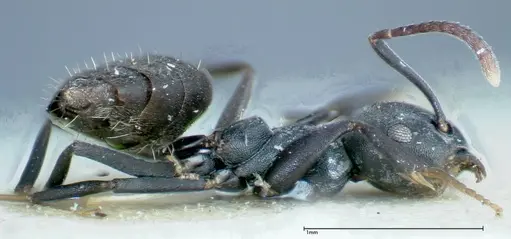
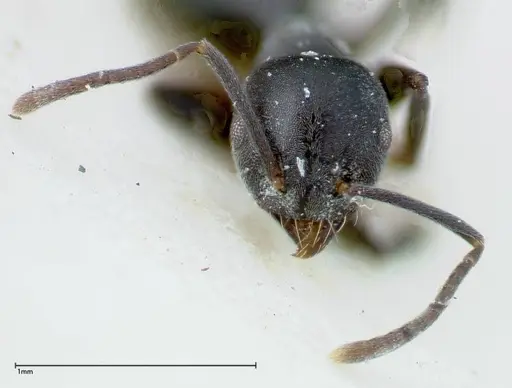
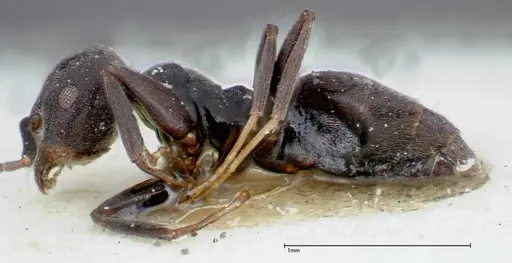
Technomyrmex brunneus is a small, dark ant. Workers are 2.4-2.8 mm and queens 3.5-3.8 mm . Workers are blackish brown to black with pale yellowish-white tarsi on the middle and hind legs, giving their common name 'white-footed ant'. They belong to the Dolichoderinae subfamily, so they lack a stinger and instead defend themselves by exuding sticky, foul-smelling secretions from an anal gland (smear defense). Originally from the Oriental region (India, Sri Lanka, China, Japan, Taiwan, Southeast Asia), T. brunneus is a widespread tramp species that spreads easily through human commerce . What makes T. brunneus unusual is its complex social structure. In Japan, colonies can grow to millions of workers living in multiple connected nests (polydomous colonies) . Unlike most ants, they do not use trophallaxis (mouth-to-mouth food sharing); instead, all nutrients are transferred through specialized trophic eggs produced by all female castes . The colony produces not only normal winged queens but also ergatoid queens - wingless queens that stay in the nest and reproduce, allowing the colony to spread by budding . This flexible system lets them form massive supercolonies that can dominate invaded habitats.
Quick Summary
- Difficulty: Expert
- Origin & Habitat: Native to the Oriental region (India, Sri Lanka, China, Japan, Taiwan, Vietnam, Laos, Thailand, Brunei), introduced to Papua New Guinea. Found in wet tropical to subtropical climates, often in forest edges and secondary growth areas [3]. Nests in dead standing trees, dead stems, on the ground, and in trees [6][2].
- Colony Type: Polygynous (multiple queens) and polydomous (multiple connected nests). Colonies contain many fertilized ergatoid (wingless) queens that are morphologically intermediate between workers and winged queens. The original founding queen eventually dies and reproduction is taken over by ergatoid queens [2].
- Size & Growth:
- Queen: 3.5-3.8 mm [2]
- Worker: 2.4-2.8 mm [1]
- Colony: Up to millions of workers in established wild colonies [2]
- Growth: Moderate
- Development: Over one month (approximately 4-6 weeks at optimal temperatures) [5] (Development is slower than many tramp ants, workers require over one month from egg to adult.)
- Antkeeping:
- Temperature: Keep at 22-26°C. Being a subtropical species, they prefer warmth but tolerate room temperature (20-24°C). Avoid prolonged temperatures below 18°C. A heat cable on one side can help if your room runs cool [5].
- Humidity: Provide moderate humidity: keep the nest substrate (dead wood or cork) slightly moist but not waterlogged. Offer a water source via test tube cotton.
- Diapause: No true diapause required. They remain active year-round in their native range. Activity may reduce slightly in cooler months, but hibernation is not necessary [5].
- Nesting: They naturally nest in dead wood, standing dead trees, dead stems, rotting branches. In captivity, they do well in cork nests, wood-based nests,3D-printed nests with wood inserts, or simple test tube setups for founding. Provide multiple connected chambers as they are polydomous.
- Behavior: Highly active, fast-moving ants that forage aggressively for sugar. They are not aggressive toward humans but will defend their nest. Workers form organized trails when recruiting to food. Their small size (2.4-2.8 mm) makes them excellent escape artists, use tight-fitting lids and barrier treatments. They lack a stinger and rely on anal gland secretions for defense. Colonies can grow very large and produce ergatoid queens, leading to polygynous nests.
- Common Issues: colonies can grow massive (up to millions of workers), plan for a large enclosure and expansion space [2]., WARNING: This is an invasive tramp species. Never release colonies outside their native Asian range. In Japan and other non-native areas, they can outcompete native ants and cause damage [6][7]., tiny workers can squeeze through very small gaps, use fluon or barrier gel on all enclosure edges and seal any openings., they have a strong preference for sugar sources, protein acceptance may be lower, offer both but ensure sugar is always available [5]., ergatoid queens may appear once the colony is established, this is normal but can make the colony polygynous, monitor for queen aggression if combining colonies.
Housing and Nest Setup
T. brunneus naturally nests in dead wood, so cork nests or wood-based formicaria work best. For founding, a simple test tube setup works, fill a test tube with water, plug with cotton, and keep the queen in darkness. Once the first workers emerge (after 4-6 weeks) [5], you can connect a small outworld. Because they are polydomous, connect multiple chambers or allow expansion. Use a small outworld for foraging. Escape prevention is critical, workers are only 2.4-2.8 mm [1] and can squeeze through tiny gaps. Apply fluon or barrier gel to all enclosure edges.
Feeding and Diet
T. brunneus has a strong sweet tooth, they are highly attracted to sugar sources. In the wild, they forage for honeydew from aphids and scale insects. In captivity, offer sugar water (10-30% sugar solution), honey, or nectar constantly [5]. They also need protein for brood development, offer small insects like fruit flies, small crickets, or mealworm pieces 2-3 times per week. They do not use trophallaxis, instead, nutrients are passed through trophic eggs produced by all female castes [4]. Ensure sugar is always available.
Temperature and Seasonal Care
Keep your colony at 22-26°C for optimal development. They are subtropical and tolerant of room temperature (20-24°C). Brood development takes over one month at typical room temperature [5]. In winter, they may reduce activity but true hibernation is not required. Avoid temperatures below 15°C for extended periods. A small heating cable on one side of the nest can create a temperature gradient if your room runs cool.
Colony Structure and Reproduction
T. brunneus has one of the most complex social systems among ants. A founding queen mates during a nuptial flight, then starts a nest independently. Once the colony is established, it begins producing ergatoid queens, wingless females that are morphologically intermediate between workers and winged queens [2]. These ergatoid queens have ovaries and can reproduce, staying inside the nest. The colony also produces ergatoid (wingless) males that mate with the ergatoid queens. Over time, the original queen dies and reproduction is taken over entirely by ergatoid queens [2]. This system allows colonies to grow massive (up to millions of workers) and spread by budding, new colonies form when ergatoid queens leave with workers to start nearby nests [6]. In captivity, you may see both winged and wingless reproductives, which is normal.
Behavior and Defense
Workers are fast-moving and very active foragers, forming well-organized trails when recruiting to food sources. Unlike many ants, T. brunneus does not use trophallaxis, instead, all colony members share nutrients through trophic eggs [4]. For defense, being a Dolichoderinae, they lack a stinger and exude sticky, foul-smelling secretions from an anal gland. They are not aggressive toward keepers but will defend their nest if threatened. Their small size and speed make containing them challenging, excellent escape prevention is essential.
Invasive Status and Legal Considerations
T. brunneus is a tramp species that spreads easily through human commerce. It is established in Japan, Taiwan, and Southeast Asia, native to the Oriental region, and has been introduced to Papua New Guinea [1]. In Japan, it is considered a pest that invades homes, damages food, and causes mechanical damage to electrical devices [6]. Studies show it can dominate local ant communities, outcompeting native species [7]. WARNING: This is an invasive species outside its native range. Never release colonies into the wild. Check local regulations before acquiring this species.
Frequently Asked Questions
How long does it take for Technomyrmex brunneus to go from egg to worker?
It takes over one month (approximately 4-6 weeks) for eggs to develop into adult workers at optimal temperatures [5]. This is slower than many fast-growing tramp ants.
What do Technomyrmex brunneus eat?
They strongly prefer sugar sources, honey, sugar water, nectar. They also need protein for brood development, offering small insects like fruit flies, small crickets, or mealworm pieces. Provide sugar constantly and protein 2-3 times per week [5][6].
Can I keep multiple Technomyrmex brunneus queens together?
Yes, this species is naturally polygynous, established colonies have multiple ergatoid (wingless) queens. However, if combining unrelated foundresses, introduce them carefully as they may initially fight. Once established, the colony manages multiple queens through its complex caste system [2].
How big do Technomyrmex brunneus colonies get?
In the wild, Japanese colonies can reach millions of workers [2]. In captivity, colonies can easily reach thousands within a year or two. Be prepared for large, active colonies.
Do Technomyrmex brunneus need hibernation?
No true hibernation is required. Being from subtropical regions, they remain active year-round. They tolerate typical room temperatures and may only reduce activity slightly in cooler months [5].
Are Technomyrmex brunneus good for beginners?
No, they are rated Expert difficulty. Their small size requires excellent escape prevention, they can grow extremely large, and they are an invasive species, not recommended for beginners. They are better suited for experienced keepers who can ensure proper containment.
Why are my Technomyrmex brunneus dying?
Common causes include: escape (they are tiny and can squeeze through gaps), too dry nesting material (they prefer slightly moist wood/cork), insufficient sugar (they need constant access to sugar), or temperatures below 18°C. Also check for stress from handling during colony transfers. Ensure escape prevention is excellent and sugar is always available [5][6].
What makes Technomyrmex brunneus different from other ants?
Their unique caste system sets them apart. They produce ergatoid (wingless) queens that stay in the nest and reproduce, in addition to normal winged queens. They also lack trophallaxis, instead of mouth-to-mouth food sharing, they pass nutrients through special trophic eggs produced by all female castes [4][6]. This allows them to form massive supercolonies.
When should I move Technomyrmex brunneus to a formicarium?
Move them once they have 20-30 workers and the test tube is becoming crowded. They do well in cork nests or wood-based formicaria. Connect the formicarium to the test tube and allow workers to explore before transferring the colony.
Do Technomyrmex brunneus need a heat source?
They prefer warmth but do fine at typical room temperature (20-24°C). If your room runs cool (below 20°C), a small heating cable on one side of the nest can help with brood development, which takes over one month [5]. Avoid direct heat that could dry out the nest.
Report an Issue
The current care sheet is based fully on literature. See inconsistencies, or something that's incorrect? Please , it will be resolved after review from an admin. Contributing to the blogs tab also helps providing information, to make us be able to further improve the caresheets. Thank you for your support!
References

This caresheet is licensed under CC BY-SA 4.0 .
Community Blogs
CASENT0249777
View on AntWeb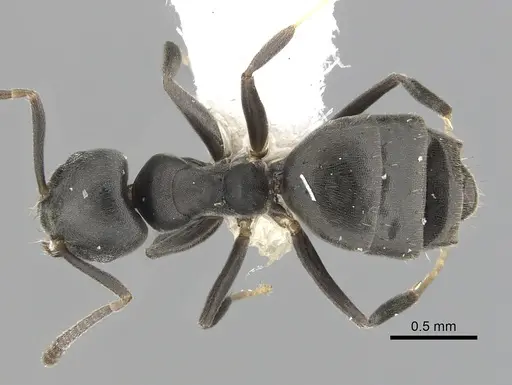
CASENT0909791
View on AntWeb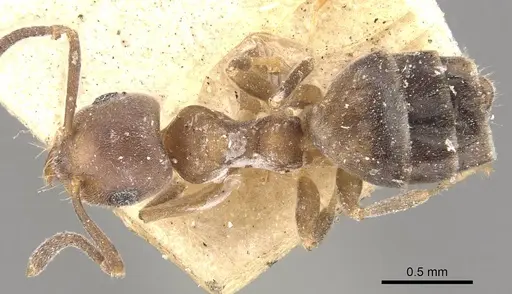
CASENT0909803
View on AntWeb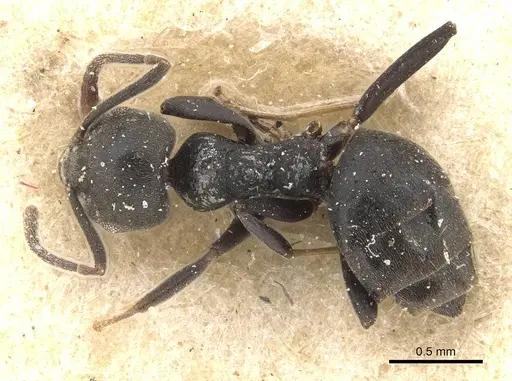
FOCOL0178
View on AntWeb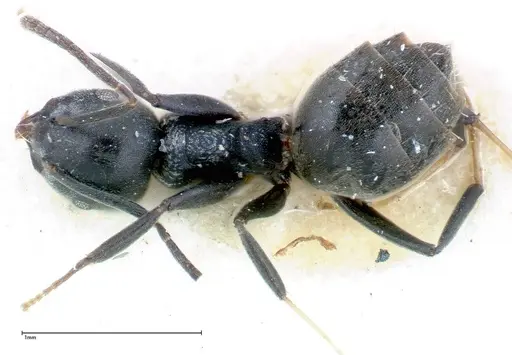
FOCOL0179
View on AntWeb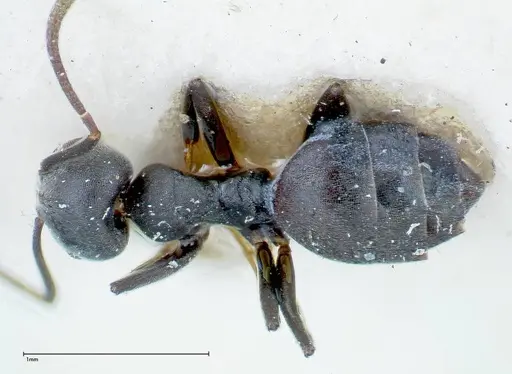
Literature
Loading distribution map...Loading products...