
Technomyrmex briani
- Sci. Name
- Technomyrmex briani
- Tribe
- Tapinomini
- Subfamily
- Dolichoderinae
- Author
- Sharaf, 2009
- Distribution
- Found in 1 countries
Introduction
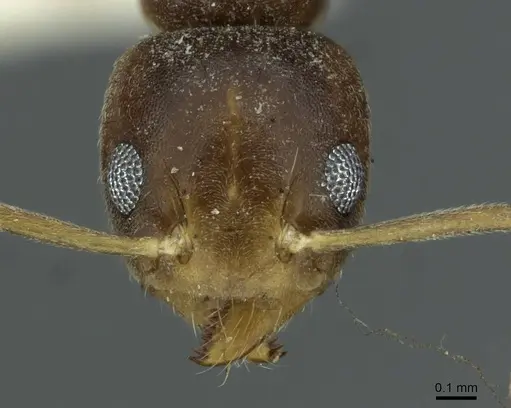
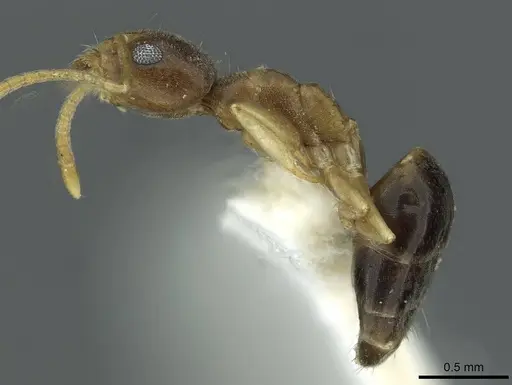
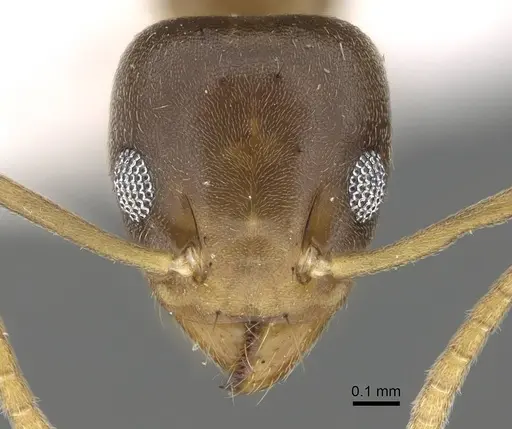
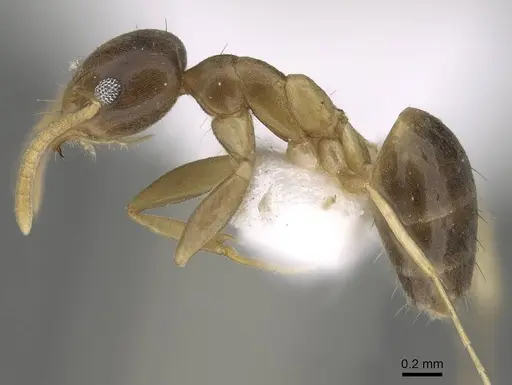
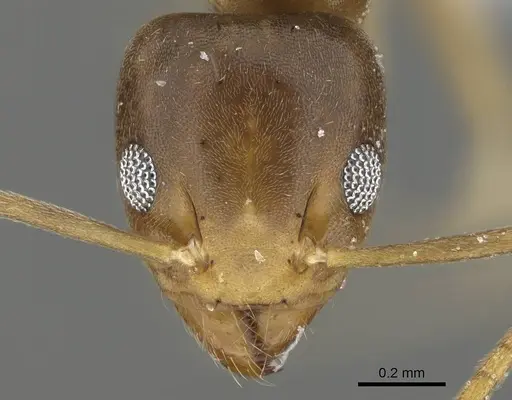
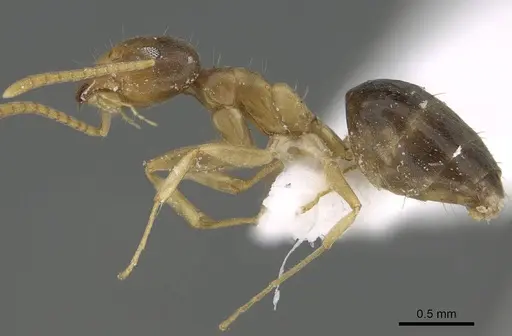
Technomyrmex briani is a small, bicolored ant native to the southwestern mountains of Saudi Arabia. Workers measure 2.6-3.0mm with a distinctive appearance: dark brown head and gaster contrasting sharply with a much lighter yellow-brown mesosoma . Their antennae and legs are yellow. The eyes are positioned relatively far back on the head, and the body has very few standing hairs - a key identifying feature . This species belongs to the Technomyrmex albipes-group and is only known from a few specimens collected in Wadi Abha at over 2200m elevation, making it one of the more obscure ants in the hobby . This is an extremely rare species in captivity, with virtually no established husbandry information. As a Dolichoderine ant, they lack a stinger and instead defend themselves by exuding a sticky, foul-smelling substance from an anal gland. They nest under stones in their native habitat, often near Acacia and Juniper trees in the mountainous southwestern Arabian Peninsula .
Quick Summary
- Difficulty: Expert
- Origin & Habitat: Endemic to the southwestern mountains of Saudi Arabia (Arabian Peninsula), found at high elevation (2261m) in Wadi Abha. Nests under rocks next to Acacia and Juniper trees [2].
- Colony Type: Colony structure is unconfirmed, only known from a handful of specimens. Likely single-queen based on typical genus patterns, but not documented.
- Size & Growth:
- Queen: 3.67mm [2]
- Worker: 2.6-3.0mm [1][2]
- Colony: Unknown, only known from fewer than 10 specimens total [1]
- Growth: Unknown
- Development: Unconfirmed, no development data exists for this species (No research has documented development times. Related Technomyrmex species typically develop in 4-8 weeks at warm temperatures.)
- Antkeeping:
- Temperature: Likely needs moderate warmth. Based on high-elevation Saudi Arabia habitat, they probably tolerate temperatures from roughly 18-28°C. Start around 22-25°C and observe colony activity [2].
- Humidity: Prefers moderate to dry conditions, their mountain habitat is relatively arid. Keep nest substrate lightly moist but allow drying between waterings [2].
- Diapause: Unknown, no research on overwintering requirements. The high-elevation habitat suggests they may experience cooler winters and could benefit from a slight cool period.
- Nesting: Naturalistic setup with flat stones or a Y-tong/plaster nest works well. They nest under rocks in the wild, so provide tight-fitting chambers with minimal open space [2].
- Behavior: Generally peaceful and non-aggressive. Like other Dolichoderines, they lack a stinger and instead exude a sticky, foul-smelling substance from an anal gland when threatened. Workers are active foragers that descend plants in search of honeydew and small insects. Their small size (under 3mm) means escape prevention must be excellent, they can slip through standard test tube barriers.
- Common Issues: escape prevention is critical due to tiny 2.6-3mm size, use fine mesh barriers, no captive husbandry information exists, this is an experimental species, limited genetic diversity risk if only a few colonies exist in captivity, high-elevation origin means they may not tolerate prolonged heat above 30°C, wild-caught colonies may have been impacted by habitat destruction in Saudi Arabia
Housing and Nest Setup
Since this species nests under stones in the wild [2], a naturalistic setup with flat stones on moist substrate works well. Alternatively, a Y-tong (AAC) or plaster nest with tight chambers suits their small size. The key is providing snug-fitting chambers, these tiny ants can slip through gaps that larger species would ignore. Use fine mesh on all openings and consider applying Fluon to barrier edges. Their worker size is 2.6-3.0mm [1][2], so escape prevention is critical. Test tubes work for founding colonies but monitor for escape through the cotton plug, their small size means they can sometimes squeeze through. A small outworld connected to the nest allows for easy feeding observation.
Temperature and Heating
Based on their high-elevation habitat in the Arabian mountains [2], Technomyrmex briani likely prefers moderate temperatures rather than the tropical heat some ant species need. Aim for roughly 22-26°C during the active season. They probably tolerate a range from about 18°C up to 28°C. Avoid prolonged temperatures above 30°C, their mountain origin suggests they are not heat-loving. A heating cable on one side of the nest can create a temperature gradient, allowing workers to self-regulate. Room temperature within this range is likely sufficient for most of the year.
Feeding and Diet
No specific feeding data exists for this species, but Technomyrmex ants typically feed on honeydew (the sugary liquid aphids produce), nectar, and small insects. Offer sugar water or honey water as a constant carbohydrate source. For protein, provide small live prey like fruit flies, pinhead crickets, or similar tiny insects. Their small size means prey items should be appropriately scaled, anything larger than themselves may go uneaten. Observe what your colony accepts and adjust accordingly.
Humidity and Water
Their mountain habitat in southwestern Saudi Arabia is relatively arid [2], so they likely prefer moderate humidity rather than the constantly wet conditions some tropical ants need. Keep the nest substrate lightly moist but allow it to dry partially between waterings. Provide a water tube in the outworld as a drinking source. Watch for mold, if it appears, reduce moisture and improve ventilation. The key is balance: damp enough for brood development but not soggy.
Defense and Handling
As a Dolichoderine ant, T. briani lacks a functional stinger. Instead, they defend themselves by exuding a sticky, foul-smelling substance from an anal gland. This can be irritating if it gets on skin or in eyes, so wash hands after handling and avoid getting it near your face. They are generally docile and will only release the secretion when severely threatened. Their small size and peaceful nature make them suitable for observation but not for handling.
Frequently Asked Questions
How long does it take for Technomyrmex briani to produce first workers?
This is unknown, no research has documented their development timeline. Related Technomyrmex species typically produce first workers in 4-8 weeks at warm temperatures, but this is an estimate for T. briani rather than confirmed data.
Can I keep Technomyrmex briani in a test tube?
Yes, test tubes work for founding colonies. However, monitor the cotton plug regularly, their tiny 2.6-3mm size means workers can sometimes escape through small gaps [1][2]. Use fine mesh on any ventilation holes and consider applying Fluon to barrier edges.
Are Technomyrmex briani good for beginners?
No, this is an expert-level species due to virtually no established captive husbandry information. They are extremely rare in the hobby with no documented care protocols. Only experienced antkeepers comfortable with experimental species should attempt this.
What do Technomyrmex briani eat?
Based on typical Technomyrmex diet, they likely accept sugar sources (honey water, sugar water) and small insects. No specific acceptance data exists for this species, offer variety and observe what they take.
How big do Technomyrmex briani colonies get?
Unknown, this species is only known from fewer than 10 specimens total [1]. Colony size in the wild has not been documented. Related species may reach several hundred workers.
Do Technomyrmex briani need hibernation?
Unconfirmed. Their high-elevation Saudi Arabia habitat suggests they may experience seasonal temperature changes [2], but no research documents diapause requirements. Monitor your colony for seasonal slowdowns and provide a cool period (15-18°C) if they become less active in winter.
Can I keep multiple queens together?
Not documented. Colony structure (monogyne vs polygyne) has not been studied for this species. Do not attempt combining unrelated queens, this has not been documented and could result in aggression.
Why are my Technomyrmex briani dying?
Without established care information, troubleshooting is difficult. Check escape prevention first, their tiny size makes escapes common. Ensure temperatures stay below 30°C, provide appropriate-sized prey, and maintain moderate (not excessive) humidity. Wild-caught colonies may carry parasites or have been stressed by habitat disturbance, as the species has been affected by human development [1].
Where is Technomyrmex briani found in the wild?
Only in the southwestern mountains of Saudi Arabia, specifically Wadi Abha at about 2261m elevation [2]. They nest under rocks near Acacia and Juniper trees. The species is considered endemic to this region and potentially threatened by human development [1].
Report an Issue
The current care sheet is based fully on literature. See inconsistencies, or something that's incorrect? Please , it will be resolved after review from an admin. Contributing to the blogs tab also helps providing information, to make us be able to further improve the caresheets. Thank you for your support!
References

This caresheet is licensed under CC BY-SA 4.0 .
Community Blogs
CASENT0906400
View on AntWeb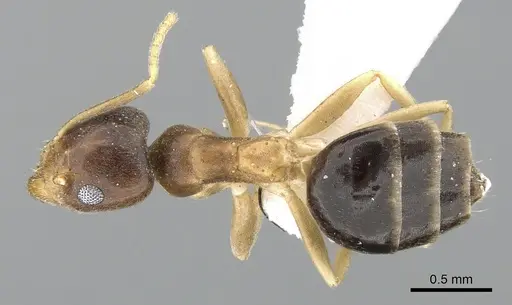
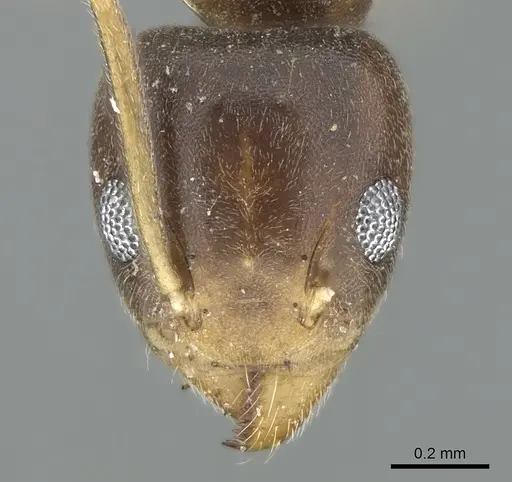
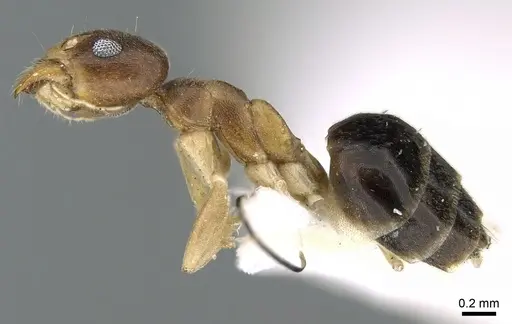
CASENT0911583
View on AntWeb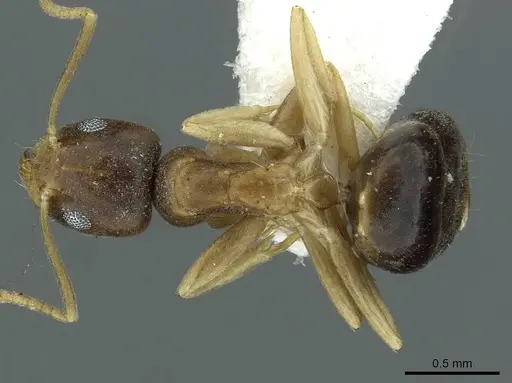
CASENT0919798
View on AntWeb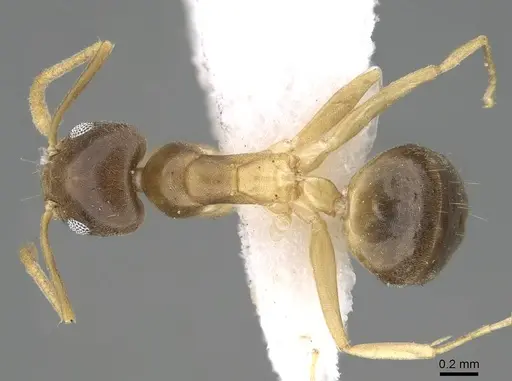
CASENT0919799
View on AntWeb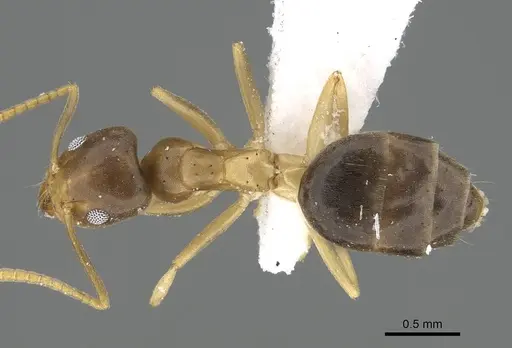
Literature
Loading distribution map...Loading products...