
Technomyrmex anterops
- Sci. Name
- Technomyrmex anterops
- Tribe
- Tapinomini
- Subfamily
- Dolichoderinae
- Author
- Fisher & Bolton, 2007
- Distribution
- Found in 1 countries
Introduction
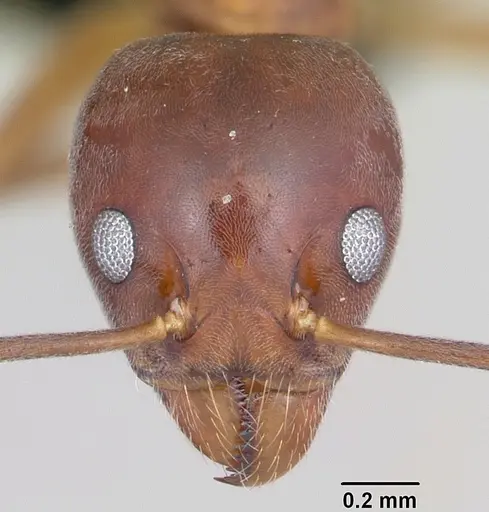
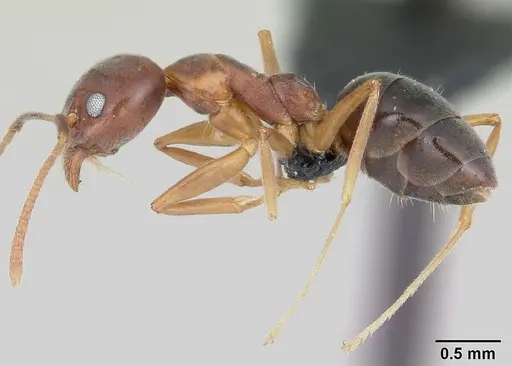
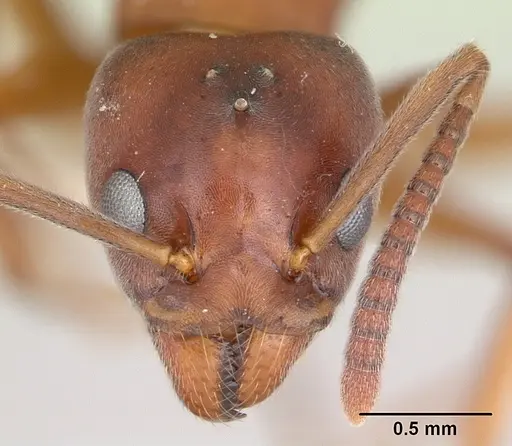
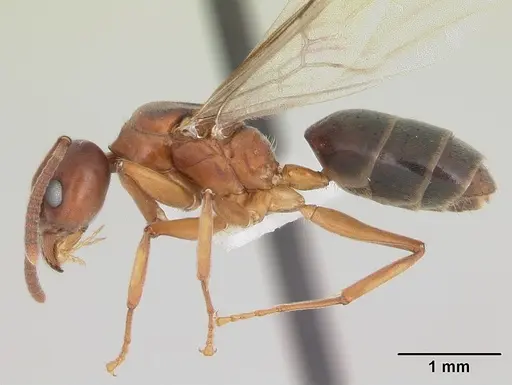
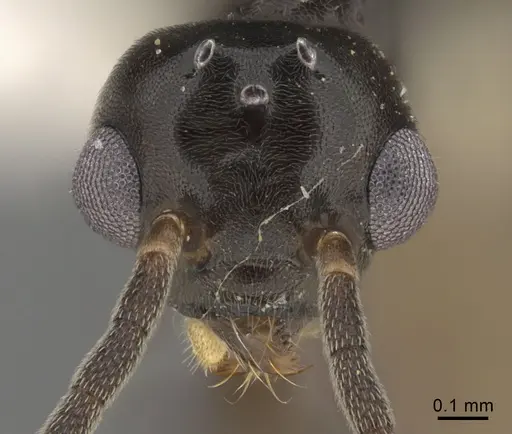
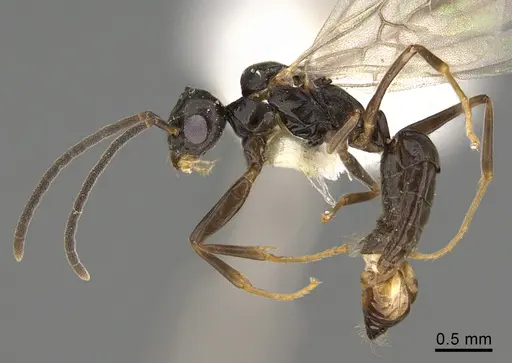
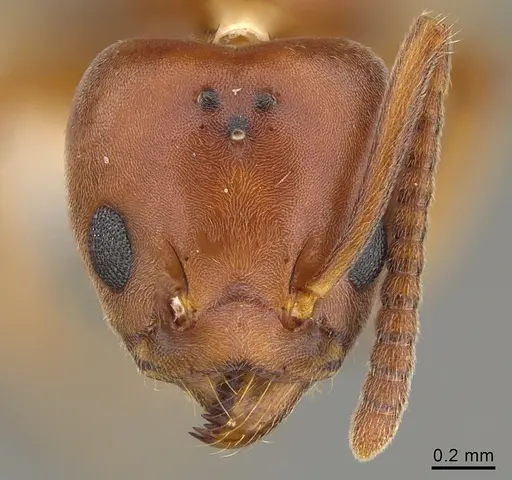
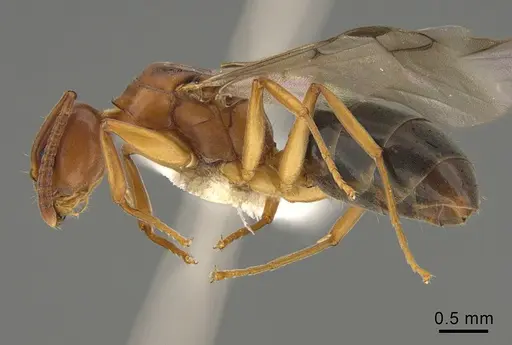
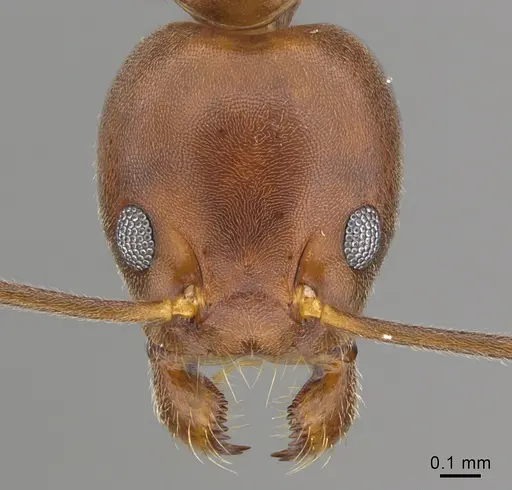
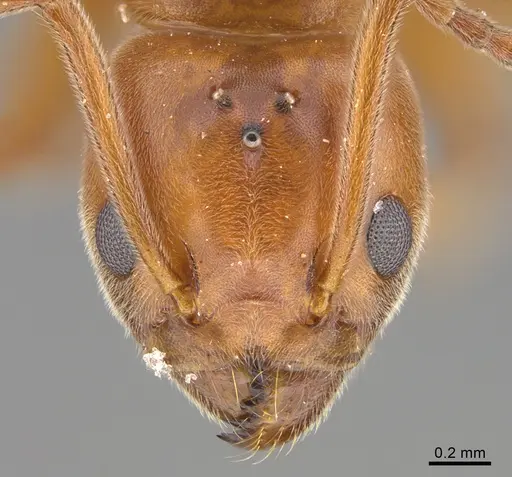
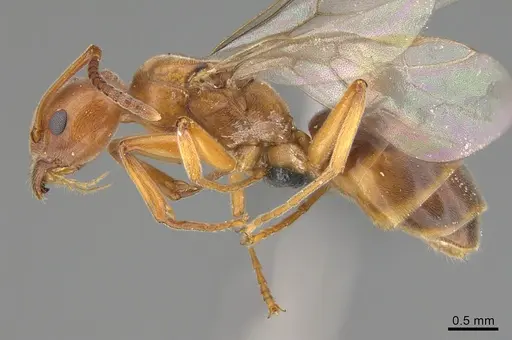
Technomyrmex anterops is a forest-dwelling ant from Madagascar that builds papery carton nests on leaves and branches . Workers are size-variable, measuring 3.3-4.2 mm total length, with a reddish‑brown head, a lighter yellowish‑brown middle section, and a dark brown to black gaster . The petiole (waist segment) is strongly reduced , and the eyes are set far forward on the head - hence the name “anterops” . It belongs to the Dolichoderinae subfamily, so it lacks a sting and defends itself by exuding sticky, foul‑smelling secretions from an anal gland.
Quick Summary
- Difficulty: Medium
- Origin & Habitat: Endemic to Madagascar, found in forest environments where it builds exposed carton nests on foliage [1]. The only known specimens come from Ranomafana National Park (around 900 m elevation) and Andrasibe [1].
- Colony Type: Colony structure is poorly documented. Alate queens have been collected but no worker‑queen intercastes have been seen [1]. Single‑queen colonies appear likely, though polygyny cannot be ruled out.
- Size & Growth:
- Queen: Not measured, alate queens are known but no body‑size data are available [1].
- Worker: 3.3-4.2 mm total length [1]
- Colony: Unknown from scientific data. Based on related Technomyrmex species, colonies may reach several hundred workers (estimate).
- Growth: Moderate, inferred from typical Dolichoderinae development patterns.
- Development: Estimated 6-8 weeks based on related tropical Dolichoderinae at 24-28 °C. (Direct development data are unavailable for this species. Timeline will slow at cooler temperatures.)
- Antkeeping:
- Temperature: Tropical species requiring warm conditions year‑round: keep at 24-28 °C. They are native to Madagascar’s low‑elevation forests, so sustained cold will halt development [3].
- Humidity: Moderate to high, the nest substrate should feel moist but not waterlogged. Provide good ventilation to prevent mold. A humidity gradient (one damp corner, rest drier) mimics natural forest conditions.
- Diapause: No, as a tropical species from Madagascar, they do not need winter diapause. Keep warm all year.
- Nesting: In the wild they build carton nests on foliage [1]. In captivity, start in a test tube, as the colony grows, provide vertical surfaces (cork, leaf pieces, or rough branches) that they can climb on and possibly modify. Y‑tong (AAC), plaster, or 3D‑printed nests with textured walls work well. Avoid completely enclosed nests without climbing opportunities.
- Behavior: Generally peaceful, non‑aggressive. They defend themselves by spraying sticky, odorous secretions (common to Dolichoderinae) rather than stinging. Workers are small (under 5 mm), so escape prevention is critical, use fine mesh or fluon barriers. They are active foragers and likely tend honeydew‑producing insects in captivity.
- Common Issues: tropical species needs constant warmth, cold temperatures slow or stop brood development., escape prevention is essential because workers can slip through standard gaps (under 4 mm)., carton‑nesting behavior may not translate to bare nests, provide vertical surfaces for attachment., limited availability in the hobby, rarely collected or exported from Madagascar.
Housing and Nest Setup
Technomyrmex anterops builds carton nests on leaves in the wild [1]. In captivity, you can start a colony in a test tube with a water reservoir and a small piece of cork or leaf inside for them to climb. As the colony grows, transition to a nest that offers vertical surfaces, Y‑tong, plaster, or 3D‑printed nests with textured walls work well. Avoid smooth, enclosed acrylic boxes because the ants prefer to attach nest material to surfaces. Provide a small outworld for foraging. Because workers are small (
Temperature Requirements
This is a strict tropical species from Madagascar. Maintain temperatures at 24-28 °C year‑round [3]. A heating cable on the side or top of the nest (not underneath) helps maintain warmth. Monitor with a thermometer, drops below 20 °C will slow or stop brood development. Room temperature may suffice if your home stays within the target range, but most homes require supplemental heating.
Feeding and Diet
Like other Technomyrmex, this species feeds on honeydew, nectar, and small arthropods in the wild [1]. In captivity, provide a constant supply of sugar water or honey (diluted to 1:4). For protein, offer small insects such as fruit flies, pinhead crickets, or bits of mealworm. Feed protein 2-3 times per week, removing uneaten prey after 24 hours to prevent mold. They may also accept liquid ant food or small pieces of fruit.
Humidity and Water
Keep the nest area moderately humid, the substrate should feel damp but not waterlogged. In their native forest, they enjoy high ambient humidity. Provide a water tube in the test tube or a small water dish in the outworld. Avoid misting directly into the nest, instead, maintain a moistened substrate (e.g., plaster or sand) on one side to create a gradient. Ensure good ventilation to stop mold from building up. [1]
Behavior and Colony Dynamics
Technomyrmex anterops workers are small, active, and peaceful. They belong to the Dolichoderinae subfamily, so they defend themselves by releasing sticky, foul‑smelling chemicals from an anal gland, they have no stinger and are harmless to humans. Workers show size variation (3.3-4.2 mm) [1]. Alate queens have been collected from Andrasibe, but no worker‑queen intercastes have been observed [1]. The colony likely grows to several hundred workers over time, based on related species.
Frequently Asked Questions
Is Technomyrmex anterops a good beginner ant?
This species is rated as medium difficulty. They need constant warmth (24-28 °C) and are rarely available, so sourcing a colony can be hard. If you can maintain tropical conditions and find a colony, they are gentle and interesting. Not ideal for absolute beginners.
How long does it take for Technomyrmex anterops to raise their first workers?
Direct data are unavailable. Based on related tropical Dolichoderinae, expect about 6-8 weeks from egg to worker at optimal temperatures (24-28 °C). Development slows if the nest is cooler.
Can I keep Technomyrmex anterops in a test tube?
Yes, test tubes are ideal for founding colonies. Add a small piece of leaf or cork for the ants to climb on. Once the colony outgrows the tube, move them to a nest with vertical surfaces, like a Y‑tong or 3D‑printed nest.
Do Technomyrmex anterops need hibernation?
No, this is a tropical species from Madagascar. They stay active year‑round and do not require diapause. Keep temperatures stable at 24-28 °C all year.
How big do Technomyrmex anterops colonies get?
The exact colony size is not documented. Based on related Technomyrmex species, colonies may reach several hundred workers. Growth rate is moderate.
What do Technomyrmex anterops eat?
In captivity they accept sugar water or honey for energy, and small insects like fruit flies or pinhead crickets for protein. Feed protein 2-3 times per week. Remove leftovers within 24 hours to keep the nest clean.
Where is Technomyrmex anterops found in the wild?
It is endemic to Madagascar, recorded from Ranomafana National Park and Andrasibe. They build exposed carton nests on foliage in forested areas [1].
Are Technomyrmex anterops aggressive?
No, they are quite peaceful. They may release a foul‑smelling chemical if roughly handled, but they do not sting or bite aggressively. Their small size makes them easy to manage.
Why is my Technomyrmex anterops colony not growing?
First, check the temperature. If it drops below 22 °C, development stops. Also ensure a steady supply of protein and sugar. Poor nutrition or cold are the most common causes of stunted growth [3].
Report an Issue
The current care sheet is based fully on literature. See inconsistencies, or something that's incorrect? Please , it will be resolved after review from an admin. Contributing to the blogs tab also helps providing information, to make us be able to further improve the caresheets. Thank you for your support!
References

This caresheet is licensed under CC BY-SA 4.0 .
Community Blogs
CASENT0058901
View on AntWeb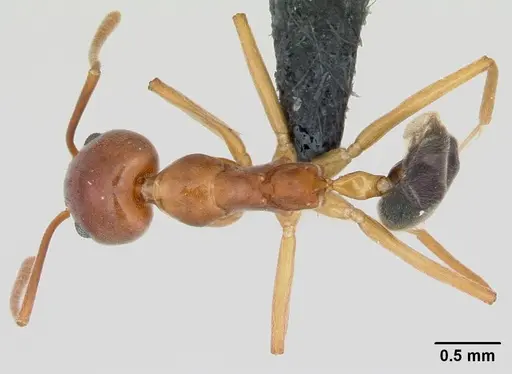
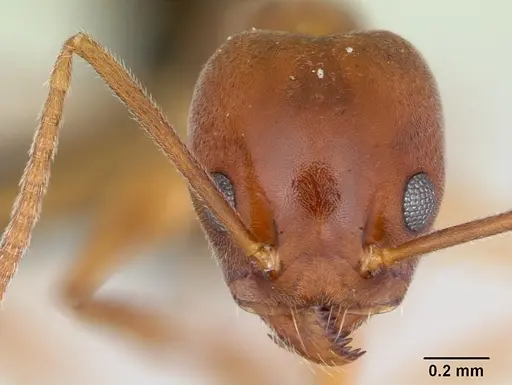
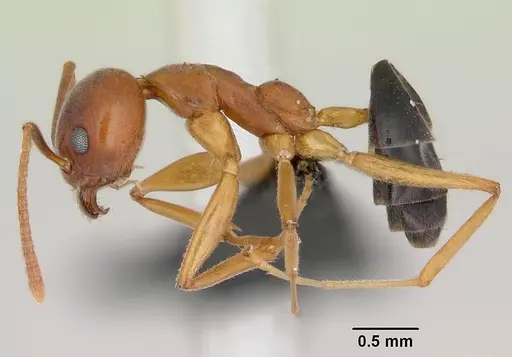
CASENT0097891
View on AntWeb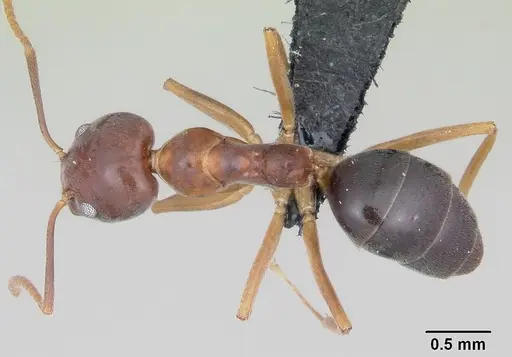
CASENT0170211
View on AntWeb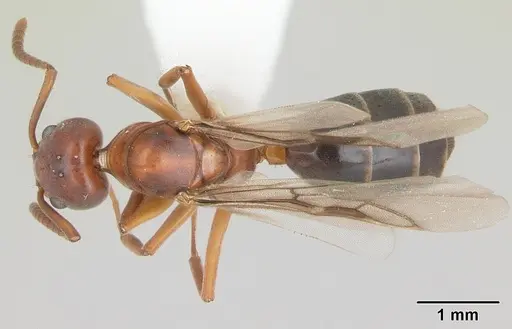
CASENT0345014
View on AntWeb
CASENT0345015
View on AntWeb
CASENT0345016
View on AntWeb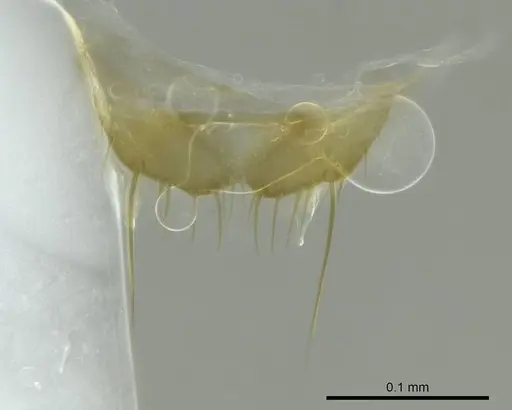
CASENT0345018
View on AntWeb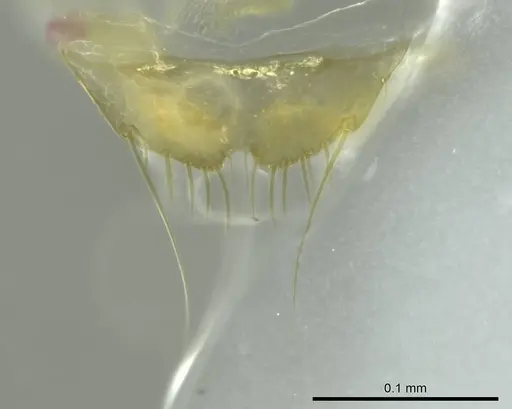
CASENT0345019
View on AntWeb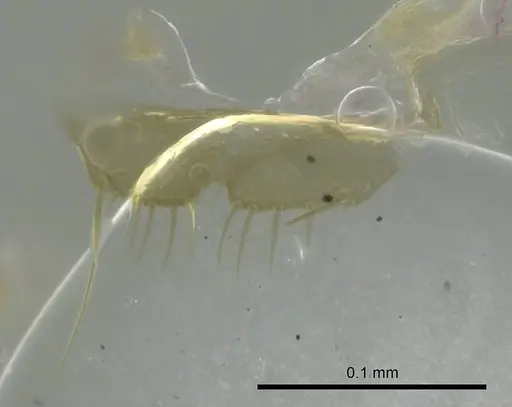
CASENT0923772
View on AntWeb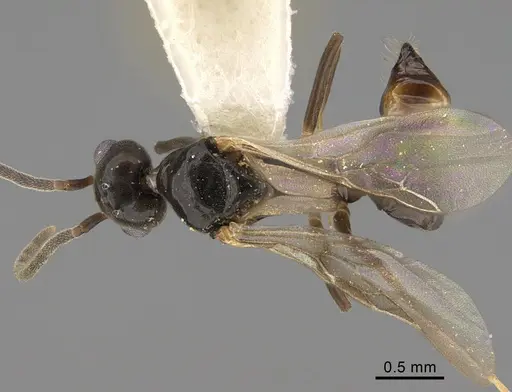
CASENT0923773
View on AntWeb
CASENT0923774
View on AntWeb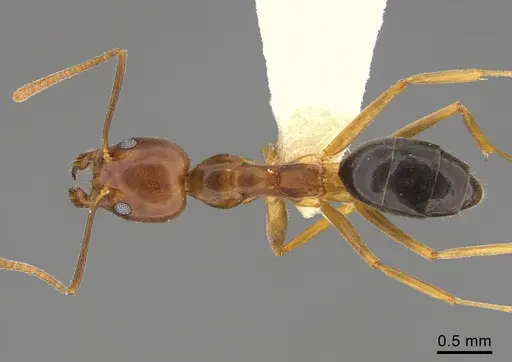
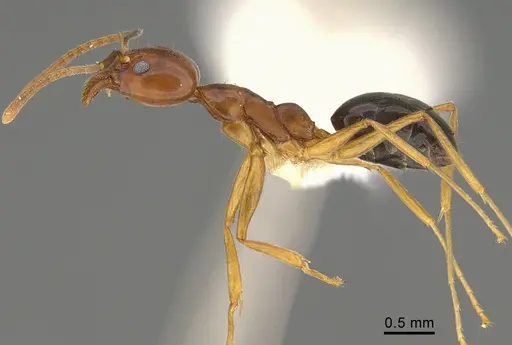
CASENT4025392
View on AntWeb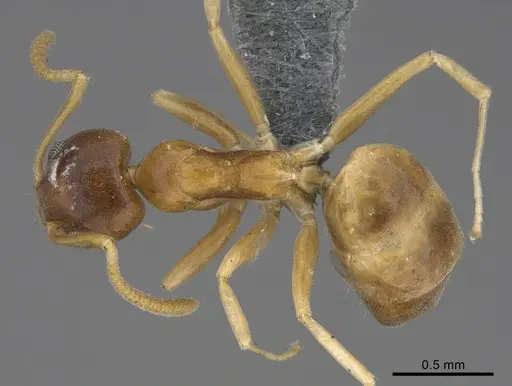
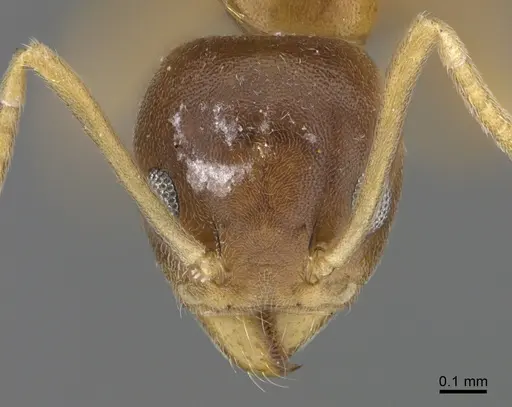
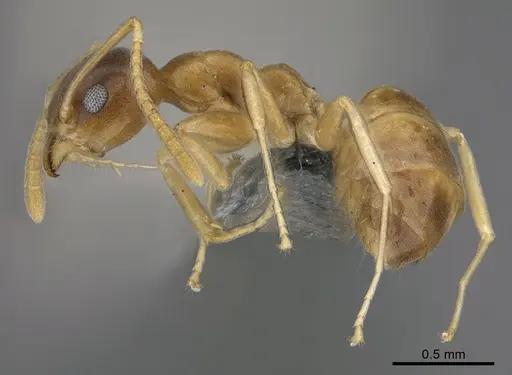
CASENT4025601
View on AntWeb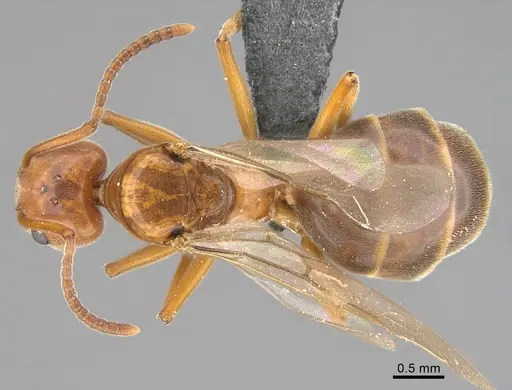
Literature
Loading distribution map...Loading products...