
Tapinoma wilsoni
- Sci. Name
- Tapinoma wilsoni
- Tribe
- Tapinomini
- Subfamily
- Dolichoderinae
- Author
- Sharaf & Aldawood, 2012
- Distribution
- Found in 1 countries
Introduction
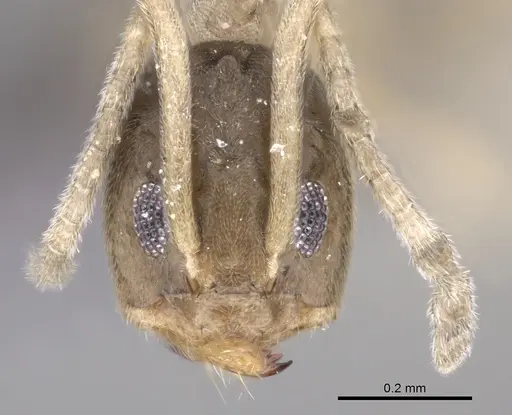
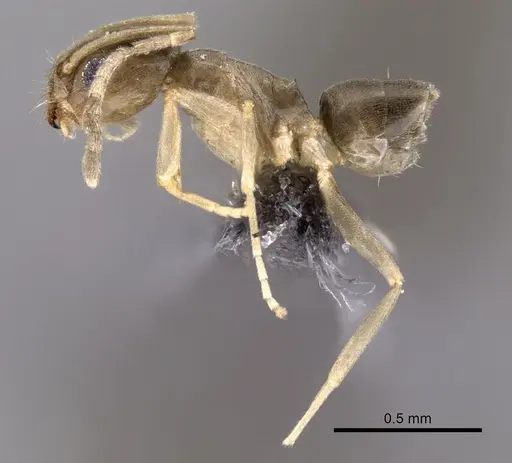
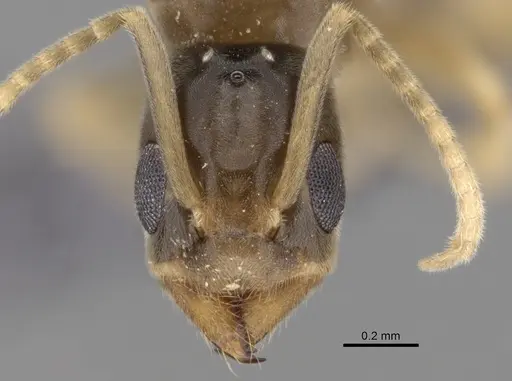
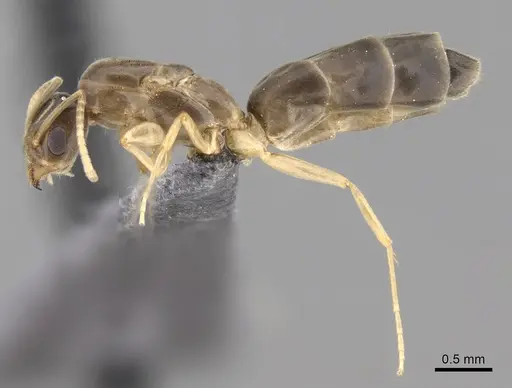
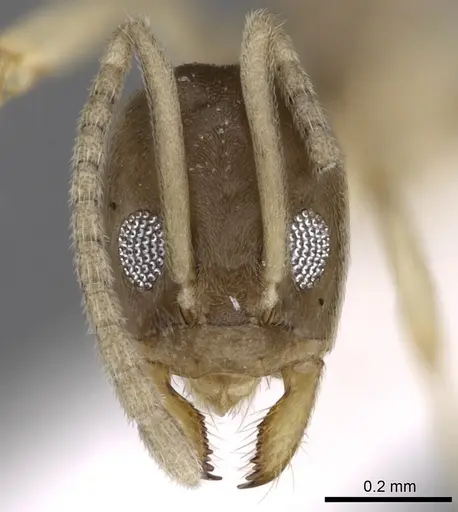
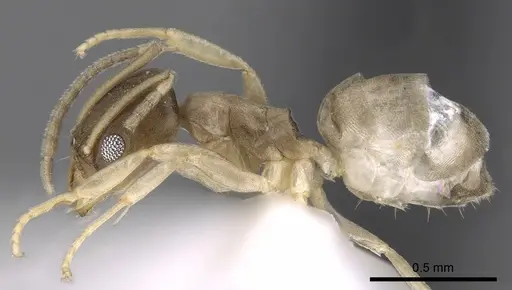
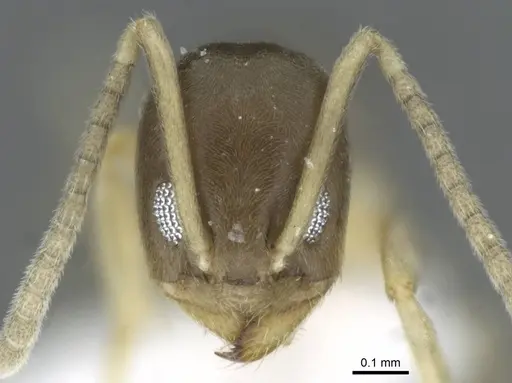
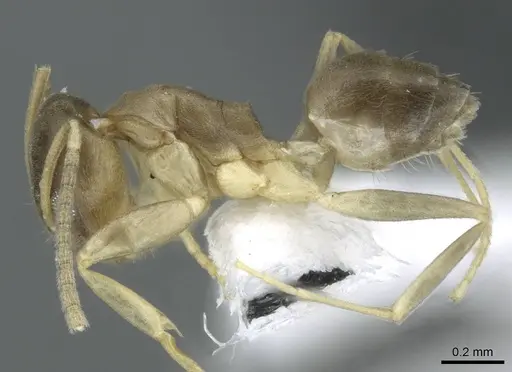
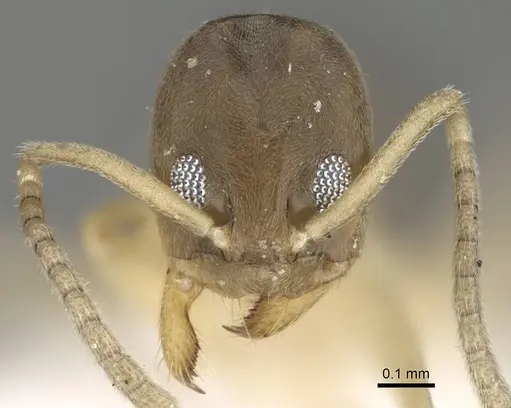
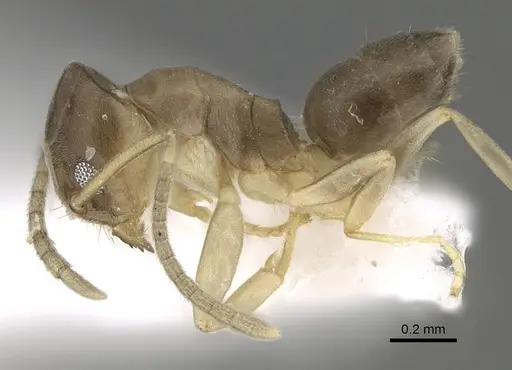
Tapinoma wilsoni is a tiny ant species endemic to the mountains of southwestern Saudi Arabia. Workers measure 1.56-1.84mm and are yellowish-brown with clear yellow legs and antennae . They belong to the lugubre species-group, with a sharply defined propodeum that has a concave declivity and raised apex . The queen is about 4mm long and uniformly brown with yellow-brown antennae and legs . This species was discovered in 2012 and remains known only from a single location in the Al Sarawat Mountains near Dhi Ayn Archaeological Village . What makes T. wilsoni special is its extreme rarity - it has never been found anywhere else despite extensive collecting efforts in the region . These ants live in banana plantations in a mountain valley where continuous irrigation keeps the clay soil moist year-round . They forage on the ground surface and coexist with several other ant species including Carebara arabica, Tetramorium sericeiventre, Pheidole minuscula, and Monomorium exiguum . For antkeepers, this is a true collector's species - a recently described Arabian endemic that few people have ever kept.
Quick Summary
- Difficulty: Medium
- Origin & Habitat: Endemic to the Al Sarawat Mountains in southwestern Saudi Arabia, specifically Dhi Ayn Archaeological Village at 741m elevation. Found in banana plantations with continuously irrigated, moist clay soil [1][4].
- Colony Type: Colony structure is unconfirmed, the biology of this species has not been studied [4]. Based on related Tapinoma species, likely single-queen colonies.
- Size & Growth:
- Antkeeping:
- Temperature: Keep at 24-28°C based on their tropical Arabian habitat. The banana plantation environment suggests they prefer warm, stable conditions [1].
- Humidity: High, they inhabit continuously irrigated banana plantations with moist clay soil [1][4]. Keep the nest substrate consistently damp but not waterlogged. Use a moist soil or clay-like substrate.
- Diapause: Unknown, no data on overwintering requirements. Their habitat in southwestern Saudi Arabia is relatively warm year-round, but they may experience cooler periods in winter [4].
- Nesting: Natural nesting is in moist soil at the base of banana trees [1]. In captivity, use a small test tube setup or a ytong/plaster nest with moist substrate. Given their tiny size, they need tight chambers and excellent escape prevention. Avoid acrylic nests.
- Behavior: Ground foragers that search for food on soil surfaces [1]. Like other Tapinoma species, they likely communicate through chemical signals and form trails to food sources. As a Dolichoderinae species, they do not have a functional sting, instead they exude sticky, foul-smelling compounds from an anal gland as a defense (subfamily typical). Their tiny size makes them excellent escape artists, so fine mesh barriers are essential.
- Common Issues: escape prevention is critical, they are extremely small (1.56-1.84mm) and will squeeze through gaps larger than 1mm, use mesh smaller than 0.5mm and fluon barriers., no captive breeding data exists, wild-caught colonies may struggle to establish., moisture requirements are high, dry conditions will quickly kill the colony., slow colony growth is likely, related Tapinoma species are not fast growers.
Housing and Setup
Because Tapinoma wilsoni workers are only 1.56-1.84mm long, housing them requires attention to scale and escape prevention [1]. A small test tube setup works well for founding colonies, use a test tube with a water reservoir at one end, sealed with a cotton plug, providing a small foraging area. The foraging area should be small and easy to maintain. For established colonies, a small ytong or plaster nest with narrow chambers scaled to their tiny size works best. Avoid acrylic nests.
Escape prevention is critical. These ants are extremely small and can squeeze through gaps that larger ants cannot. Use tight-fitting lids, fine mesh (no larger than 0.5mm), and apply fluon or similar barrier to all edges. A single missed gap will result in lost ants.
Keep the nest setup simple, a clean, functional enclosure with appropriate moisture levels is what matters most.
Temperature and Humidity
Tapinoma wilsoni comes from a tropical Arabian environment, the banana plantations of the Al Sarawat Mountains where temperatures are warm and soil remains moist year-round due to continuous irrigation [1]. Keep the nest at 24-28°C for optimal activity and brood development. A slight heating gradient allows ants to regulate their temperature.
Humidity is important. Their natural habitat has constantly moist clay soil from irrigation [4]. Keep the nest substrate damp but not waterlogged. Use a water tube connected to the nest for a constant moisture source. Check regularly that the substrate does not dry out, these ants will not tolerate dry conditions.
Avoid temperature extremes and sudden changes. Stable, warm conditions matching their banana plantation origin work best.
Feeding and Diet
Like other Tapinoma species, T. wilsoni likely has an omnivorous diet. In the wild, they forage on the ground and probably collect honeydew from aphids and small insects [1]. For captive colonies, offer sugar water or honey as a constant energy source.
For protein, provide small prey items appropriate to their tiny size. Fruit flies, pinhead crickets, and small mealworms work well. Since workers are only about 1.5mm, prey should be very small, consider chopping larger insects into manageable pieces or culturing small feeder insects like springtails.
Feed small amounts regularly rather than large prey items that go uneaten. Remove any uneaten prey after 24-48 hours to prevent mold. A varied diet helps ensure colony health.
Colony Establishment
Establishing Tapinoma wilsoni in captivity presents challenges. This species was only described in 2012 and has never been found outside its type locality [4]. No captive breeding data exists, meaning you may be starting from wild-caught queens if available.
If you obtain a founding queen, she may be claustral like other Tapinoma species, she may seal herself in a chamber and raise the first brood alone on stored fat reserves (this is an estimate). Provide a quiet, dark location and do not disturb the founding chamber until workers emerge.
Wild-caught colonies may face stress from collection and transport. Quarantine and monitor new colonies carefully.
Patience is essential, expect slow growth initially. Once established, colonies may expand gradually over months to years.
Behavior and Temperament
Tapinoma wilsoni is a ground-foraging species found on moist soil in banana plantations [1]. Workers search individually or form small trails to food sources, using chemical communication like other dolichoderine ants.
As a Dolichoderinae species, they do not have functional stingers. Their defense comes from exuding a sticky, foul-smelling compound from an anal gland (subfamily typical). They are not aggressive toward humans and pose no danger to keepers.
Their tiny size means they are not dominant in confrontations with larger ants. If housing multiple colonies or mixing species, provide adequate space and resources to reduce competition.
Activity levels are moderate, they forage actively when warm but slow down in cooler conditions. Provide a temperature gradient so they can regulate their activity.
Seasonal Care
The Al Sarawat Mountains in southwestern Saudi Arabia experience warm conditions year-round, though winter temperatures are cooler than summer. There is no data on whether T. wilsoni enters any dormancy period [4].
For captive colonies, maintain stable warm conditions throughout the year. If your room temperature drops significantly in winter, consider using a small heater or heating mat to maintain 24-28°C.
Do not assume they need hibernation, their tropical habitat does not experience cold winters. Focus on maintaining consistent warmth and humidity rather than imposing a diapause period that may not occur naturally.
Monitor colony behavior throughout the year. If workers become less active and cluster together, slightly reduce feeding but maintain temperature, this is normal seasonal variation, not true diapause.
Frequently Asked Questions
How long does it take for Tapinoma wilsoni to have first workers?
The development timeline is unconfirmed for this species, no research exists on their egg-to-worker time [4]. Based on related Tapinoma species, expect 4-8 weeks at warm temperatures (24-28°C), but this is an estimate. Be patient with founding colonies.
What do Tapinoma wilsoni ants eat?
They are omnivorous like other Tapinoma species. Offer sugar water or honey as a constant energy source, plus small protein prey like fruit flies, springtails, or tiny insect pieces. Their tiny size (1.5-1.8mm workers) means prey must be very small [1].
Are Tapinoma wilsoni good for beginners?
This species is not ideal for beginners. It was only described in 2012,has never been found in captivity, and no care information exists beyond basic habitat data [4]. The extreme rarity and lack of captive breeding knowledge make it a species for experienced antkeepers who enjoy the challenge of establishing new species.
How big do Tapinoma wilsoni colonies get?
Colony size is unknown, no research has documented maximum colony size for this species [4]. Given their tiny worker size and limited known range, colonies are likely modest in size.
Can I keep multiple queens together?
Colony structure is unconfirmed for this species, no research exists on whether they are single-queen or multi-queen colonies [4]. Until more is known, keep one queen per colony to avoid potential aggression.
What temperature do Tapinoma wilsoni need?
Keep them at 24-28°C based on their tropical banana plantation habitat in southwestern Saudi Arabia [1]. Provide a slight temperature gradient. Stable warmth is more important than exact temperature within this range.
Do they need hibernation?
Diapause requirements are unknown. Their native habitat in the Al Sarawat Mountains is relatively warm year-round with no true winter [4]. Maintain stable warm conditions rather than imposing hibernation.
Why are my Tapinoma wilsoni escaping?
Their tiny size (1.56-1.84mm workers) makes them excellent escape artists [1]. Use fine mesh smaller than 0.5mm, tight-fitting lids, and apply fluon barrier to all edges. Check for any gaps larger than 1mm.
Where is Tapinoma wilsoni found in the wild?
Only in the Dhi Ayn Archaeological Village area of the Al Sarawat Mountains in Al Baha, Saudi Arabia. They live in banana plantations with continuously irrigated, moist clay soil at about 741m elevation [1][4]. This is the only known location despite extensive collecting.
What makes Tapinoma wilsoni different from other Tapinoma?
T. wilsoni is one of the most recently described Tapinoma species (2012) and is endemic to a tiny area of Saudi Arabia [1]. It belongs to the lugubre species-group, characterized by a sharply defined propodeum with a concave declivity and raised apex [1][2]. Its extreme rarity and limited distribution make it a collector's species.
How do I set up a nest for such tiny ants?
Use small-scale setups, test tubes with appropriate water reservoirs, or small ytong/plaster nests with narrow chambers scaled to their 1.5-1.8mm worker size. Keep the substrate consistently moist. Excellent escape prevention is essential due to their minute size [1].
Report an Issue
The current care sheet is based fully on literature. See inconsistencies, or something that's incorrect? Please , it will be resolved after review from an admin. Contributing to the blogs tab also helps providing information, to make us be able to further improve the caresheets. Thank you for your support!
References

This caresheet is licensed under CC BY-SA 4.0 .
Community Blogs
CASENT0263919
View on AntWeb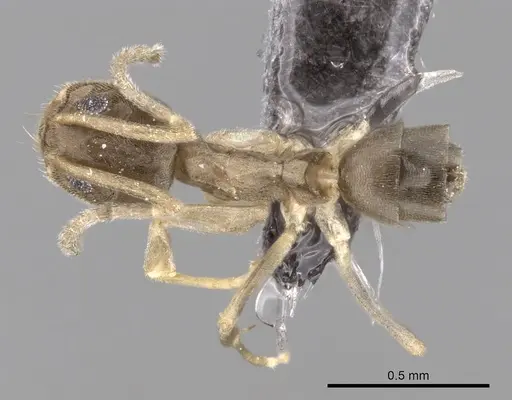
CASENT0264400
View on AntWeb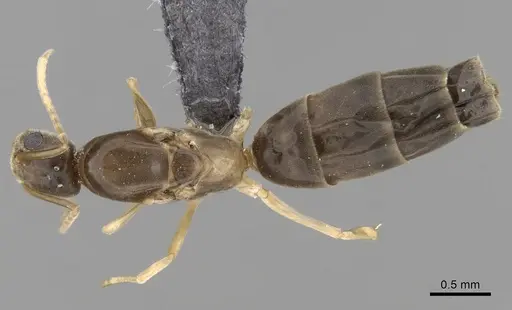
CASENT0280973
View on AntWeb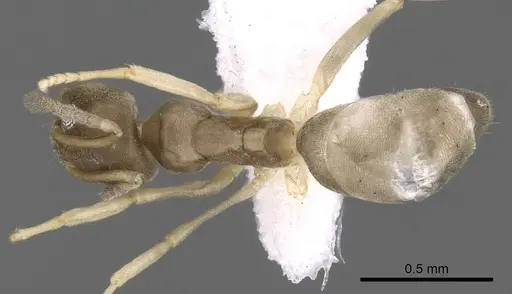
CASENT0911245
View on AntWeb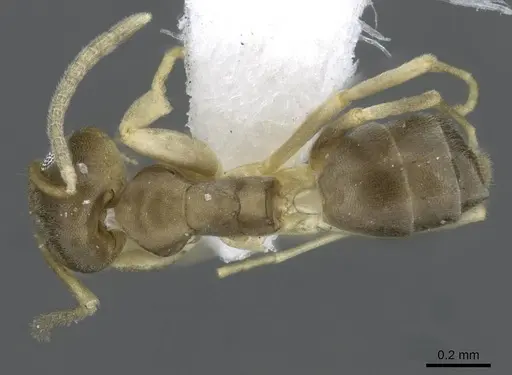
CASENT0919800
View on AntWeb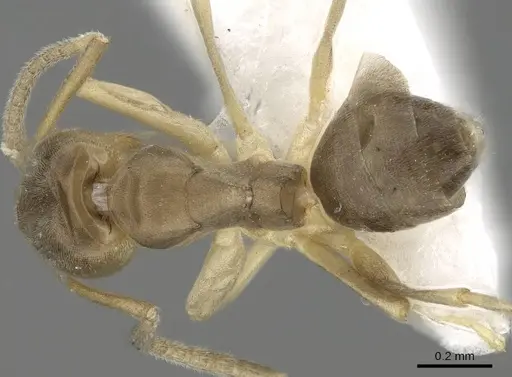
Literature
Loading distribution map...Loading products...