Tapinoma subboreale
- Sci. Name
- Tapinoma subboreale
- Tribe
- Tapinomini
- Subfamily
- Dolichoderinae
- Author
- Seifert, 2012
- Distribution
- Found in 7 countries
Introduction
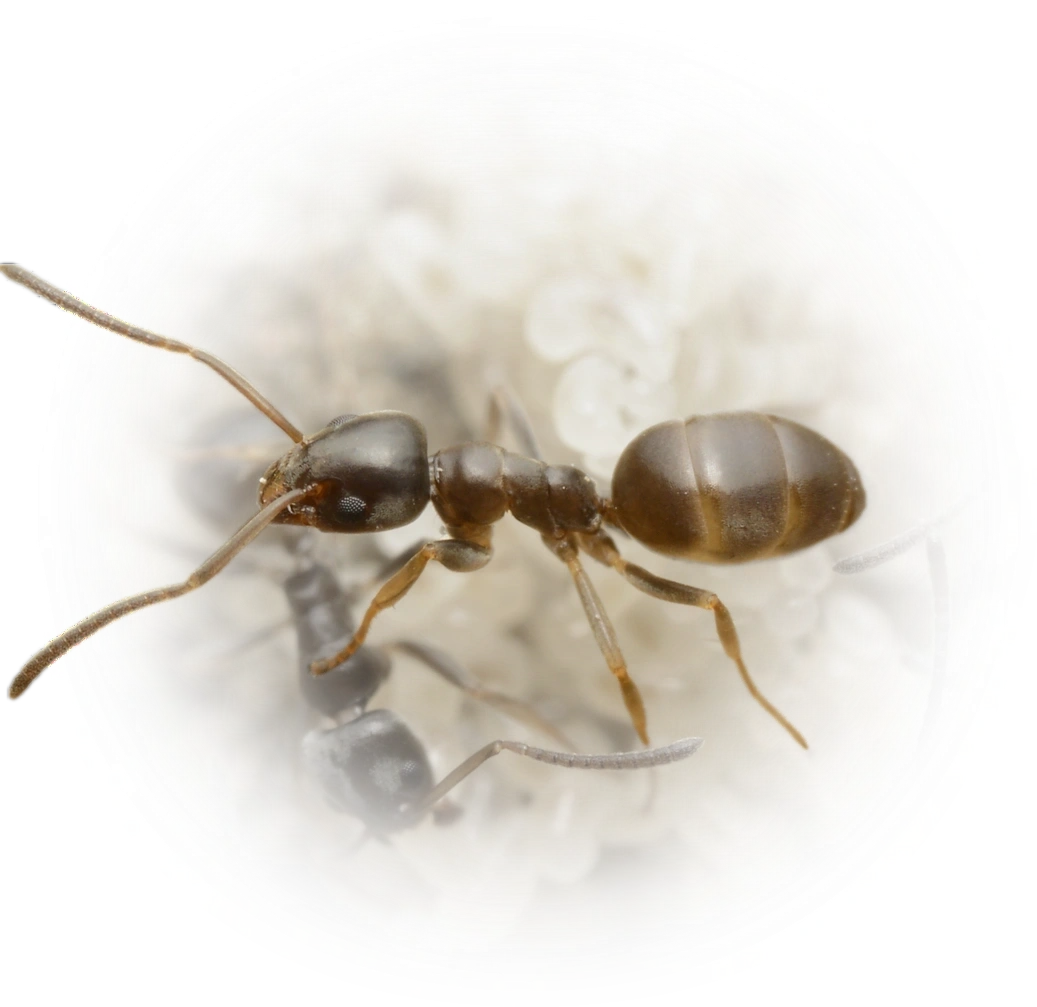
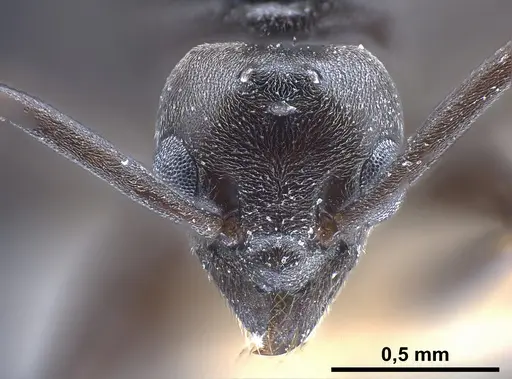
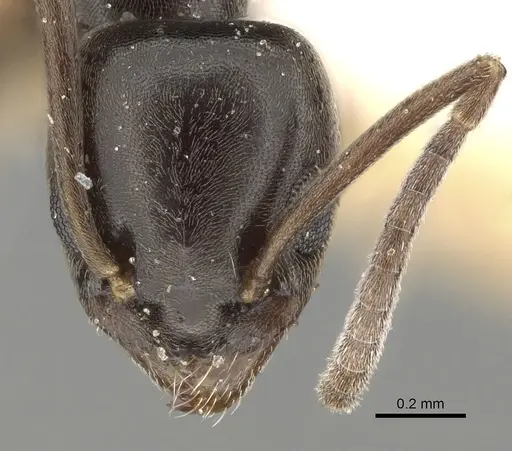
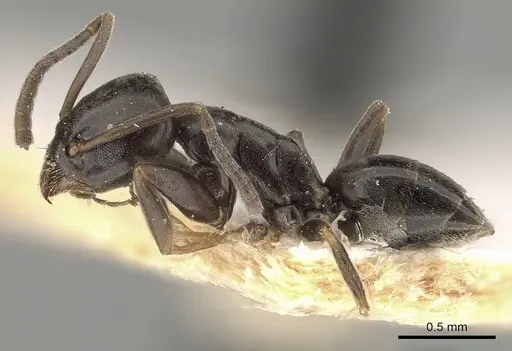
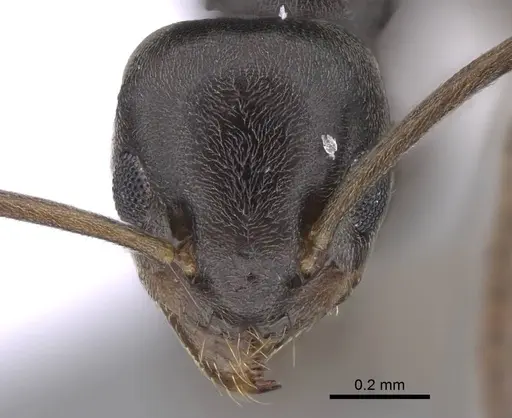
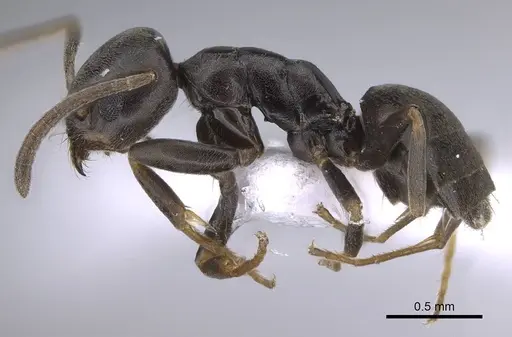
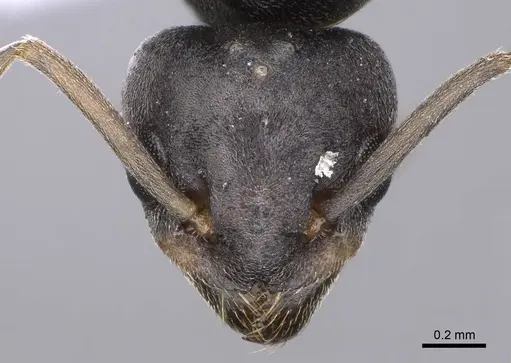
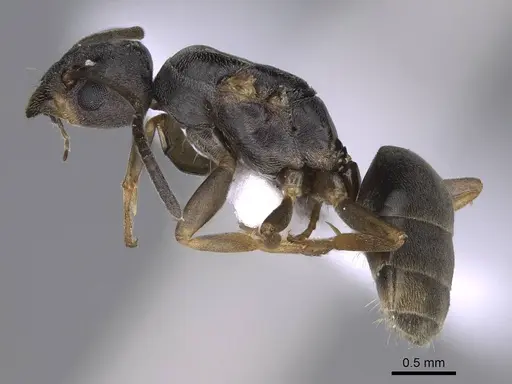
Tapinoma subboreale is a tiny European ant species that was only formally described in 2012. Workers are among the smaller ants you'll encounter, with a brown to black body and a distinctive shallow notch on the clypeus (the face plate above the mandibles). It is native to Central and Northern Europe, ranging from southern Sweden and England through France, Germany, and the Balkans to Italy and Turkey . They thrive in warm, sunny, dry to moderately moist open habitats like grasslands, gravel quarries, and light pine forests, typically nesting under stones . This species was previously confused with the closely related Tapinoma madeirense and Tapinoma erraticum, these three look nearly identical but occupy different niches. When crushed, T. subboreale gives off a characteristic rancid butter odor from its anal gland, a defense used against predators like Camponotus piceus .
Quick Summary
- Difficulty: Easy
- Origin & Habitat: Native to Central and Northern Europe including England, France, Germany, Sweden, Italy, and the Balkans. Prefers warm, sun-exposed, sandy and gravelly habitats: xerothermous grasslands, gravel quarries, light pine forests, and heathland. Nests under stones [2][1].
- Colony Type: Polygynous, colonies typically have multiple queens and relocate frequently when disturbed [4].
- Size & Growth:
- Queen: Size data unavailable, inferred from Tapinoma genus (~3-4 mm) [1]
- Worker: Size data unavailable, inferred from Tapinoma genus (~2-3 mm) [1]
- Colony: Colony size not well documented, but polygynous colonies likely grow to several hundred workers [4]
- Growth: Moderate, based on typical Tapinoma development patterns
- Development: 6-8 weeks estimated at room temperature based on genus patterns (Direct development data unavailable, estimate based on related Tapinoma species)
- Antkeeping:
- Temperature: Keep at 20-26°C, they are warmth-loving. Room temperature is usually ideal. Provide a gentle heat gradient if possible [2][5].
- Humidity: Prefers dry to moderately moist conditions. Keep the nest substrate lightly moist but allow it to dry between waterings. These open-habitat ants tolerate drier conditions better than many species [2].
- Diapause: Yes, as a Central European species, they require a winter rest period at 5-10°C for 2-3 months (November-February). Reduce food and moisture during this time [1].
- Nesting: Use a test tube setup or Y-tong nest. They prefer drier conditions and will nest under stones in captivity. A small formicarium with minimal moisture chambers works well. Avoid overly humid conditions [2][4].
- Behavior: Shy and fast-moving, they quickly relocate their nest when disturbed [4]. Non-aggressive, they flee rather than fight. Their defense is a rancid butter odor released from the anal gland [3][4]. They lack a stinger. Escape prevention is essential due to their tiny size, use fine mesh (≤0.3 mm) and seal all connections [4].
- Common Issues: tiny size means escapes are likely without fine mesh barriers, colonies relocate when disturbed, avoid frequent nest disturbance, overly humid conditions can be harmful, they prefer drier habitats, this species is protected in parts of its range (e.g., Austria), check local laws before collecting wild colonies [5][8], wild-caught colonies may have parasites that affect survival
Housing and Nest Setup
Tapinoma subboreale is tiny and needs appropriately scaled housing. A standard test tube works well for founding colonies and small groups. For established colonies, use a small Y-tong (AAC) nest or 3D-printed nest with narrow chambers. They prefer drier conditions, keep the nest substrate lightly moist, not wet. Avoid overly humid setups that can cause mold. Provide a shallow water source for drinking and ensure good ventilation. Because they are so small, use fine mesh (≤0.3 mm) on all escape barriers, they can squeeze through standard gaps that larger ants cannot [2][4].
Feeding and Diet
Like most Dolichoderine ants, T. subboreale is omnivorous. Offer sugar water, honey, or diluted maple syrup as an energy source. For protein, provide small insects like fruit flies, pinhead crickets, or small mealworms. They are active foragers that quickly recruit to food. Feed small amounts every 2-3 days, removing uneaten protein after 24 hours to prevent mold. No specialized diet needed, a balanced approach with regular protein and sugar works well [6].
Temperature and Seasonal Care
As a Central European species, T. subboreale is adapted to temperate seasons. Keep the colony at 20-26°C during the active season, room temperature is usually ideal. They are thermophilous and more active in warmer conditions, but avoid temperatures above 30°C. In winter, they require diapause. Reduce temperature to 5-10°C for 2-3 months (typically November to February). During hibernation, reduce food and keep the nest slightly moist but not wet. Do not feed during deep hibernation. Resume normal feeding and warming gradually in spring [1][2].
Behavior and Defense
This species is shy and quick-moving, relocating its nest when disturbed [4]. It is not aggressive and will not defend its nest aggressively. Their primary defense is a characteristic rancid butter odor from the anal gland, when threatened or crushed, they release this smell, which deters predators [4]. In interactions with other ants (e.g., Camponotus piceus), they approach laterally with the gaster raised and smear toxic anal gland secretion on the opponent [3]. They lack a functional stinger. Workers are fast runners and can be hard to observe closely. Colonies are polygynous, with multiple queens contributing to egg production [4].
Field Identification and Similar Species
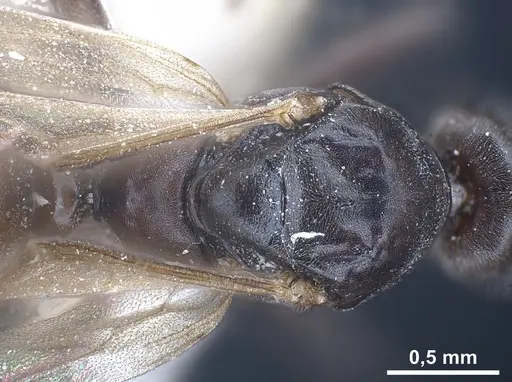
Tapinoma subboreale was only separated from T. madeirense and T. erraticum in 2012 [1]. Identification requires careful examination: T. subboreale has a more elongated head and mesosoma than T. madeirense. The most reliable characters are in male genitalia, the ratio between the divergence of the subgenital plate tips and the distance to the stipal tips is much larger than in T. madeirense (3.04-4.12 vs. 1.46-1.88) [1]. In the field, habitat can help: T. subboreale prefers cooler, more Central European locations, while T. madeirense is more Mediterranean. Both share the rancid butter odor when crushed [4].
Ecological Context
In the wild, T. subboreale competes intensely with the very similar Tapinoma erraticum, in any given area, typically only one species is dominant, suggesting strong competitive exclusion [5]. Both inhabit thermophilic open habitats but occupy slightly different niches. The species is expanding northward in some areas due to climate warming and is considered a xerothermous species [7]. Nuptial flights occur in June [6]. The species is considered vulnerable or potentially endangered in parts of its range, e.g., in Austria where it is legally protected [5][8]. It is also known to form plesiobiotic associations with other ant species in dune slacks [9] and has been observed feeding on plant exudates [10].
Frequently Asked Questions
Can I keep Tapinoma subboreale in a test tube?
Yes, test tubes work well for this tiny species. Use a small diameter tube and ensure the cotton is packed firmly. Keep the water chamber moderate-sized and provide a fine mesh barrier, their small size means they can escape through standard test tube stoppers. A test tube setup is ideal for founding colonies and small groups [2][4].
How long does it take for Tapinoma subboreale to develop from egg to worker?
Exact development time is unconfirmed, but based on related Tapinoma species, expect about 6-8 weeks from egg to first worker at room temperature (20-24°C). Development is faster at warmer temperatures within their tolerance range. The first workers (nanitics) will be smaller than mature workers [1].
Are Tapinoma subboreale good for beginners?
Yes, this species is beginner-friendly due to its small size, simple care requirements, and tolerance of varying conditions. They are not aggressive and don't require specialized diets. The main challenges are escape prevention (due to their tiny size) and ensuring proper winter hibernation. They adapt well to test tube and small formicarium setups [2].
Do Tapinoma subboreale need hibernation?
Yes, as a Central European species they require a winter rest period. Reduce temperature to 5-10°C for 2-3 months during winter (typically November-February). During hibernation, keep the nest slightly moist but reduce food offerings. Do not feed during deep hibernation. This rest period is essential for colony health and reproductive cycles [1].
How big do Tapinoma subboreale colonies get?
Colony size is not well documented, but as a polygynous species with multiple queens, colonies can likely grow to several hundred workers. They are not among the largest ant species, workers are tiny. Multiple queens contribute to egg production, which supports faster growth than single-queen colonies [4][1].
Can I keep multiple queens together in one colony?
Yes, T. subboreale is naturally polygynous, so colonies typically have multiple queens. Unlike species where multiple queens fight, these ants are adapted to living with several egg-laying queens in the same nest. You can keep multiple foundresses together if starting a colony from scratch, though single-queen colonies will also thrive [4].
What do Tapinoma subboreale eat?
They are omnivorous and accept standard ant foods. Offer sugar water, honey, or maple syrup for carbohydrates. For protein, provide small insects like fruit flies, small mealworms, or pinhead crickets. Feed small amounts every 2-3 days and remove uneaten food promptly. They are active foragers and will quickly recruit to food sources [6].
Why is my Tapinoma subboreale colony dying?
Common causes include: too high humidity (they prefer drier conditions), escape due to inadequate barriers, lack of hibernation in winter, or stress from frequent disturbances. They are sensitive to overly moist conditions. Check that the nest is not too wet and ensure escape prevention is adequate. Also ensure they receive proper winter cooling if it's the appropriate season [2][4].
Is Tapinoma subboreale invasive?
No, Tapinoma subboreale is not invasive. It is a native European species found across Central and Northern Europe. It has not been documented as established in non-native regions. It is actually considered vulnerable in some parts of its range and receives protection in Austria [5][8].
When do Tapinoma subboreale have nuptial flights?
Nuptial flights occur in June, based on field observations in Romania. Males and winged queens leave the colony to mate during this time. If you're keeping this species and want to observe mating, expect alates to appear in early summer [6].
How do I identify Tapinoma subboreale?
Identification is challenging as T. subboreale looks nearly identical to T. madeirense and T. erraticum. T. subboreale has a more elongated head than T. madeirense. The most reliable identification is through male genitalia examination, the ratio of subgenital plate characters differs significantly. For keepers, the best approach is to know your source and verify the species was correctly identified. The rancid butter odor when crushed is characteristic of all Tapinoma species [1][4].
Report an Issue
The current care sheet is based fully on literature. See inconsistencies, or something that's incorrect? Please , it will be resolved after review from an admin. Contributing to the blogs tab also helps providing information, to make us be able to further improve the caresheets. Thank you for your support!
References

This caresheet is licensed under CC BY-SA 4.0 .
Community Blogs
ANTWEB1041294
View on AntWeb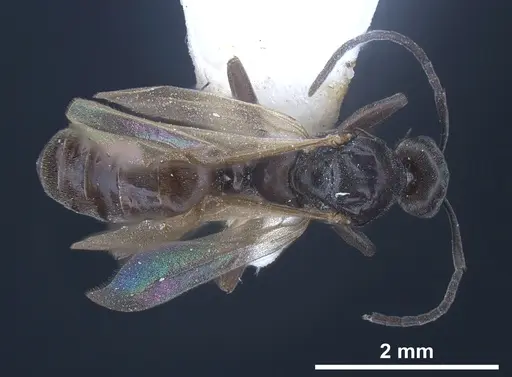
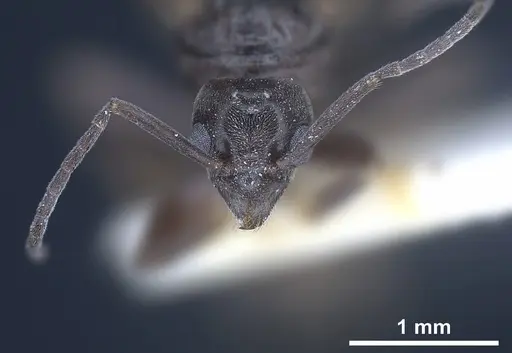
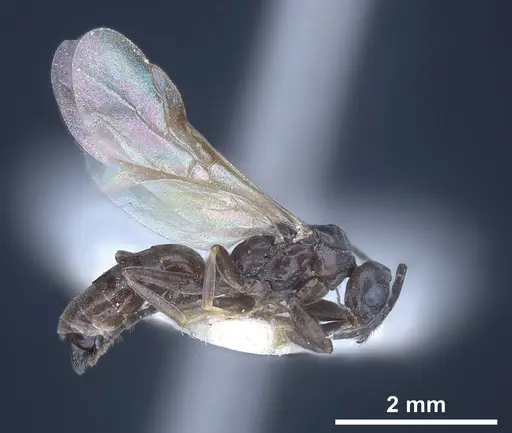
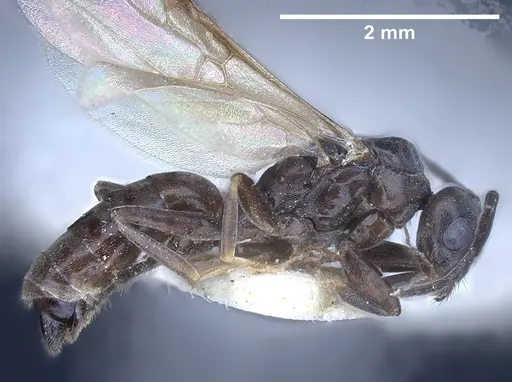
CASENT0280681
View on AntWeb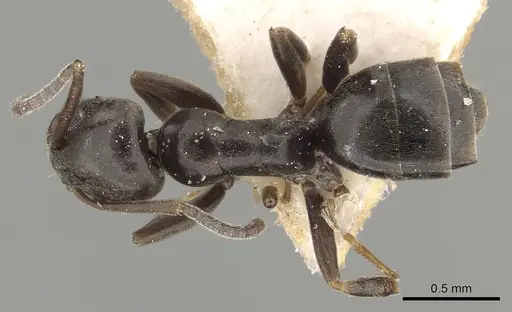
CASENT0914256
View on AntWeb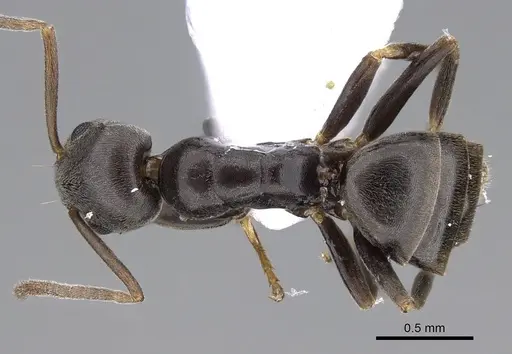
CASENT0914257
View on AntWeb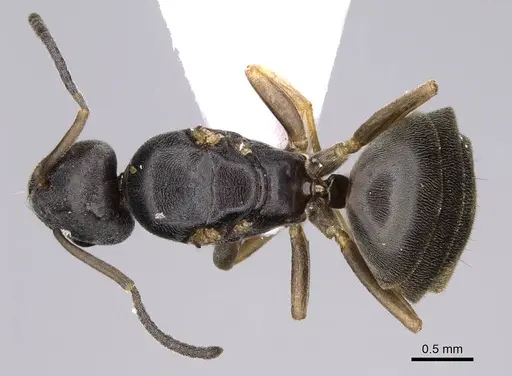
Literature
Loading distribution map...Loading products...