
Tapinoma schultzei
- Sci. Name
- Tapinoma schultzei
- Tribe
- Tapinomini
- Subfamily
- Dolichoderinae
- Author
- Forel, 1910
- Distribution
- Found in 4 countries
Introduction
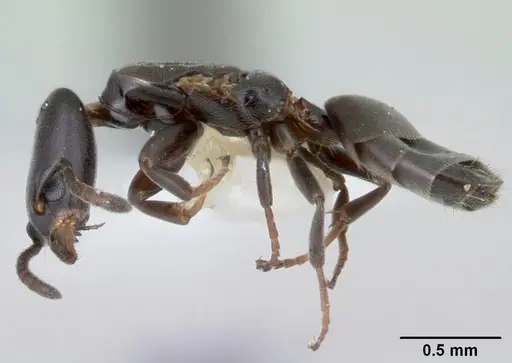
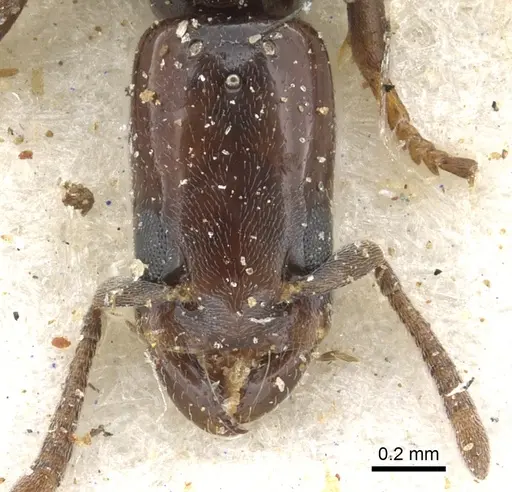
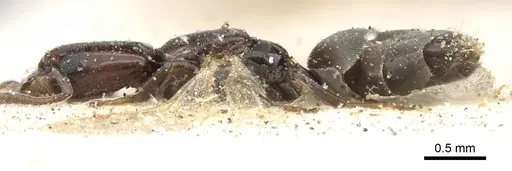
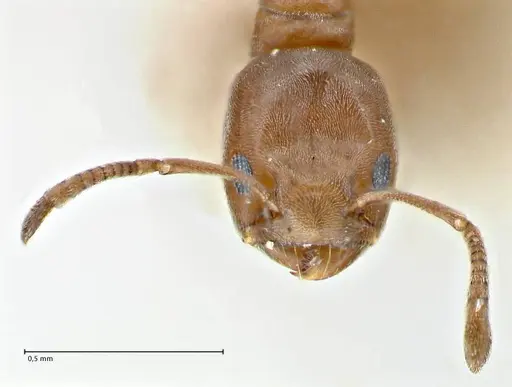
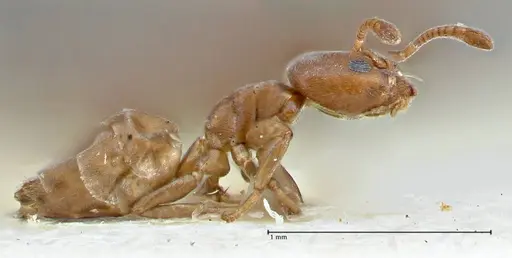
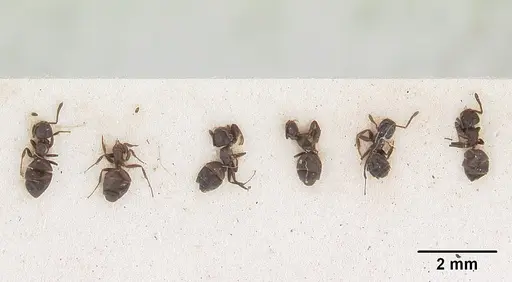
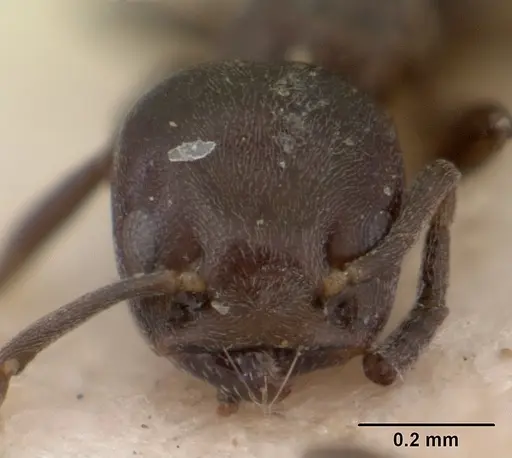
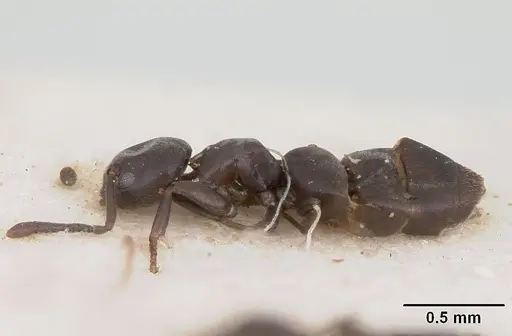
Tapinoma schultzei is a tiny, soft-bodied ant with a total length of about 2.0 mm . Workers have 11-segmented antennae, an unusual trait for Dolichoderinae . Originally described from Botswana , it is now known from the Afrotropical region: Botswana, Kenya, Democratic Republic of Congo, Zimbabwe, Tanzania, and Rwanda . These ants are arboreal, living on trees and shrubs, and have been found on Vachellia zanzibarica, Combretum molle, and Terminalia brownii . As a Dolichoderinae ant, it lacks a sting and defends itself by exuding sticky, foul-smelling compounds from the anal gland. This species is poorly studied, and most aspects of its biology remain undocumented.
Quick Summary
- Difficulty: Medium
- Origin & Habitat: Afrotropical region in Botswana, Kenya, Democratic Republic of Congo, Zimbabwe, Tanzania, and Rwanda. Found on trees and shrubs in savanna and forest edge habitats, up to 1440 m elevation [5][1].
- Colony Type: Unknown. The genus Tapinoma is typically polygynous, but no specific evidence exists for this species.
- Size & Growth:
- Antkeeping:
- Temperature: Not documented. As a tropical species, keep warm (estimated 24-28°C). Avoid prolonged temperatures below 20°C.
- Humidity: Not documented. Provide moderate humidity with a moist area in the nest, but avoid waterlogging.
- Diapause: Not documented. Likely no diapause as a tropical African ant.
- Nesting: Not documented. Based on arboreal habits, consider providing vertical structures like twigs or a Ytong nest. Use fine mesh to prevent escapes.
- Behavior: Timid, fast-moving ants. They are excellent escape artists due to their tiny size. No sting, but they produce sticky, foul-smelling anal gland secretions. In captivity, they forage actively and accept sugary liquids and small prey.
- Common Issues: tiny size (2 mm) means escapes are likely without fine mesh barriers, limited published information makes care guidance approximate, arboreal nature may require more complex nest setups than simple test tubes, tropical origin suggests poor tolerance to cool temperatures, fast movement makes handling and transfers challenging
Housing and Nest Setup
No specific data on nesting preferences for Tapinoma schultzei. Given its arboreal field records, you should provide vertical climbing surfaces and structures like twigs or a Ytong (AAC) nest. Use very fine mesh (less than 0.5 mm openings) to prevent escapes, as workers are only 2 mm long [1]. Maintain a humid area in the nest, but avoid waterlogging. Test tubes work for founding stages, but larger colonies may benefit from more complex spaces.
Feeding and Diet
No feeding studies exist for this species. Based on typical Tapinoma habits, offer a constant source of sugary liquids (honey, sugar water, maple syrup) and small protein items like fruit flies, springtails, or pinhead crickets. Because workers are tiny, prey must be appropriately sized. Remove uneaten protein after 24 hours to prevent mold. They may tend aphids if available.
Temperature and Seasonal Care
No directly studied temperature requirements. As a tropical African species recorded at elevations around 1440 m, keep the colony at 24-28°C with a slight gradient using a heating cable. Avoid temperatures below 20°C for extended periods. Diapause is not documented, they likely remain active year-round, possibly with reduced activity in cooler months. [5]
Behavior and Temperament
Observations show these ants are fast and timid, not aggressive. They lack a sting and rely on chemical defenses from the anal gland. Their small size makes them difficult to contain, always use barriers (fluon, PTFE) and fine mesh. Workers forage individually and likely accept both sweet and protein foods. Colony structure (monogyny/polygyny) is unknown.
Colony Founding
Founding behavior has not been documented for Tapinoma schultzei. The genus Tapinoma typically uses claustral founding, where queens seal themselves in a chamber and raise the first brood without foraging, but this is not confirmed for this species. Keep founding queens undisturbed, warm (around 26°C), and humid until first nanitic workers emerge.
Frequently Asked Questions
How long does it take for Tapinoma schultzei to have first workers?
Not documented. Based on similar Tapinoma species, it may take 6-8 weeks at optimal temperature (around 26°C), but this is speculative.
Can I keep Tapinoma schultzei in a test tube?
Yes, test tubes can be used for founding and small colonies. However, because they are arboreal, they may prefer setups with vertical space or twigs. Use fine mesh on the cotton as workers are only 2 mm and can squeeze through small gaps [1].
What do Tapinoma schultzei eat?
No specific data. Likely omnivorous, accepting sugary liquids (honey, sugar water) and small soft-bodied prey (fruit flies, springtails, tiny insect pieces). Size-appropriate prey is important.
Are Tapinoma schultzei good for beginners?
This species is rated Medium difficulty. Their tiny size makes them prone to escapes, and there is very little published information on their care. They may be manageable for keepers with some experience but are not ideal for complete beginners.
Do Tapinoma schultzei need hibernation?
No. They are tropical African ants and do not require hibernation. Keep them warm year-round at 24-28°C. Activity may slow in cooler months, but no special treatment is needed.
How big do Tapinoma schultzei colonies get?
Not documented. Related Tapinoma species can form colonies of several hundred workers, but this is speculative.
Why are my Tapinoma schultzei escaping?
At only 2 mm, they are excellent escape artists. Use fine mesh (openings less than 0.5 mm), apply fluon or barrier gel to all edges, and ensure tight lid seals. Check ventilation holes and gaps [1].
Can I keep multiple queens together in Tapinoma schultzei?
The genus Tapinoma is commonly polygynous, but this has not been documented for T. schultzei. If attempting to combine queens, monitor closely for aggression. It is not recommended without prior experience.
What temperature is best for Tapinoma schultzei?
No specific data. Estimated 24-28°C based on tropical origin and collection at 1440 m elevation. Avoid prolonged cold below 20°C. A heating cable on part of the nest provides a useful gradient.
Report an Issue
The current care sheet is based fully on literature. See inconsistencies, or something that's incorrect? Please , it will be resolved after review from an admin. Contributing to the blogs tab also helps providing information, to make us be able to further improve the caresheets. Thank you for your support!
References

This caresheet is licensed under CC BY-SA 4.0 .
Community Blogs
CASENT0178243
View on AntWeb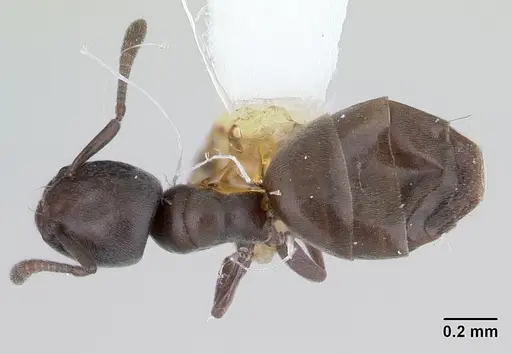
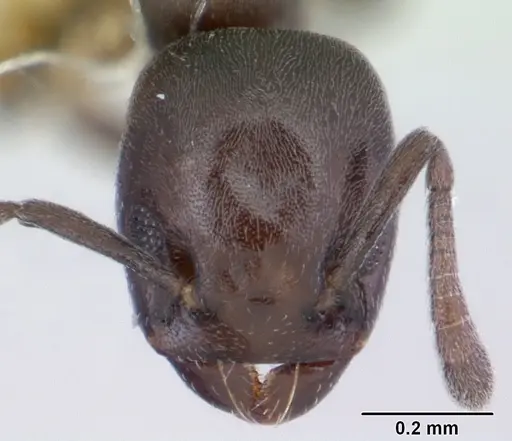
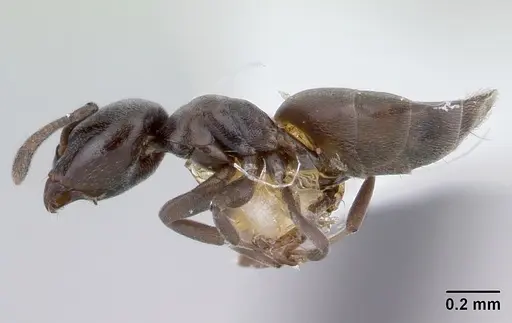
CASENT0178244
View on AntWeb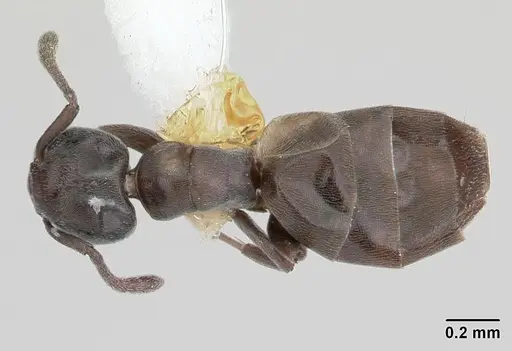
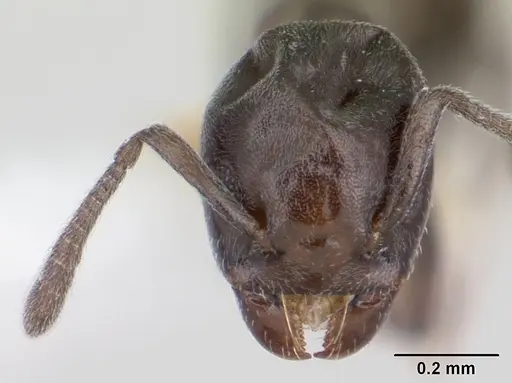
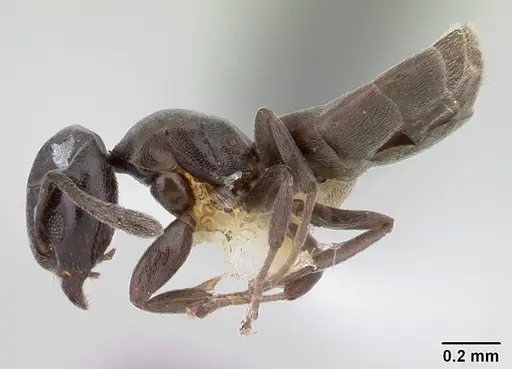
CASENT0178245
View on AntWeb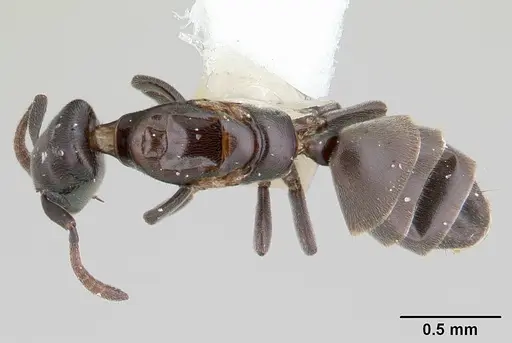
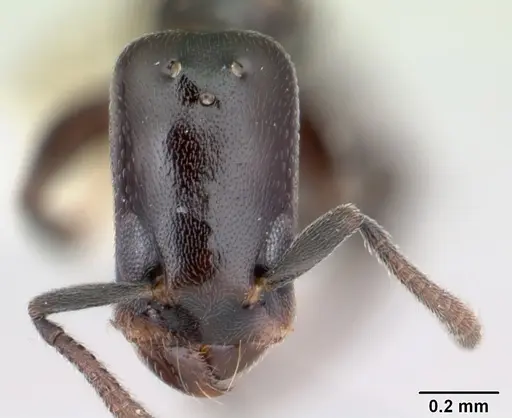
CASENT0903064
View on AntWeb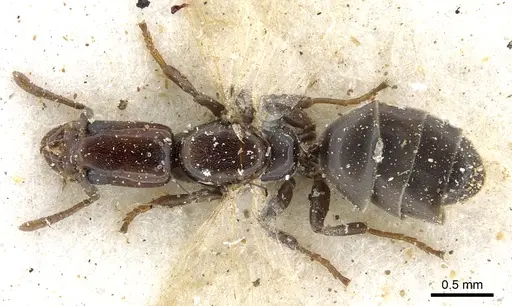
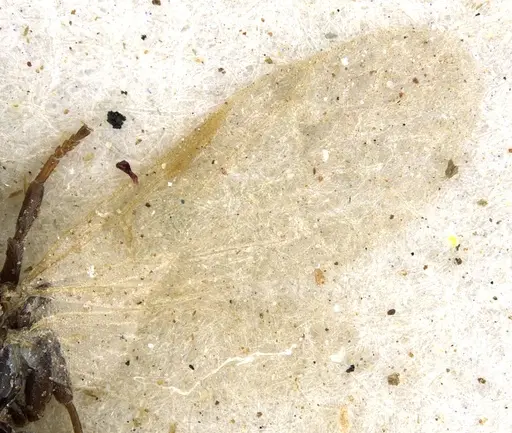
CASENT0909809
View on AntWeb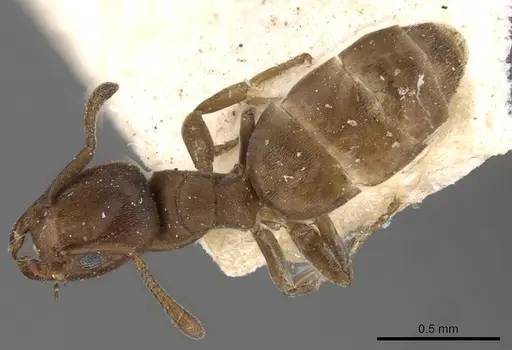
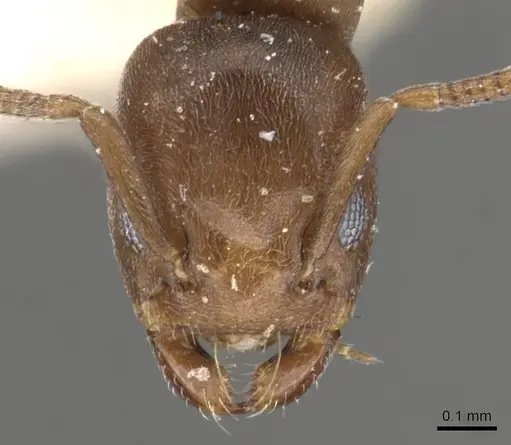
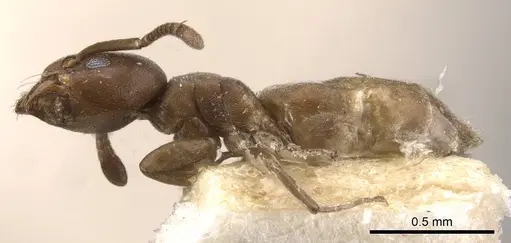
FOCOL2859-1
View on AntWeb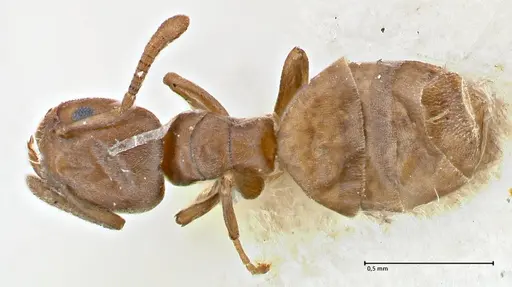
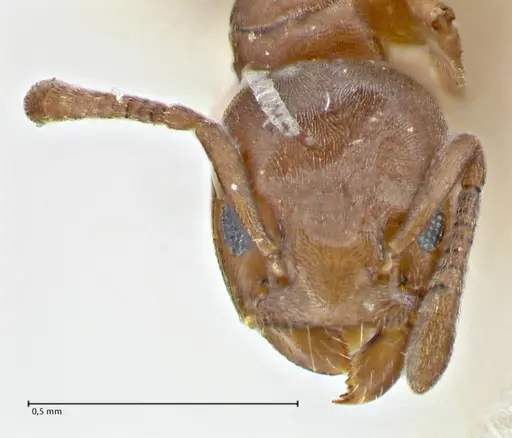
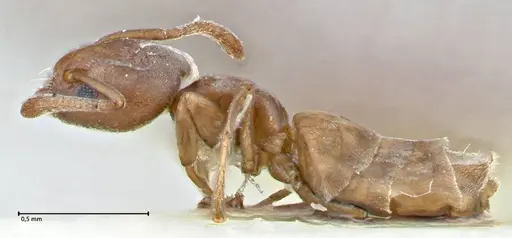
FOCOL2859-2
View on AntWeb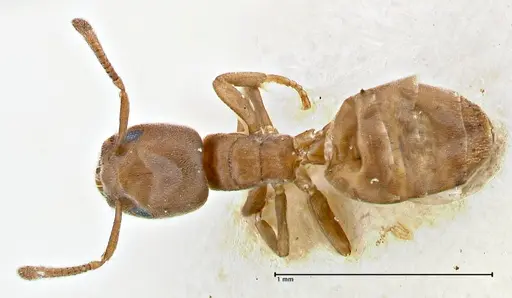
SAM-HYM-C004779
View on AntWeb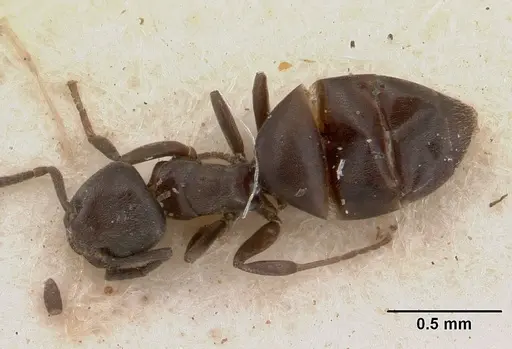
Literature
Loading distribution map...Loading products...