
Tapinoma ramulorum
- Sci. Name
- Tapinoma ramulorum
- Tribe
- Tapinomini
- Subfamily
- Dolichoderinae
- Author
- Emery, 1896
- Distribution
- Found in 7 countries
Introduction
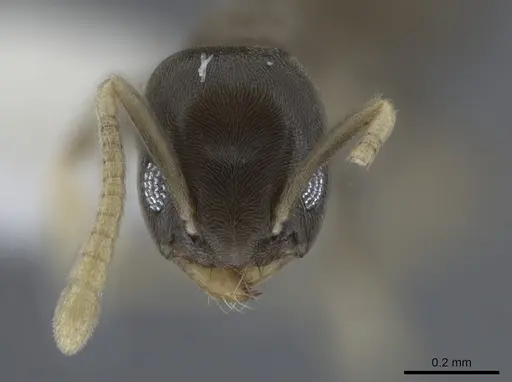
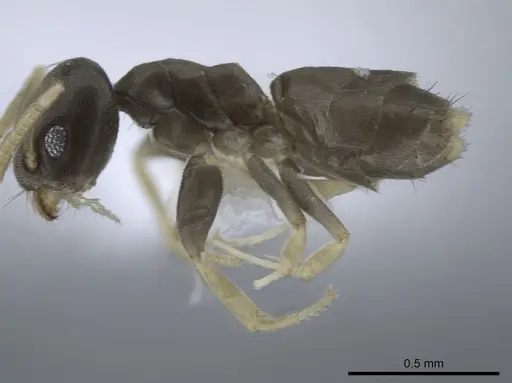
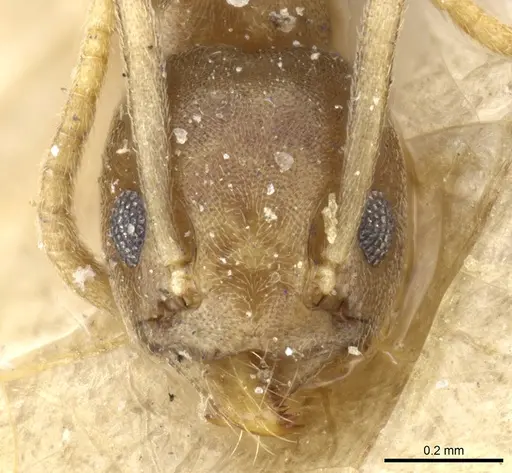
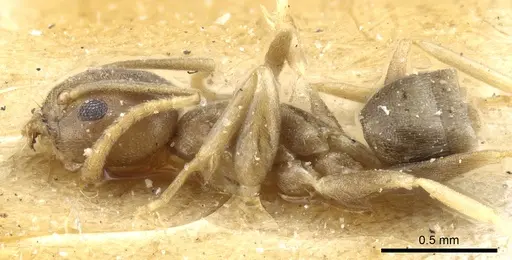
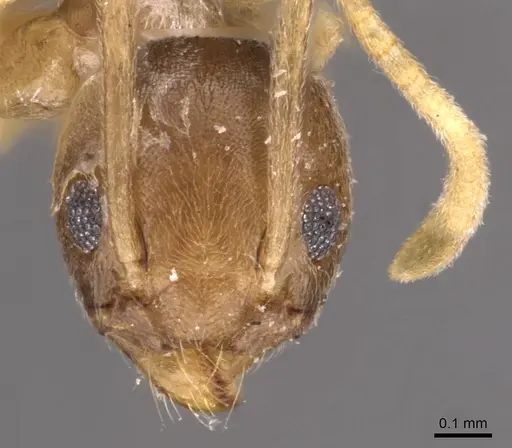
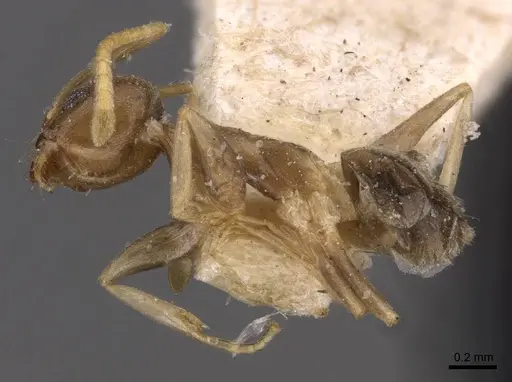
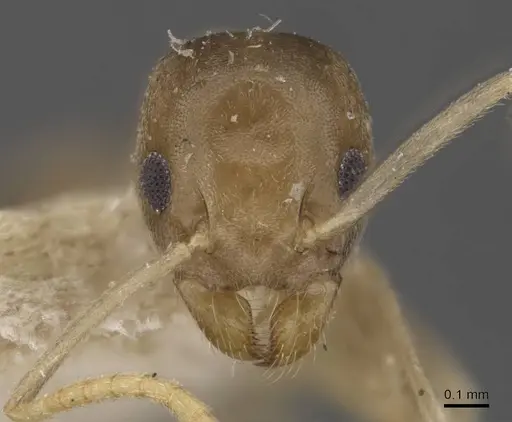
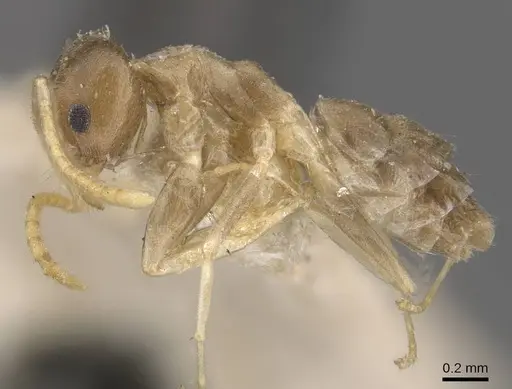
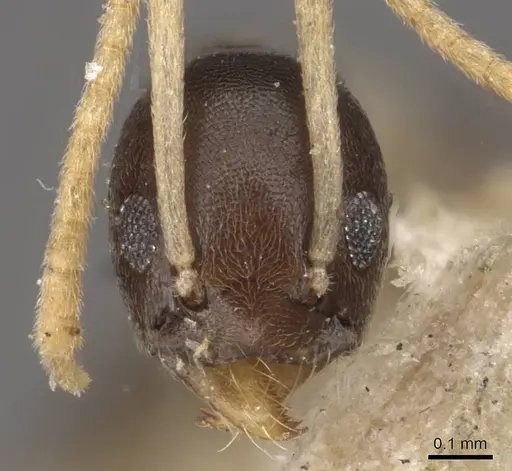
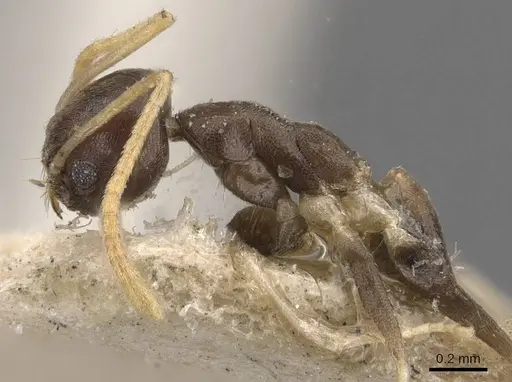
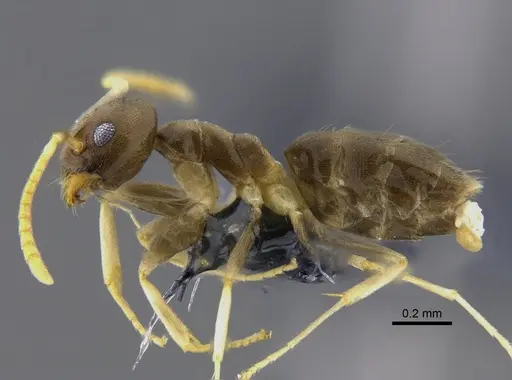
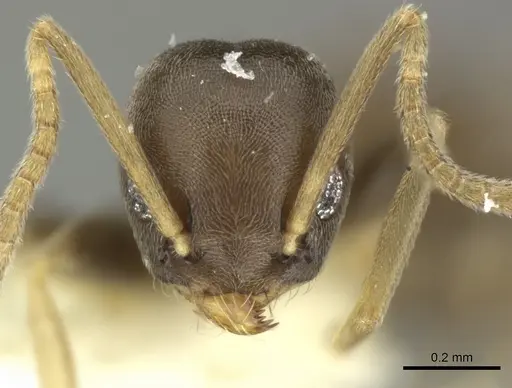
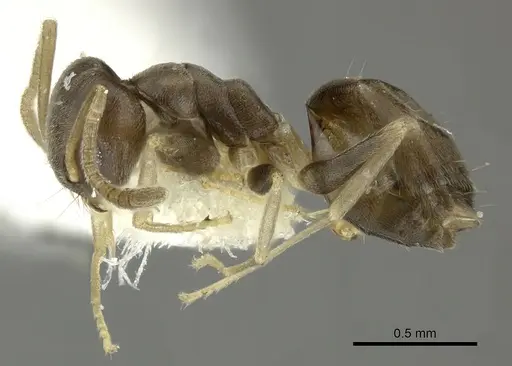
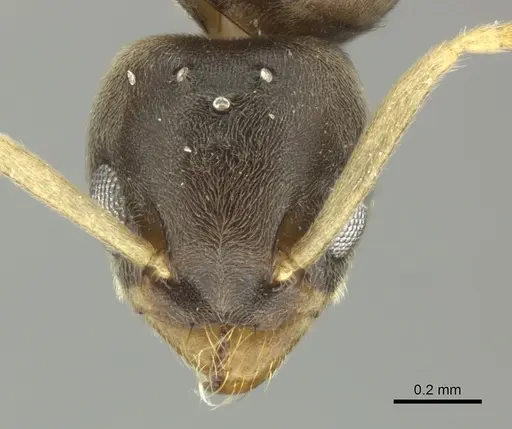
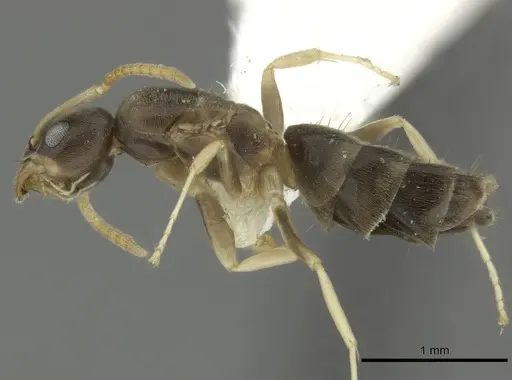
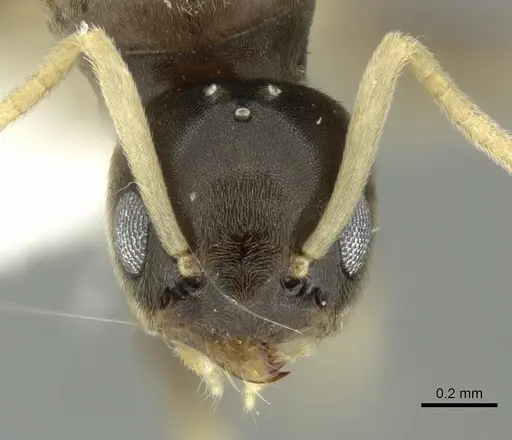
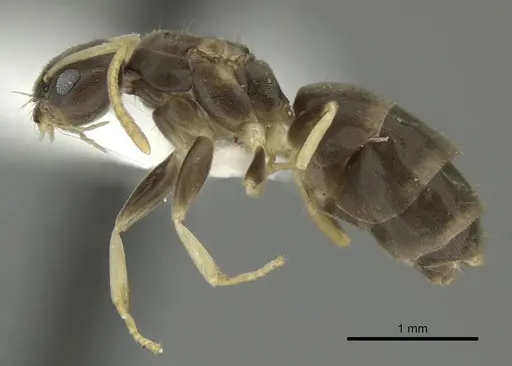
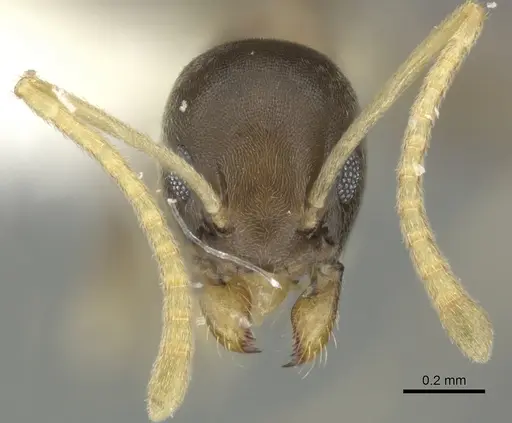
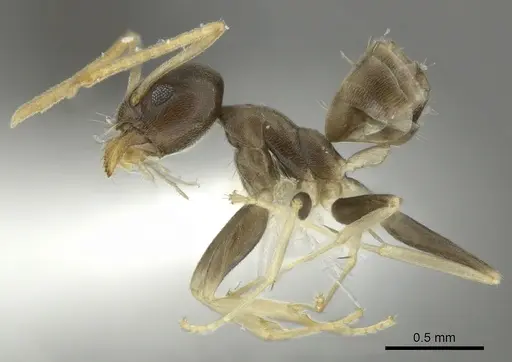
Tapinoma ramulorum is a small, dark-brown ant native to the Neotropical region, found across Costa Rica, Colombia, Trinidad and Tobago, Guatemala, and recently recorded in Ecuador . Workers are tiny, with body length undocumented but head width around 0.50-0.67 mm ; queens are larger, also without precise body length data. The species is characterized by its dark brown to light brown coloration, with distinctly yellowish legs including the trochanters, tibiae, and tarsi . The scapes extend beyond the margin of the vertex but never by more than a third their length . This ant is one of the most abundant in Costa Rica's vegetated habitats, occurring from sea level to middle elevations . It nests in almost any preformed plant cavity - from tiny dead twigs as small as 5 mm outside diameter to larger branches, under loose bark, in live stems, epiphyte mats, bromeliad bases, and sometimes in myrmecophytes . Colonies are polygynous, meaning they contain multiple queens . In Ecuador, colonies have also been observed nesting in small carton structures beneath leaves - the only Tapinoma species known to use a living resource for nesting .
Quick Summary
- Difficulty: Easy
- Origin & Habitat: Neotropical region, Costa Rica, Colombia, Trinidad and Tobago, Guatemala, Ecuador, Brazil, and Mexico. Found from sea level up to 1845 m elevation in tropical forests, secondary growth, and varied vegetated habitats [1][2][3].
- Colony Type: Polygynous, colonies have multiple queens working together [3].
- Size & Growth:
- Queen: ~3-4 mm (inferred from Tapinoma genus, precise body length not reported) [3].
- Worker: ~2-3 mm (inferred from Tapinoma genus, precise body length not reported) [1].
- Colony: Several hundred workers (estimated from related Tapinoma species) [3].
- Growth: Moderate, tropical species with relatively fast development in warm conditions (inferred).
- Development: 4-6 weeks at optimal temperatures (24-28°C), inferred from related Tapinoma species and general tropical ant development [3]. (Development is likely faster than temperate species due to tropical origin. First workers (nanitics) will be smaller than mature workers.)
- Antkeeping:
- Temperature: 24-28°C (warm room temperature). This is a tropical species that thrives in warm, stable conditions. If room temperature drops below 24°C, use a heating cable on one side of the nest to create a gentle gradient (inferred from native habitat in Costa Rica and lowland tropics) [2][3].
- Humidity: Keep the nest substrate consistently moist but not waterlogged. These ants naturally occur in humid tropical forests. Provide a water tube for drinking and mist occasionally, but avoid constant dampness that promotes mold (inferred from tropical habitat) [3].
- Diapause: No, this is a tropical species that does not require hibernation. Maintain warm temperatures year-round (inferred from tropical distribution) [3].
- Nesting: In nature they nest in tiny plant cavities, dead twigs as small as 5 mm diameter, under bark, in bromeliads, and epiphyte mats [3]. In captivity, they do well in small test tubes, Y-tong (AAC) nests with narrow chambers, or plaster/soil nests. The key is providing appropriately scaled tiny chambers. They do not need large spaces (inferred from natural nesting behavior) [3].
- Behavior: This is a relatively docile species that does not sting. Like other Dolichoderinae ants, they produce a sticky, foul-smelling defensive secretion from the anal gland (subfamily/tribe defense mechanism). Workers are active foragers, both on the ground and climbing vegetation. They are not aggressive, but their tiny size means escape prevention should be taken seriously, use fine mesh (at least 0.5 mm) and tight-fitting lids. They are polygynous, so you may see multiple queens in established colonies [3].
- Common Issues: tiny size means escapes are likely without fine mesh barriers and tight-fitting lids, check all gaps., colonies may fail if kept too cold, maintain warm temperatures year-round., overfeeding can lead to mold in small nest chambers, remove uneaten food promptly., wild-caught colonies may have parasites that can decimate the colony in captivity., small colony size at founding means slower growth than larger ant species, patience is required.
Housing and Nest Setup
Tapinoma ramulorum is a tiny ant that requires appropriately scaled housing. In the wild, they nest in plant cavities as small as 5 mm in diameter, so they do not need large spaces [3]. A small test tube setup works well for founding colonies, use a test tube with a water reservoir at one end, plugged with cotton. For established colonies, a Y-tong (AAC) nest with narrow chambers or a small plaster/soil formicarium works well. The key is providing small, tight chambers rather than large open spaces. These ants are not aggressive and do not require special escape-proofing beyond standard measures, but their tiny size means they can squeeze through very small gaps, use fine mesh (at least 0.5 mm) and ensure all connections are sealed. They do well in naturalistic setups with small twigs or bark pieces as nesting material, mimicking their natural plant-cavity preferences.
Feeding and Diet
Like other Tapinoma species, T. ramulorum is likely omnivorous, feeding on honeydew, nectar, and small insects. In captivity, offer a mix of sugar sources (honey water, sugar water, or commercial ant sweets) and protein (small live or frozen insects like fruit flies, pinhead crickets, or mealworm pieces). They are tiny ants, so prey items should be appropriately sized, flightless fruit flies and small springtails are ideal. Feed them a few times per week, removing any uneaten food promptly to prevent mold in their small nest chambers. Fresh water should always be available. They are foragers and will readily take sugar water from cotton balls or small containers.
Temperature and Seasonal Care
As a tropical species from Costa Rica and lowland South America, Tapinoma ramulorum requires warm temperatures year-round. Keep the nest area at 24-28°C (75-82°F). Room temperature in most homes is often adequate, but you may need a heating cable or heating mat on one side of the nest during cooler months. Do not let temperatures drop below 20°C for extended periods. Unlike temperate species, they do not require a winter diapause or hibernation period. Maintaining consistent warmth is key to their success, temperature fluctuations can stress colonies and slow or stop brood development. A digital thermometer near the nest helps monitor conditions (inferred from tropical habitat) [2][3].
Colony Structure and Multi-Queen Care
Tapinoma ramulorum is polygynous, meaning colonies naturally have multiple queens [3]. This has implications for captive care. When starting a colony from a wild-caught queen, you may be able to introduce additional queens (pleometrosis) if you obtain multiple foundresses from the same area. However, introducing unrelated queens is risky and not well-documented for this species. Established polygynous colonies are typically more stable than single-queen colonies and can produce workers more quickly. You may observe multiple egg-laying queens in an established colony, which is normal for this species. Do not be alarmed if you see several large queens, that is their natural structure.
Behavior and Temperament
This is a relatively calm, non-aggressive ant species. Like other Dolichoderinae, they do not have a functional stinger. Instead, they produce a sticky, foul-smelling defensive secretion from their anal gland, this is harmless to humans in most cases. Workers are active foragers, both on the ground and climbing vegetation, reflecting their natural habit of nesting in various plant cavities [3]. They are not known for being particularly aggressive or for forming large swarms. Their small size and docile nature make them an interesting species to observe, especially as they navigate their tiny natural nest cavities. They are not escape artists in the traditional sense (not particularly fast), but their minute size means they can slip through small gaps that larger ants cannot.
Frequently Asked Questions
Can I keep Tapinoma ramulorum in a test tube?
Yes, test tubes work well for founding colonies. Use a small test tube with a water reservoir at one end. Because they naturally nest in tiny plant cavities as small as 5 mm diameter, they do not need large spaces. A standard test tube setup is appropriate for colonies up to several dozen workers [3].
How long until Tapinoma ramulorum has first workers?
Expect first workers (nanitics) in about 4-6 weeks after the queen lays eggs, when kept at optimal tropical temperatures of 24-28°C. Development is faster than temperate species due to their tropical origin. The first workers will be smaller than mature workers (inferred from related species) [3].
Are Tapinoma ramulorum good for beginners?
Yes, this is a good species for beginners. They are small, docile, and do not require special care beyond warm temperatures and appropriate-sized nesting spaces. Their polygynous nature can make colony establishment more successful. The main considerations are their tiny size (requiring fine mesh barriers) and need for year-round warmth [3].
Do Tapinoma ramulorum need hibernation?
No, they do not need hibernation. This is a tropical species from Costa Rica and lowland tropical regions. Keep them warm year-round at 24-28°C. Hibernation or cold temperatures can kill this species [2][3].
How big do Tapinoma ramulorum colonies get?
Colony size is not precisely documented, but related Tapinoma species typically reach several hundred workers. Given their polygynous nature and tropical origin, expect moderate growth over 1-2 years to a colony of several hundred workers [3].
Can I keep multiple queens together in Tapinoma ramulorum?
Yes, this is natural for the species. T. ramulorum is polygynous, meaning colonies naturally have multiple queens [3]. If you obtain multiple foundresses, they can be housed together. However, introducing unrelated queens to an established colony carries risks and should be done carefully.
What do Tapinoma ramulorum eat?
They are omnivorous. Offer sugar sources (honey water, sugar water) and small protein items (fruit flies, small crickets, mealworm pieces). They are tiny, so prey should be appropriately sized. Feed them several times per week, removing uneaten food to prevent mold.
Why are my Tapinoma ramulorum dying?
The most common causes are cold temperatures (below 20°C), which can be fatal, and poor escape prevention allowing them to escape. Also check for mold in the nest, which can develop from overfeeding or excessive moisture. Wild-caught colonies may carry parasites that can decimate them in captivity.
When should I move Tapinoma ramulorum to a formicarium?
Move them when the test tube becomes crowded or the water reservoir is depleted. For T. ramulorum, this is typically when the colony reaches 50-100 workers. They prefer small, tight chambers, so choose a nest with appropriately sized passages rather than large open spaces [3].
What temperature do Tapinoma ramulorum need?
Keep them at 24-28°C (75-82°F). This is a tropical species that thrives in warm, stable conditions. Room temperature is often adequate, but you may need supplemental heating during winter months or in cool climates [2][3].
Report an Issue
The current care sheet is based fully on literature. See inconsistencies, or something that's incorrect? Please , it will be resolved after review from an admin. Contributing to the blogs tab also helps providing information, to make us be able to further improve the caresheets. Thank you for your support!
References

This caresheet is licensed under CC BY-SA 4.0 .
Community Blogs
CASENT0651453
View on AntWeb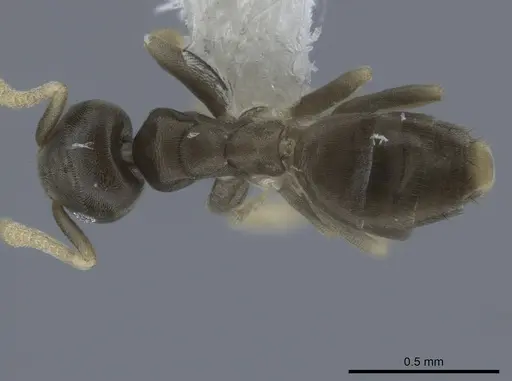
CASENT0904028
View on AntWeb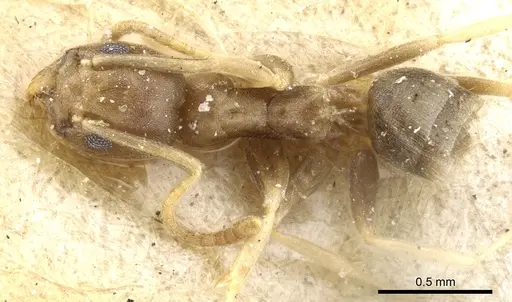
CASENT0907583
View on AntWeb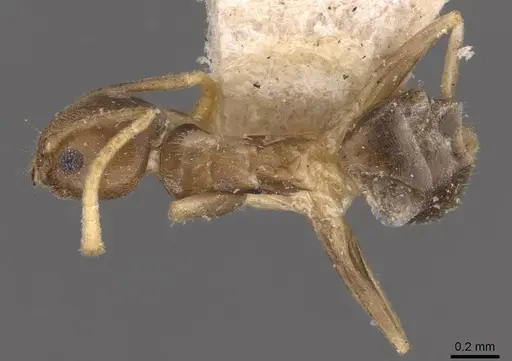
CASENT0909780
View on AntWeb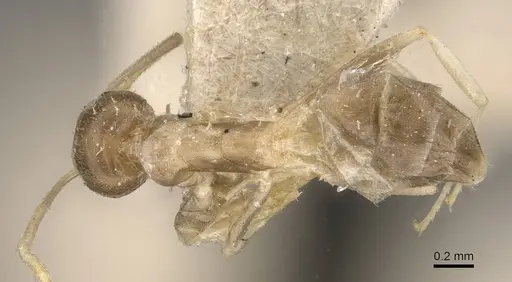
CASENT0909781
View on AntWeb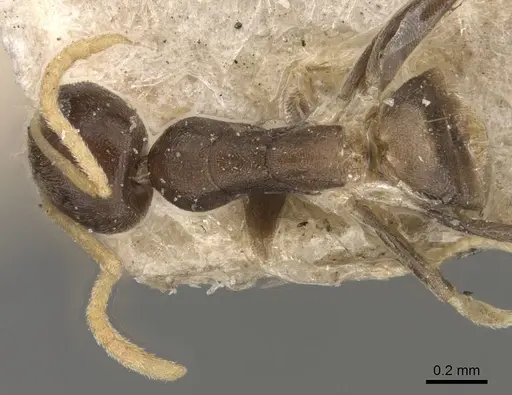
CASENT0909782
View on AntWeb
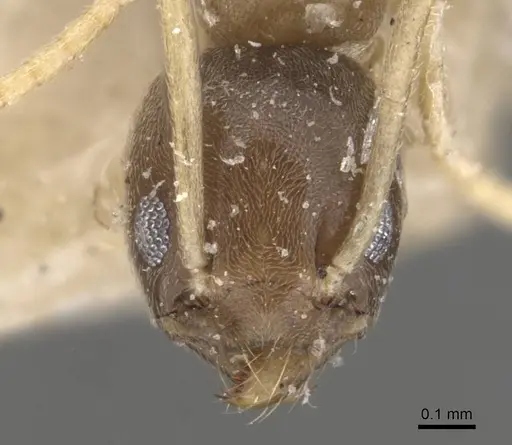
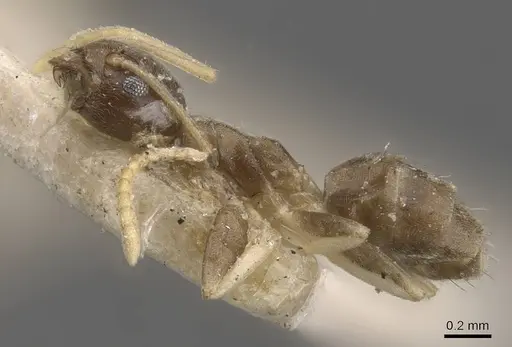
CBUMAGENT41881
View on AntWeb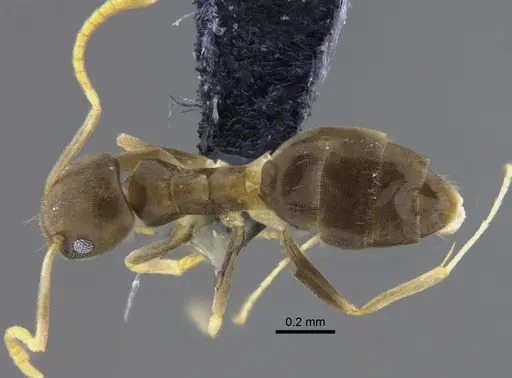
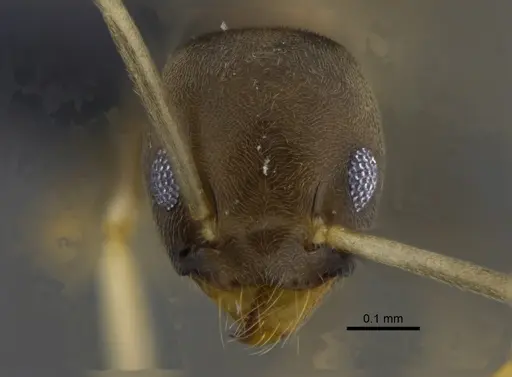
FOCOL2977
View on AntWeb
INBIOCRI001254153
View on AntWeb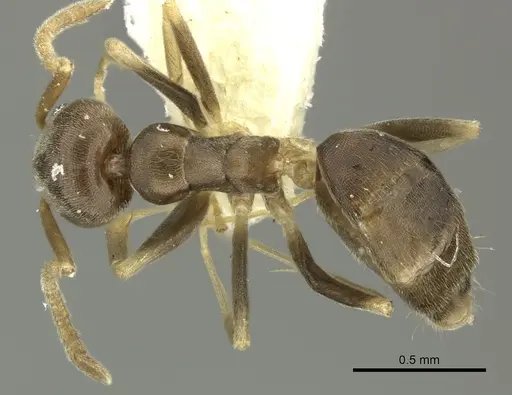
INBIOCRI002281796
View on AntWeb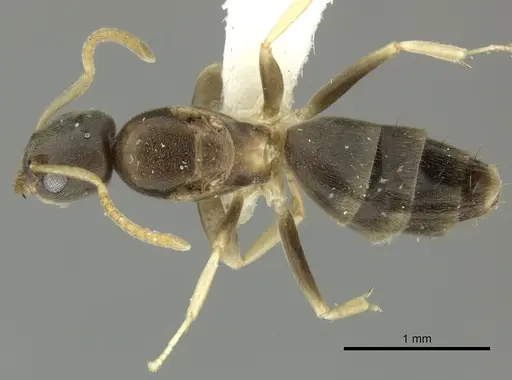
INBIOCRI002728303
View on AntWeb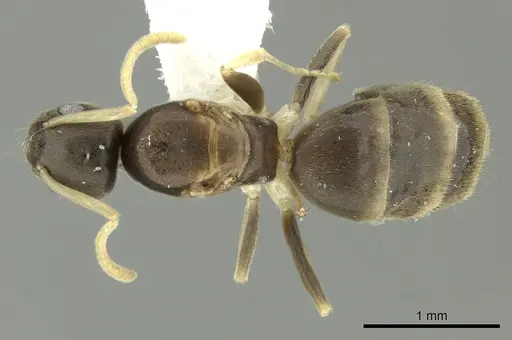
JTLC000002904
View on AntWeb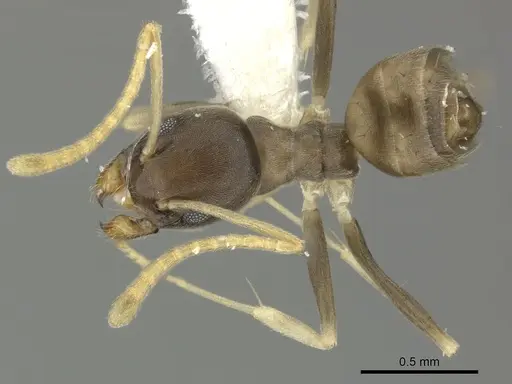
Literature
Loading distribution map...Loading products...