
Tapinoma opacum
- Sci. Name
- Tapinoma opacum
- Tribe
- Tapinomini
- Subfamily
- Dolichoderinae
- Author
- Wheeler & Mann, 1914
- Distribution
- Found in 3 countries
Introduction
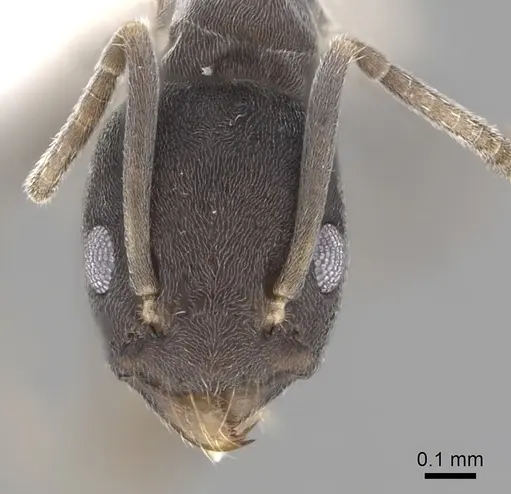
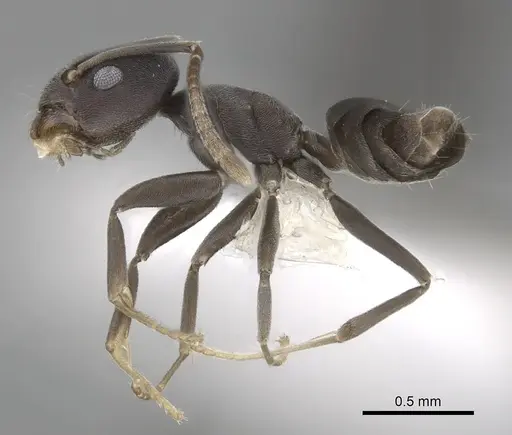
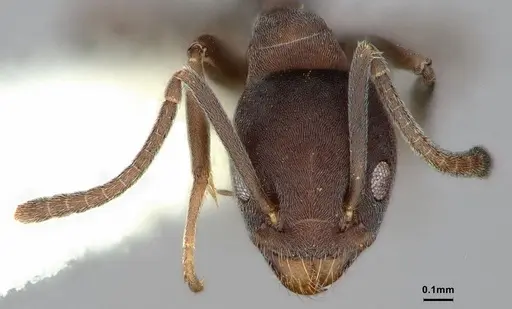
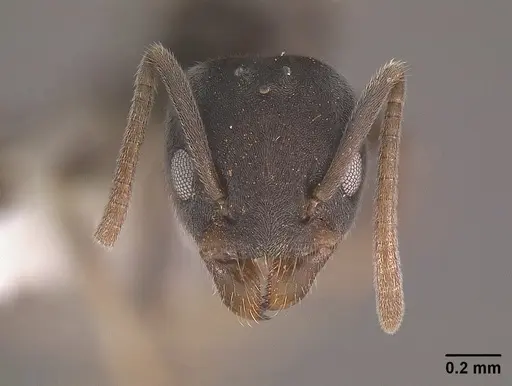
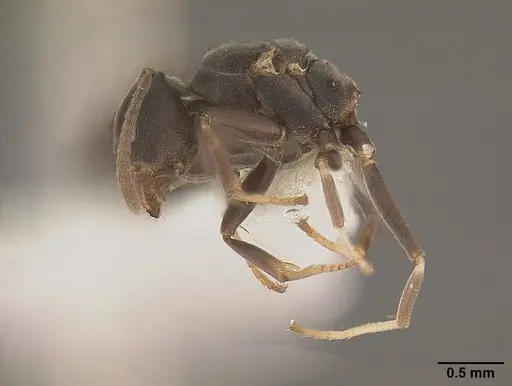
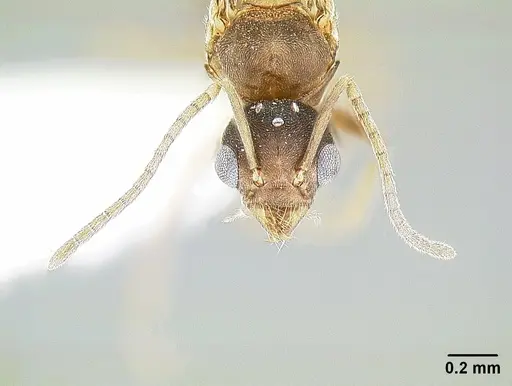
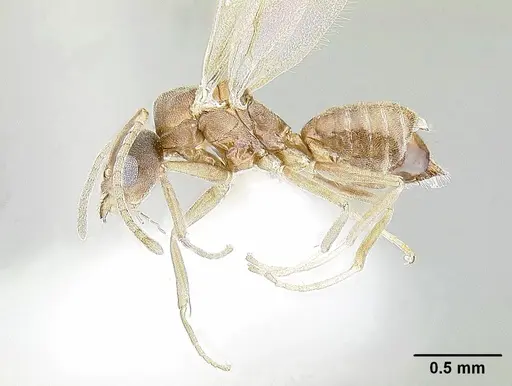
Tapinoma opacum is a tiny, dark ant species endemic to the island of Hispaniola in the Caribbean. Workers measure just 2-2.5mm, making them one of the smaller ant species you'll encounter. Their body is mostly black with yellowish tips on the mandibles, tarsi, and mouthparts, and their entire body has a distinctive opaque, finely punctured texture that gives them a slightly dusty appearance . These ants belong to the Dolichoderinae subfamily, meaning they defend themselves by exuding sticky, foul-smelling compounds from an anal gland rather than stinging. This species is a true Caribbean endemic, found only in the highland forests of Haiti and the Dominican Republic at elevations between 800-980 meters. Researchers have collected them from under the bark of fallen pine trees, from vegetation in moist forests, and from nests in downed wood . This preference for moist, shaded microhabitats is important to replicate in captivity.
Quick Summary
- Difficulty: Medium
- Origin & Habitat: Endemic to Hispaniola (Haiti and Dominican Republic), found at elevations of 800-980m in moist highland forests [2][3]. Type specimens were collected under the bark of a fallen pine tree, with additional collections from vegetation and nests in downed wood.
- Colony Type: Colony structure is unconfirmed.
- Size & Growth:
- Queen: Undescribed in scientific literature, estimated ~4-5mm based on genus patterns
- Worker: 2-2.5mm [1]
- Colony: Up to several hundred workers (estimated from related Tapinoma species)
- Growth: Moderate (estimated)
- Development: Estimated 5-8 weeks at optimal tropical temperatures (24-28°C), based on related species (Direct development data unavailable for this species.)
- Antkeeping:
- Temperature: Keep at 24-28°C. This species comes from tropical highlands in the Caribbean, so they prefer warm, stable conditions. A heating cable on one side of the nest can create a gentle gradient if your room temperature falls below this range.
- Humidity: High humidity required, they naturally live in moist forest environments. Keep the nest substrate consistently damp but not waterlogged. Use a Y-tong or plaster nest that retains moisture. Avoid dry, airy setups [2][3].
- Diapause: Unlikely required, being a tropical species from Caribbean highlands, they probably don't experience true hibernation. However, they may slow down slightly during cooler periods. Monitor colony activity and reduce feeding if they become less active.
- Nesting: They naturally nest in downed wood and under bark [2][3]. In captivity, a Y-tong (AAC) nest or plaster/naturalistic setup with moisture retention works well. The chambers should be appropriately scaled to their tiny 2-2.5mm size.
- Behavior: These ants are small and fast-moving. As Dolichoderines, they defend themselves by exuding sticky, foul-smelling compounds from an anal gland (smear defense). While this isn't dangerous to humans, it can cause mild irritation and has a distinctive pungent odor. They are not aggressive toward keepers but will quickly escape given any opportunity. Escape prevention is critical, at 2-2.5mm, they can easily slip through standard barrier setups. Use fine mesh and reliable barriers like fluon on the rim of any formicarium.
- Common Issues: escape prevention is critical, their tiny 2-2.5mm size means they can squeeze through the smallest gaps, dry conditions will stress them, always provide adequate moisture and avoid dry housing setups
Report an Issue
The current care sheet is based fully on literature. See inconsistencies, or something that's incorrect? Please , it will be resolved after review from an admin. Contributing to the blogs tab also helps providing information, to make us be able to further improve the caresheets. Thank you for your support!
References

This caresheet is licensed under CC BY-SA 4.0 .
Community Blogs
CASENT0249768
View on AntWeb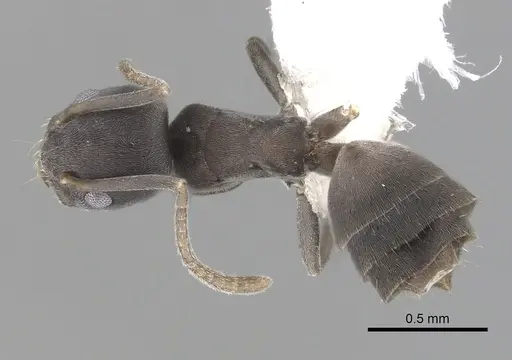
CASENT0862380
View on AntWeb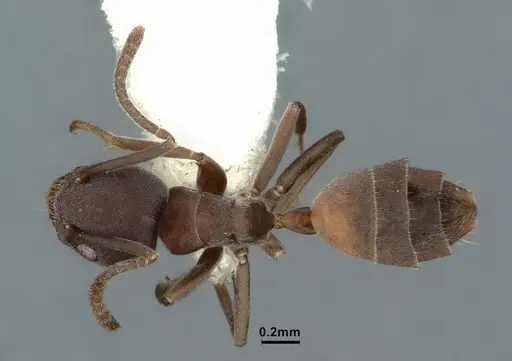
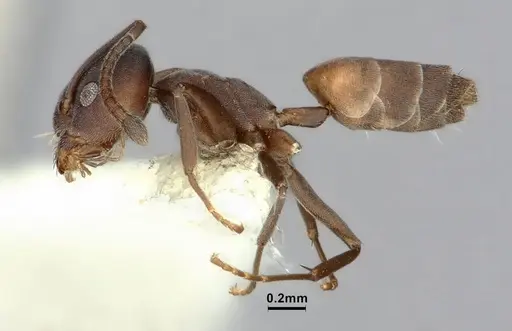
CASENT0862382
View on AntWeb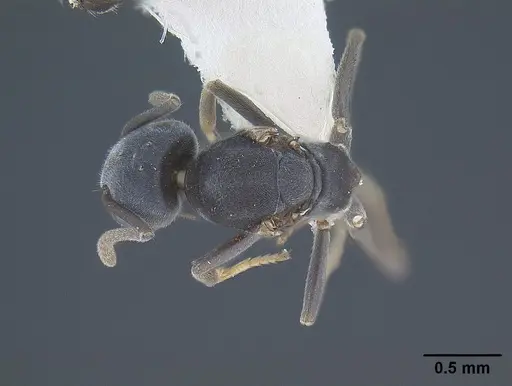
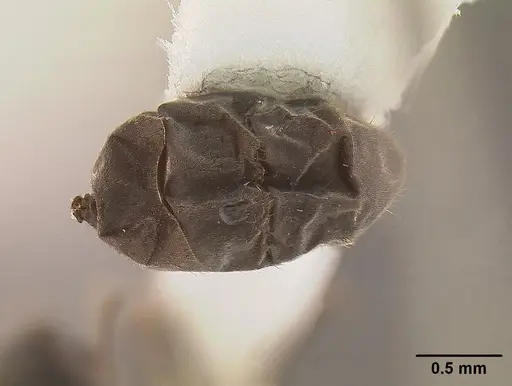
CASENT0862383
View on AntWeb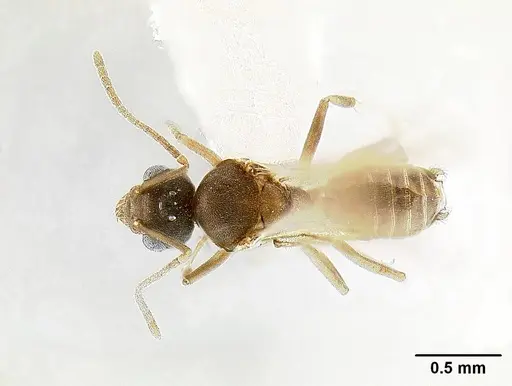
Literature
Loading distribution map...Loading products...