
Tapinoma minutum
- Sci. Name
- Tapinoma minutum
- Tribe
- Tapinomini
- Subfamily
- Dolichoderinae
- Author
- Mayr, 1862
- Distribution
- Found in 8 countries
Introduction
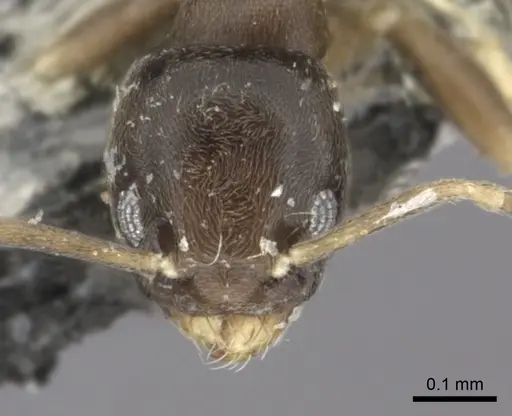
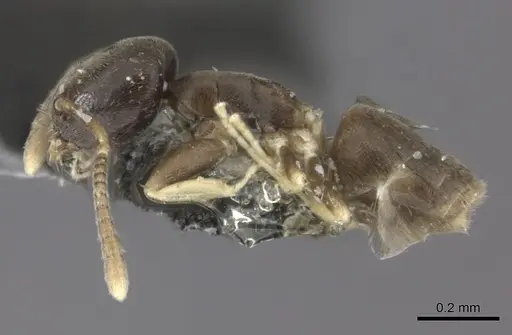
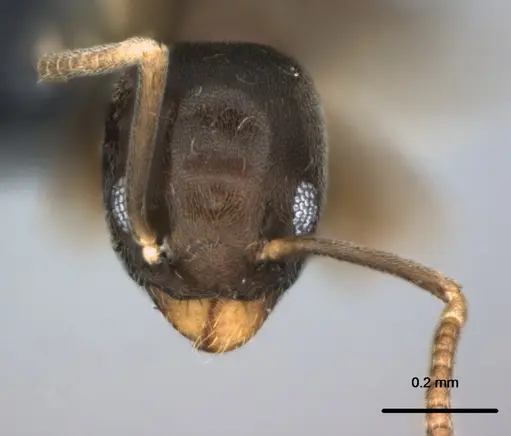
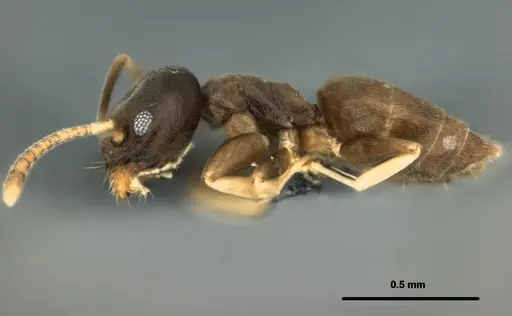
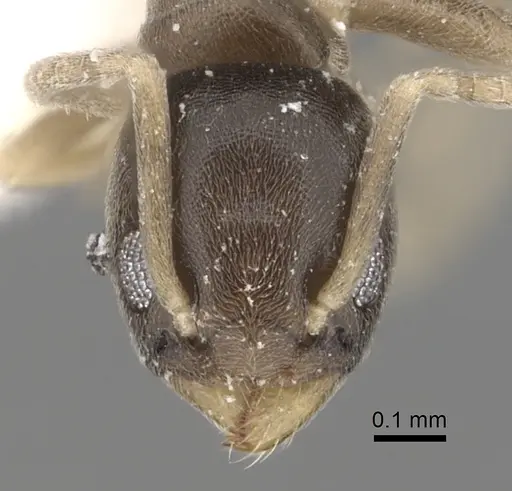
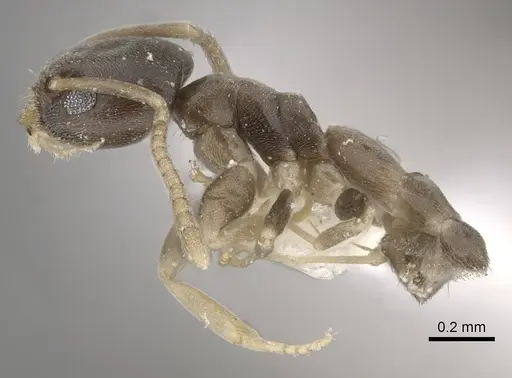
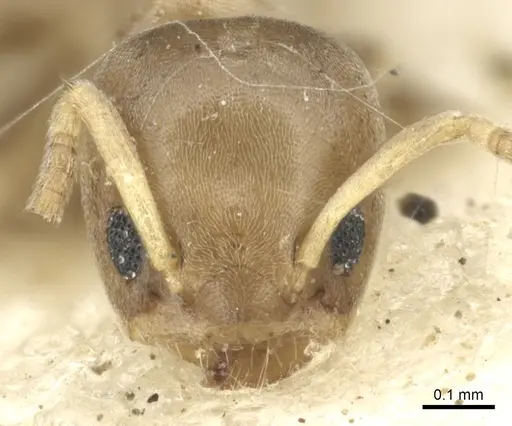
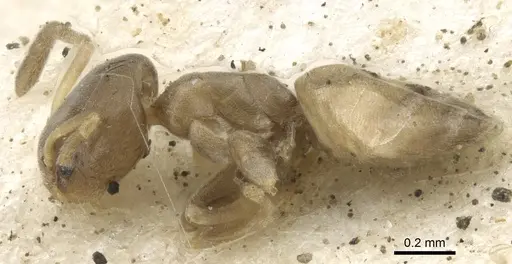
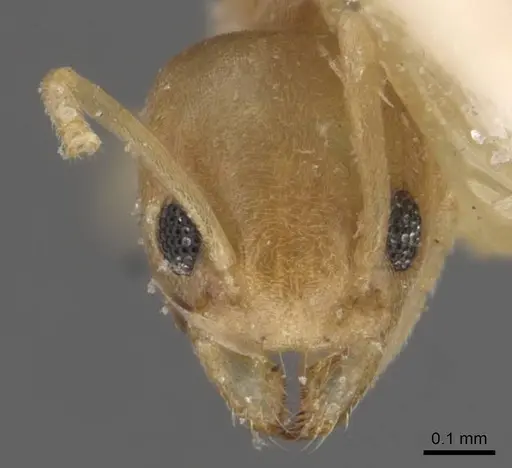
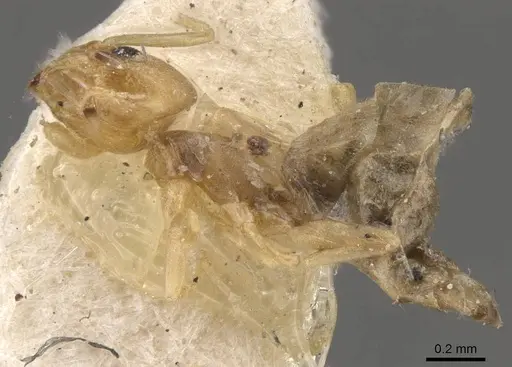
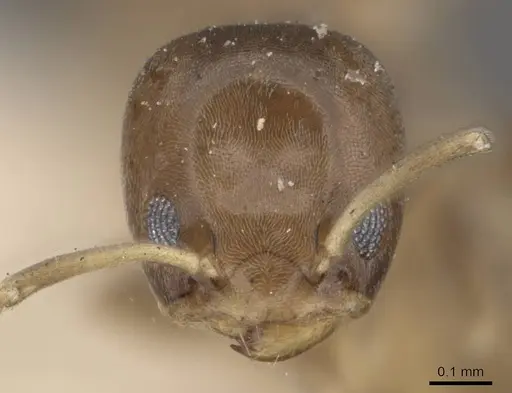
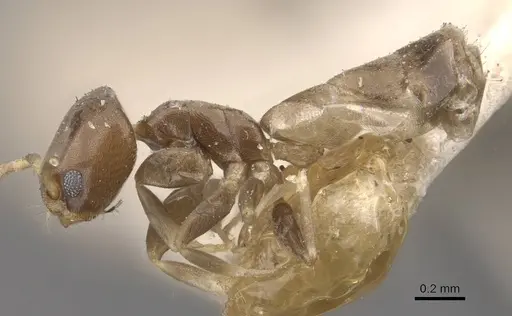
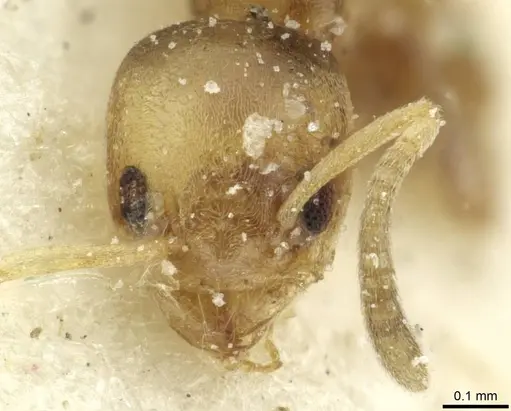
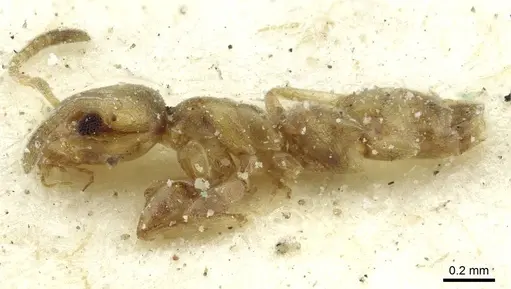
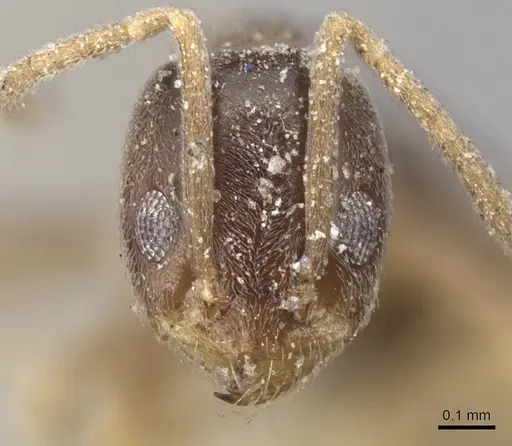
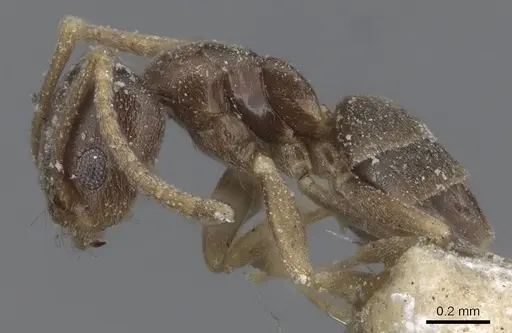
Tapinoma minutum is a tiny brown ant native to Australia and the broader Indo-Pacific region. Workers are exceptionally small, with a uniform brown coloration and relatively long antennae that barely pass the back of the head . This species is often confused with the more widespread Tapinoma melanocephalum (ghost ant), but Tapinoma minutum can be distinguished by its smaller size, concave front margin of the clypeus, and specific tooth arrangement on its mandibles . The species was first described by Mayr in 1862 and is now known across much of the Pacific, from Australia through Micronesia, Melanesia, and Polynesia . What makes Tapinoma minutum particularly interesting is its flexible social structure. Unlike many ants that stick to either single-queen or multi-queen colonies, this species can do both. Research in Australian populations shows they are facultatively polygynous (can have multiple queens) and polydomous (spread across multiple connected nests, up to three nests per colony) . This adaptability seems linked to a high rate of colony orphaning in the wild, where colonies lose their queen and must adapt by accepting new reproductive females . Workers are monandrous – each queen mates only once .
Quick Summary
- Difficulty: Medium
- Origin & Habitat: Native to Australia and the Indo-Pacific region, including New Guinea, Fiji, Samoa, Tonga, Niue, Cook Islands, French Polynesia, and Micronesia [3][4][7]. Found in wet sclerophyll forests in Australia [5], and in Pacific islands in forest, scrub, and coconut plantations [8].
- Colony Type: Facultatively polygynous (can have one or multiple queens) and polydomous (colonies spread across multiple connected nests, up to three) [5]. Monandrous – females mate only once [6].
- Size & Growth:
- Queen: Size data unavailable.
- Worker: Size data unavailable (head width measured at ~0.5mm [1]).
- Colony: Several hundred workers (estimated based on polydomous colony structure) [5].
- Growth: Moderate
- Development: 6-8 weeks (estimated, no specific study) (Development time estimated based on typical Dolichoderinae development at 24-28°C.)
- Antkeeping:
- Temperature: 24-28°C. As a tropical Pacific species, they prefer warm conditions. Provide a heat gradient [5].
- Humidity: Moderate to high humidity. Inhabit wet sclerophyll forests and tropical environments. Keep nest substrate lightly moist but not waterlogged [5][8].
- Diapause: Unlikely. As a tropical species, they probably do not require hibernation. Slight cooling in winter may reduce activity but is not necessary [3][4].
- Nesting: In nature they nest in plant cavities, rotting wood, and ant plants (Hydnophytum) [2]. In captivity, a small test tube or Y-tong nest works well. Ensure tiny gaps are sealed to prevent escape.
- Behavior: Generally calm and non-aggressive. They lack a functional sting and instead exude a sticky, foul-smelling chemical from anal glands when threatened (smear defense). Workers forage mainly in arboreal habitats [9]. They are known predators of butterfly eggs and larvae [10][11]. Their tiny size makes escape prevention critical.
- Common Issues: escape prevention is critical: workers can squeeze through gaps as small as 0.3mm., often confused with Tapinoma melanocephalum – verify identification using head features [2]., colony growth may be moderate, so avoid overfeeding., high orphaning rate in wild may mean some field-collected colonies lack queens [5]., chemical defense can produce an odor if ants are stressed.
Housing and Nest Setup
Because of their extremely small size, Tapinoma minutum requires careful attention to housing. A small test tube setup works well for founding colonies – use a test tube with a cotton plug creating a water reservoir on one end. For established colonies, a Y-tong (AAC) nest with narrow chambers works best. Whatever nest you choose, ensure it has excellent escape prevention – these ants can squeeze through any gap larger than about 0.3mm. Use fine mesh (at least 0.5mm openings) on ventilation and apply fluon to barrier edges. In nature, they have been found nesting in plant cavities and ant plants (Hydnophytum) on Fiji [2]. A small outworld connected to the nest works well.
Feeding and Diet
In the wild, Tapinoma minutum is known to be a predator of butterfly eggs and larvae, particularly on Guam where they are considered a significant predator [10][11]. In captivity, offer small live prey such as fruit flies (Drosophila), pinhead crickets, and other tiny insects. They will also accept sugar sources – a small drop of honey water or sugar water can be offered but keep drops tiny to avoid drowning risk. Protein should make up the majority of their diet. Feed small prey 2-3 times per week for established colonies, removing any uneaten prey after 24 hours to prevent mold.
Temperature and Seasonal Care
As a species native to tropical and subtropical Pacific islands and northern Australia, Tapinoma minutum prefers warm temperatures. Keep the nest area at 24-28°C for optimal colony development [5]. A heating cable placed on one side of the nest creates a temperature gradient that allows the ants to regulate their temperature. Avoid temperatures below 20°C for extended periods. Unlike temperate species, they do not require a true hibernation period, but you may notice reduced activity during winter months if your room temperature drops. If you live in a temperate climate, maintain warmth year-round using a small heater.
Colony Structure and Social Organization
One of the most interesting aspects of Tapinoma minutum is its flexible social structure. Research in Australian populations shows these ants are facultatively polygynous, meaning colonies can have either a single queen or multiple queens working together [5]. They are also polydomous, meaning a single colony can span multiple connected nests – up to three nests have been documented in a single colony [5]. This flexibility appears to be an adaptation to high rates of colony orphaning, where colonies losing their queen can accept new reproductive females rather than dying out [5]. Workers are monandrous, meaning each queen mates only once during her nuptial flight [6]. This social structure makes them interesting to observe in captivity – you may have multiple queens cooperating.
Identification and Distinguishing from Similar Species
Tapinoma minutum is often confused with the more widespread Tapinoma melanocephalum (the ghost ant), which is a major invasive pest species worldwide. Telling them apart requires attention to detail: Tapinoma minutum is smaller, has a concave (notched) front margin of the clypeus, and has specific differences in antenna length and eye placement [2][12]. Under magnification, Tapinoma minutum shows uniform brown coloration throughout its body with no color contrast, while Tapinoma melanocephalum typically has a pale gaster contrasting with a darker head and mesosoma [1]. The scape (first antennal segment) is relatively longer in Tapinoma minutum [1]. If you obtained your ants from the Indo-Pacific region (Australia, Fiji, Samoa, etc.), they are more likely to be Tapinoma minutum, while Tapinoma melanocephalum is found in more disturbed urban areas globally.
Behavior and Defense
Tapinoma minutum is a calm, non-aggressive species that poses no threat to keepers. They belong to the subfamily Dolichoderinae, which lacks a functional sting. Instead, their primary defense is excreting a sticky, foul-smelling secretion from anal glands (smear defense). This can produce an unpleasant odor if the colony is heavily disturbed, but they are generally timid, preferring to flee rather than fight. Their tiny size makes them excellent escape artists – always work over a tray and seal all gaps. They are primarily arboricolous (tree-dwelling) foragers [9]. They are known to prey on butterfly eggs and larvae, so they may show strong hunting instincts for small prey [10][11]. This species is best suited for observation rather than handling.
Frequently Asked Questions
How long does it take for Tapinoma minutum to develop from egg to worker?
The exact development time has not been specifically studied for Tapinoma minutum, but based on typical Dolichoderinae development at warm temperatures, expect around 6-8 weeks from egg to first worker. Keep them at 24-28°C for fastest development.
Can I keep multiple queens together in a Tapinoma minutum colony?
Yes, this species is facultatively polygynous, meaning they can naturally have multiple queens in a single colony. In the wild, colonies often have several queens, and this flexibility appears to help colonies survive when queens die [5]. If you have multiple foundresses, you can try introducing them, but watch for aggression.
What do Tapinoma minutum eat?
They are primarily predatory, feeding on small insects and arthropods. In the wild, they are known predators of butterfly eggs and larvae [10][11]. In captivity, offer small live prey like fruit flies, pinhead crickets, and other tiny insects. They will also accept sugar sources like honey water or sugar water, but protein should make up the majority of their diet.
Are Tapinoma minutum good for beginners?
They are moderate difficulty – not the easiest but not challenging either. The main challenge is their extremely small size, which makes escape prevention critical and can make them harder to observe than larger species [13]. If you are comfortable with small ants and can provide proper escape prevention, they make interesting pets.
How big do Tapinoma minutum colonies get?
Colony size is not well documented, but based on their polydomous structure (multiple connected nests) and related species, colonies likely reach several hundred workers [5]. They are not among the largest ant species, but they can establish substantial colonies over time.
Do Tapinoma minutum need hibernation?
No, as a tropical Pacific species, they do not require hibernation. Keep them warm year-round at 24-28°C. You may notice reduced activity during cooler winter months if your room temperature drops, but this is not a true diapause [3][4].
Why are my Tapinoma minutum escaping?
Their tiny size means they can squeeze through remarkably small gaps. Review all connections, apply fluon to barrier edges, and ensure your mesh is fine enough (0.5mm or smaller). Check lid seals, tube connections, and any gaps in your formicarium.
Report an Issue
The current care sheet is based fully on literature. See inconsistencies, or something that's incorrect? Please , it will be resolved after review from an admin. Contributing to the blogs tab also helps providing information, to make us be able to further improve the caresheets. Thank you for your support!
References

This caresheet is licensed under CC BY-SA 4.0 .
Community Blogs
CASENT0177146
View on AntWeb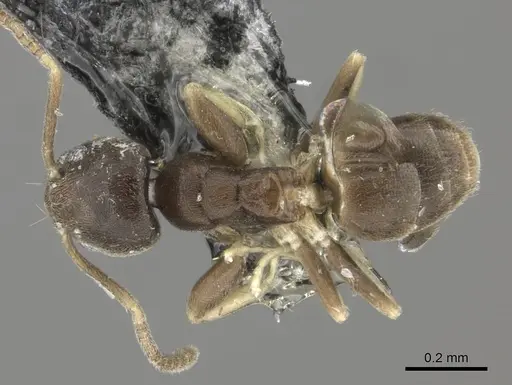
CASENT0177147
View on AntWeb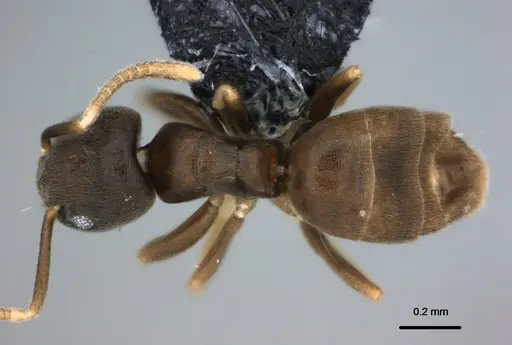
CASENT0249767
View on AntWeb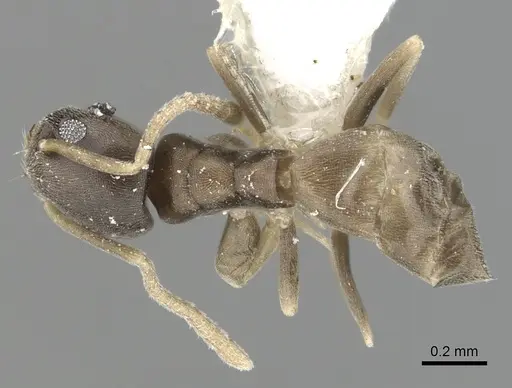
CASENT0903075
View on AntWeb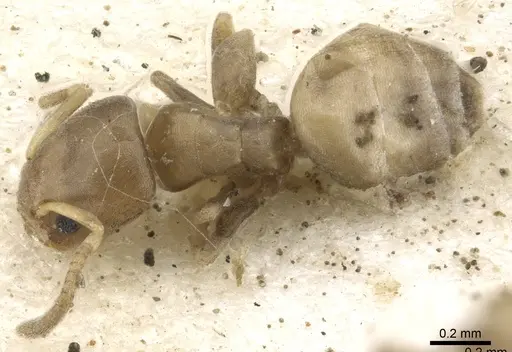
CASENT0909778
View on AntWeb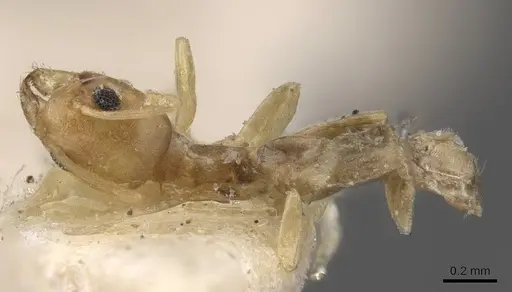
CASENT0909779
View on AntWeb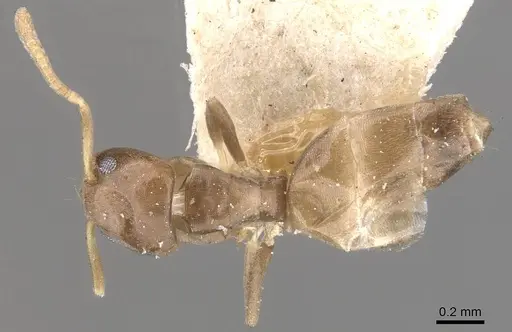
CASENT0911573
View on AntWeb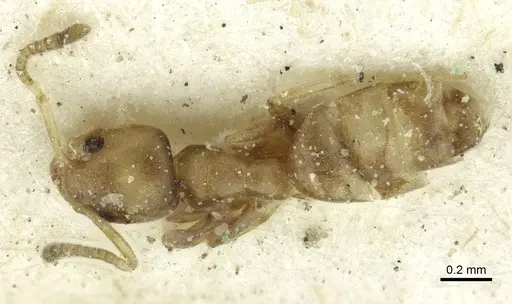
CASENT0915549
View on AntWeb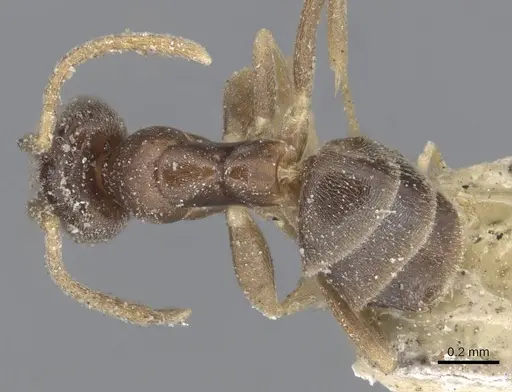
Literature
Loading distribution map...Loading products...